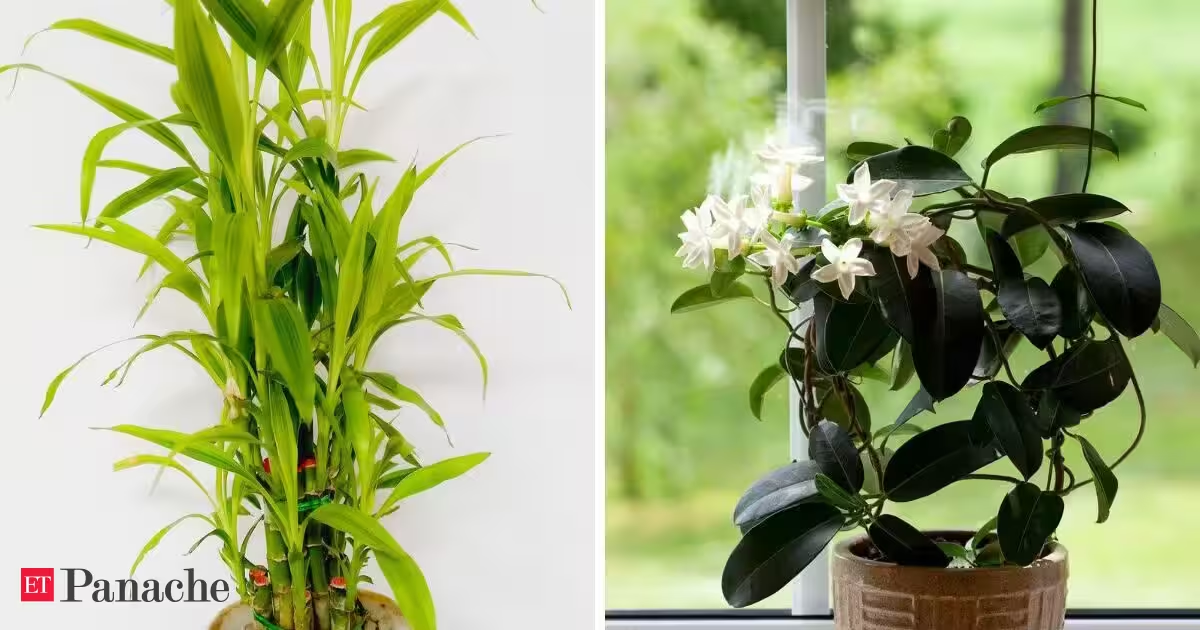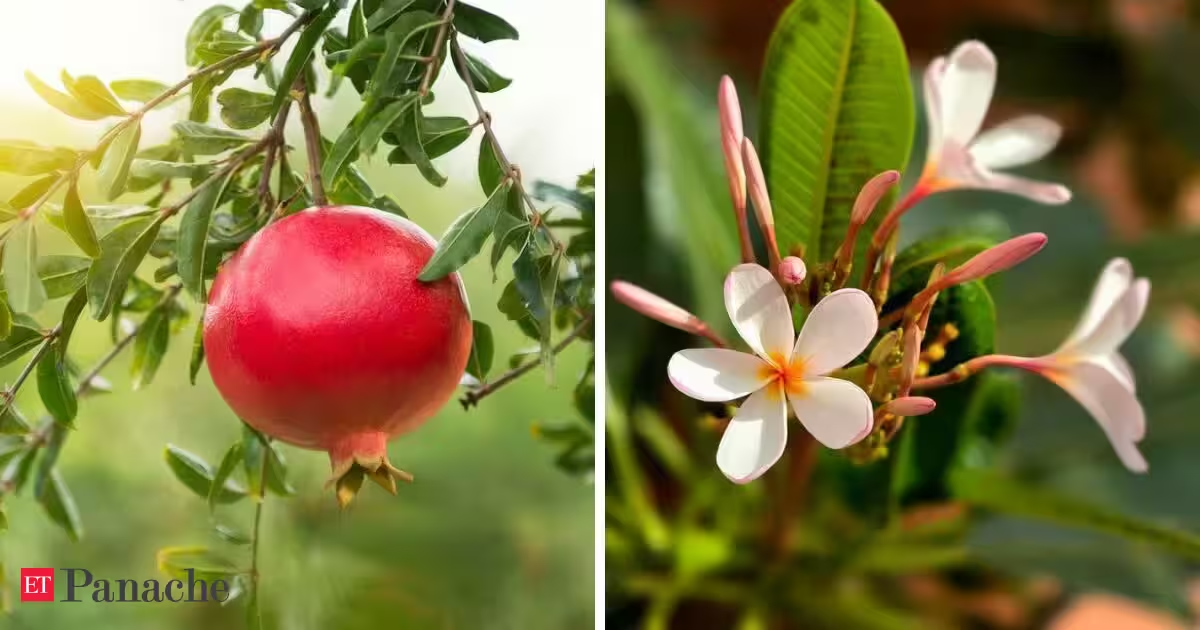
SynopsisVaastu traditions associate certain plants with wealth, prosperity and positive energy. Beyond popular choices such as money plant, jade, tulsi and rubber plant, alternatives include areca palm, lucky bamboo, citrus plants, banana, pomegranate, frangipani and Ashoka. Each carries traditional associations with abundance, growth or auspiciousness. While these beliefs are not scientifically proven, these plants can add greenery and beauty to homes. Choosing plants based on sunlight, space and care needs is important to keep them healthy and thriving.A thriving plant can bring greenery and a sense of vitality to a home, regardless of whether you follow Vaastu principles. (Istock)Plants have long been associated with abundance, growth and positive energy in Indian homes. In Vaastu Shastra, certain plants are traditionally believed to encourage prosperity when placed in suitable areas of the house. While these beliefs are not scientifically proven, they offer an interesting way to bring more greenery, symbolism and natural beauty into your living space. If you want something beyond the familiar money plant or jade plant, here are seven less-common choices to consider.Banana plantThe banana plant has deep cultural and religious significance in India and is traditionally associated with prosperity, fertility and auspiciousness.Unlike many indoor plants, however, banana plants need considerable sunlight and space. They are therefore better suited to a garden, balcony or spacious outdoor area rather than a dark indoor corner.Areca palmThe areca palm is a popular indoor plant known for its lush, feathery leaves. In Vaastu-inspired interiors, it is often associated with positive energy, growth and abundance.Its full foliage can also soften the look of a room and make a space feel more vibrant. A well-lit living room or common area can be a practical place for this tropical plant.You Might Also Like:Pomegranate plantThe pomegranate has long been regarded as a symbol of abundance because of its many seeds. In traditional Indian symbolism, it is also associated with fertility, prosperity and good fortune.A dwarf pomegranate variety can be particularly suitable for homes with balconies, terraces or small gardens. Its flowers and fruit can also make it an attractive addition to an outdoor space.Lucky bambooDespite its name, lucky bamboo is not actually bamboo. It is a species of Dracaena and has become strongly associated with good fortune and prosperity in Asian traditions.In Vaastu-inspired homes, it is often chosen as a symbolic plant for growth and positive energy. You can keep a small arrangement on a work desk, shelf or in a bright corner of the home.You Might Also Like:Citrus plantsSmall citrus plants, particularly lemon and orange varieties, can add both greenery and fragrance to a home. Citrus trees are traditionally associated with abundance, freshness and prosperity in several cultural traditions.For a Vaastu-inspired approach, a healthy citrus plant can be placed in a bright area such as a balcony, terrace or courtyard where it receives sufficient sunlight.FrangipaniFrangipani, also known as plumeria, is associated with beauty, positivity and auspiciousness in Indian cultural traditions. Its fragrant flowers can make outdoor spaces feel particularly inviting.You Might Also Like:For a Vaastu-inspired home, it can work well in a garden, courtyard or sunny balcony. Because it needs plenty of light, it is not an ideal choice for a poorly lit indoor room.Ashoka treeThe Ashoka tree has a particularly strong place in Indian cultural traditions and is often associated with happiness, prosperity and the removal of sorrow.Because it can grow into a substantial tree, it is best suited to larger gardens or outdoor spaces. For homeowners with sufficient room, it can add both cultural significance and greenery to the landscape.How to choose a prosperity plant for your homeVaastu traditions often place importance on the plant's direction, health and surroundings rather than simply having a particular species. A dying or neglected plant is unlikely to create the peaceful atmosphere most people want from their homes.Instead of choosing a plant purely because it is considered lucky, consider its sunlight, watering and space requirements first. A thriving plant can bring greenery and a sense of vitality to a home, regardless of whether you follow Vaastu principles.For a more contemporary Vaastu-inspired approach, think of prosperity as more than money. A home filled with healthy plants, natural light and uncluttered spaces can create an environment that feels calmer, fresher and more welcoming.You Might Also Like:Read More News on...morelessRead More News on...moreless
Forget money plant: 7 plants believed to attract wealth and prosperity, according to Vaastu
Vaastu traditions associate certain plants with wealth, prosperity and positive energy. Beyond popular choices such as money plant, jade, tulsi and rubber plant, alternatives include areca palm, lucky bamboo, citrus plants, banana, pomegranate, frangipani and Ashoka. Each carries traditional associations with abundance, growth or auspiciousness. While these beliefs are not scientifically proven, these plants can add greenery and beauty to homes. Choosing plants based on sunlight, space and care needs is important to keep them healthy and thriving.
712 words~3 min read