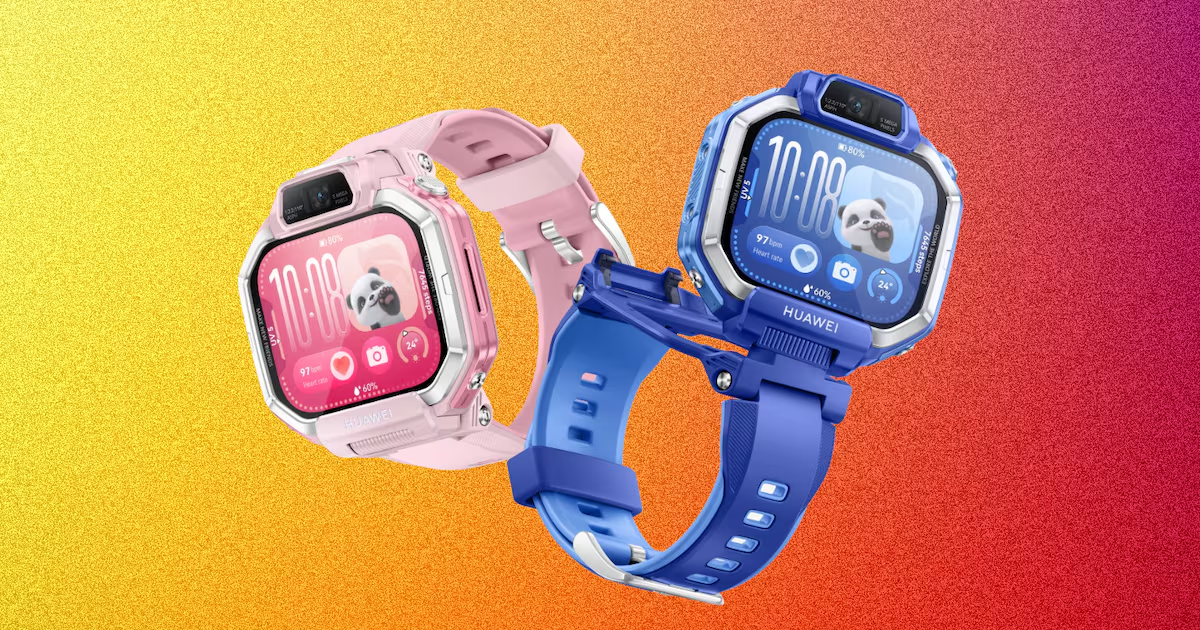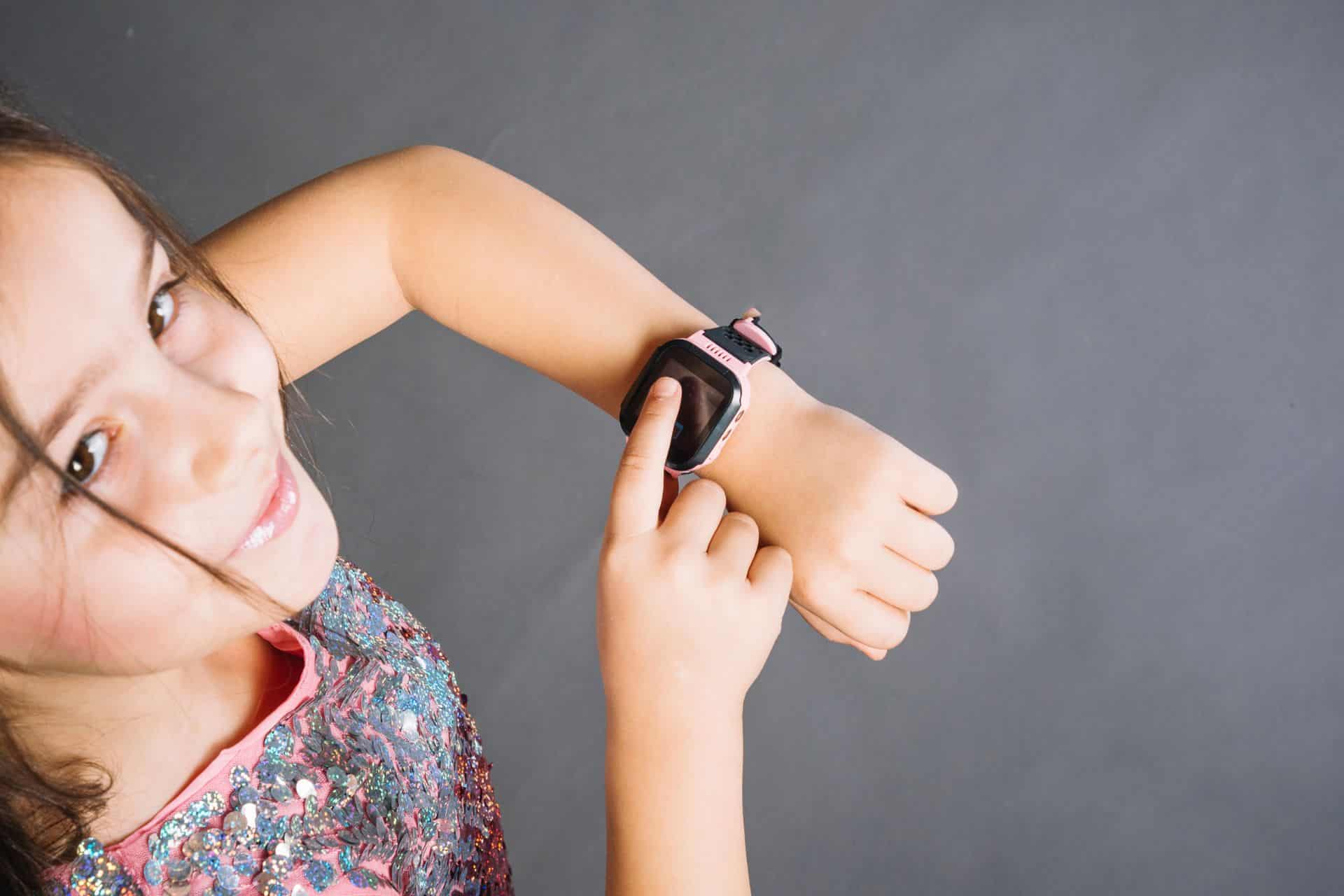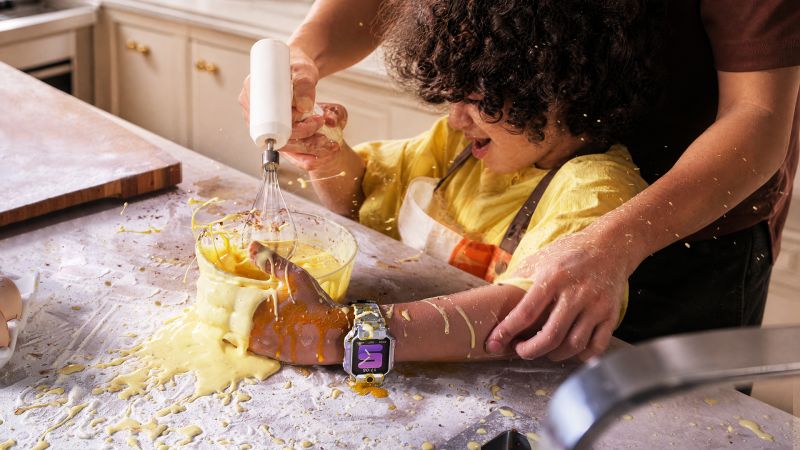
Since its establishment in 2012, imoo has focused on a simple question: what would a high-quality technology product designed around children’s developmental needs, usage habits, and growing independence look like? The answer has shaped the smartwatch brand’s approach ever since, informing everything from product design and testing to the way children interact with its devices.
Designing technology for children means accounting for how they actually use it. “We believe that for a child’s growth, they need to run, go outside, and spend time outdoors,” explains Alex Wang, senior product R&D engineer at imoo. That child-first mindset extends from product design to testing, with devices developed around the realities of childhood. imoo claims its product testing includes 60,000 camera flip tests, 20,000 micro-drop tests, and 10,000 charging-port plug-and-pull tests to ensure its smartwatches can withstand the demands of everyday use.
Beyond laboratory testing, the company also relies on real-world feedback. Employees’ own children are often among the earliest users of new products, living with prototypes and providing feedback that helps shape development. “Products are refined through constant, real-life interaction rather than isolated testing phases,” explains Wang. He gives the example of a temperature-monitoring feature developed in response to a colleague’s child who was running a fever.