The Bureau of Corrections has publicly announced that the New Bilibid Prison will be closed by 2028. The government has already begun transferring thousands of persons deprived of liberty from Muntinlupa to penal farms and regional facilities throughout the country.
Since 2022, more than 15,000 PDLs have reportedly been transferred as part of this massive decentralization program. They have been moved to facilities in Sablayan, Occidental Mindoro; Iwahig, Palawan; Abuyog, Leyte; San Ramon, Zamboanga City; and Panabo, Davao del Norte.
The prison population is being dispersed, but the human consequences of that dispersal remain largely unseen.
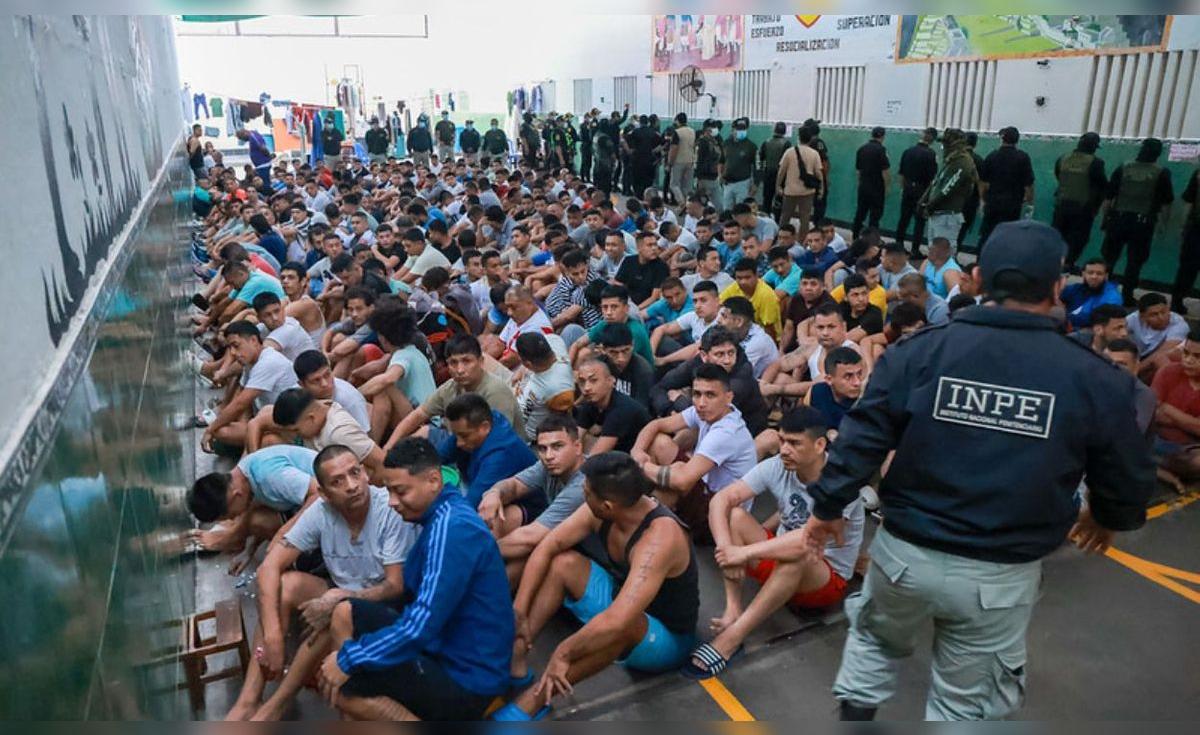
There is sound reasoning behind the regionalization of the prison system. New Bilibid Prison has long symbolized congestion, neglect, violence, corruption, and the institutional failures of Philippine corrections. Its enormous population has made effective classification, individualized programming, case management, and rehabilitation extremely difficult.
Smaller regional facilities can become safer, more manageable, and more responsive to the different risks and needs of incarcerated individuals. Regionalization, when properly implemented, can move the country away from the warehouse model of imprisonment.