Support CleanTechnica's work through a Substack subscription, on Patreon, or on Stripe. Help us produce all of the high-quality, original content we publish week after week despite the challenges of content-scraping AI, antisocial media, inflation, and other hurdles.
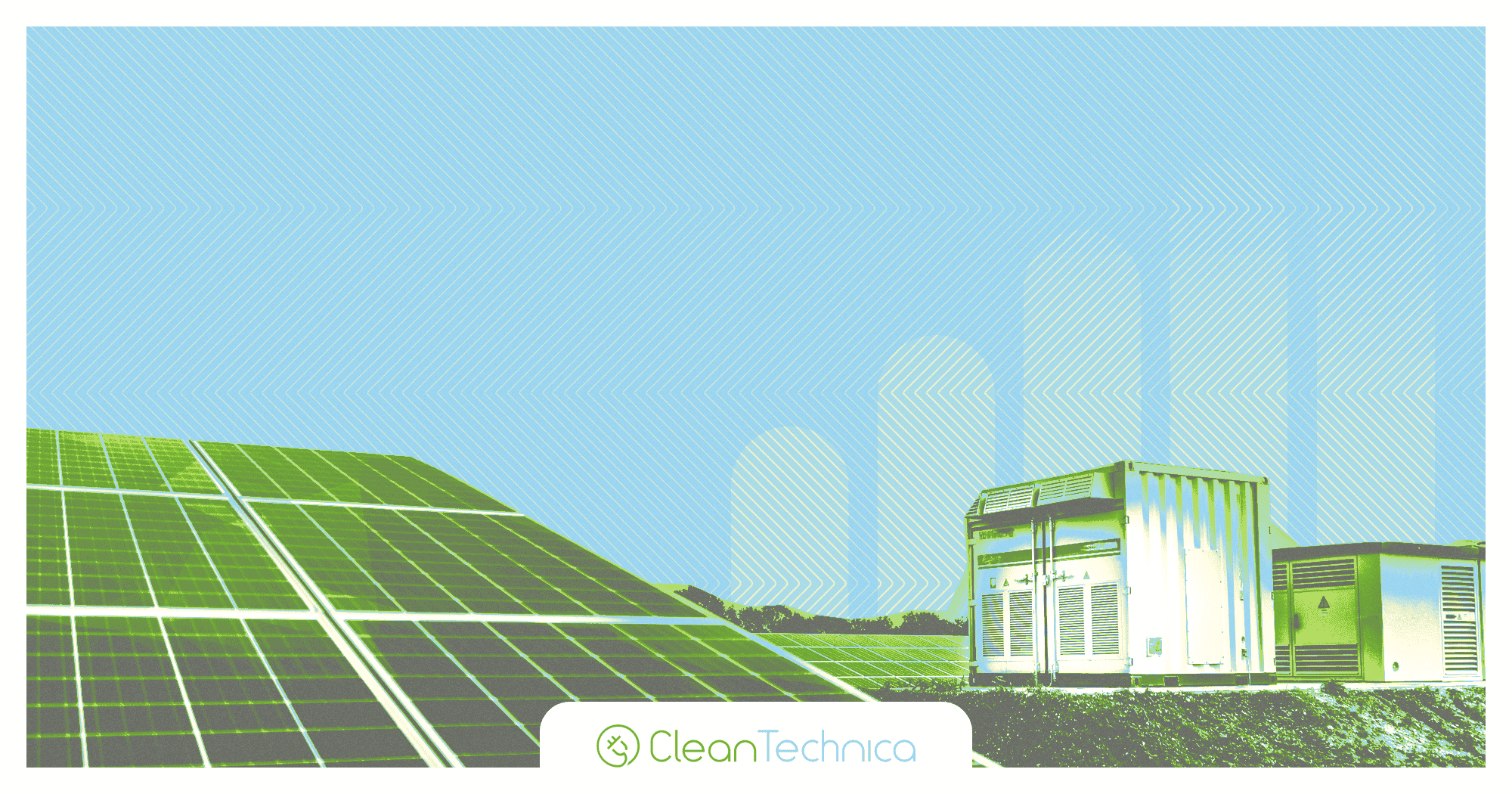
New research from The Nature Conservancy in California (TNC) and ECOnorthwest shows that where California builds utility‑scale solar determines how fast projects move through permitting. Solar projects sited on lands already shaped by human activity face fewer hurdles than projects on undisturbed natural lands. Additionally, projects on Williamson Act lands1 face longer review timelines than projects on comparable, non-contracted lands.
These insights point to a powerful opportunity: Aligning the state’s goals for clean energy, land use, groundwater sustainability and conservation can reduce permitting barriers and accelerate deployment of the new, affordable clean energy the state needs to achieve its goals.
California has long been a national leader in clean energy, but meeting the state’s climate goals and rising energy needs requires an unprecedented expansion of utility-scale solar. While permitting requirements are critical to ensure environmental protection and community engagement, the pace of deployment is increasingly constrained by permitting complexity.