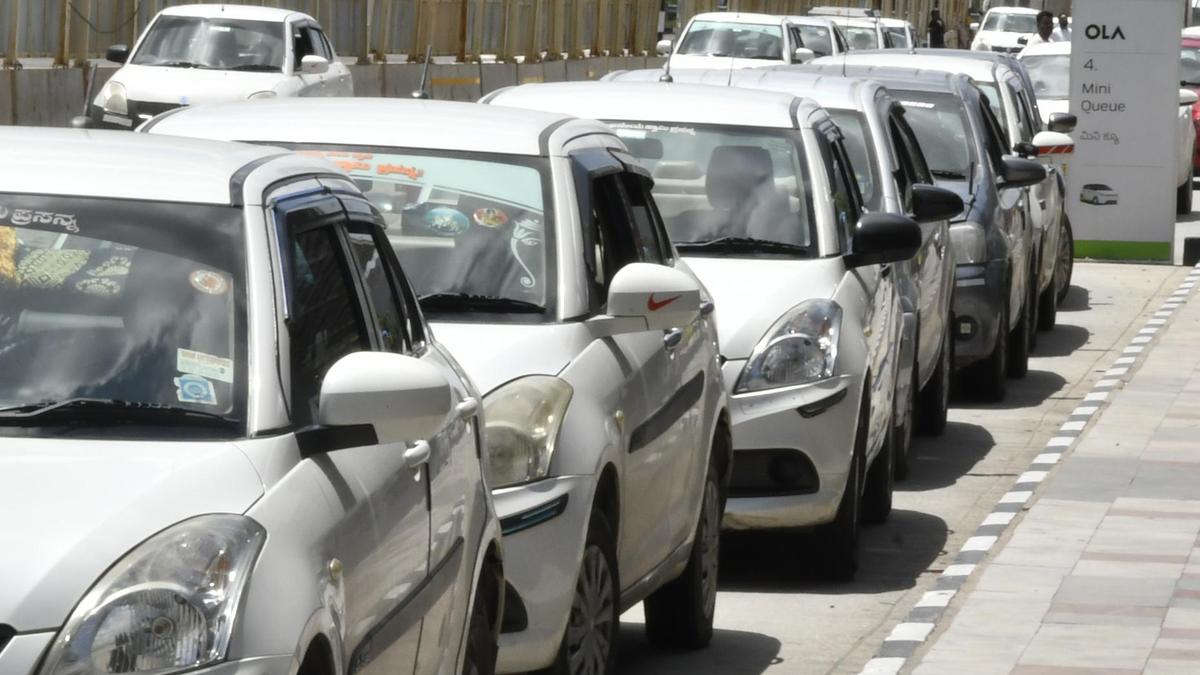
KSTOA has warned that the price hike, driven by rising input costs, persistent inflation, higher raw material prices and global supply chain disruptions, could discourage new vehicle purchases and delay fleet expansion plans for transport operators already struggling with rising operating expenses.
| Photo Credit: File photo
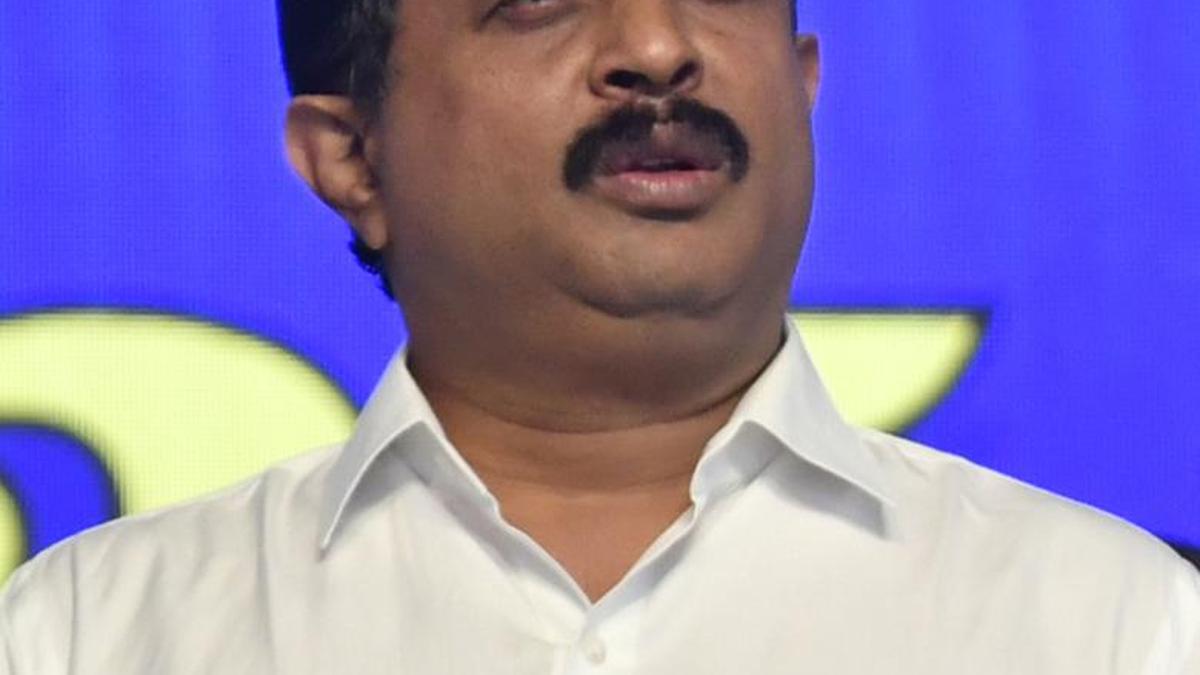
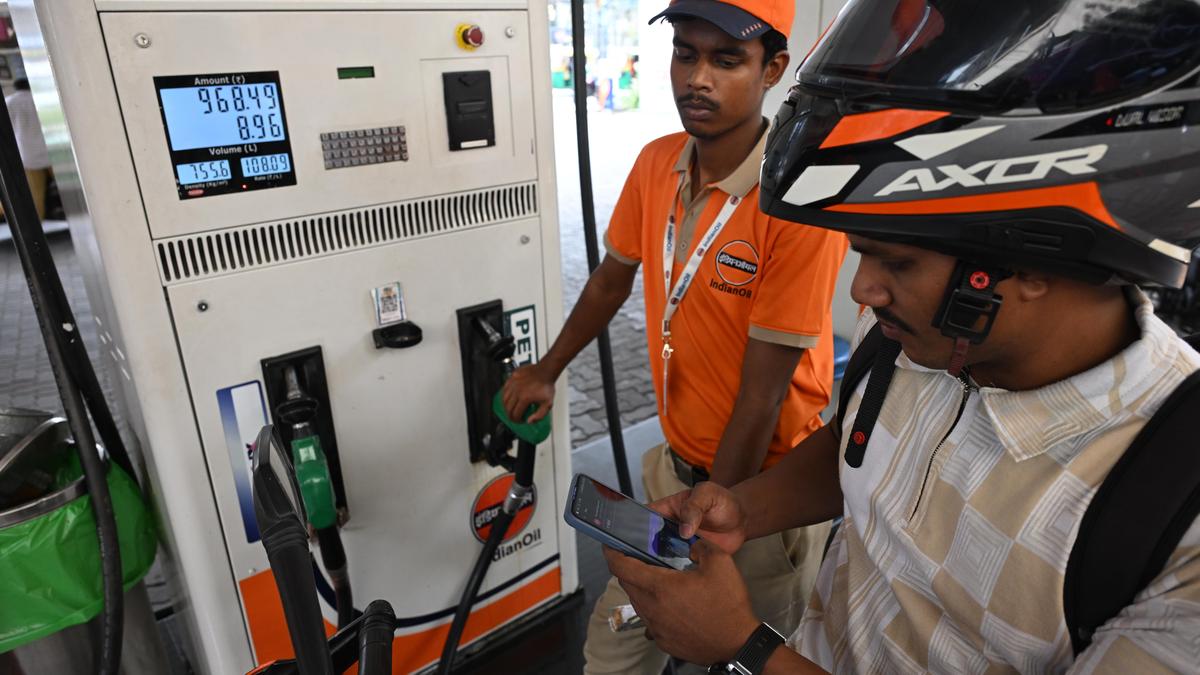
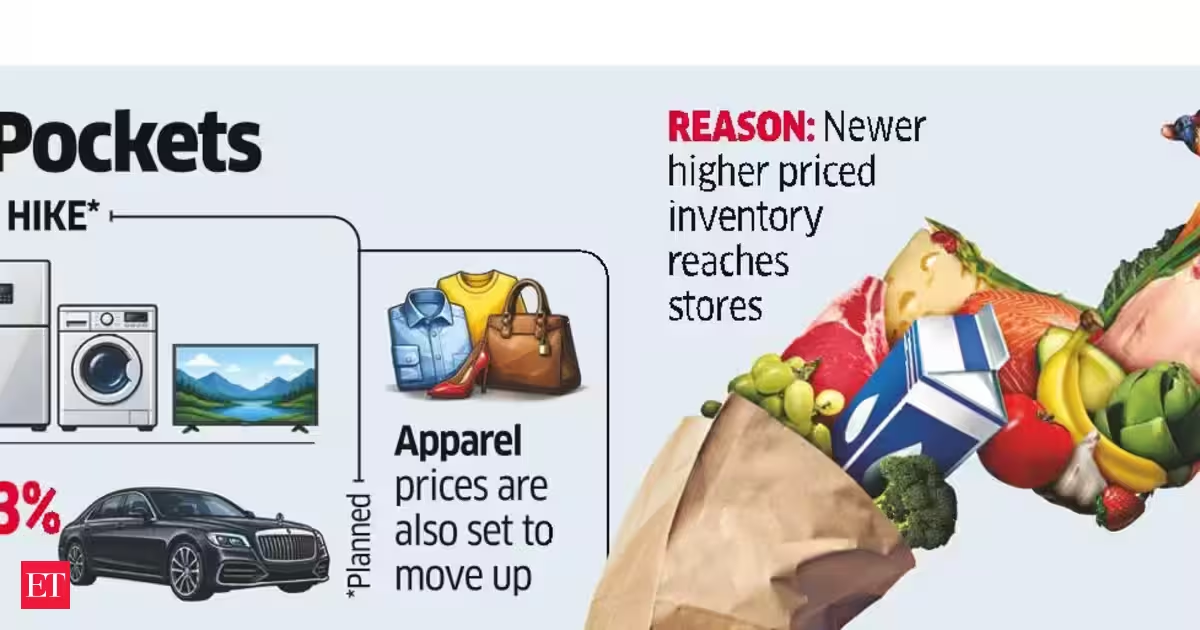
The proposed increase in vehicle prices by several automobile manufacturers from August 1 is expected to add to the financial burden on consumers, while posing fresh challenges for taxi operators, travel companies and the tourism industry.The Karnataka State Travel Operators Association (KSTOA) has warned that the price hike, driven by rising input costs, persistent inflation, higher raw material prices and global supply chain disruptions, could discourage new vehicle purchases and delay fleet expansion plans for transport operators already struggling with rising operating expenses.A leading automobile manufacturer has announced price revisions across several models from August 1, with vehicle prices expected to increase by up to ₹30,000 depending on the model and variant. Automakers have attributed the increase to higher prices of steel, aluminium, rubber, plastics, semiconductors, batteries and other components, as well as investments in new technologies.K. Radhakrishna Holla, president of the Karnataka State Travel Operators Association, said, “The immediate impact will be felt by ordinary consumers. Families planning to purchase their first car may postpone their decision due to higher acquisition costs. At a time when vehicle loan interest rates, insurance premiums, road taxes, registration charges, toll fees and fuel prices have already increased, the latest price hike will further strain household budgets.”He said that the impact would be even more severe for self-employed taxi owners, tourist taxi operators, travel agencies, luxury car rental companies and tour operators, many of whom are already facing rising fuel prices, toll charges, insurance premiums, maintenance expenses, costly spare parts and higher financing costs.“The tourism industry depends heavily on modern, safe and reliable vehicles to provide quality services. If vehicle prices continue to rise, many small and medium-sized travel operators may be forced to continue operating older vehicles instead of investing in new ones. This could eventually affect customer experience, service standards, operational efficiency and the competitiveness of India’s tourism sector,” he said.Puneeth Prasad, a J.P. Nagar-based taxi driver, said that the latest increase would make it harder for drivers to replace ageing vehicles. “I was planning to buy a new taxi this year because maintenance costs on my current vehicle keep increasing since it has been more than 13 years. With another hike in vehicle prices, along with expensive fuel and loan EMIs, I will postpone buying a new car. Many drivers like me are already finding it difficult to stay profitable,” he said.Meanwhile, prospective car buyers say the rising cost of ownership is forcing them to reconsider their plans.Priya Rao, an IT professional from Nagasandra looking to purchase a new electric car, said that the increase comes at a difficult time. “I wanted to buy a car for my daily commute to my office in Electronic City via the NICE Road. I was planning to purchase an electric car because it is more comfortable and economical for long-distance travel. However, while exploring different options, I learned that vehicle prices would increase from August 1. I wanted to book the car this month, but due to the anticipated price hike, many people have already placed their orders. Now, the model I wanted is either unavailable or will only be delivered at the revised August 1 price. With prices going up again, I may have to delay my purchase until I am financially more comfortable,” she said.Mr. Holla urged the Union and State governments to introduce measures to reduce manufacturing costs, promote domestic production of automotive components, rationalise taxes, improve access to affordable vehicle financing and expand EV charging infrastructure. Published - July 30, 2026 06:01 am IST