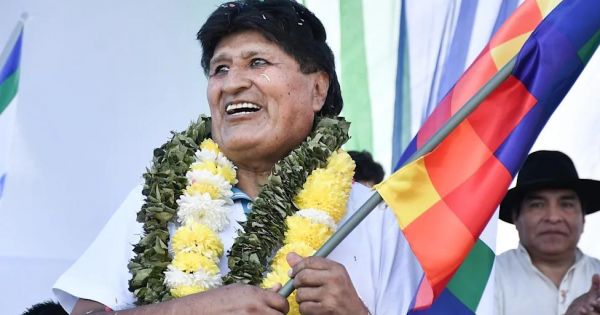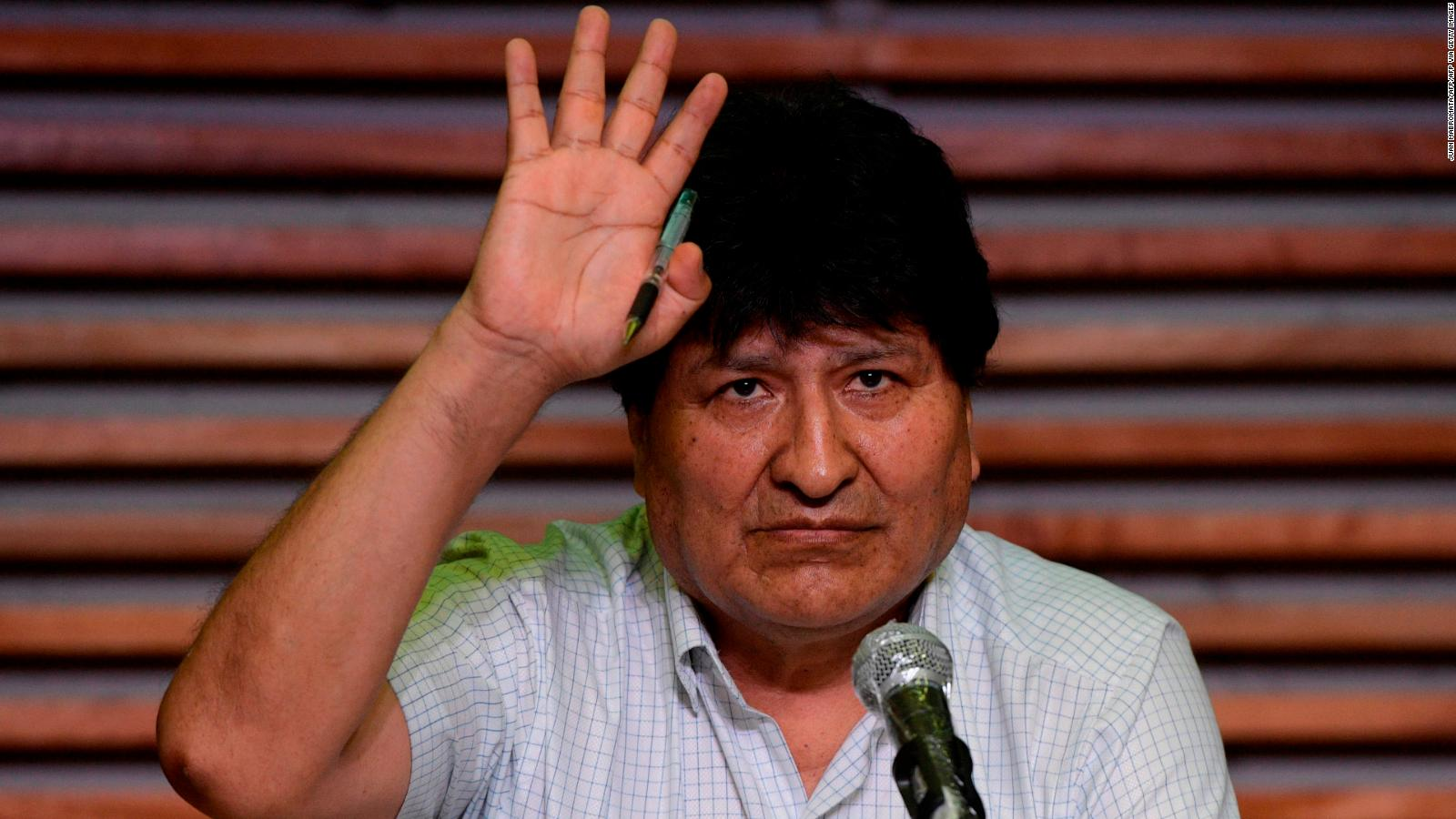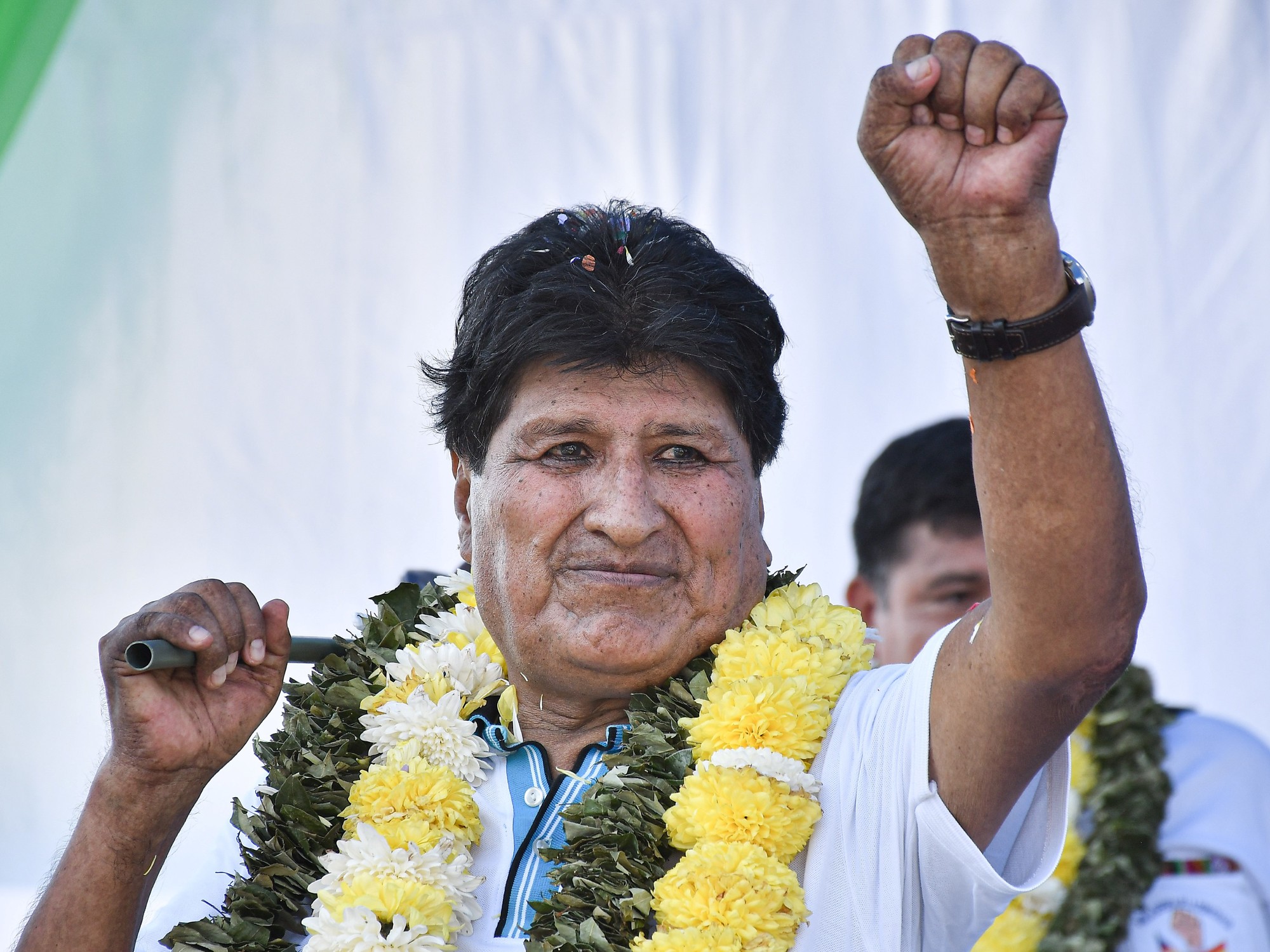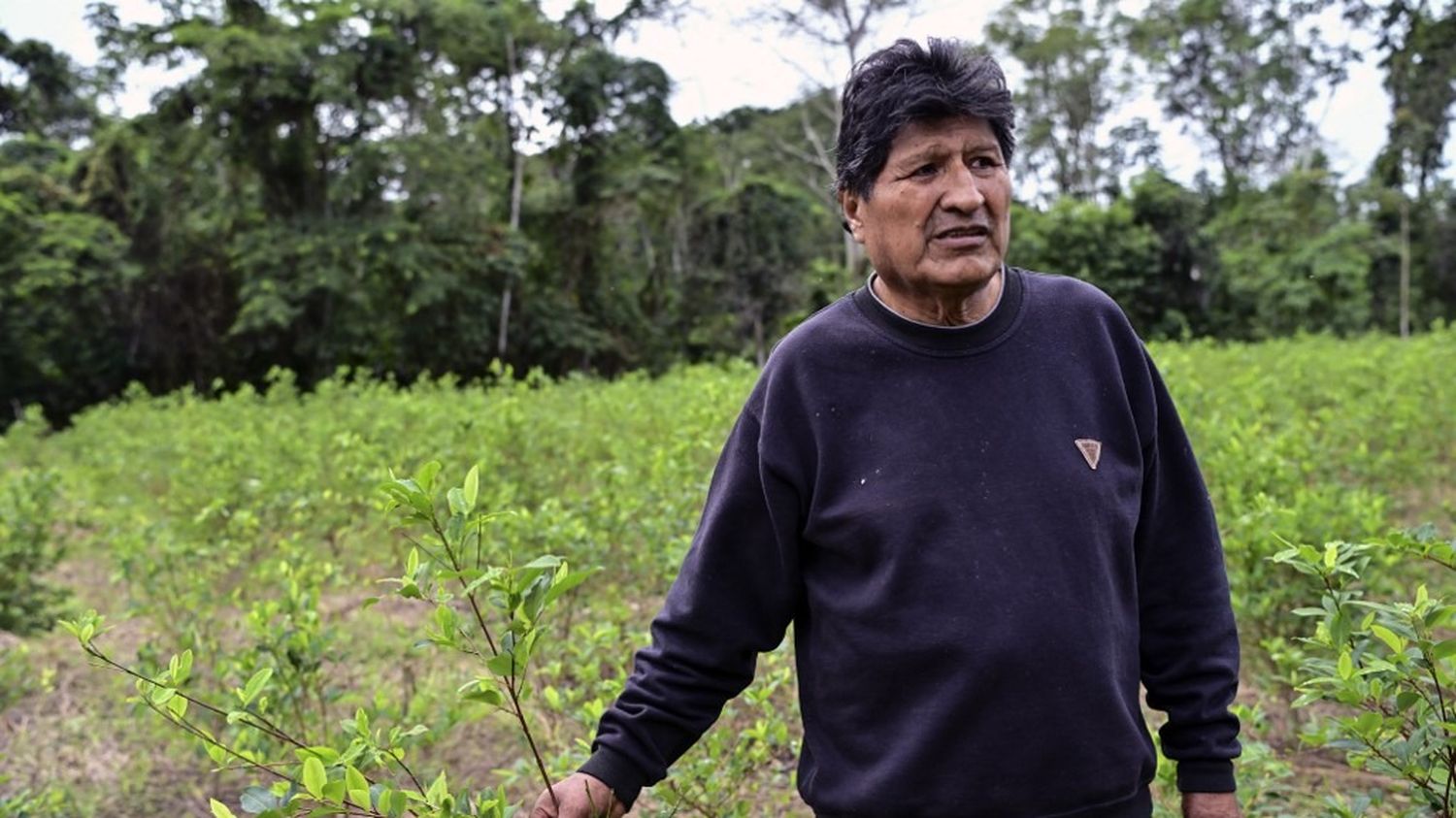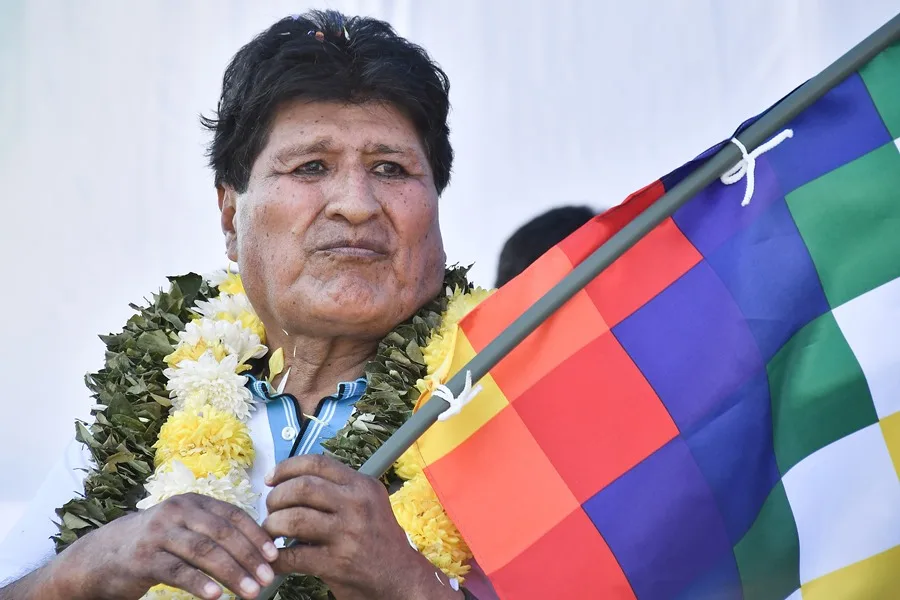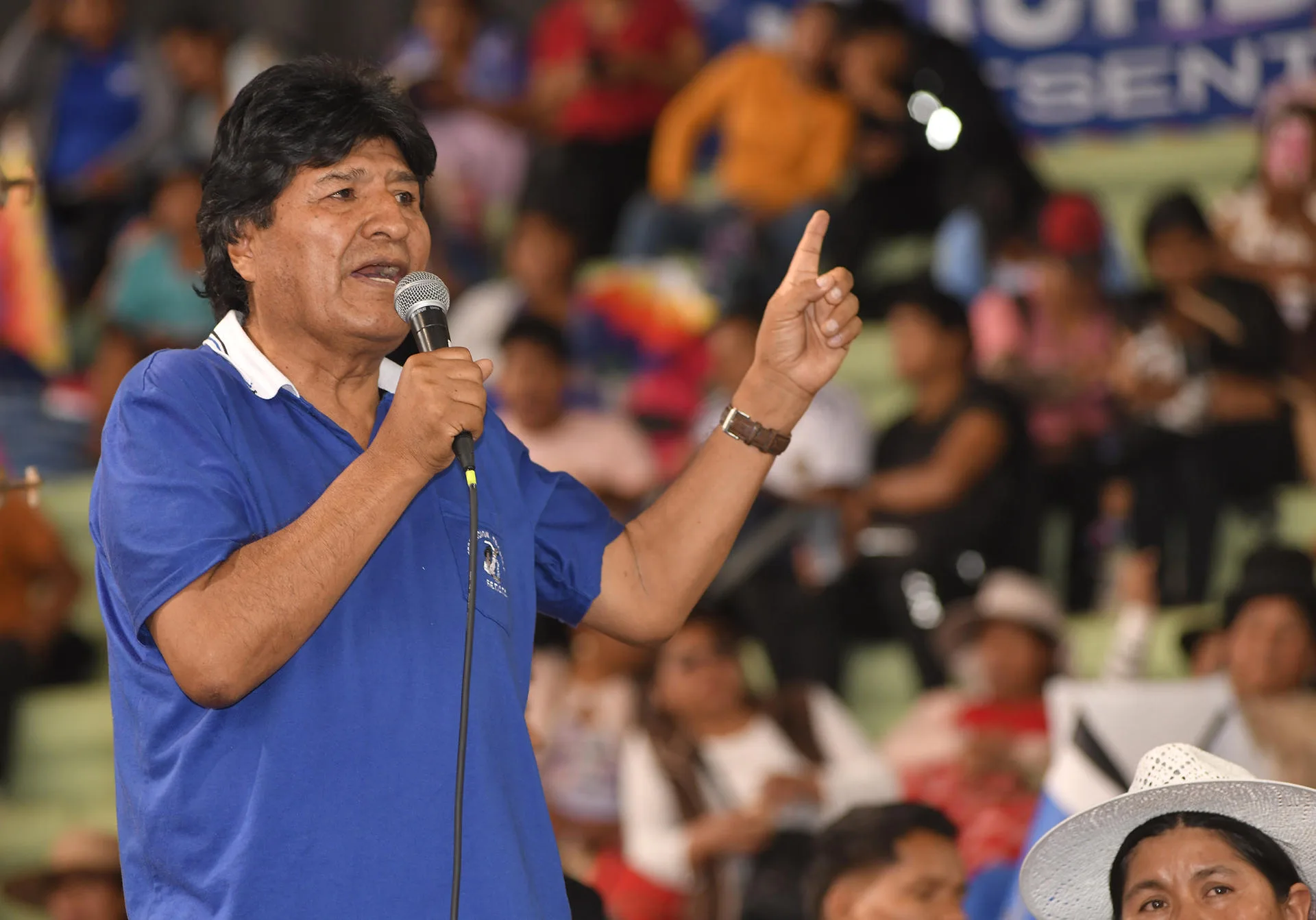
La Paz, Jul 29 (EFE).- The Bolivian Prosecutor’s Office ordered the arrest of former President Evo Morales (2006–2019) on Wednesday for his alleged involvement in the protests and road blockades that took place between May and June to demand the resignation of President Rodrigo Paz. The court order issued by Prosecutor Brayan Melgar states that Morales, among others, is under investigation for armed insurrection against the security and sovereignty of the State, terrorism, endangering the safety of transportation systems, criminal conspiracy, public incitement to commit a crime, and endangering the safety of public services. For seven weeks, between May and June, farmers from La Paz and the Bolivian Workers’ Confederation (COB) organized roadblocks, mainly in western and central Bolivia, with the support of groups aligned with Morales, to demand President Paz’s resignation. The blockades caused shortages of food, fuel, and medical oxygen in several cities, left at least 16 people dead, 13 due to a lack of timely medical care caused by the roadblocks, and resulted in economic losses exceeding 3 billion dollars. The complaint was filed in early July by civic leaders from Santa Cruz and was later joined by Interior Minister Marco Antonio Oviedo. The legal action also names COB President Marco Argollo and the main leader of the La Paz peasant movement, Vicente Salazar, who has been in pretrial detention since July 6 in connection with another investigation into the same events. Former President Morales denies having pushed for Paz’s resignation and maintained that the protests were intended to pressure the government to respond to the demands of the protesting sectors. However, on May 24, he wrote on social media platform X that the president had only “two paths” in the face of the conflicts: to “militarize” the country or to call for elections within the next 90 days. After reaching agreements with groups such as the COB, Paz declared a state of emergency on June 20 to lift the roadblocks, following which the police and the army were deployed to the highways to remove the obstacles and restore traffic flow. Since October 2024, Morales has remained in the Trópico region of Cochabamba (central Bolivia), his political and labor union stronghold, guarded by hundreds of his supporters to prevent the execution of an arrest warrant issued against him in connection with an investigation into aggravated human trafficking. In that case, the former president is accused of statutory rape under Bolivian law over an alleged relationship with a minor with whom he supposedly had a daughter while he was president in 2016. In May, a court in the southern region of Tarija declared Morales in contempt of court and issued a new arrest warrant because he failed to appear at the start of the trial for this case. The police say they are waiting for the right moment to execute that warrant. EFE grb/mcd
Bolivian prosecutor's office orders Evo Morales' arrest over May June protests blockades - EFE
Bolivian Prosecutor’s Office ordered the arrest of former President Evo Morales for his alleged involvement in the road blockades.
476 words~2 min read