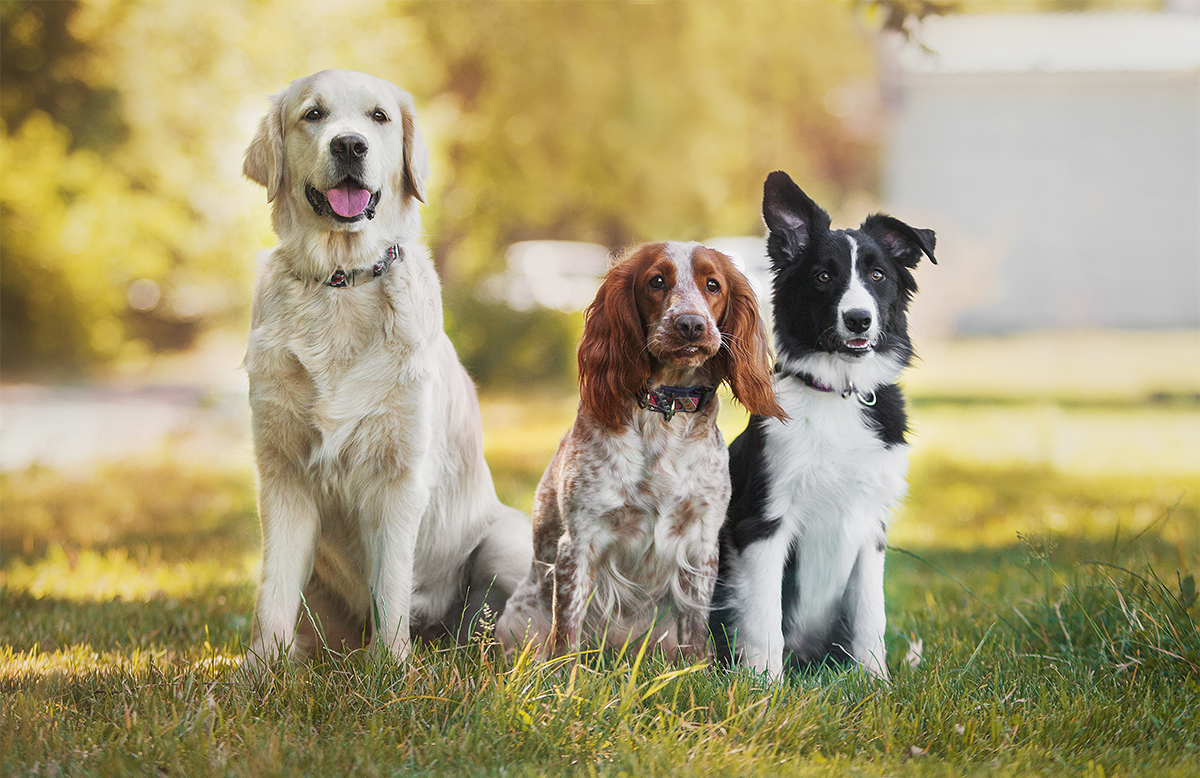
Walk through any major city today, and you'll notice something interesting: Pet cafes are thriving, dog parks are crowded, and pets are increasingly treated as cherished family members. What changed? Have we become more attached to animals, or less emotionally nourished by one another?
The human brain seeks not only love, but also security. Our nervous system constantly searches for the answer to the same question: Am I safe here? What I am talking about is not simply physical security; it is also emotional. Will I be judged? Will I be rejected? Will I be criticized? Will I be abandoned? Will I be accepted as I am? Will I be included and held? All these are fundamental needs that build emotional security.
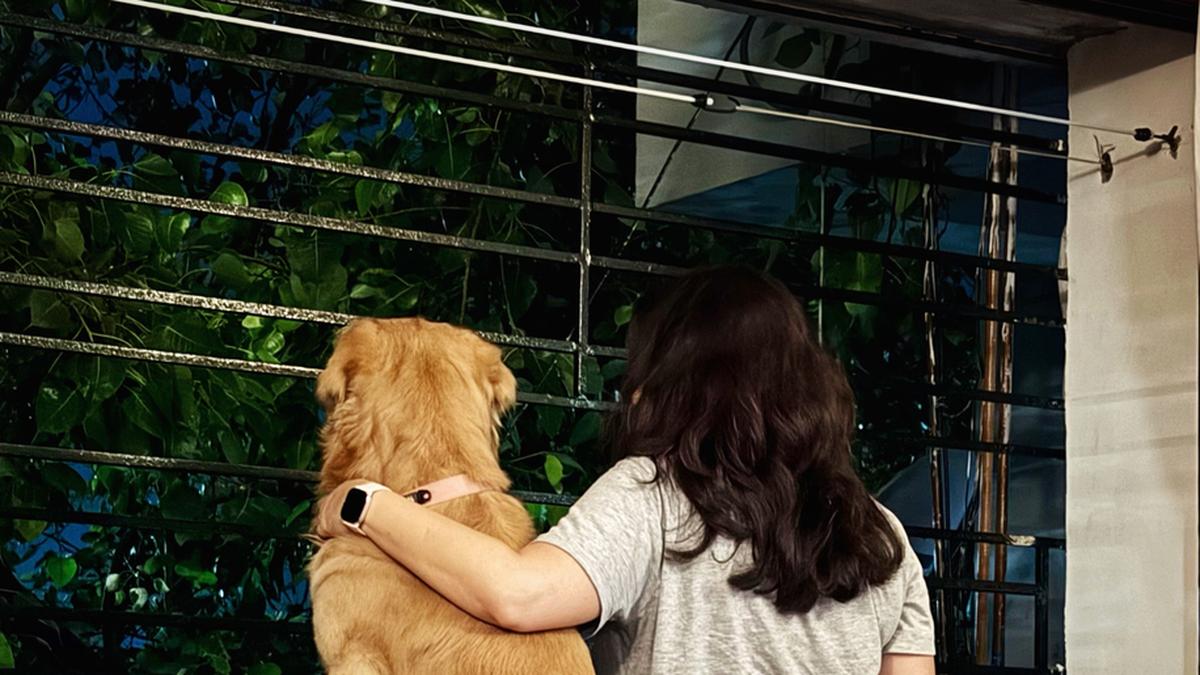
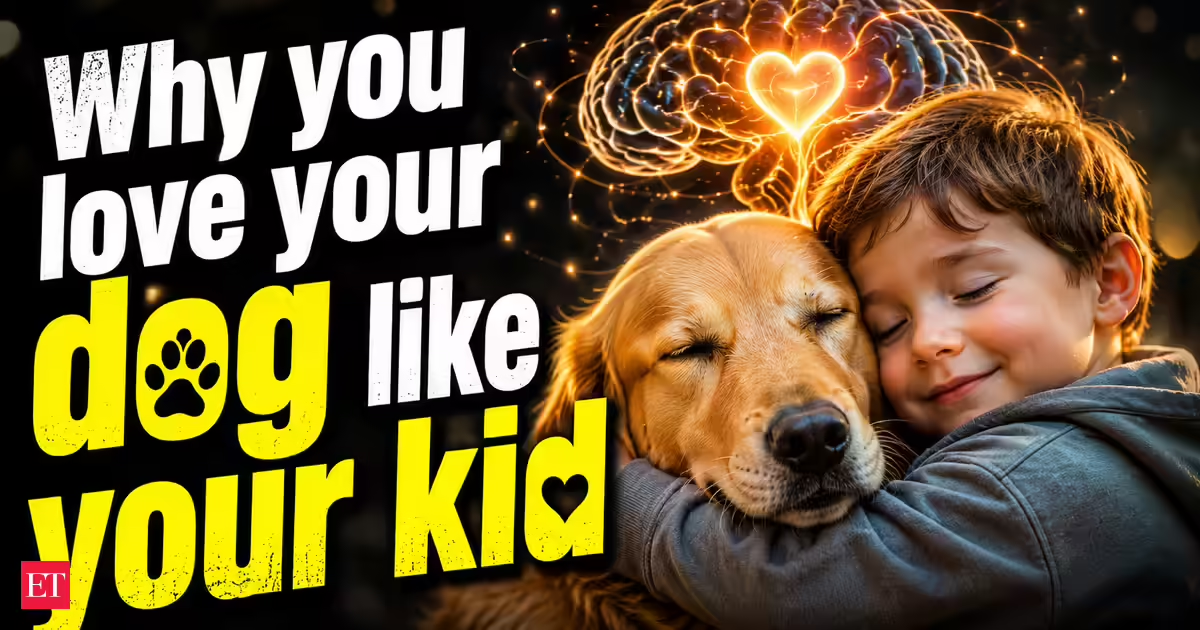
The bond we form with pets speaks to these needs. Unlike many human interactions, these relationships are largely free from social expectations, hidden agendas or fear of being evaluated. Your social status, financial situation, ethnicity or professional success matters very little to your pet. You are not expected to impress, perform or constantly prove your worth. Instead, the relationship offers a sense of acceptance that many people experience as emotionally restorative.
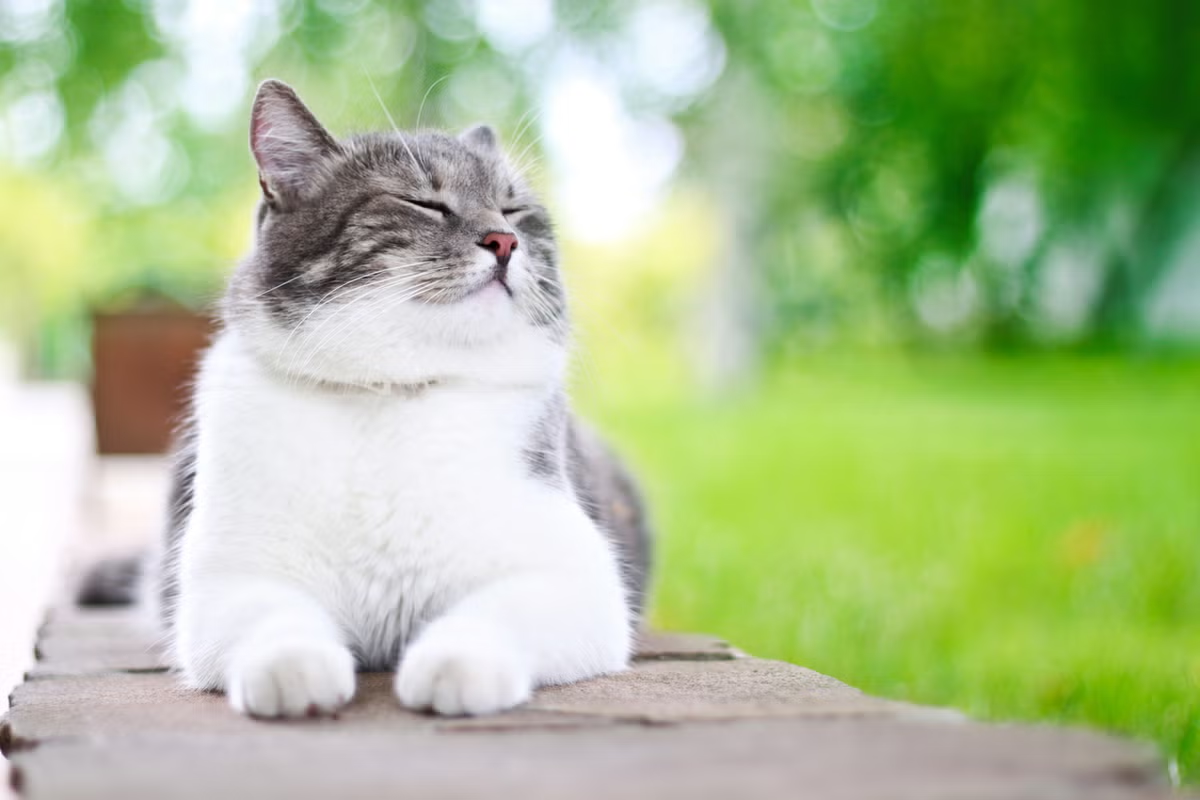
Our nervous system is programmed to regulate itself in conjunction with another living being from the very first days of life. In psychology, this is called co-regulation. Just as a baby is calmed by its mother's voice and touch, an adult can rebalance their nervous system within a reassuring relationship. A dog lying quietly beside us, a cat purring rhythmically, or simply a friend whose presence keeps us company can send our body the message, "You are safe now."