Korea Herald
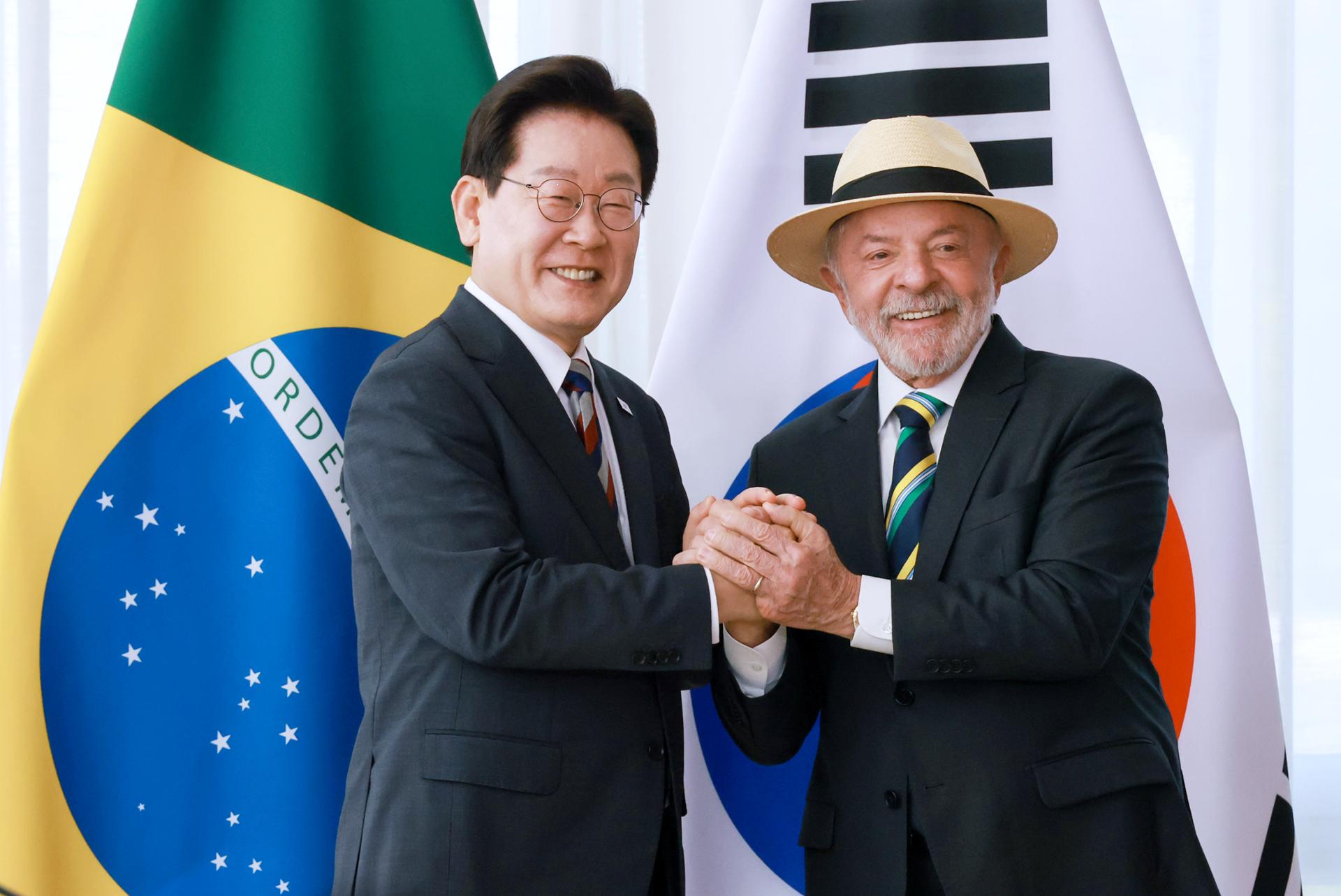
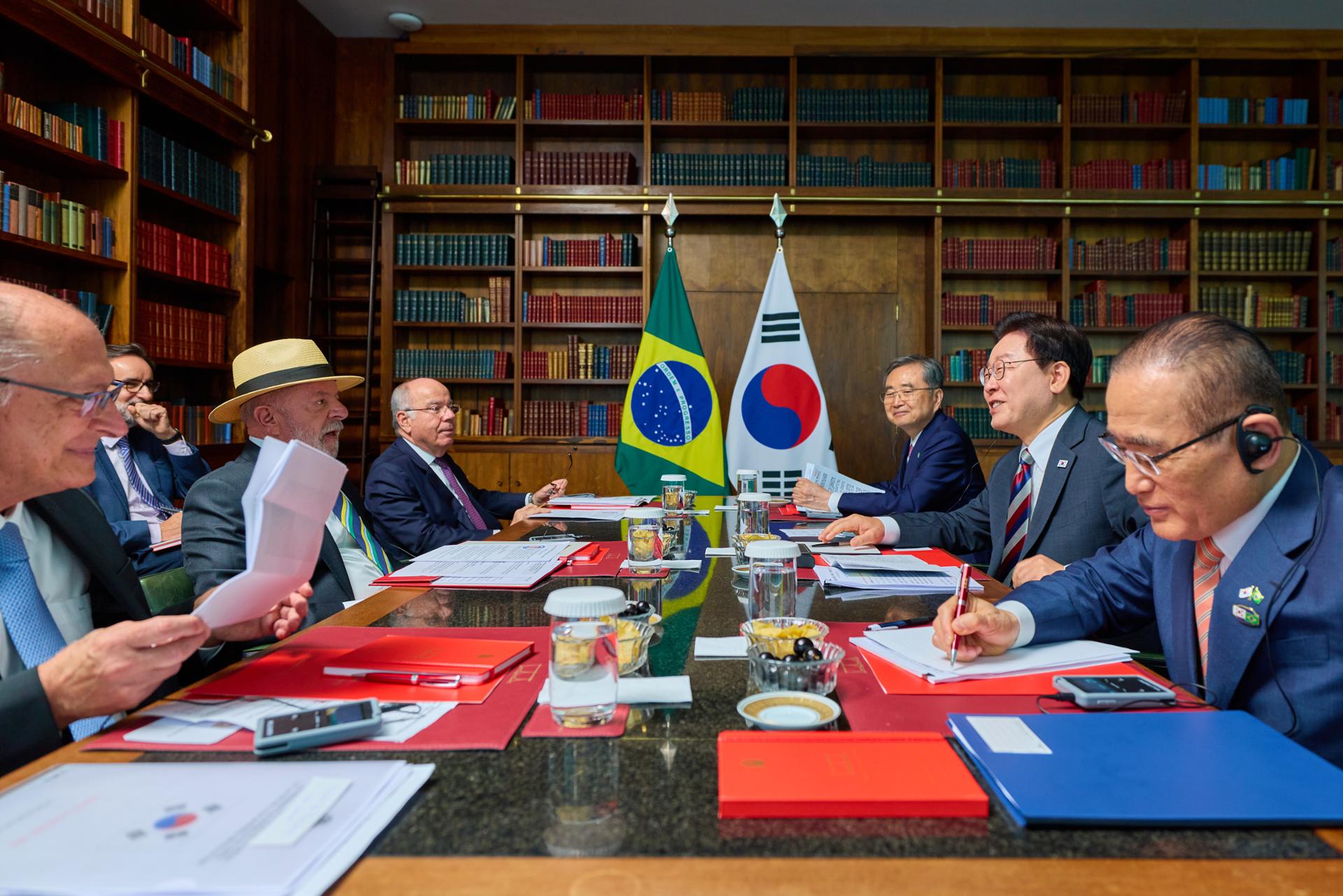
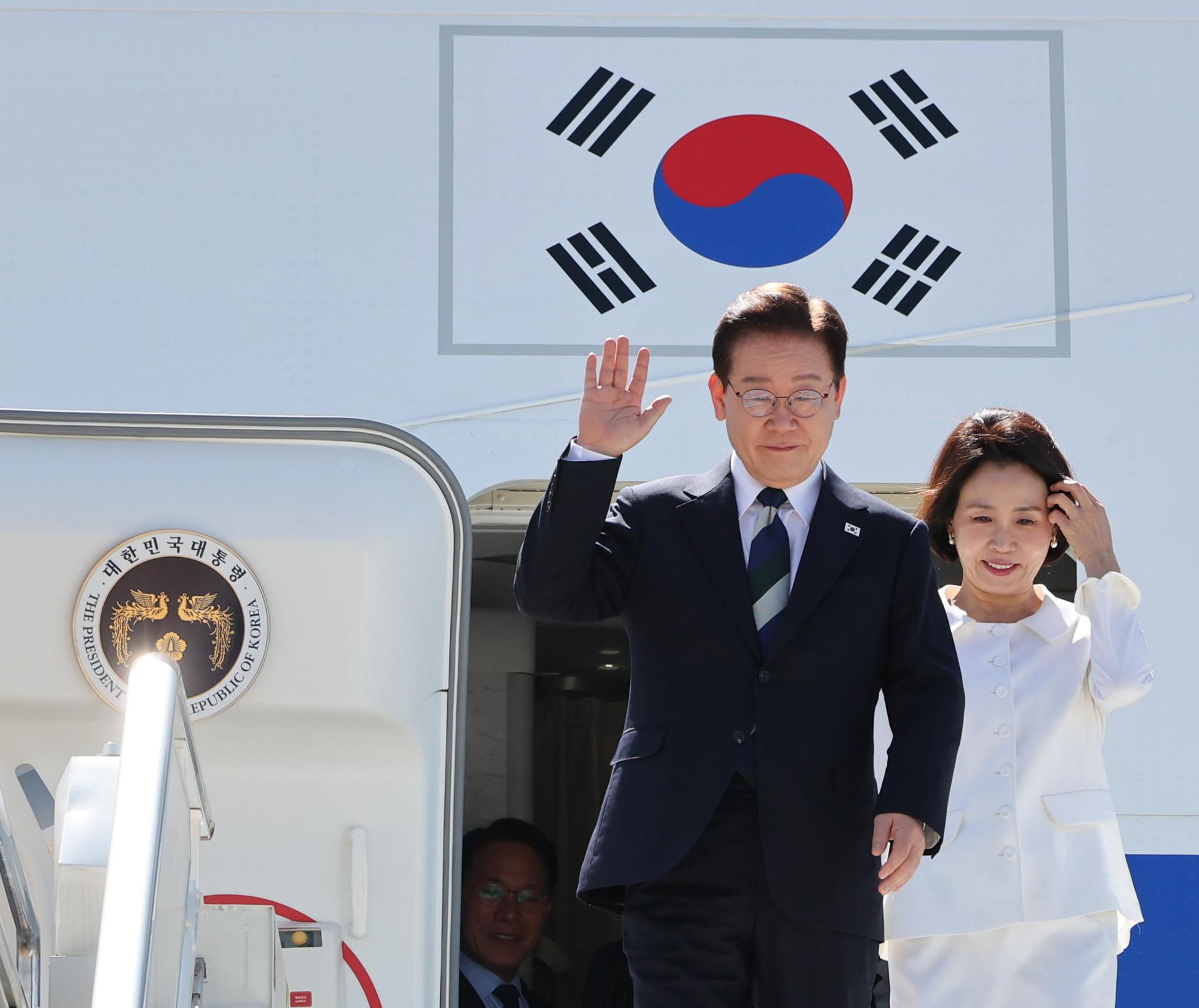
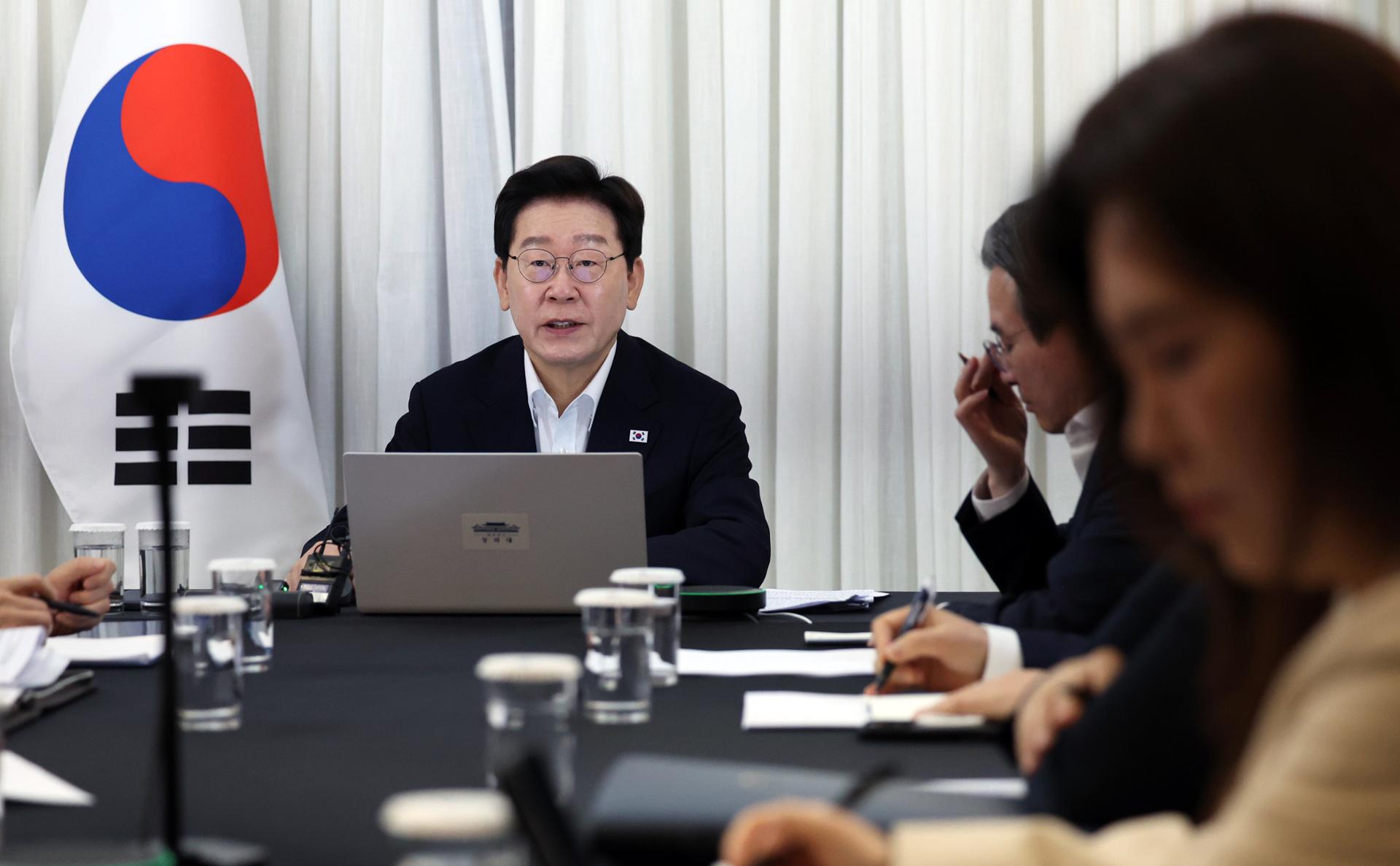
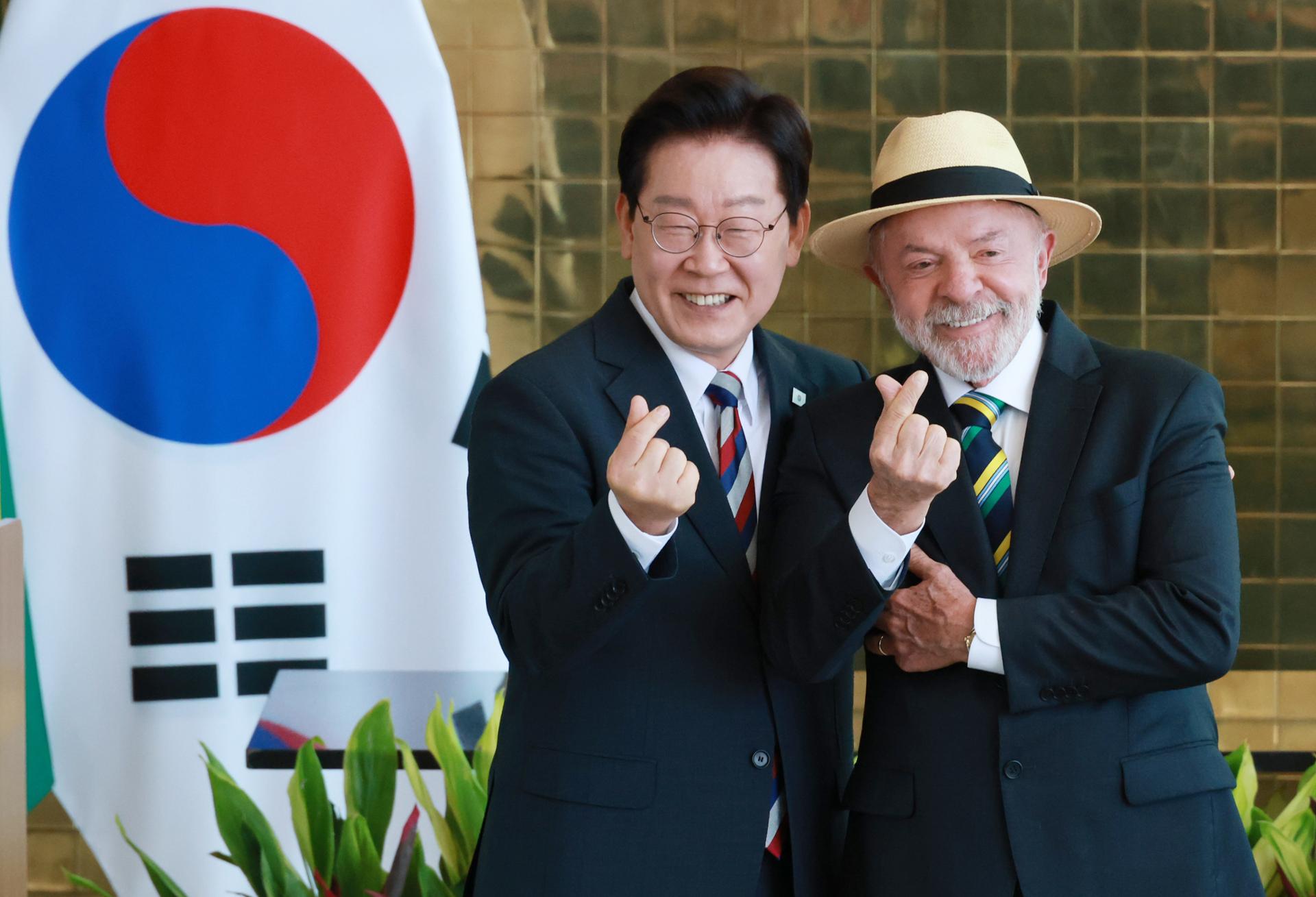
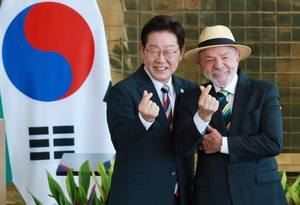
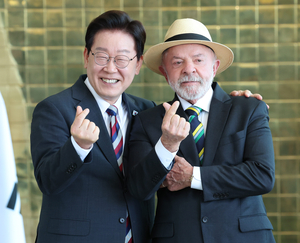
Wang Son-taek President Lee Jae Myung’s state visit to Brazil could become a turning point in relations between Korea and Brazil. Yet history offers a cautionary lesson. Despite more than six decades of diplomatic relations, the two countries have never fully translated their enormous complementary strengths into sustained strategic cooperation. Geography, limited mutual knowledge, different economic structures and competing diplomatic priorities have kept the relationship well below its potential.This time may be different. President Lee and Brazilian President Luiz Inacio Lula da Silva share an unusual personal background. Both experienced poverty and hard labor at a young age before rising to the presidency. Their life stories can create trust and empathy at the highest political level. Yet personal affinity between leaders does not automatically produce lasting cooperation between states. Political momentum must be converted into institutions, projects and networks that can survive changes of government.For that reason, Korea and Brazil need a special long-term initiative: the Korea-Brazil Cooperation for Green Prosperity, or KoBra, Project. The name combines Korea and Brazil and it represents a new philosophy of cooperation for green prosperity. Korea is one of the rare countries that transformed itself within a few generations from a poor agricultural society devastated by colonial rule and war into an advanced industrial democracy. Its strengths include advanced manufacturing, digital technology, education and industrial organization. Korea has also achieved democratic development and global cultural influence alongside economic success.Brazil possesses a different but equally valuable set of strengths. It has continental-scale territory, a population of more than 200 million, vast agricultural capacity, abundant minerals, major energy resources and one of the world’s richest ecosystems. It is also an industrial power in aviation, biofuels, mining technology, agriculture and deep-sea energy development. Brazil has overcome military dictatorship and established repeated democratic transfers of power.Brazil is more than another Global South country. It is South America’s largest economy, an influential voice among developing nations and Korea’s most promising gateway to the Atlantic region. A successful partnership with Brazil would naturally expand Korea’s diplomatic and economic engagement across South America while strengthening Brazil’s connections with Asia.The relationship should therefore not be understood simply as an exchange of Korean technology for Brazilian resources. That would reduce Brazil to a supplier of raw materials and Korea to a provider of finished technology. That conventional view overlooks the real opportunity. Korea contributes advanced manufacturing, innovation and organizational capability. Brazil contributes scale, renewable energy, strategic resources and one of the world's largest domestic markets. Their strengths are different, but precisely because they are different, they are highly complementary.The two countries also share historical experiences that can support a partnership based on equality. Korea suffered the loss of national sovereignty under Japanese colonial rule, while Brazil experienced centuries of Portuguese colonial domination and the long legacy of slavery and plantation economics. Their histories are not identical, but both societies understand the dangers of external exploitation and unequal development.However, common historical experiences alone will not produce cooperation. The countries are geographically distant. Their languages, laws, tax systems, administrative procedures and business cultures differ significantly. Their foreign policy priorities have also traditionally pointed in different directions. Korea has focused on Northeast Asia, the US alliance and increasingly the Indo-Pacific. Brazil has concentrated on South America, the United States, Europe, China, BRICS and the wider Global South.These structural differences help explain why bilateral relations have remained limited despite the establishment of diplomatic relations in 1959. The two governments have repeatedly identified promising areas of cooperation and signed numerous agreements, yet many initiatives have remained largely on paper.What is lacking is not another list of potential industries. What is lacking is an implementation mechanism. The KoBra Project should therefore follow three principles. First, it should be gradual. The two countries should avoid politically impressive but financially risky megaprojects. They should begin with joint research, carefully selected pilot programs and objective evaluation. Successful projects should be expanded; unsuccessful ones should be revised or discontinued.Second, it should be integrated. Industrial cooperation should be connected with finance, regulation, education, research and human exchange rather than being pursued separately.Third, it should be institutionalized. Cooperation should not depend entirely on the friendship of two presidents or the enthusiasm of a few officials. It requires permanent institutions capable of sustaining long-term collaboration.The KoBra Project should begin with joint research and carefully selected pilot projects in areas such as critical minerals, clean energy and smart agriculture. A permanent KoBra Council, supported by a modest joint fund, should coordinate governments, businesses, universities and local authorities. Long-term exchanges among officials, researchers, entrepreneurs and students should cultivate professionals who understand both societies. The guiding principle should be simple: Start small, evaluate rigorously and expand only what works.Korea’s diplomacy has long been dominated by the necessities of survival and security. Cooperation with Southeast Asia and India has broadened the country’s strategic horizon. A partnership with Brazil represents the next logical step: diplomacy based not merely on responding to external pressures but on deliberately creating new opportunities.Neighboring-state diplomacy has been the diplomacy of survival. The KoBra Project could become diplomacy for expanding Korea’s possibilities. Lee and Lula’s personal histories provide a rare opportunity to generate political momentum. But the real test is whether that momentum can be transformed into lasting institutions and practical achievements.The distance between Korea and Brazil will not disappear. Their differences will remain. That is precisely why a special program is necessary. Korea and Brazil do not need another declaration of friendship. They need a practical framework that transforms political goodwill into measurable results. That is why the KoBra Project is needed today.If successful, the KoBra Project would demonstrate that geography need not determine destiny. It could become a model for how an advanced industrial democracy and a leading Global South nation share green prosperity.- - -Wang Son-taekWang Son-taek is an adjunct professor at Sogang University. He is a former diplomatic correspondent at YTN and a former research associate at Yeosijae. The views expressed here are the writer’s own. — Ed.