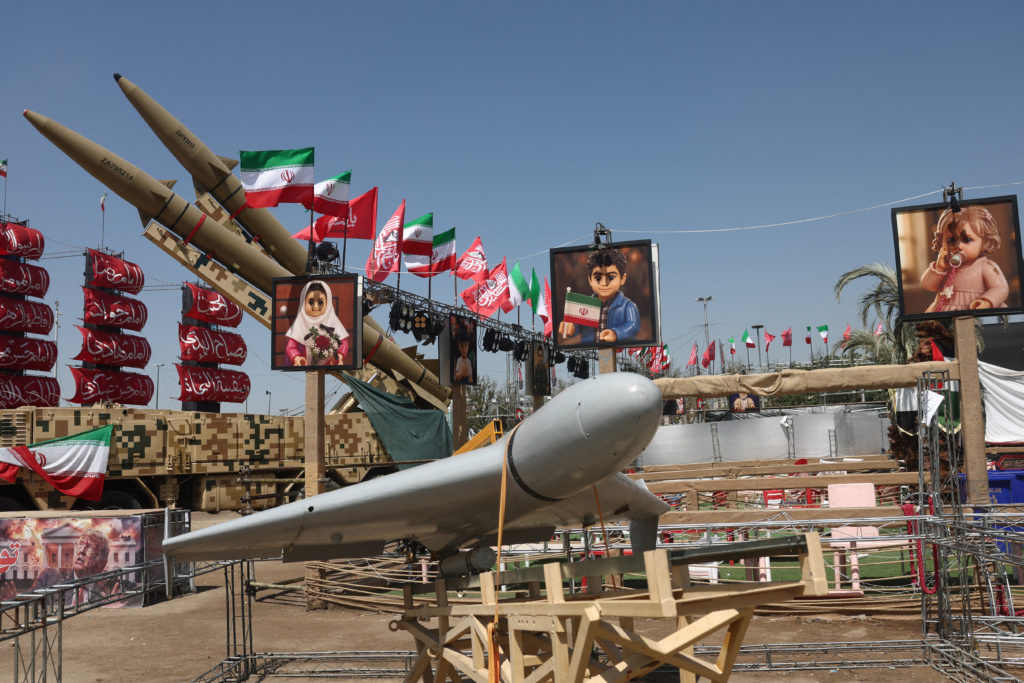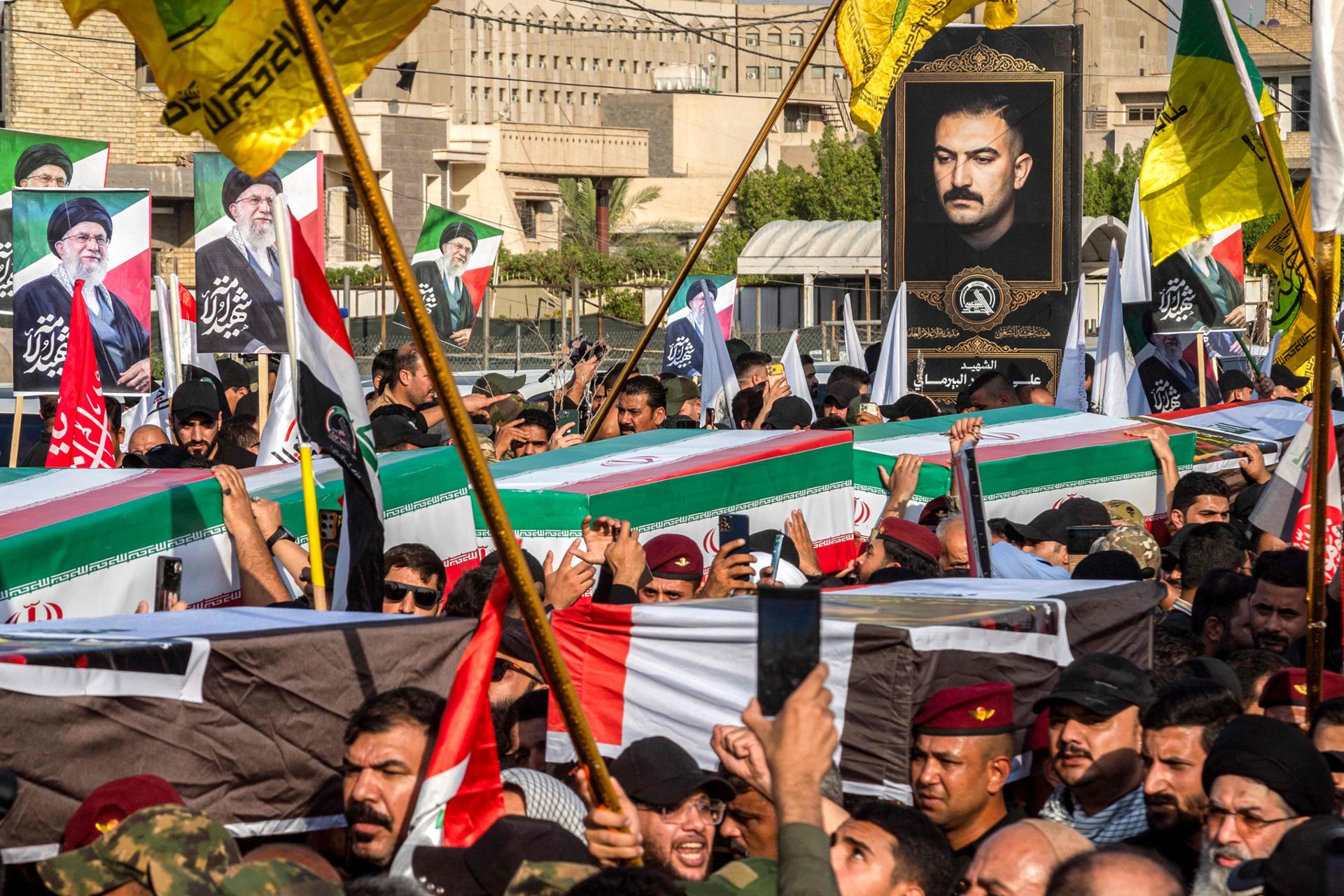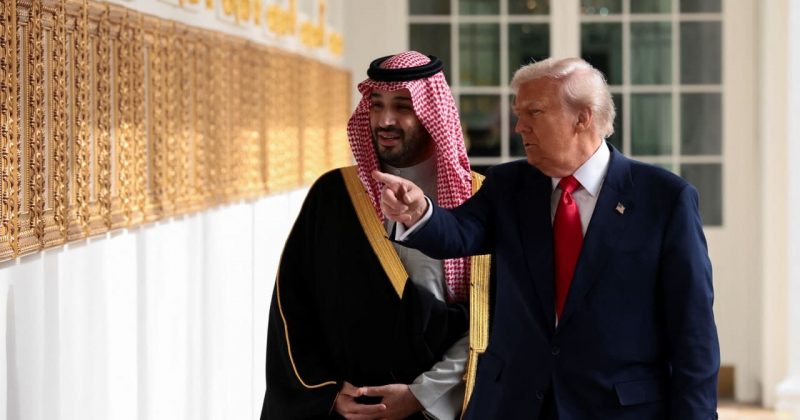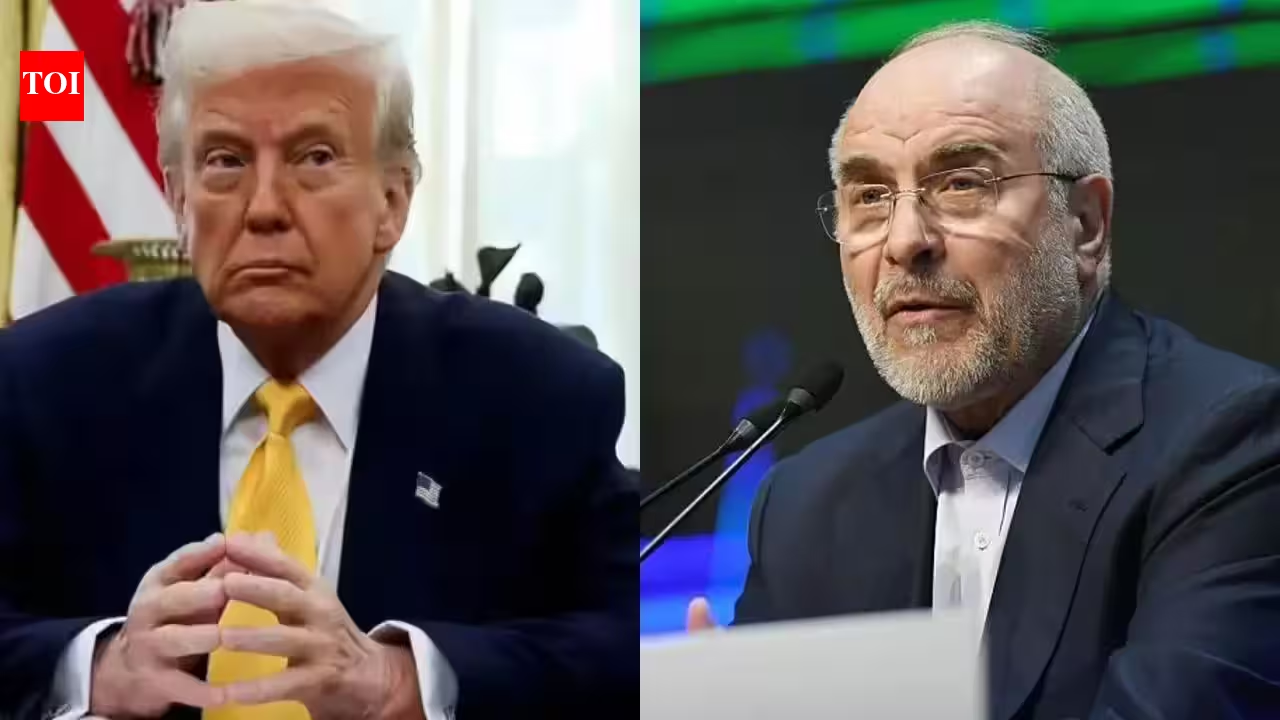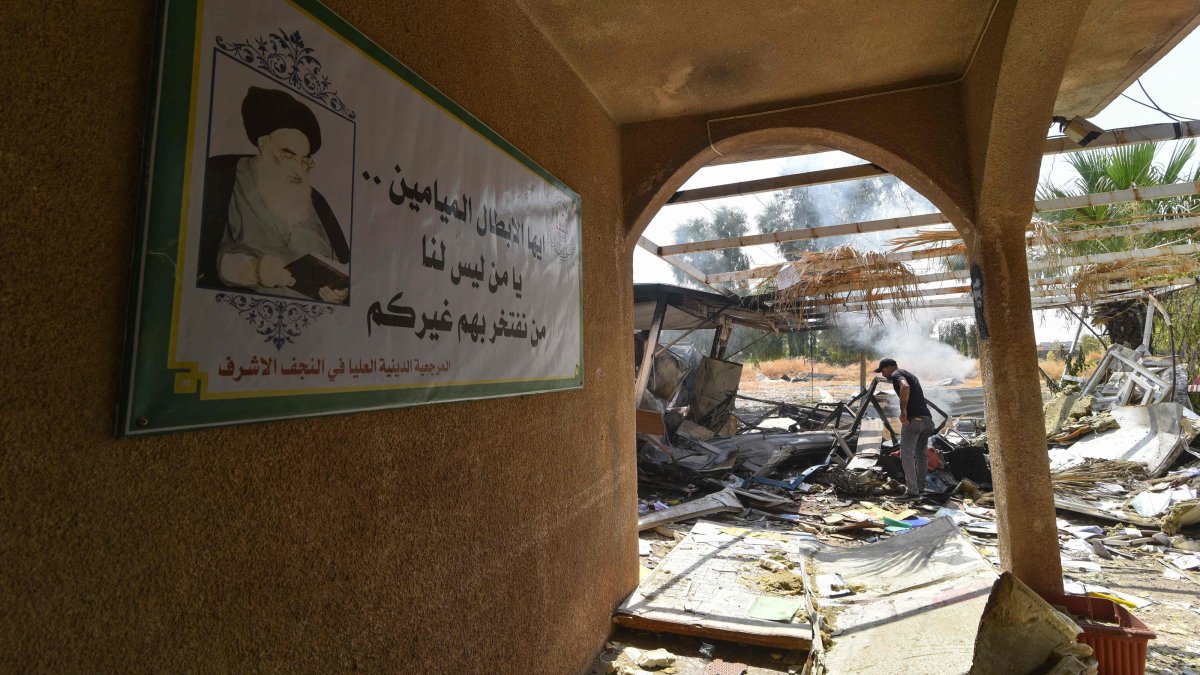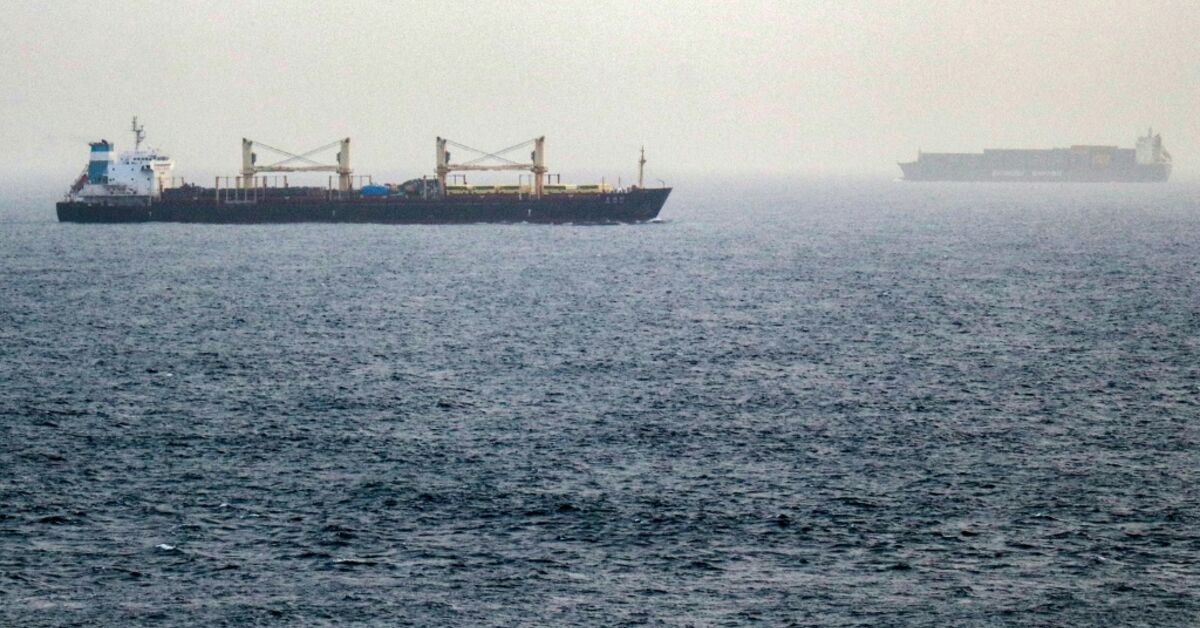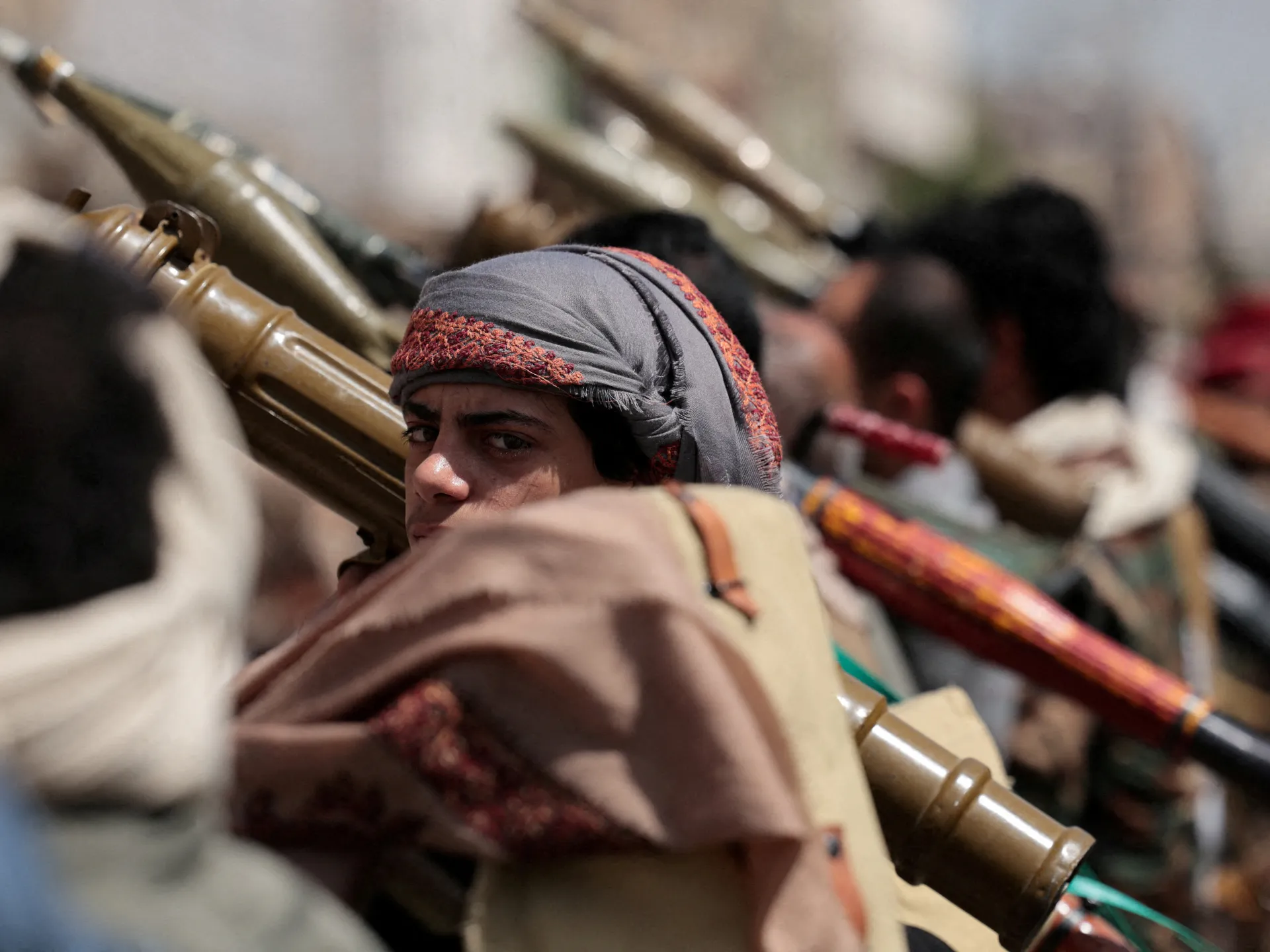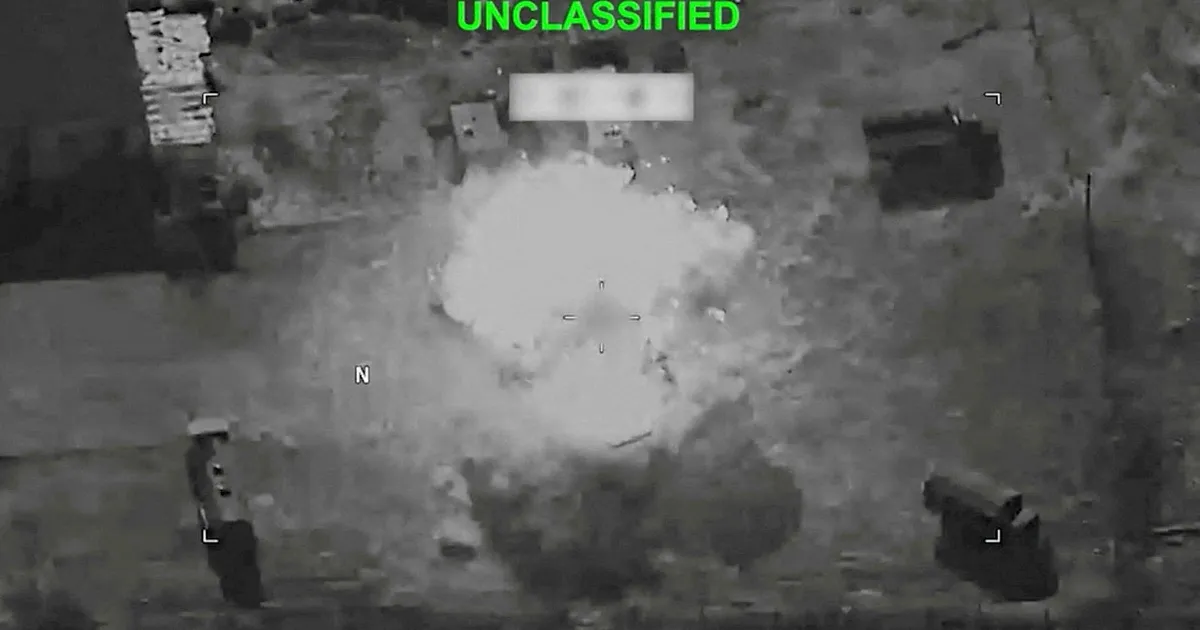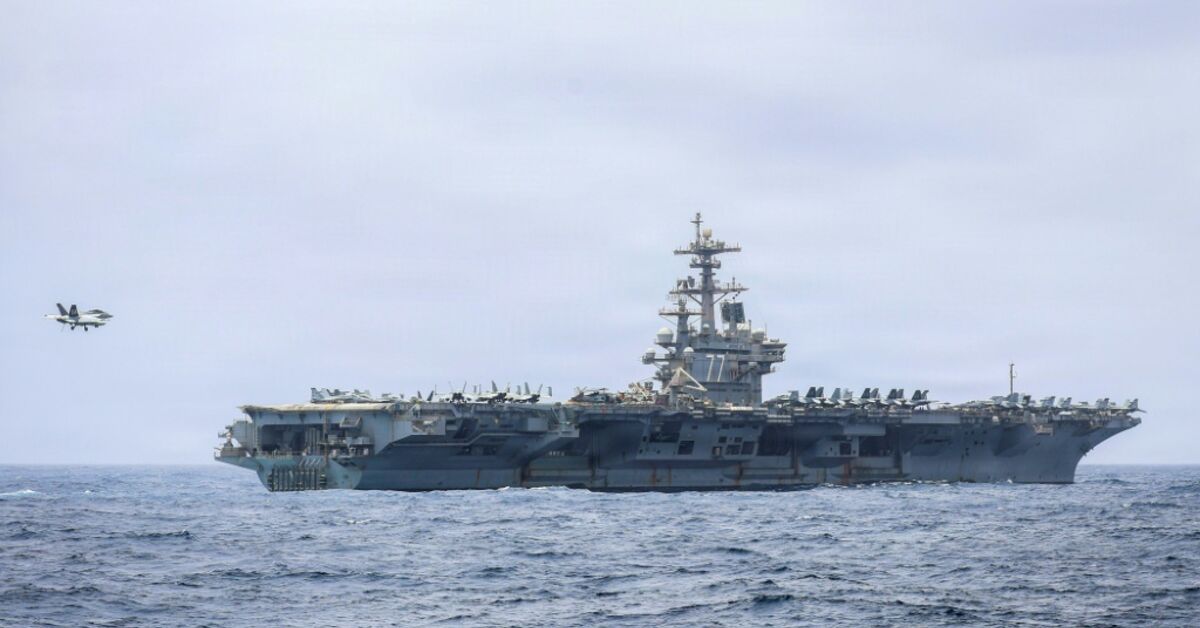
WASHINGTON (AP) — The stop-start fighting between the United States and Iran appears to have entered a new phase as Saudi Arabia publicly joins military escalations against Tehran-backed proxies. At the same time, an already untenable diplomatic effort to end the war has faltered once again as mistrust deepens between the longtime adversaries. Despite several days of relative calm, both sides carried out military strikes in the last 24 hours that once again risk a return to all-out war — and further expansion in the region — while little is clear about what strategy, if any, American or Iranian officials have for a path forward.While President Donald Trump and his allies have spent recent days arguing that Iran is begging to return to the negotiating table, Iran’s deputy foreign minister said Tuesday that his country has made no requests to restart the diplomatic track in more than two weeks.
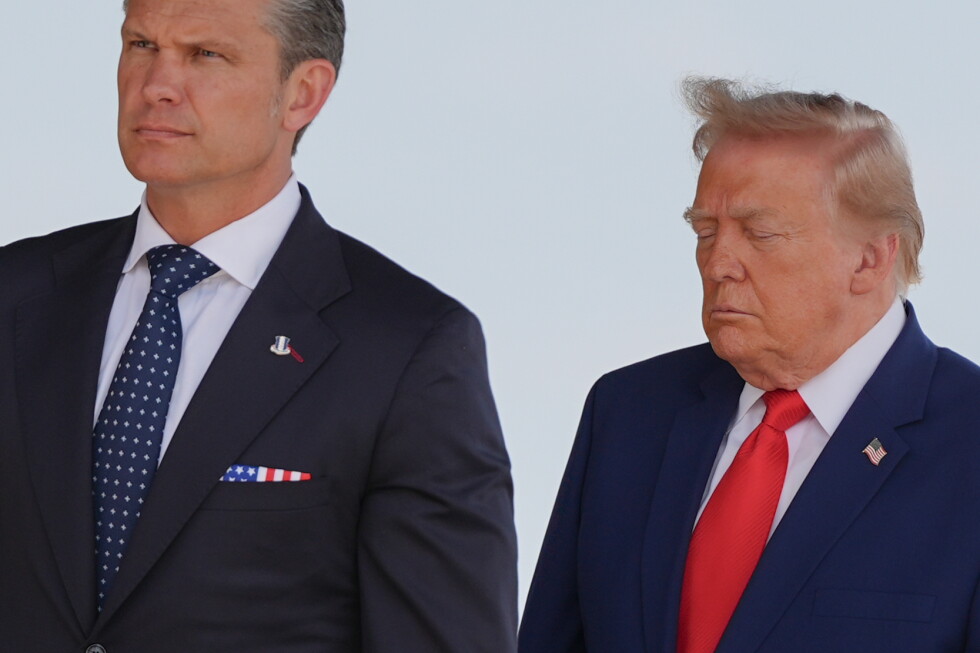
Following an attack on the U.S. base in Jordan, Trump turned back to threats Wednesday even while raising the prospect of continued talks.“They’ve already apologized, but, you know, we got to smack them a little bit,” he told reporters in the Oval Office. He added, “It’s our turn, and we’ll see if we get there with an agreement at some point. But we’re going to hit them very hard.”It reflects a deja-vu as the Republican president has vacillated for the past several months between insisting a deal was near to end the war and Tehran’s nuclear program and using vulgarities and threats to get Iran to capitulate to U.S. demands — to no avail.The stakes for continued U.S. military action have never been higher for Trump and his party as the conflict, unpopular among many Americans, has jolted the world economy just months before critical midterm elections in November. The renewed fighting also has killed and injured more American troops and been complicated by concerns that the U.S. is further drawing down stockpiles of key air defense systems needed to defend its bases and allies.