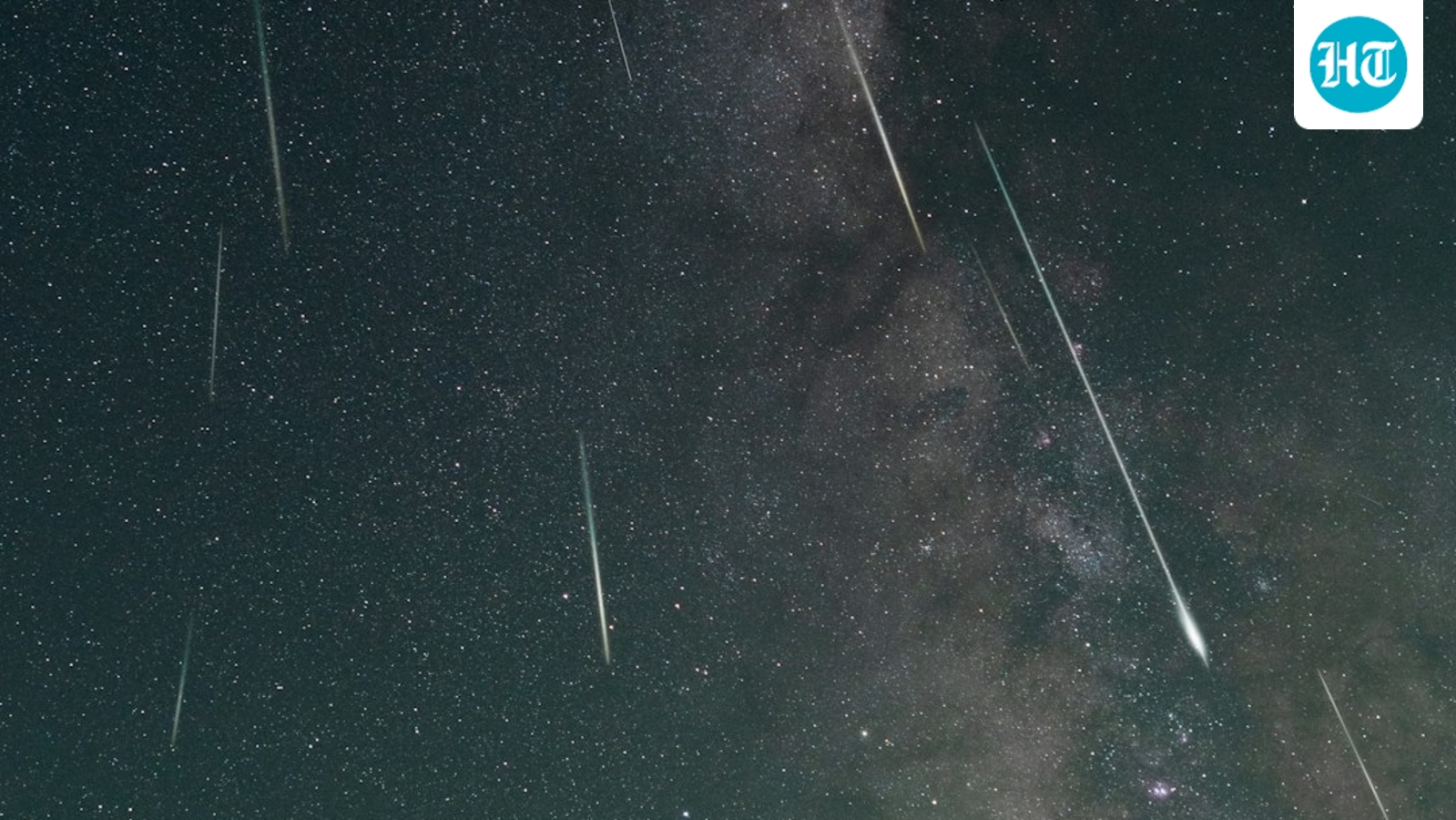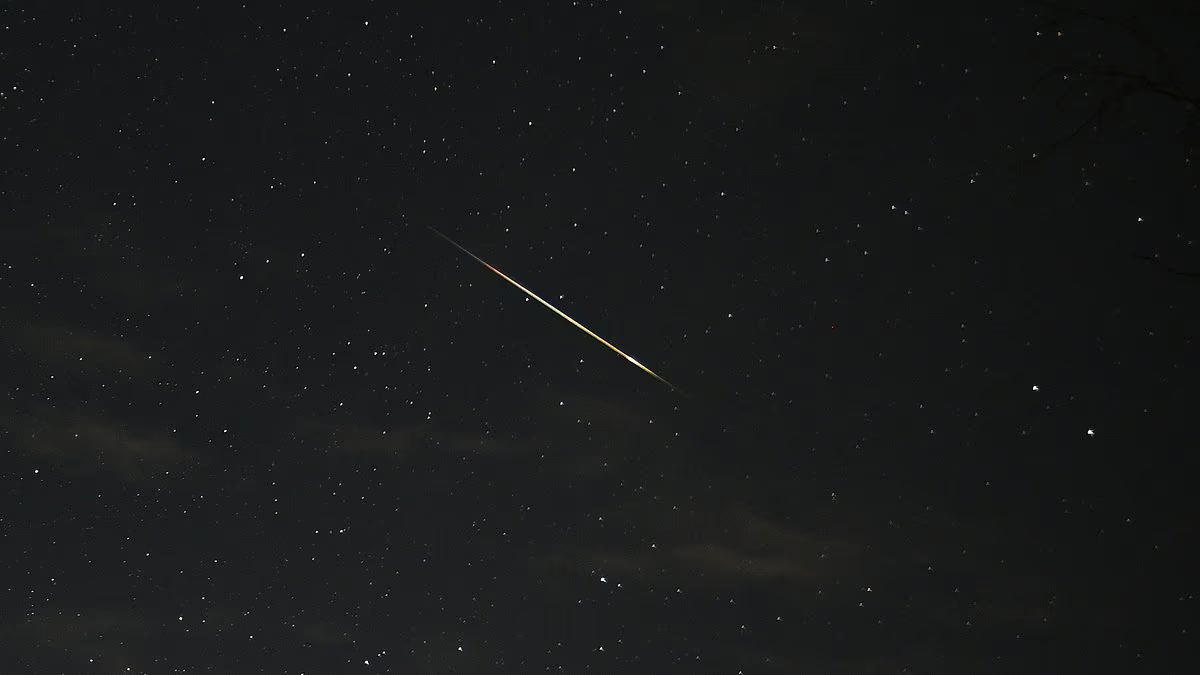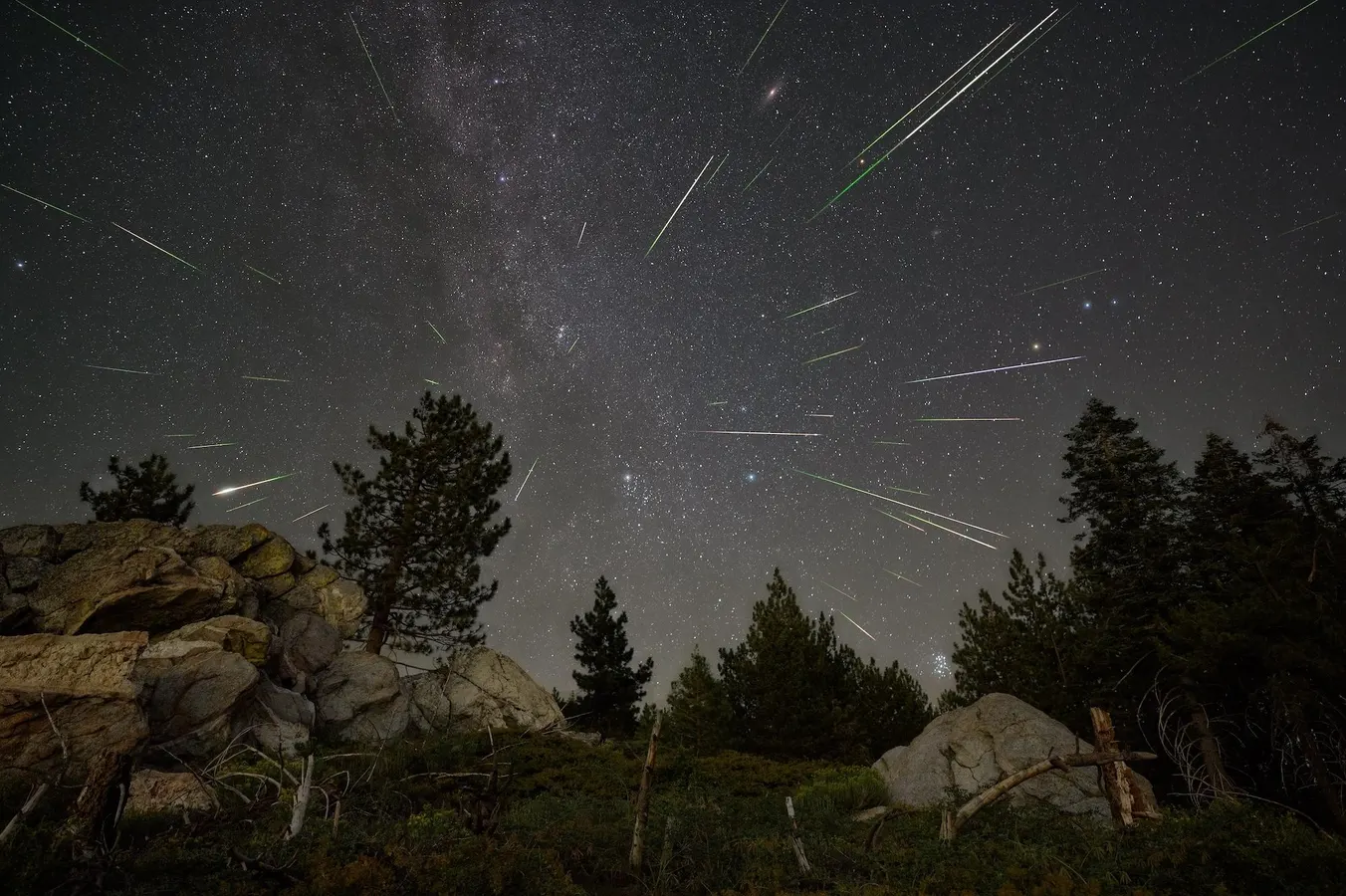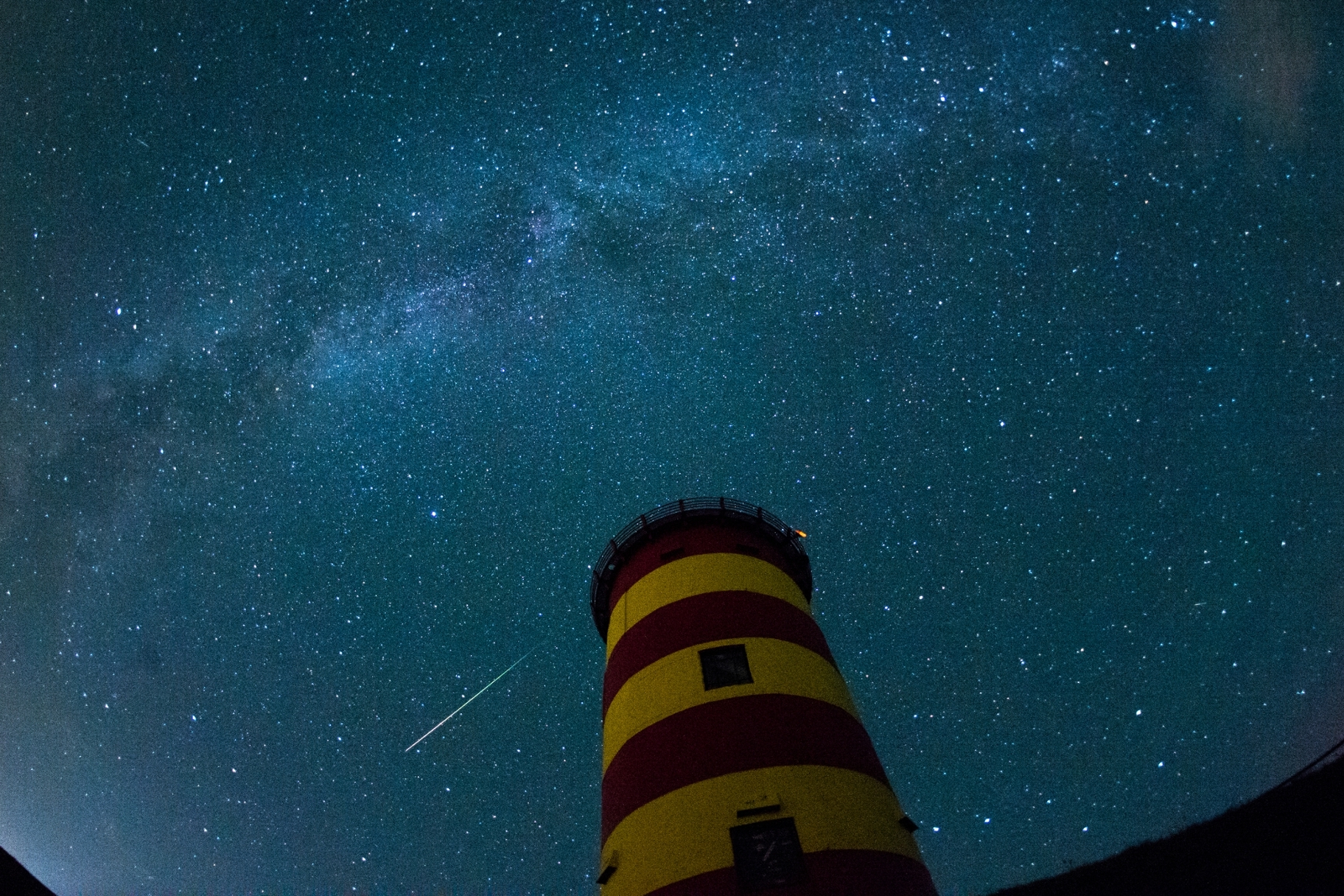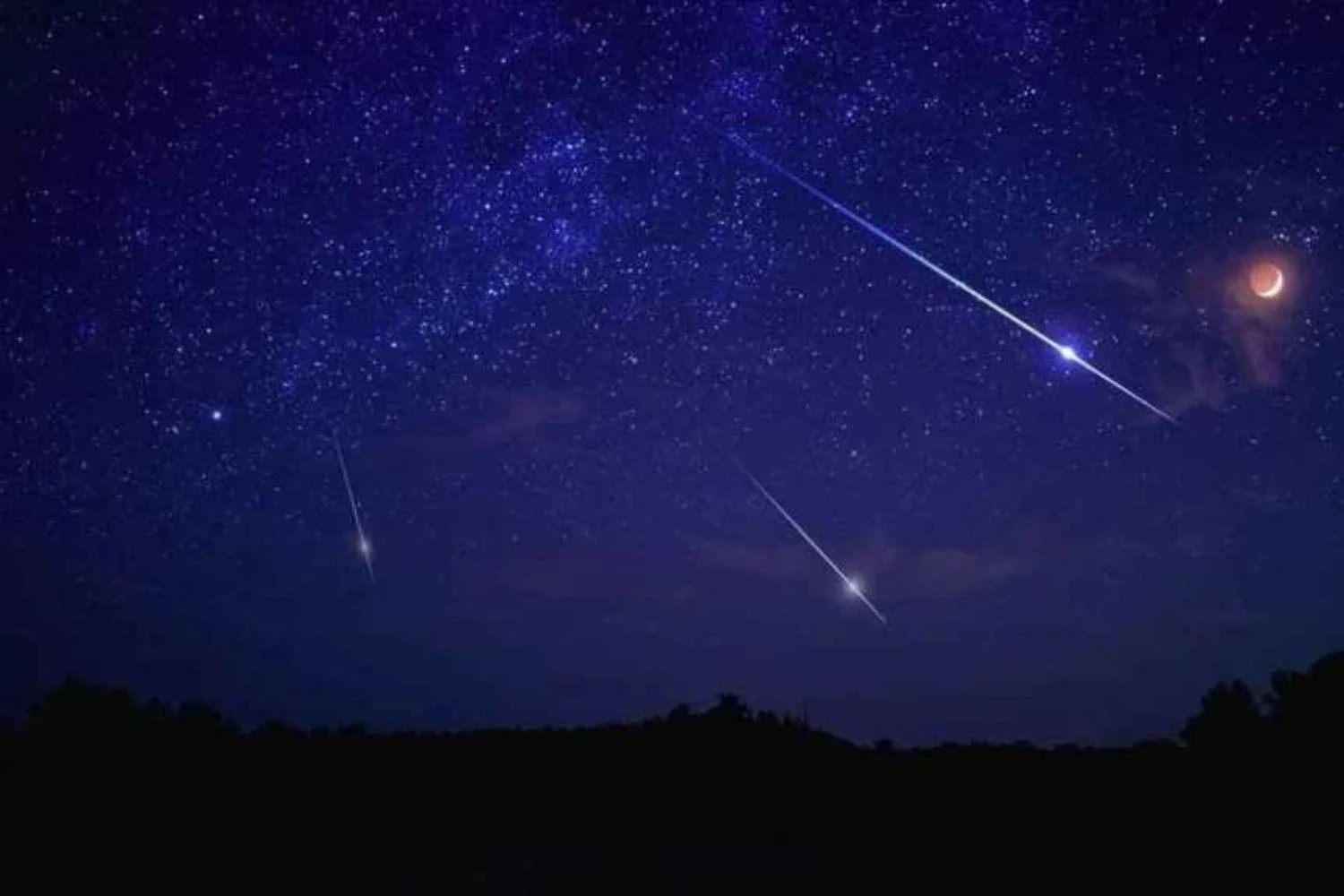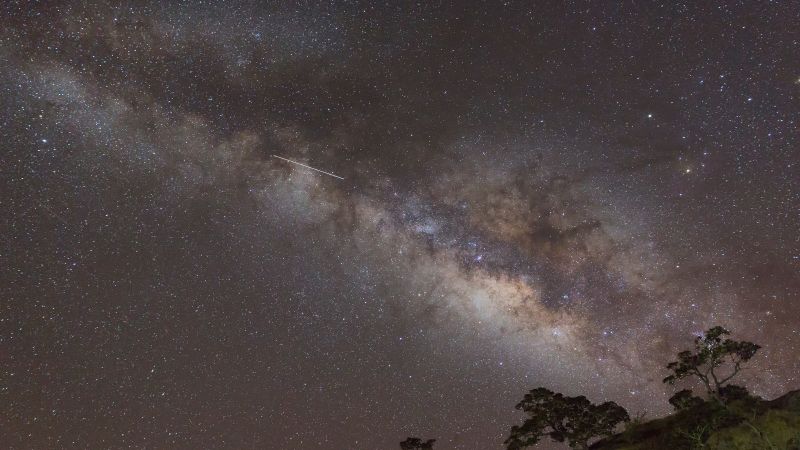
A double meteor shower peak will occur this week — but sky-gazers might have a difficult time catching a glimpse of the cosmic activity.
The Alpha Capricornids are active from early July to mid-August, and the Southern Delta Aquariids are active from mid-July to mid-August, but both are expected to reach their peaks — the point at which Earth will pass through the densest part of the shower — Thursday night into Friday, according to the American Meteor Society.
A third meteor shower, the Perseids, will also be active this week, though it won’t peak until mid-August.
However, the July full moon will peak and appear at its fullest on Wednesday, and its reflected light will hinder visibility of fainter meteors, according to Bob Lunsford, report coordinator for the American Meteor Society.
The Alpha Capricornids and the Southern Delta Aquariids occur annually, but a full moon usually limits visibility of a meteor shower peak around every three years, Lunsford said.