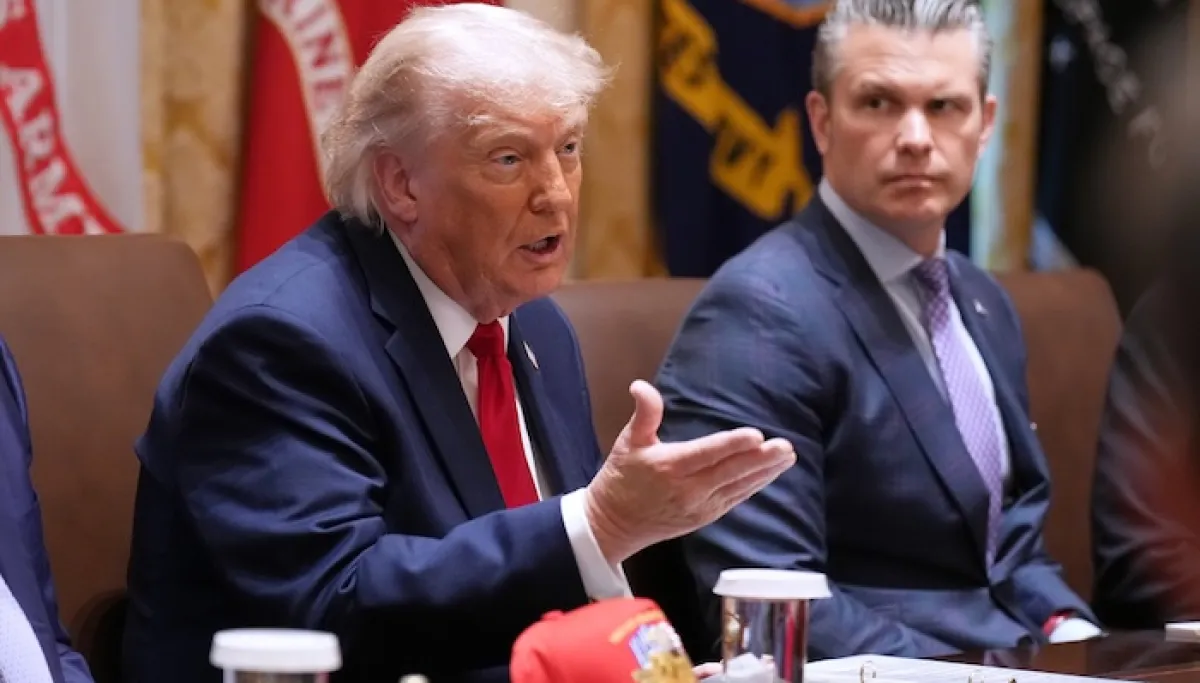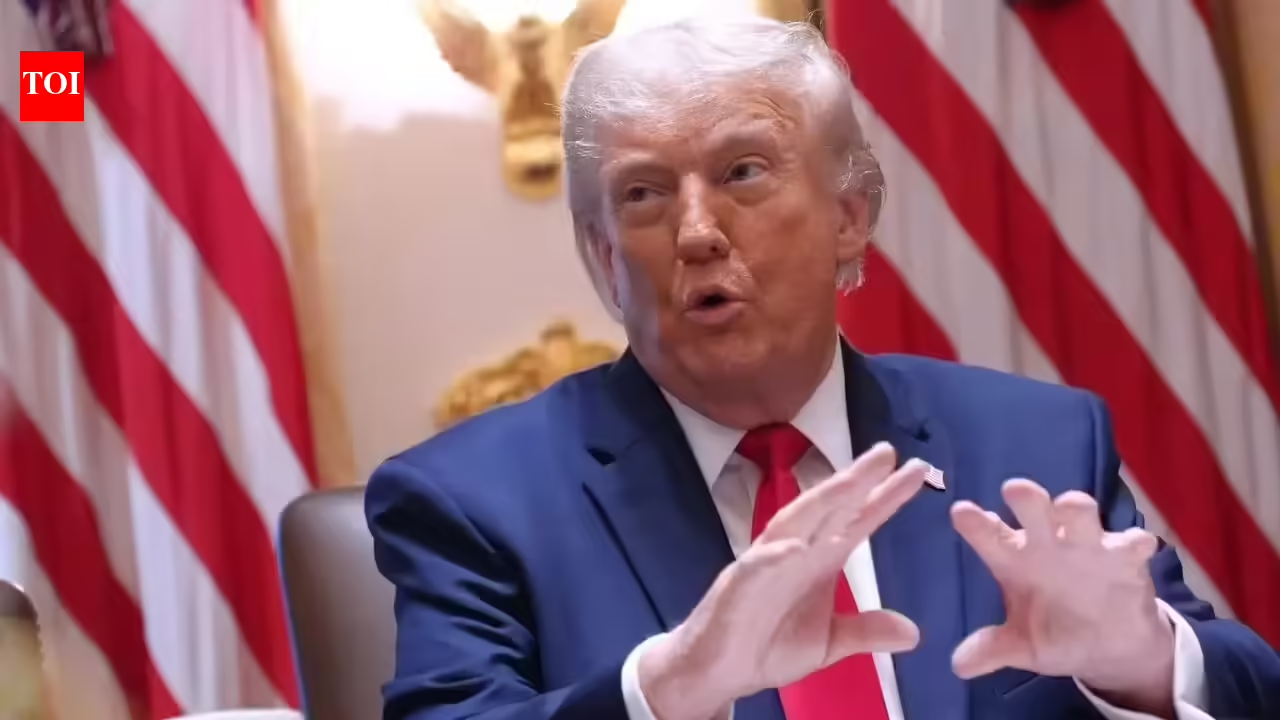
WASHINGTON—Israeli Prime Minister Netanyahu and US President Donald Trump, who met face-to-face on Tuesday for the first time since the Iran war began, have divergent views on how to proceed in the conflict. But they apparently share an assessment that Iran has not yet felt enough pain to become more flexible in its negotiations. That assumption is mistaken.
Iran’s leaders have repeatedly demonstrated their willingness to sacrifice the Iranian people and the country’s welfare to ensure the regime’s survival, making a return to major conflict—as Trump again threatened with choice words today—more likely to harden Iran’s position than to compel it to make a deal.
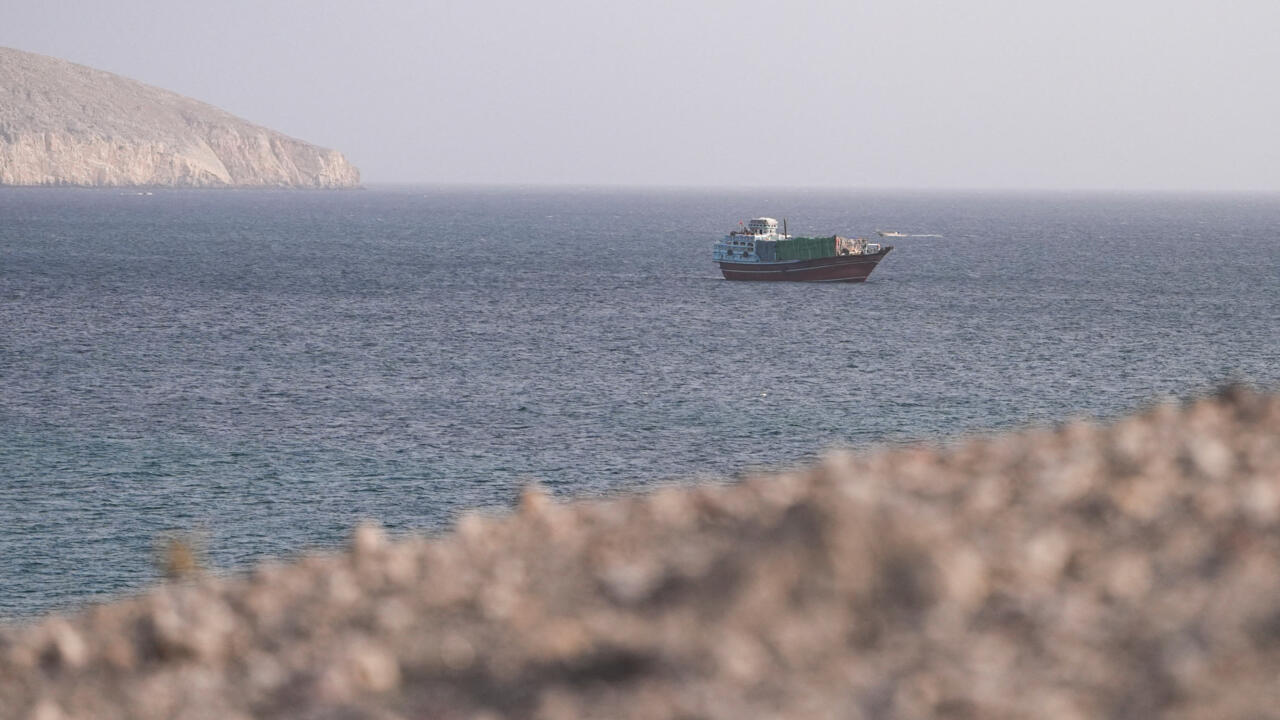
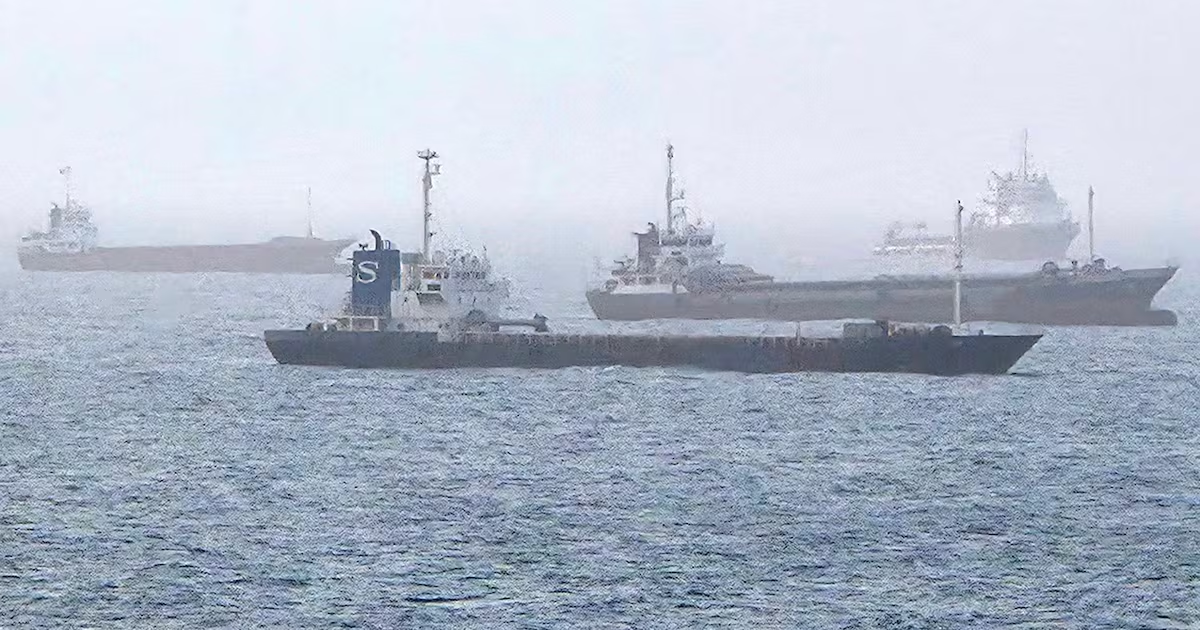
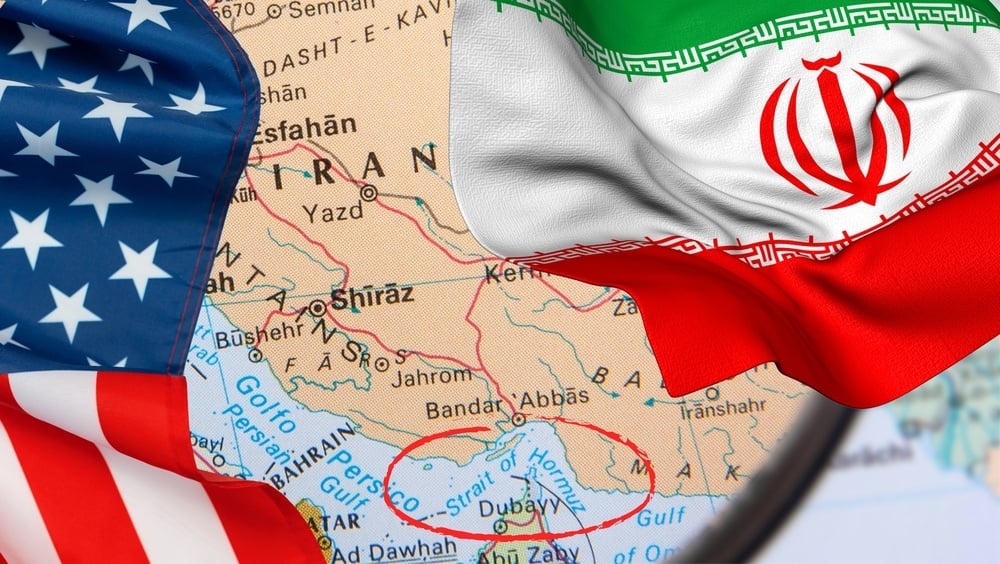
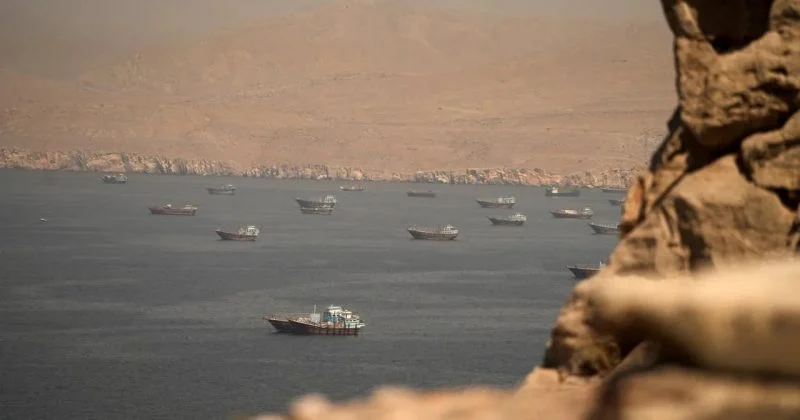
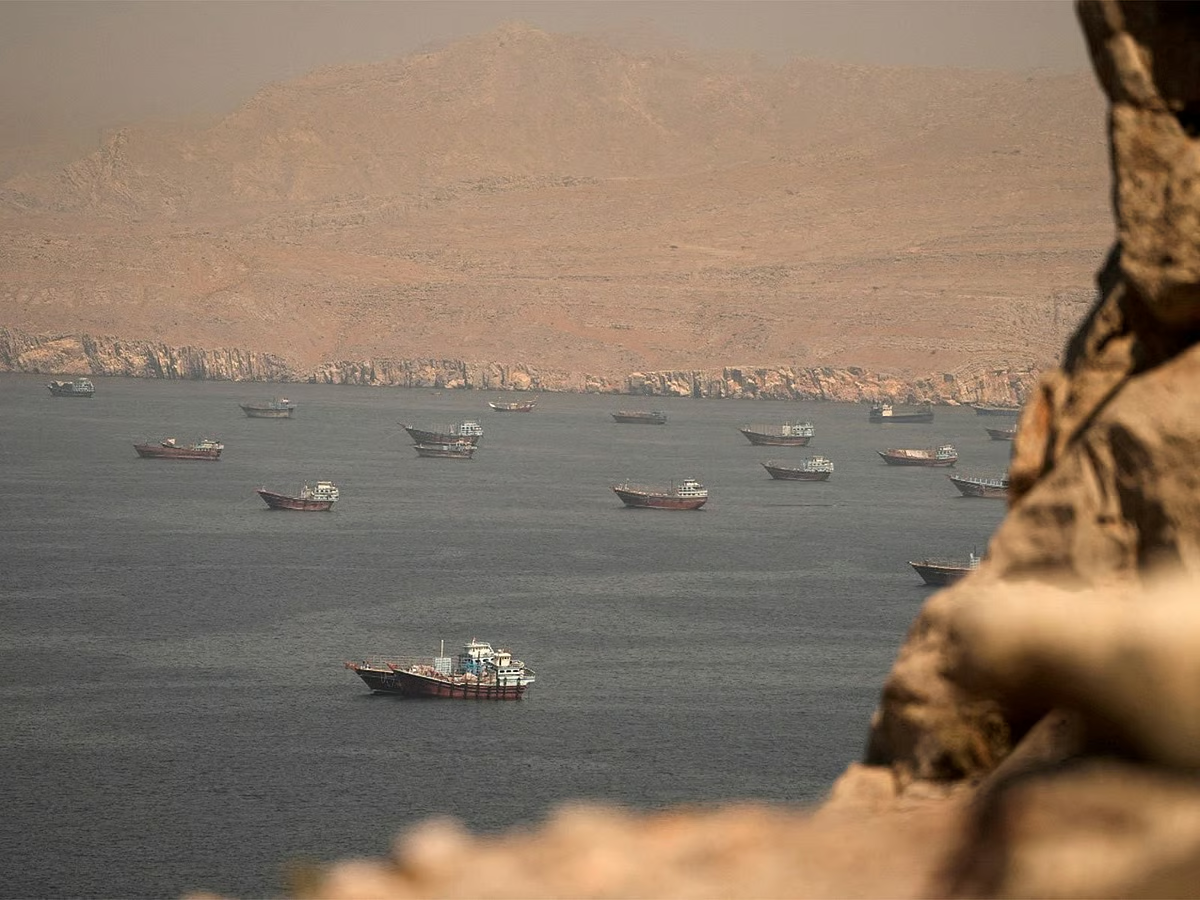
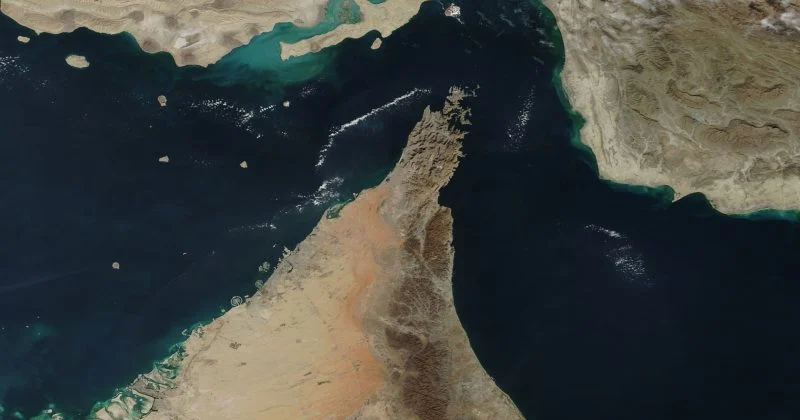
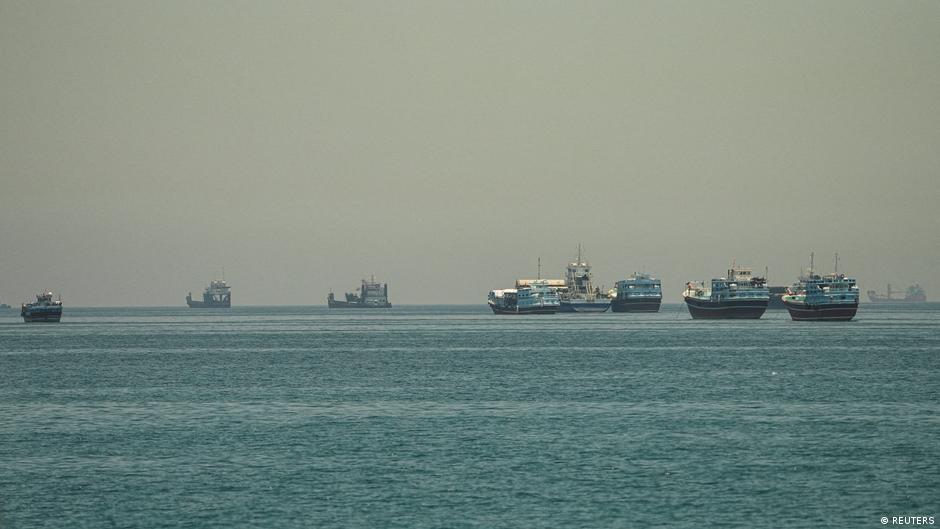
This dynamic requires a new approach to achieve an outcome that airpower cannot. Given the complete lack of trust between Washington and Tehran, the US cannot successfully lead that process. But it should do everything in its power to quietly support a process led by those in Europe, Asia, and the Gulf most impacted by the closure of the Strait of Hormuz.
Tehran’s wager
The Iranian regime’s decision-making has always been consensus-based, but the new leadership appears divided on how hard a line to take with the United States. The division is readily apparent in Iran’s inconsistent behavior just over the past ten days of back-and-forth strikes.