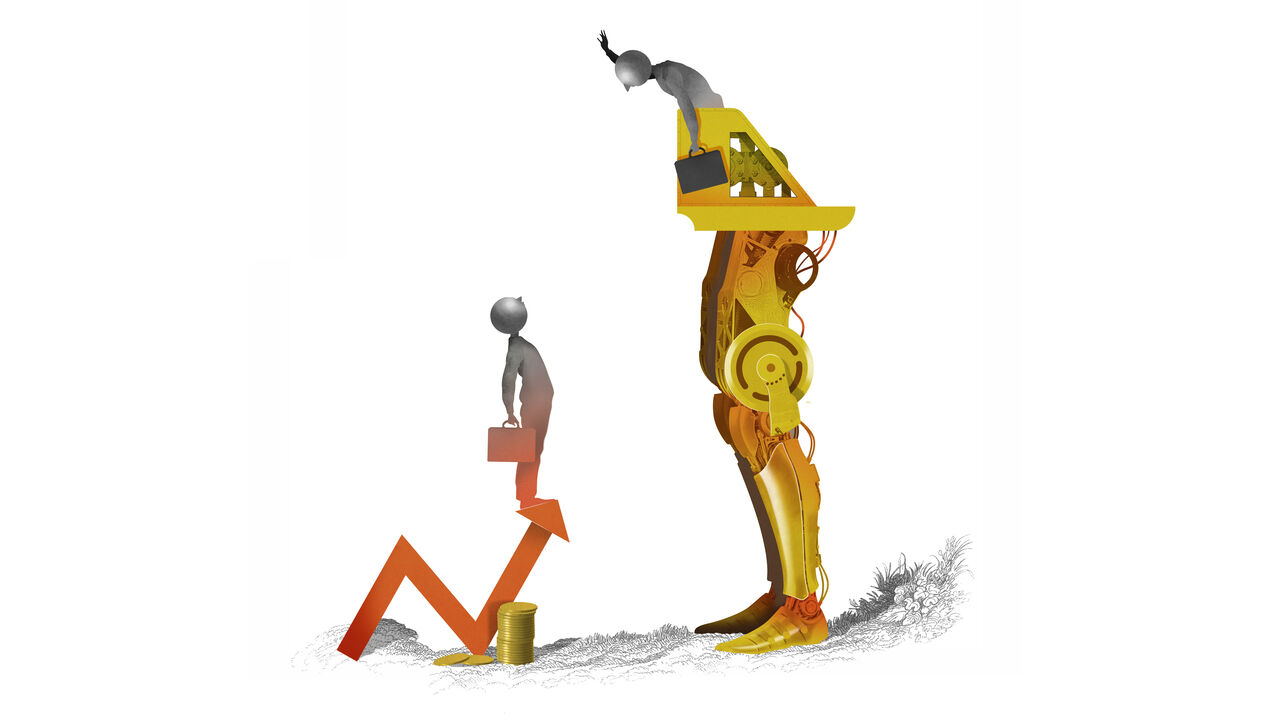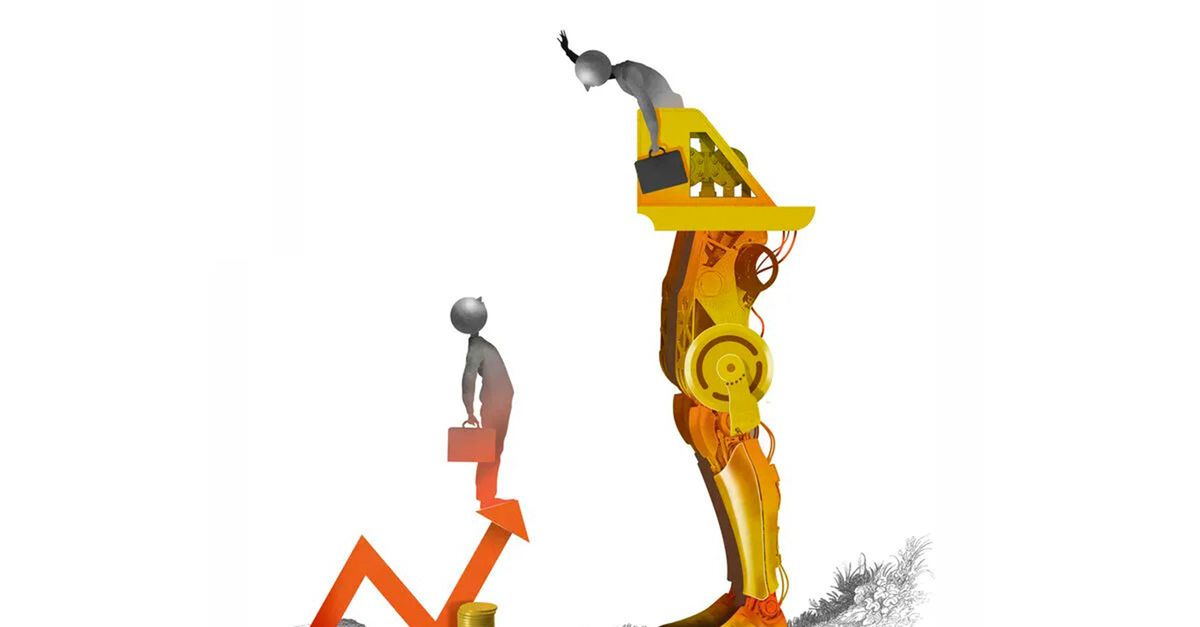
At a recent dinner party, Schumpeter got talking to a wildly successful young man who was downright miserable. He was on the very fast track at a very big hedge fund. His friends, however, were making even bigger bucks in artificial intelligence, a field which he was convinced would soon consume his own industry. Among the company he keeps, the bright lights of finance shine less brightly than they used to, causing his own star to dim. Our protagonist was experiencing one of capitalism’s most powerful forces. He was in the throes of status death.
The modern worker is status-obsessed. Even the bosses of giant companies find time to post on LinkedIn, a social network that functions as a forum for gloating. If management gurus agree on anything it is that individuals care deeply about their relative standing within their firm. When it is said that a business succeeds because of its corporate culture, what is often meant is that status is prudently distributed within its walls.
De redactie van NRC selecteert de beste artikelen uit The Economist voor een breder perspectief op internationale politiek en economie.
Yet our age is one of status death. Capitalism’s status-industrial complex has been upturned, as institutions such as universities and newspapers that once conferred prestige lose their power to do so. Complaints from those who feel status-mugged are increasingly commonplace. In a guest essay in the New York Times this week, a television writer whined about the decline of his once-glamorous occupation. „The biggest winners of the American economy fear they’re sinking fast,” announced a headline in the Washington Post.