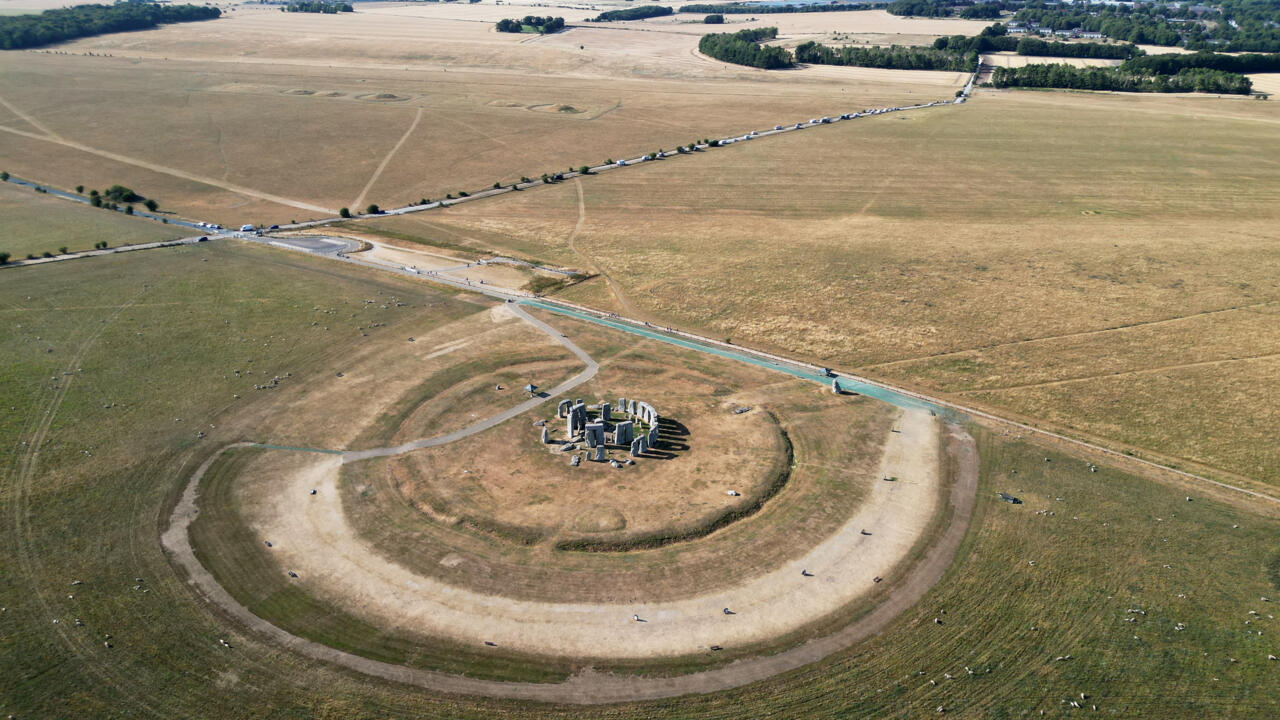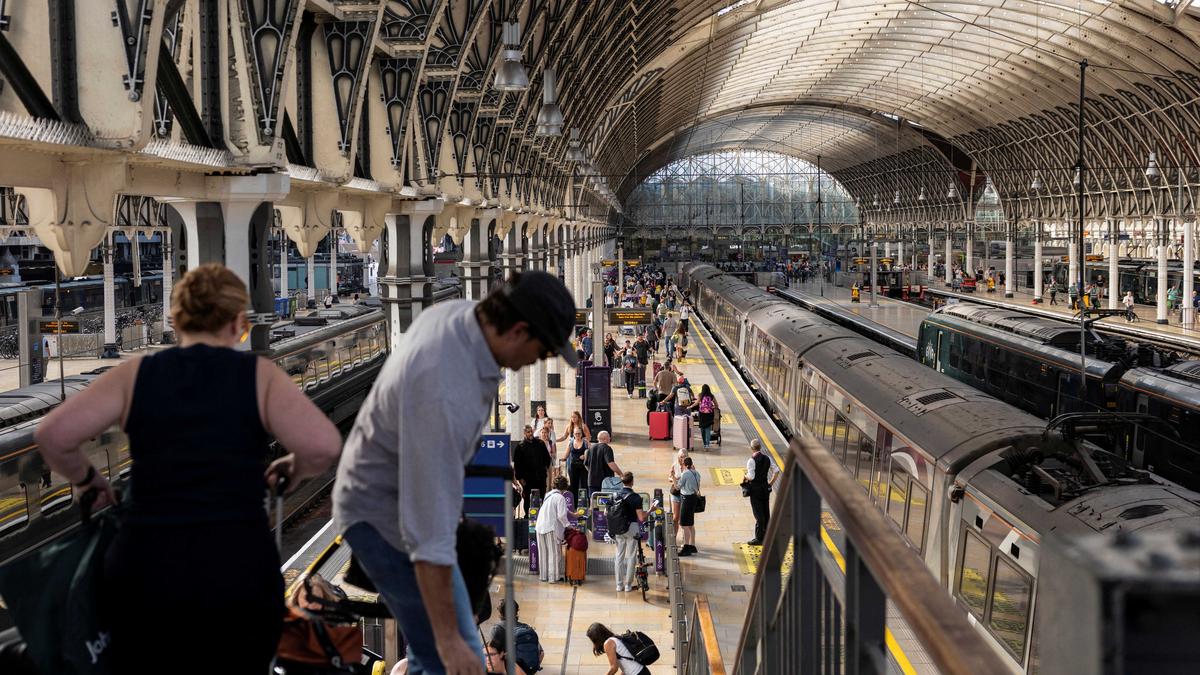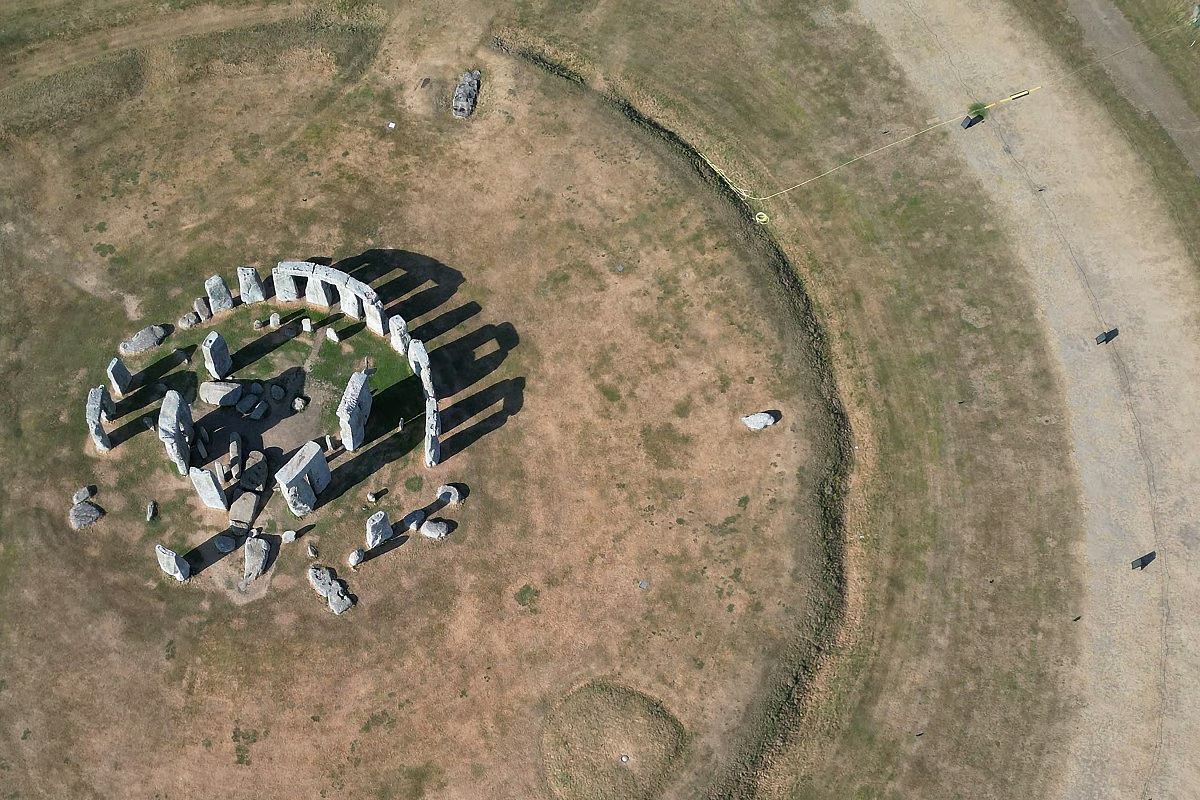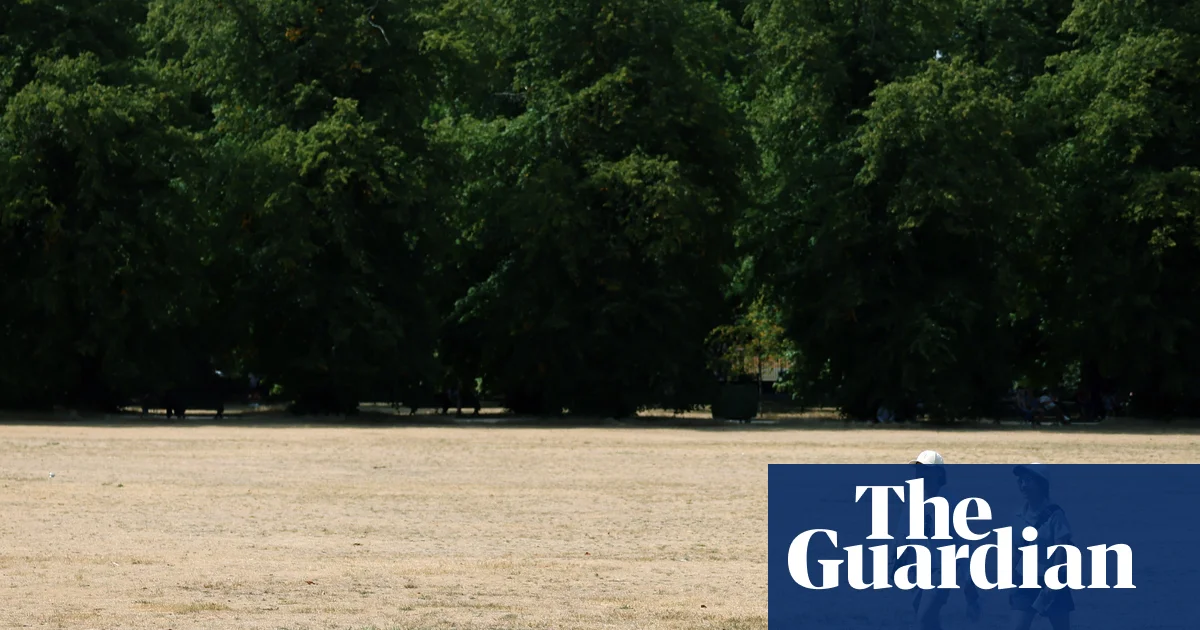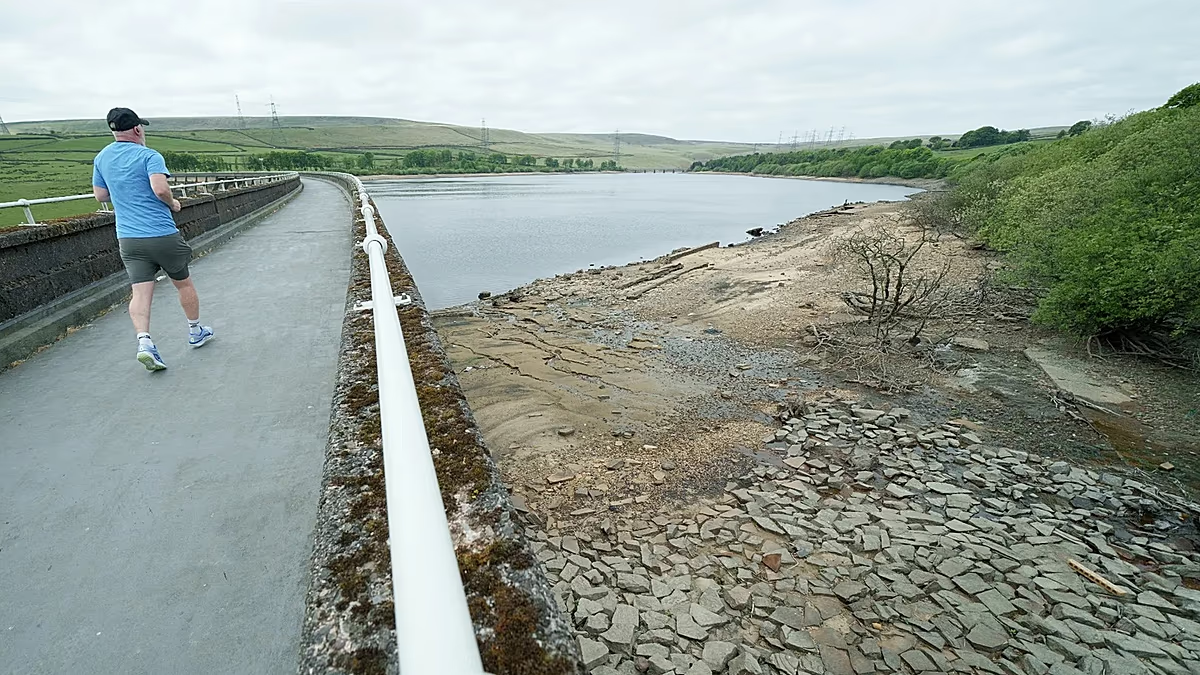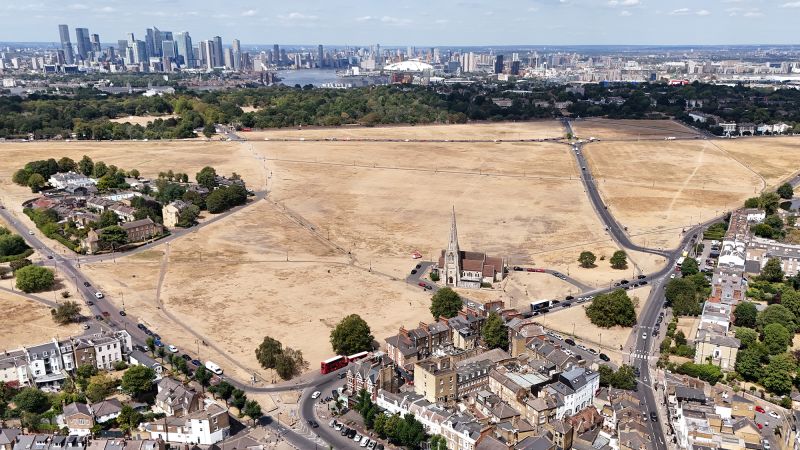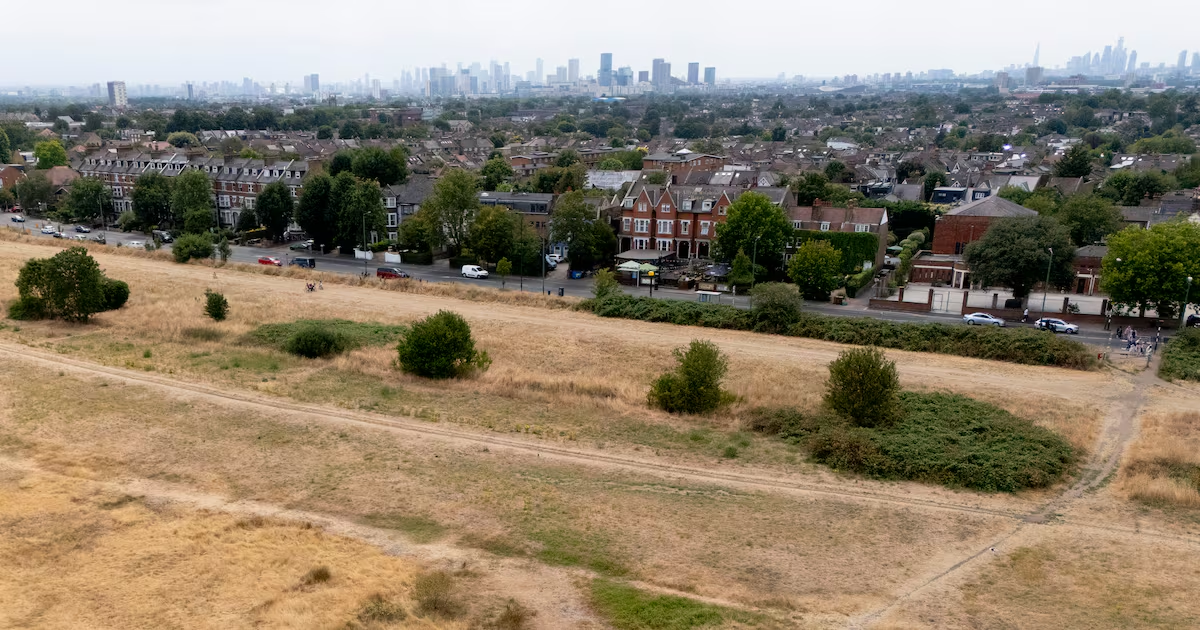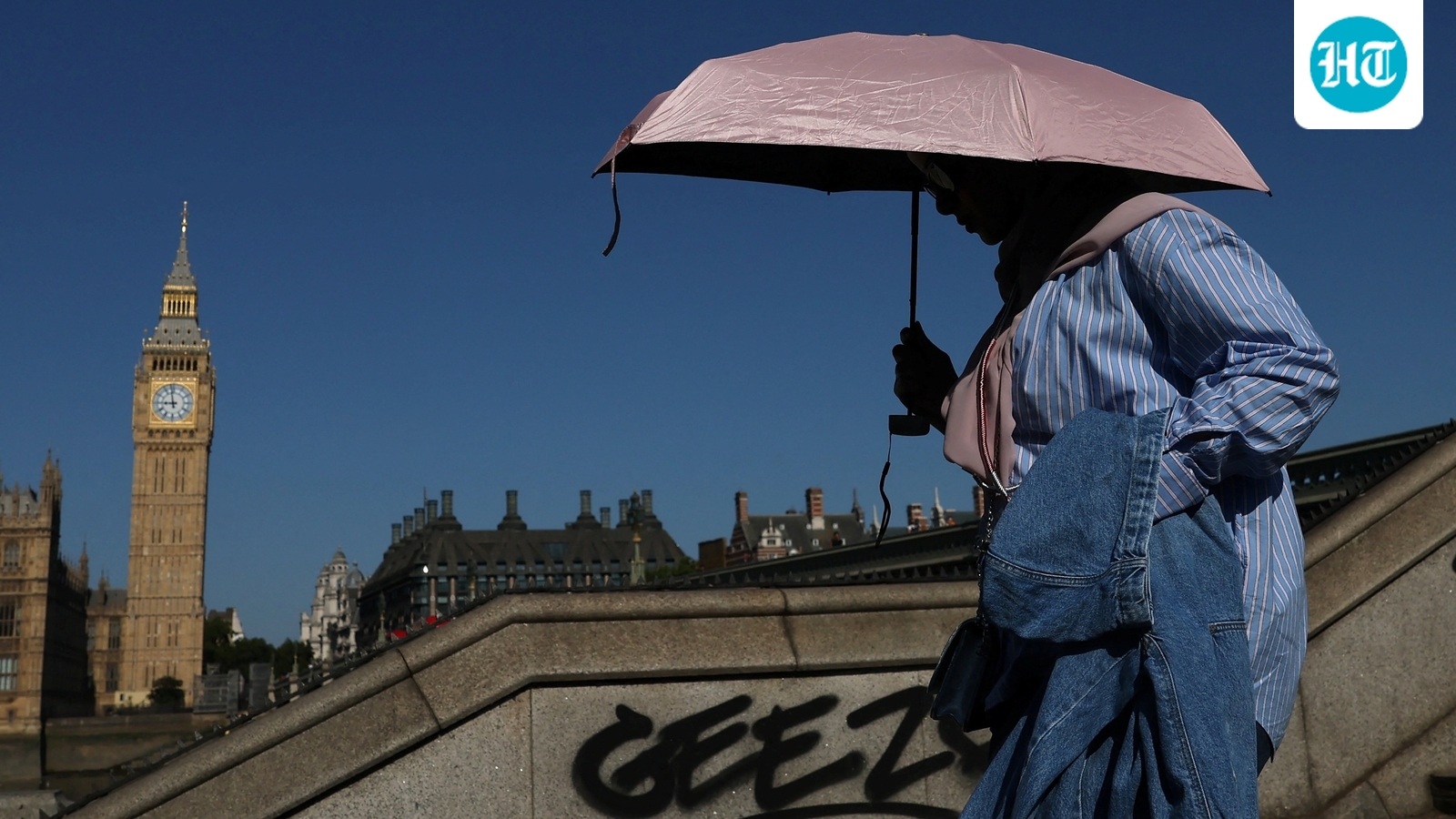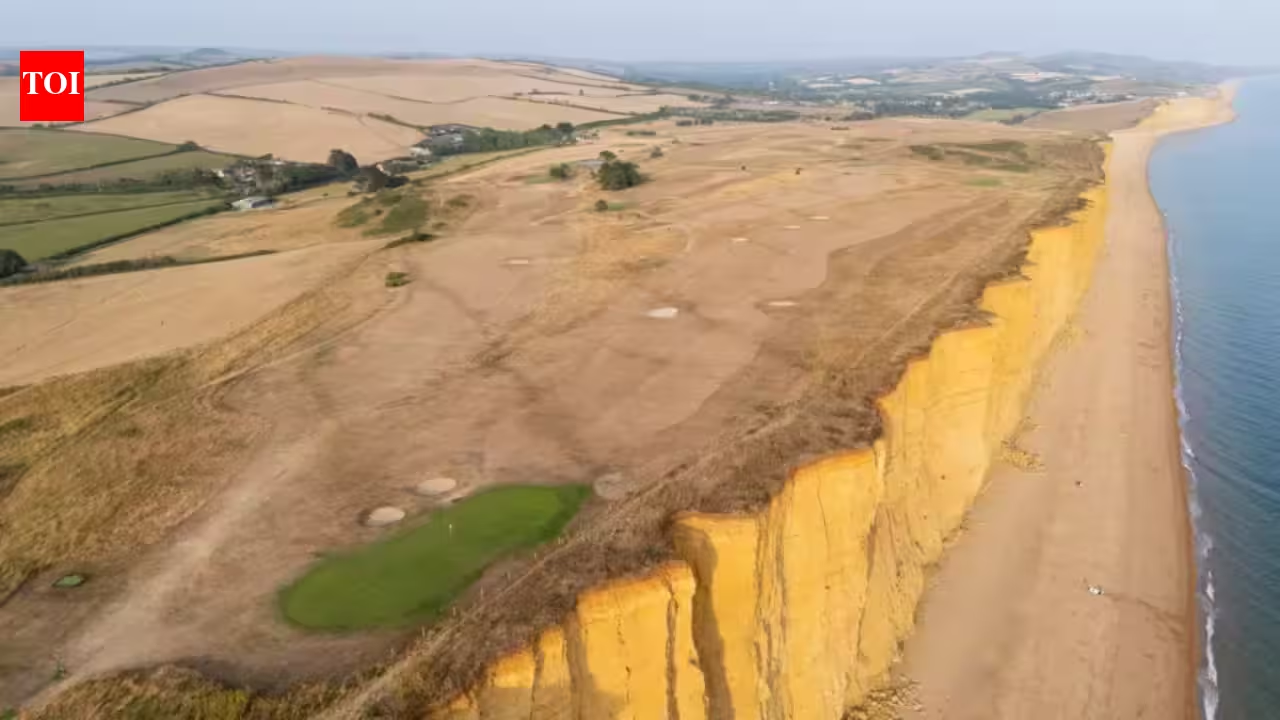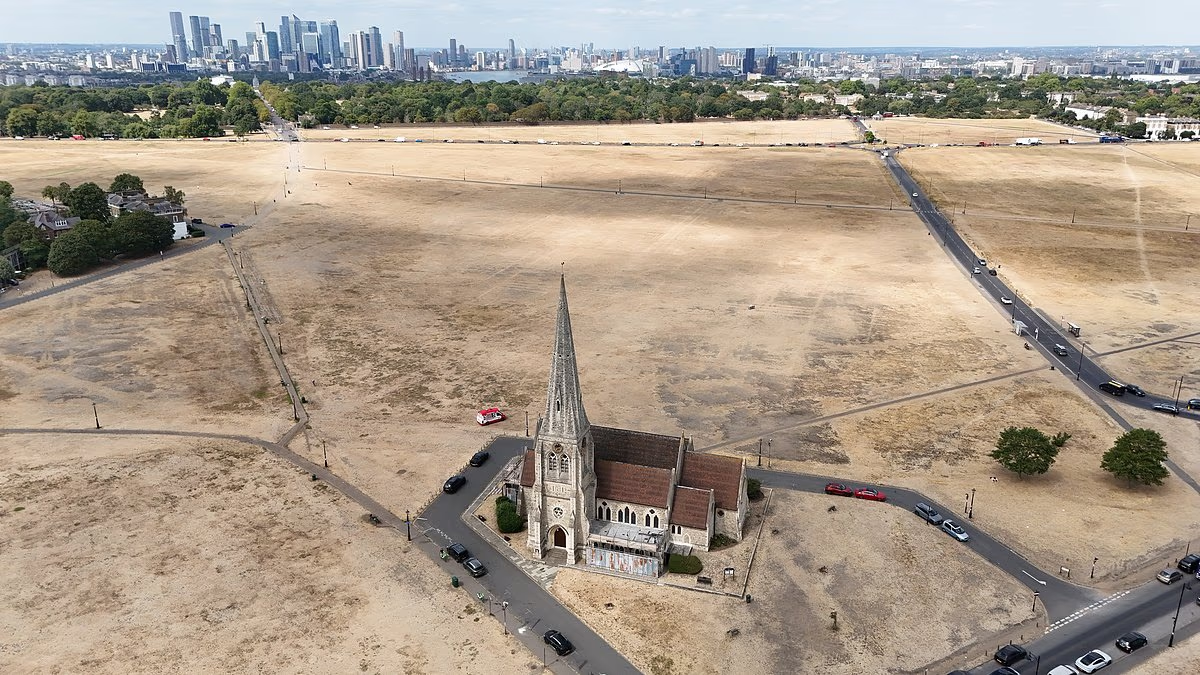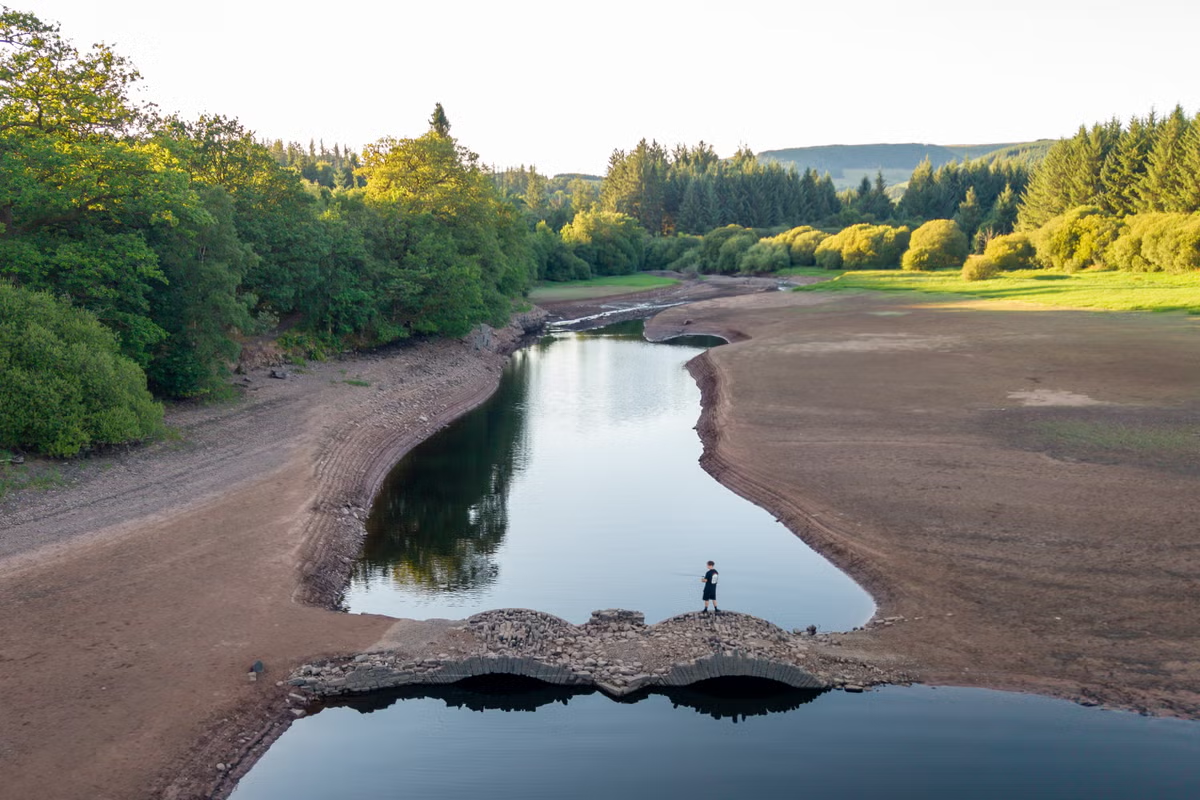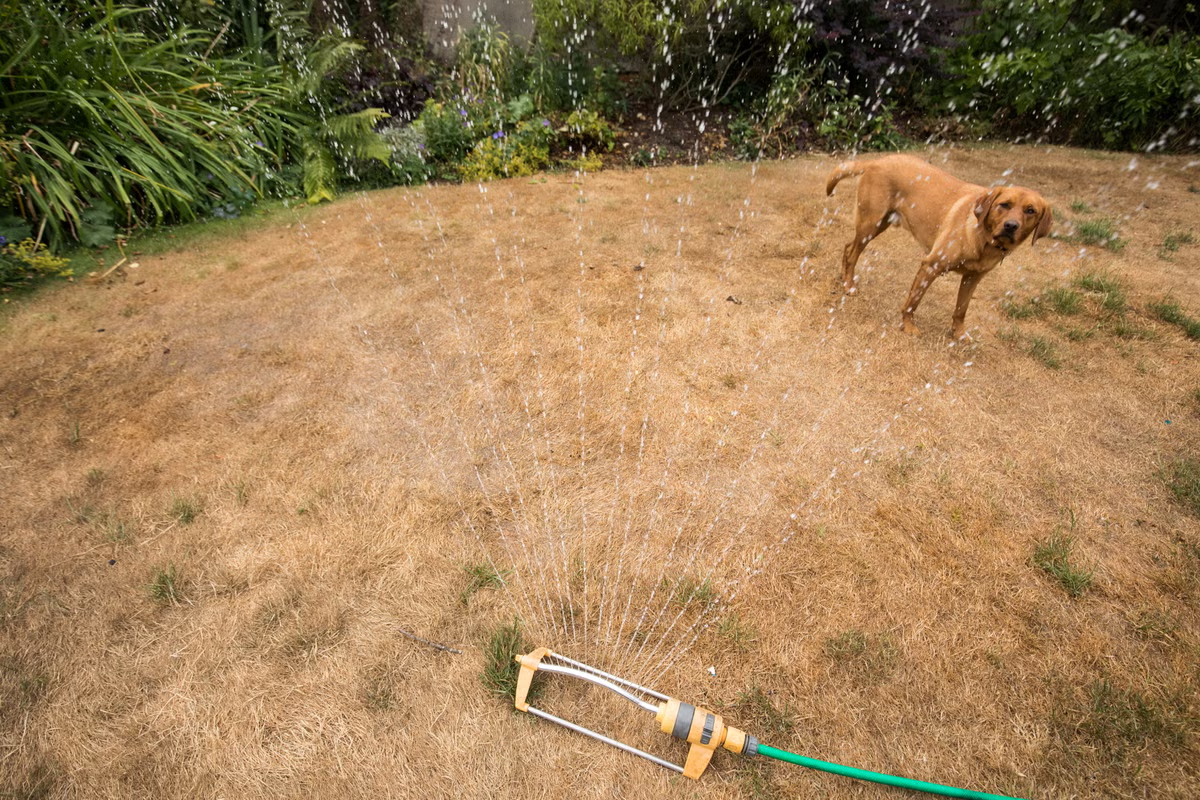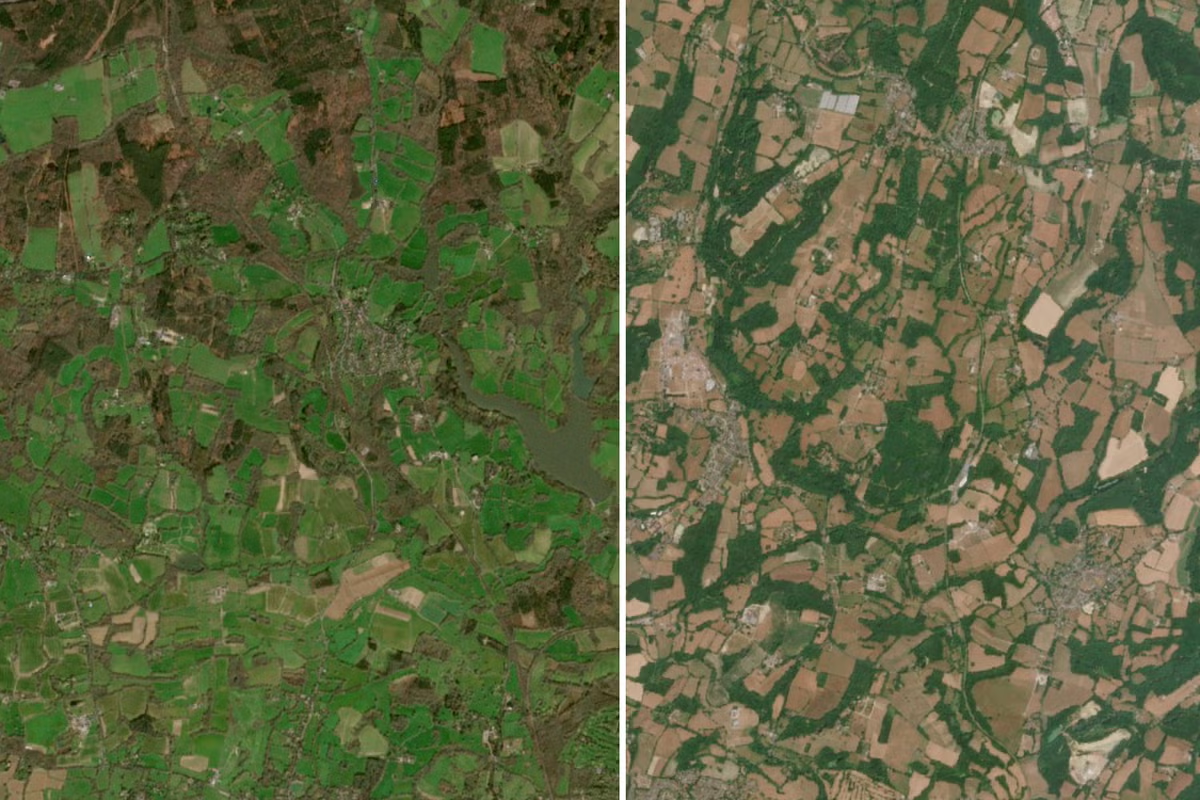
The UK is experiencing its second drought in two years as very low rainfall and high temperatures take a toll on the natural environment, water reserves, and public health.There is an official drought in seven regions across England, the Environment Agency has confirmed, affecting up to 28 million people – almost half of the country’s population.These areas are mostly located in the central, eastern and southern regions, but prolonged dry weather has also been declared across the North West and East Midlands.July is expected to be the driest on record for England according to the Environment Agency. The country is forecast to see just seven per cent of its expected rainfall this month, and just one per cent in the southern regions.Satellite images reveal the impact of the prolonged dry conditions, with severe browning visible and reservoirs showing signs of depletion:Helen Wakeham, the director of water at the Environment Agency and chair of the National Drought Group, said: “The hot and dry weather means we are currently using water faster than nature can replenish it.“A second consecutive summer drought is an exceptionally serious situation and one that will have long-lasting impacts on our environment, wildlife and the economy.The areas in drought are East Anglia, Hertfordshire and the whole of London, Thames Valley, Hampshire and the Isle of Wight, Devon and Cornwall, the West Midlands, and Wessex – covering Dorset, Somerset, Wiltshire and Gloucestershire.These conditions mark a sudden departure from the wet winter seen just a few months ago, which went some way to replenishing the reservoirs and groundwater that were affected by last year’s drought.The drought warning comes as parts of the UK experience their fourth heatwave of the year, with temperatures reaching into the 30s again in some places.It follows the record-breaking heatwaves in May, June and earlier this month. Conditions have prompted wildfires across the country, as millions are banned from using their hosepipes.A new June temperature record of 38C was recently set by the Met Office, up from the provisional figure of 37.7C.Water minister Emma Hardy said: “Our climate is changing, droughts are becoming increasingly common, and we need to be prepared for this new normal.“We’re delivering long-term change in the water industry and driving record investments in infrastructure, including nine new reservoirs.“We expect water companies to follow their drought plans, to go further and faster to reduce leaks, and to ensure supplies are not disrupted even in the driest of weather.”Experts have warned that the extreme weather is evidence of human-caused climate change, largely stemming from the burning of fossil fuels.Parts of eastern England are forecast to hit 35C again on Wednesday, marking the seventh day in 2026 when temperatures have reached this level.This already surpasses the record of five 35C days in a year, set during the heatwave of 1976.Some rain is expected later in the week, as the heat is set to reduce.But Mark Sidaway, deputy chief forecaster at the Met Office, said: “It looks as though amounts of rain for many will be fairly modest, and won’t balance out the shortfall that we have recorded this summer.“It’s still possible that some areas of the south will miss out and see little or no rainfall.”Wildfire conditions are also set to remain elevated, with fire chiefs warning people to take “simple precautions” to avoid starting fires, such as avoiding disposable barbecues and disposing of cigarettes safely.
Satellite pictures reveal huge impact of ‘exceptional’ UK drought and heatwaves
Nearly half of England is experiencing an official drought as heat takes its toll
561 words~3 min read