The moments that trap or free capital are increasingly shaped by AI and agents. Context and control are how finance stays ahead of them.
by Caitlin Gordon
Ask a manufacturing CFO where this year's margin is landing and you will always get a hard-won answer, born from the discipline and rigor they bring to the business. And then a list: the cash locked in inventory that hasn't moved, the invoice a customer still hasn't paid long after the product shipped, the equipment on the floor that isn't earning back what it cost. Any one of those is the product of multiple systems, and each is increasingly shaped, and made faster and more complex, by automation and agents. The mission of finance is to understand the relationships among all of those variables, and more, to see how they move the margin, and the capital behind it, and to steer the organization continuously in the right direction.
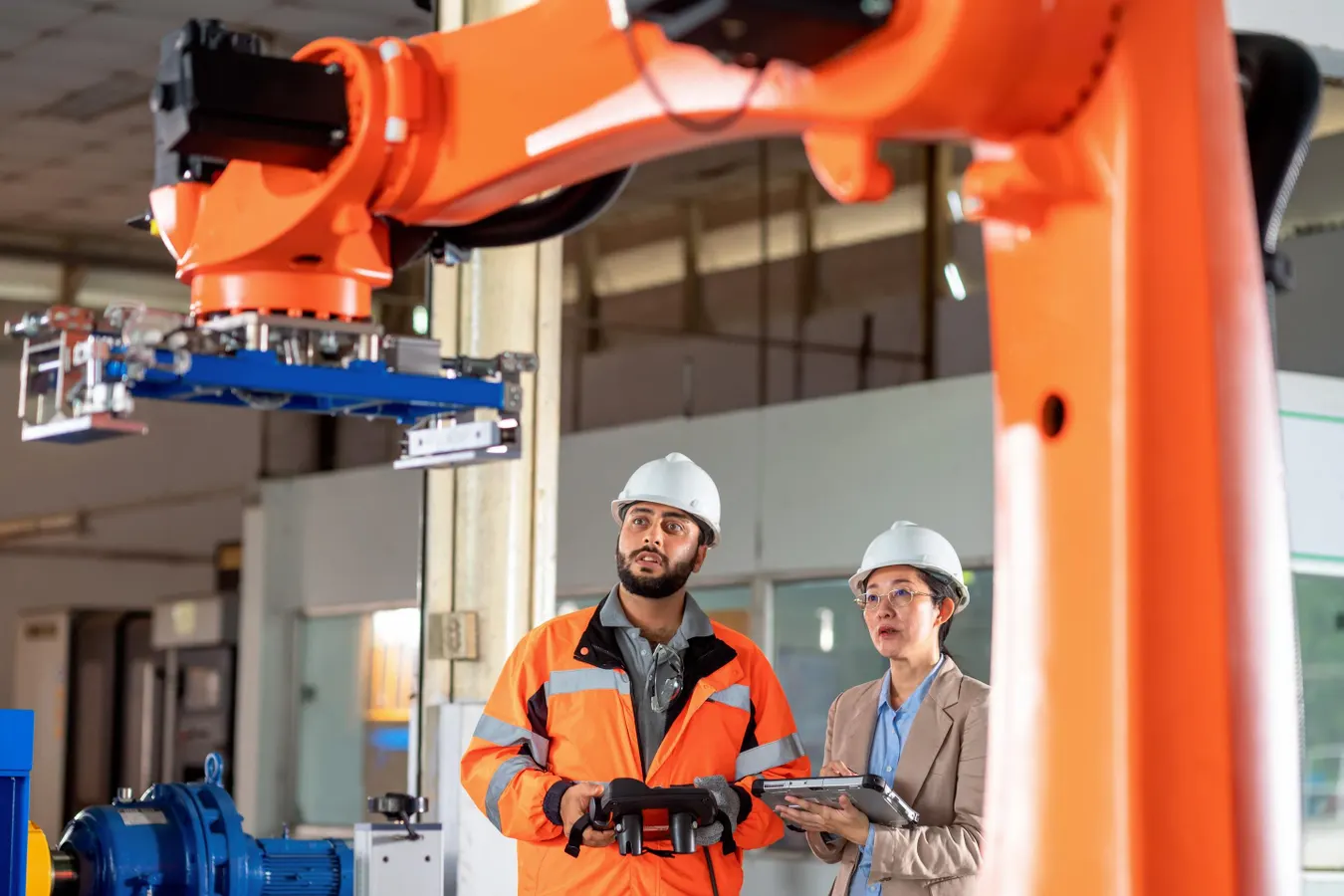
Manufacturing is capital intensive by nature. A manufacturer commits cash long before it comes back: into raw materials and inventory, into the equipment on the plant floor, and into the receivables that stay open after a product ships. At any of those points, capital can stop working, sitting in finished goods that haven't sold, in an invoice a customer has not paid, or in equipment running below its expected return. Freeing that capital, and keeping it moving, is where the margin is won or lost. It has only grown harder as supply chains grow more volatile, costs climb, and demand moves faster than plans can keep up. This is the environment in which manufacturers operate, and their finance departments are the constant through all of it, helping the business understand and act on rising complexity.