Kenyan investigators have never had much trouble spotting suspicious crypto transactions. Getting their hands on them has been the problem. The country’s new cryptocurrency regulations close that gap.
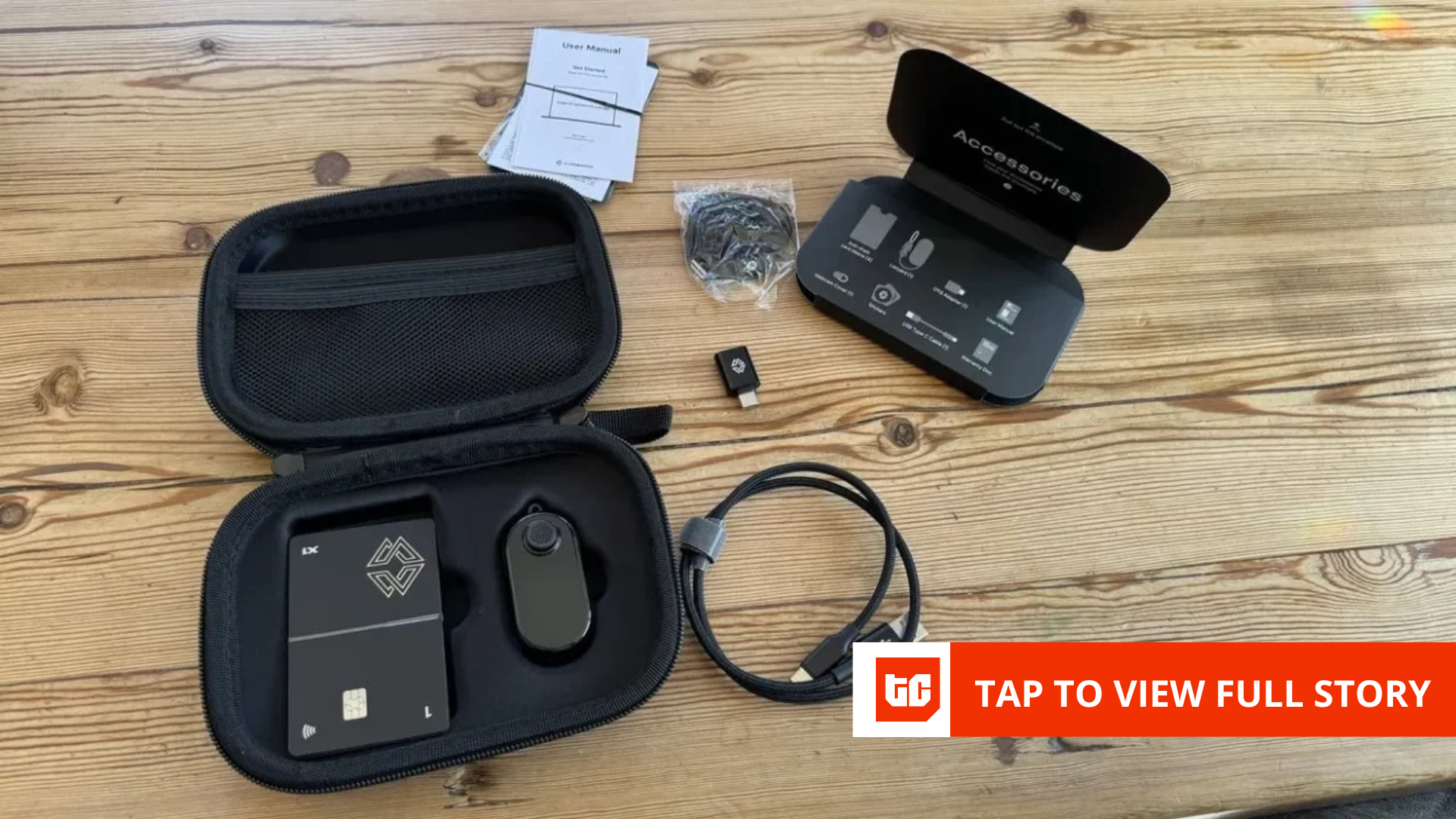
With court approval, the rules empower authorities, including financial crime investigators, to seize devices, seed phrases, and hardware wallets that unlock digital assets, allowing the government to control cryptocurrencies linked to fraud, money laundering, corruption, and terrorism-financing investigations.
Existing Kenyan laws, including the Proceeds of Crime and Anti-Money Laundering Act and the Anti-Corruption and Economic Crimes Act, already let investigators freeze traditional bank accounts and trace suspicious transfers. A crypto wallet whose owner kept the private keys offline, however, was difficult to access using general asset‑seizure powers.
The Virtual Asset Service Providers (VASP) Regulations, 2026, gazetted on July 24, establish a freezing and seizure framework for virtual assets within Kenya’s broader asset‑seizure regime.
“A licencee served with a seizure order shall grant an authorised officer access to any premises where the virtual asset devices are suspected to be and the authorised officer may seize and detain any physical device, hardware wallet, seed phrase backup or electronic system necessary to access the virtual assets,” the regulations read.