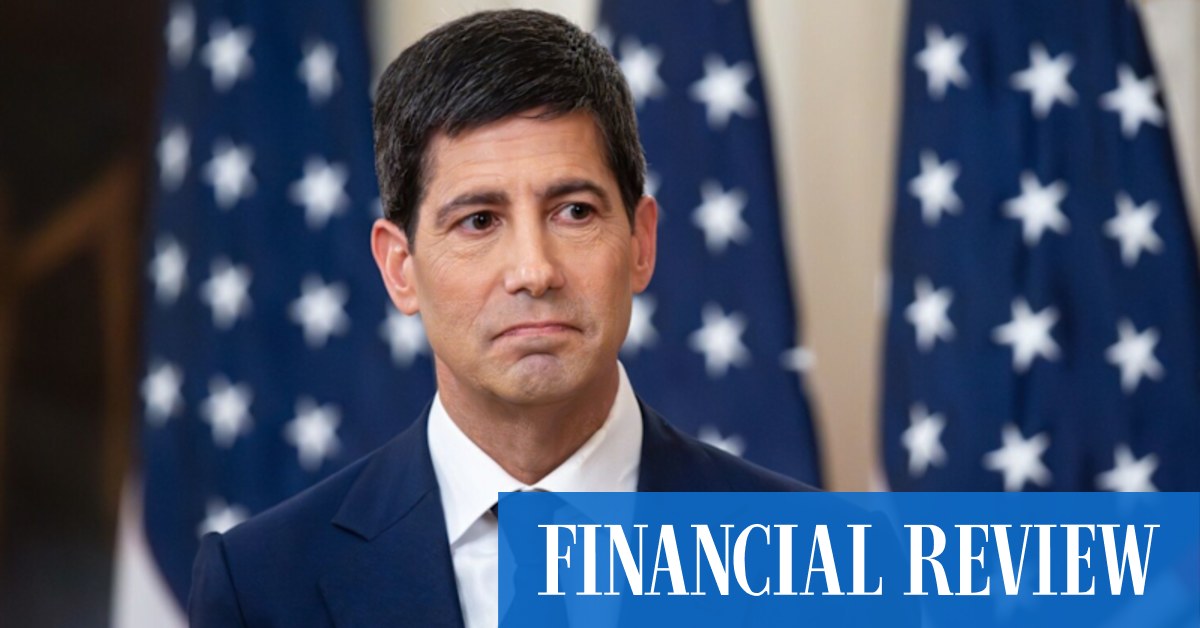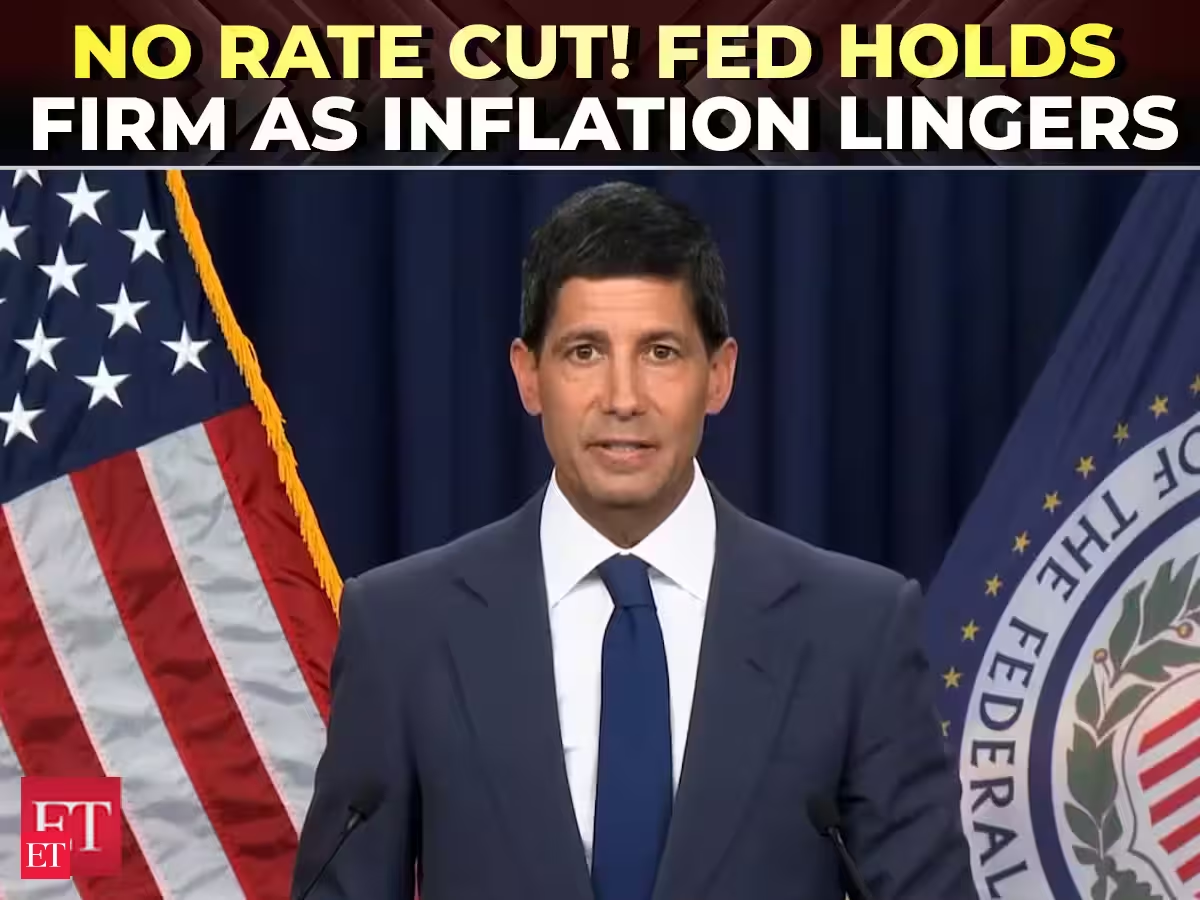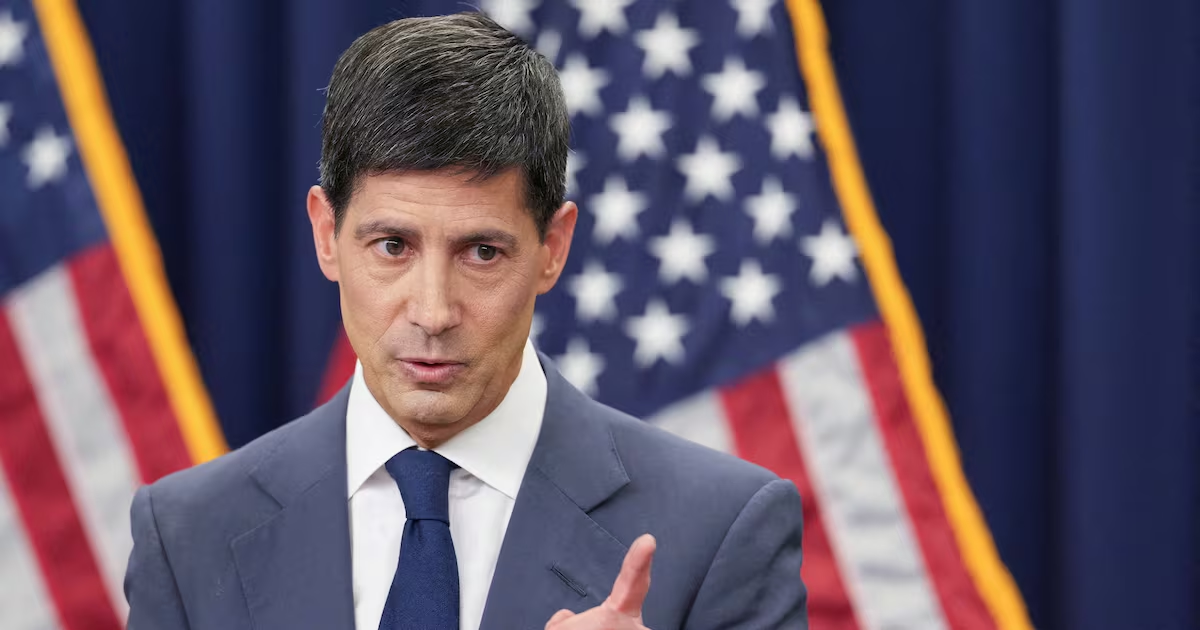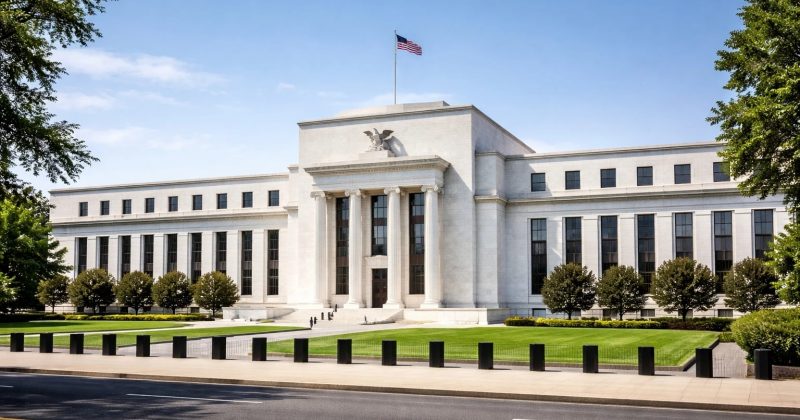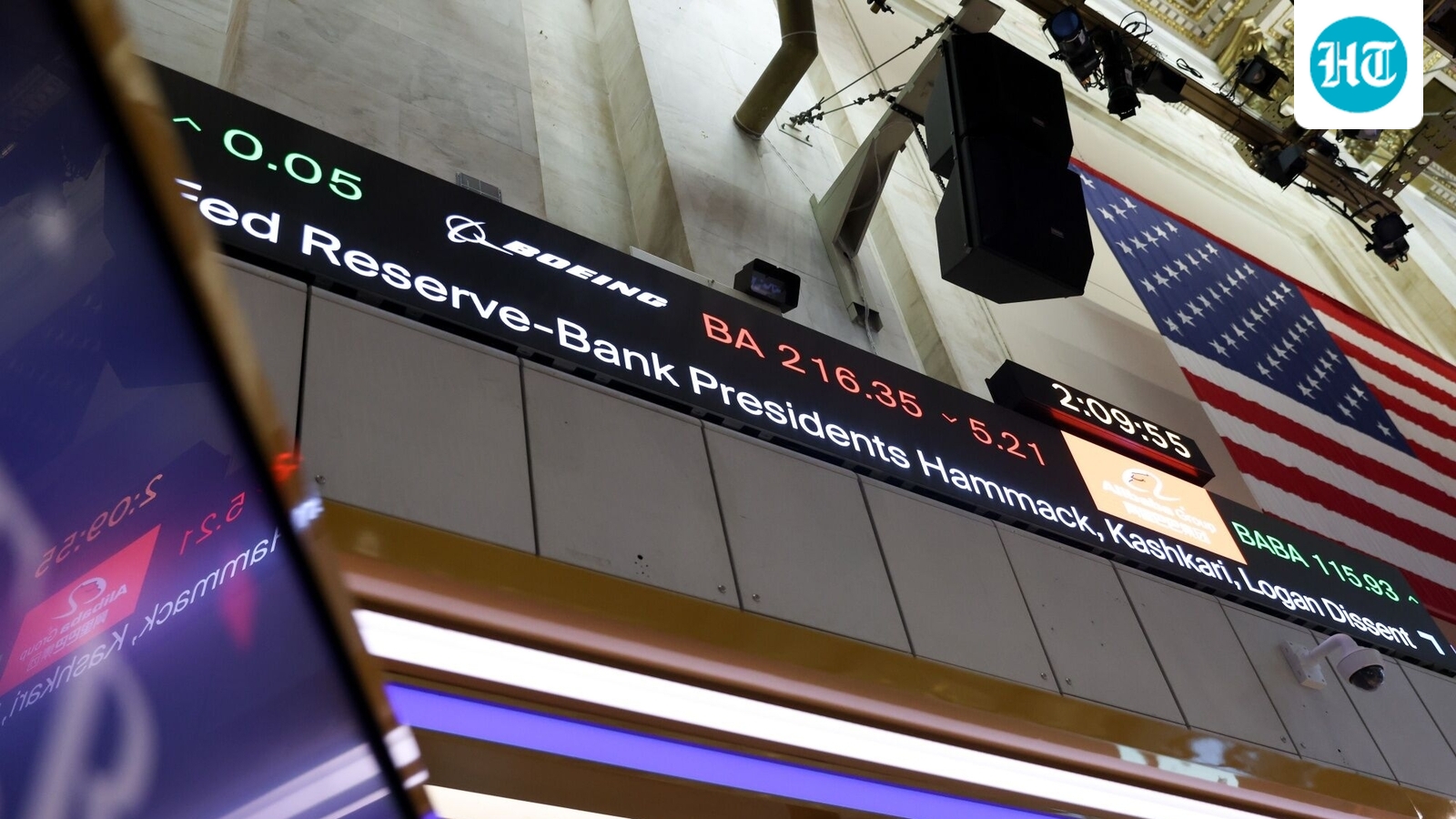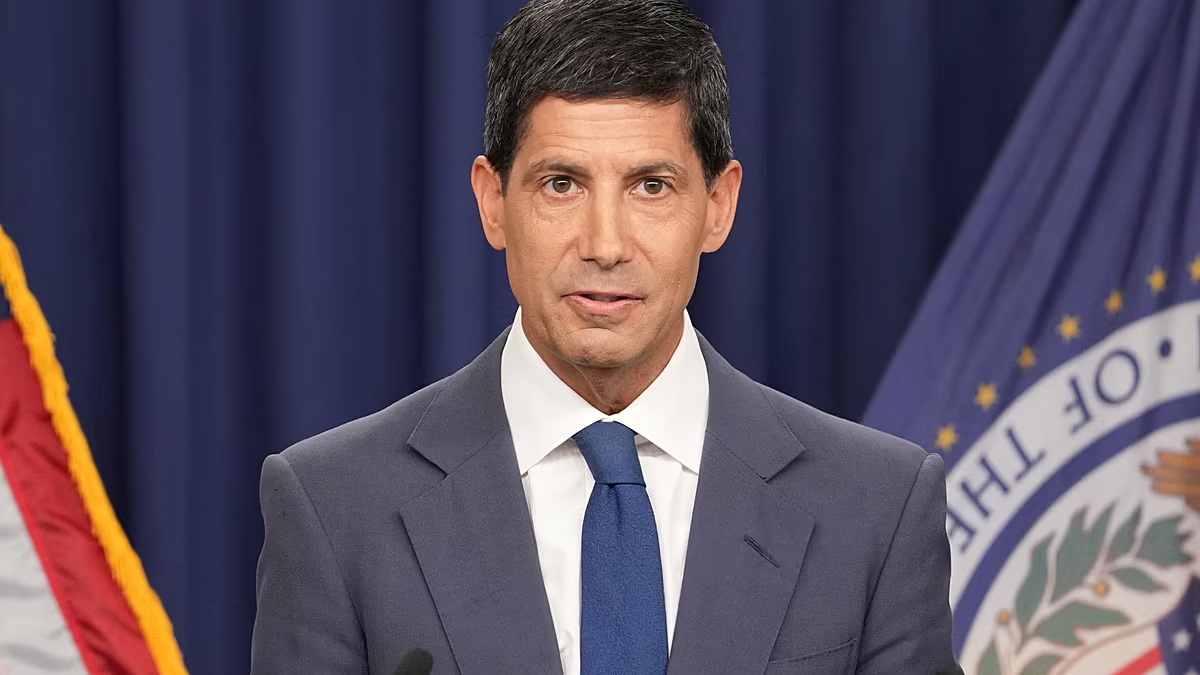
The Federal Reserve voted Wednesday to hold its interest rate target steady following the second meeting under new Chairman Kevin Warsh, although three members of the Fed board dissented, preferring a rate hike.After a two-day meeting in Washington, the Fed’s monetary policy committee announced it would hold its rate target at a range of 3.50% to 3.75%. Investors had largely expected that outcome, as the country grapples with too-high inflation, driven in part by higher energy costs stemming from the Iran war.The three officials who dissented were Beth Hammack, president of the Federal Reserve Bank of Cleveland; Neel Kashkari, president of the Federal Reserve Bank of Minneapolis; and Lorie Logan, president of the Federal Reserve Bank of Dallas. All three preferred a quarter-percentage-point increase.
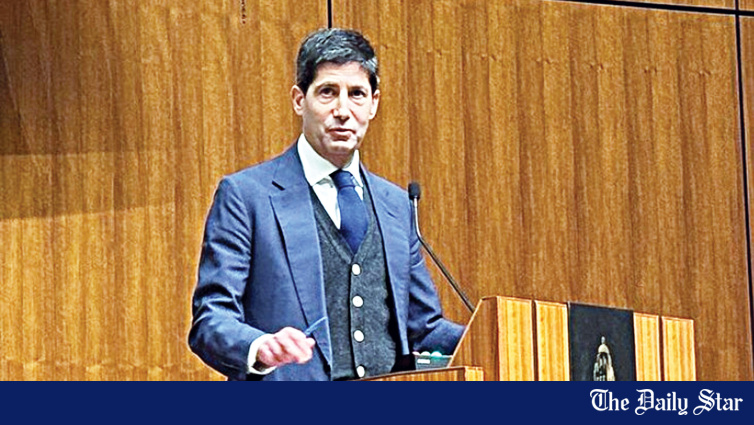
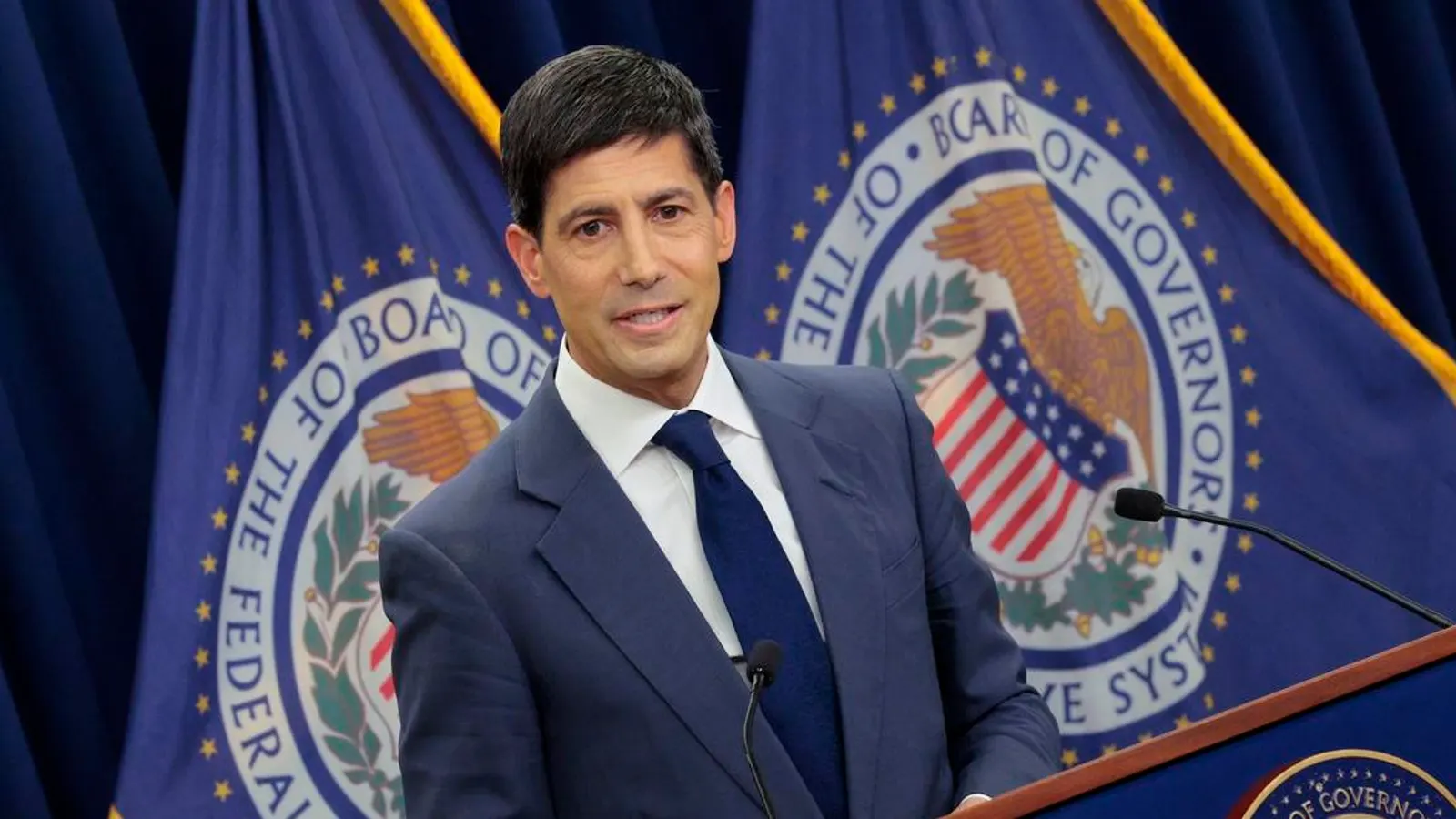
FED IS LASER-FOCUSED ON INFLATION DROP, WARSH SAYSThe decision was preceded by an unusual amount of uncertainty about whether the central bank might conduct a rate hike. The implied odds of a rate increase were nearly 34% ahead of the decision, which indicated unusual doubts on the part of markets.It is the second meeting Warsh has overseen, after the departure of former Fed Chairman Jerome Powell, whom President Donald Trump repeatedly criticized for failing to lower interest rates.Trump has given Warsh more leeway with the rate calculus and has cast more of the blame on the overall monetary policy committee. Trump said this week that Warsh is “fantastic” and “wants to do the right thing,” but is dealing with a “political” Fed board.A major factor in the Fed’s decision to hold rates steady is that the labor market remains healthy and not in need of easier monetary policy. The unemployment rate is low by historical standards, and job growth has been strong heading into the summer. Job openings have risen.That has investors betting on at least one interest rate increase from the central bank this year.Inflation is still too high. The Fed’s goal is 2% long-run inflation — a target that has not been met since February 2021.The consumer price index, the most closely watched inflation gauge, was running at 3.5% for the 12 months ending in June. That is a decline from a recent peak of 4.2% in May, but it is still far too high.