HPE advances its self-driving networking strategy for the AI era
Hewlett Packard Enterprise is making networking central to its AI infrastructure strategy, with a vision for self-driving networks that can anticipate problems, automate operations and reduce the complexity facing enterprise IT teams.
AI models and agents are placing new demands on enterprise networking as organizations move larger volumes of data between compute, storage and distributed infrastructure. Without sufficient bandwidth, visibility and automation, network bottlenecks can increase latency, disrupt applications and diminish the user experience.
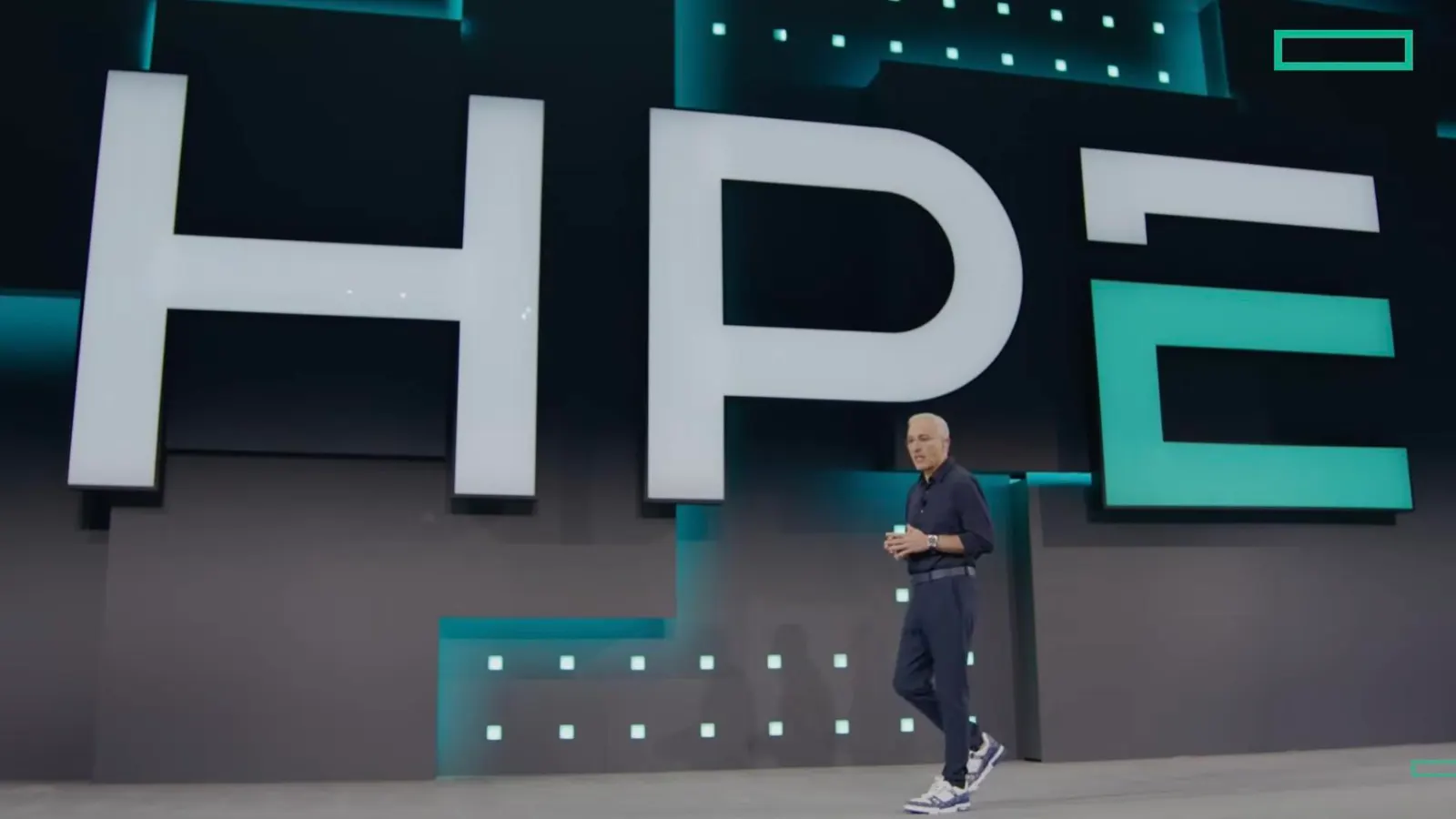
“The fundamental problem underlying the challenges we have in operating data center networks is … complexity,” said Ben Baker (pictured), director of data center networking at HPE. “You got virtual networks, [VXLAN Tunnel Endpoints], alphabet soup of protocols, configurations of thousands of physical and logical devices … the list goes on. We see operators drowning in data but starved for insights.”
Baker spoke with Bob Laliberte, principal analyst for theCUBE Research, during an exclusive broadcast on theCUBE, SiliconANGLE Media’s livestreaming studio. They discussed HPE’s strategy for AI networking and how the company is building its agentic enterprise. (* Disclosure below.)