The Me, Me, Me Presidency
There’s no I in war. But there is in Iran. And in Iraq, too. Both these wars were about ME — that is, the Middle East. It’s a region rife with supposed American security interests, but this wordplay points to another very all-too-real dynamic: These wars are as much about the “I” and “ME” of the White House as they are about the countries we attack. Or to put it another way: It’s the presidential psyche, stupid.
Way back in 2002, then-President George W. Bush warned that Iraq, Iran, and outlier North Korea comprised a grave threat. “States like these, and their terrorist allies, constitute an axis of evil, arming to threaten the peace of the world,” he warned. “By seeking weapons of mass destruction, these regimes pose a grave and growing danger.” North Korea built a nuclear arsenal, and with it, purchased a guarantee of security. The other two countries produced no nukes, and the story has been radically different.
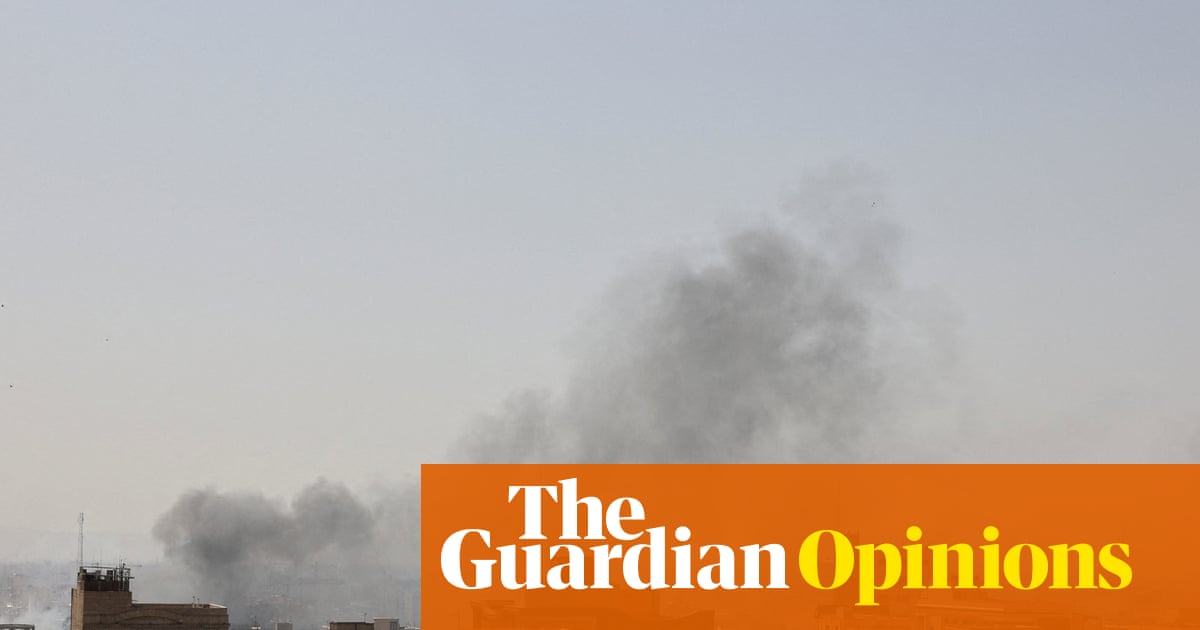
The U.S. invaded Iraq in March 2003. Two months later, the war was won. Except it wasn’t. Despite President George W. Bush’s unforgettable May 1, 2003, “mission accomplished” moment when, from the deck of an aircraft carrier off the coast of San Diego, he declared “major combat operations in Iraq … ended,” the American war there somehow never actually stopped. An insurgency was raging, U.S. bases were being mortared, and American officials feared a civil war between the country’s formerly reigning Sunni minority and its rising Shiite majority was brewing. It became a forever war that lived up to the moniker. Last week, almost a quarter century since Bush made the case for war in Iraq, a U.S. soldier was killed in an Iranian attack on an American base there.