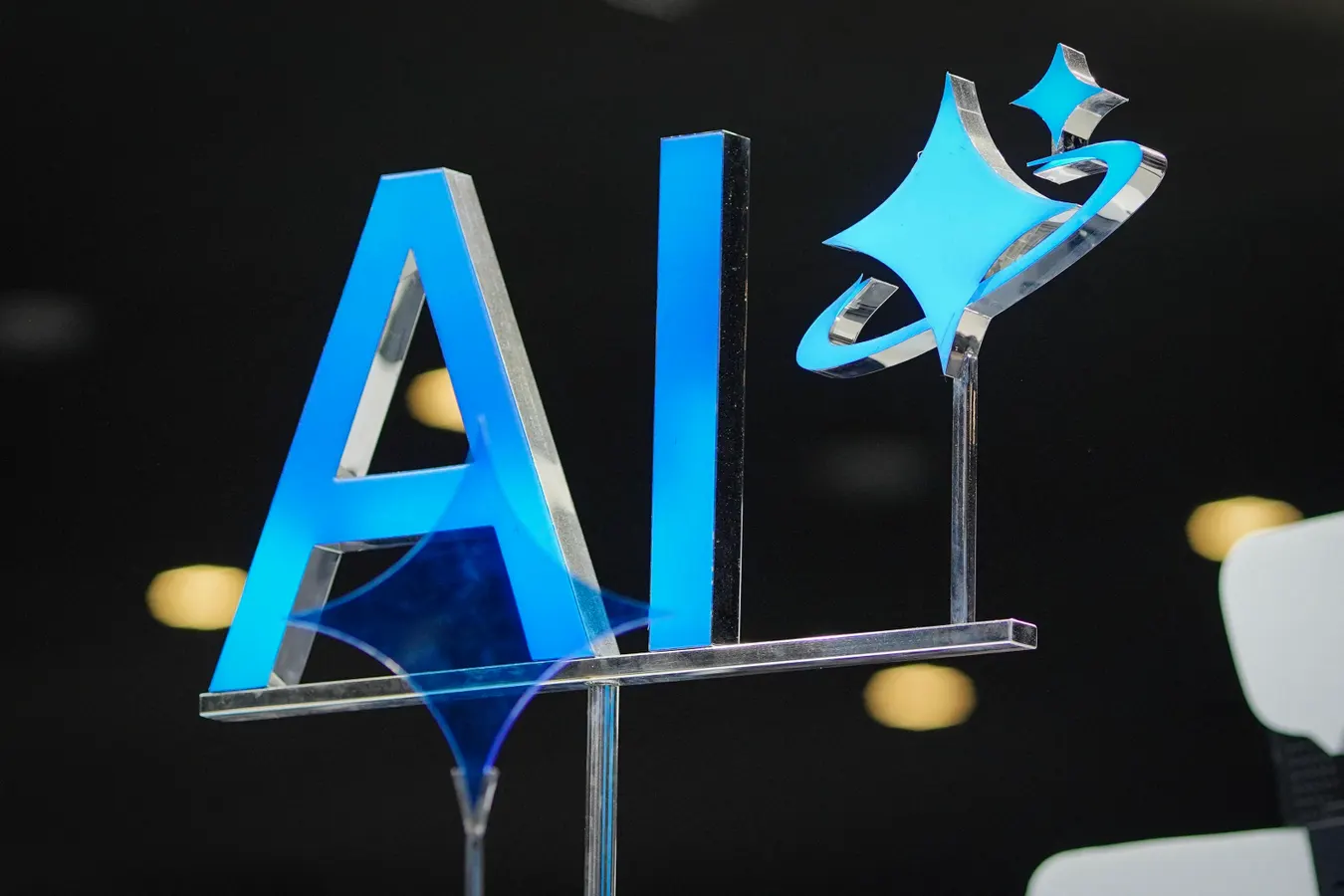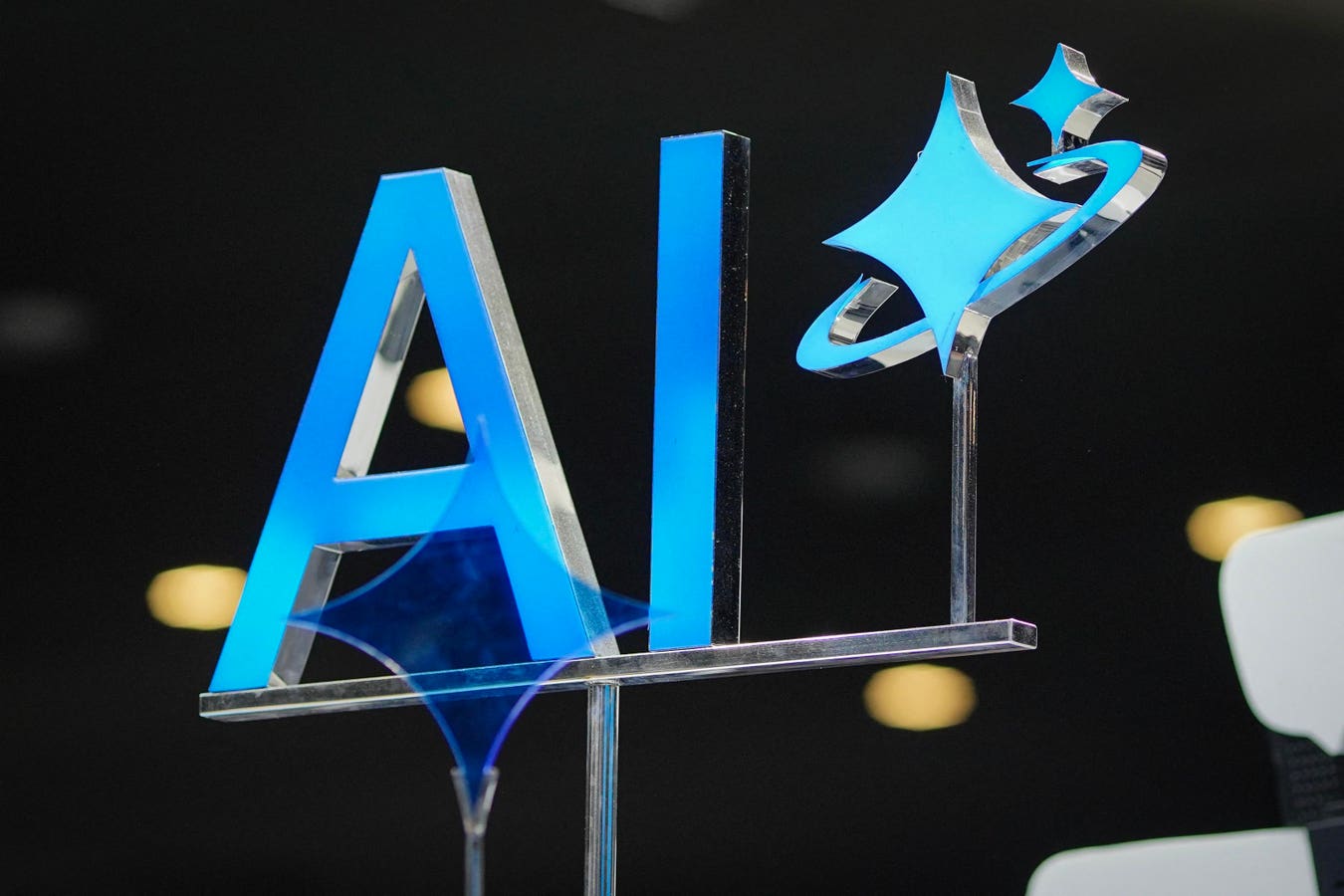
An AI sign is displayed during the MWC (Mobile World Congress), the world's biggest mobile fair, in Barcelona on March 3, 2025. Surrounded by investment and innovation projects, the Mobile World Congress (MWC) kicks off today in Barcelona amid a context of euphoria but also tensions over artificial intelligence (AI), whose rapid advancement is shaking up the tech sector. (Photo by Manaure Quintero / AFP) (Photo by MANAURE QUINTERO/AFP via Getty Images)
Companies are racing to become AI-capable to leverage the promised productivity and other gains of AI across their teams. This shift is often called AI transformation or digital transformation, and includes a complex mix of technical, human, and organizational elements. But a key question that every company should answer for itself is, beyond the speed of AI adoption and digital transformation, what is now our key asset? I argue it is Corporate Taste, and it is uniquely hard to protect, because it lives in your employees’ judgment. You can require that they not take your IP to a competitor. You cannot require that they leave their judgment behind.
How AI Changes Assets
Traditionally, competitive assets have included software, design specifications, institutional knowledge, customer lists, credibility, and many more. The arrival of AI has, in many ways, changed how quickly a competitor can replicate traditional assets. For example, a product with a large number of features, which historically took decades to develop, can now be created in a small fraction of the time, with a small fraction of the staff. Integrating cloud technologies, Software as a Service APIs, and AI can create cheaper-to-operate product mimics, especially when measured by units sold. Which leads to the question, which assets matter now, and how does a company protect them?