Persistent high oil prices could pose significant risks to the economy, necessitating close monitoring of global developments and domestic inflation trends
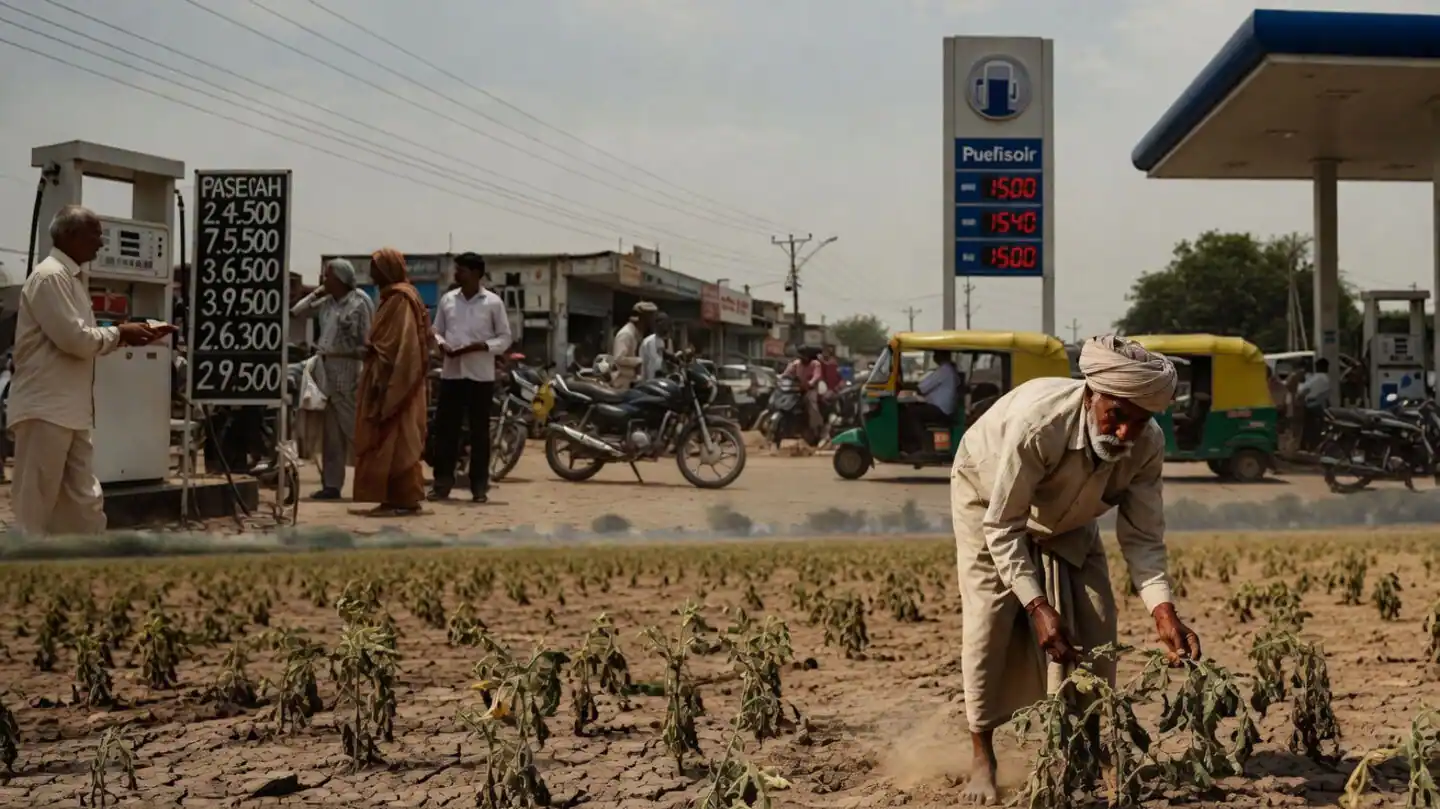
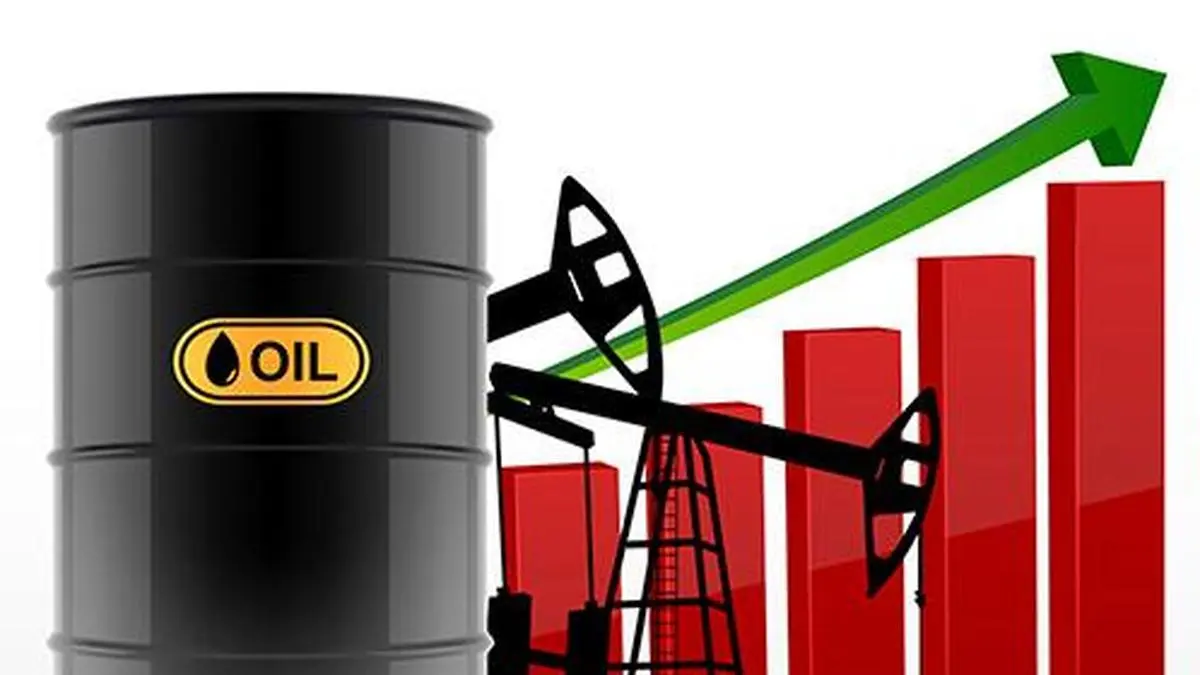
With crude oil prices heating up again, the Finance Ministry has cautioned that a sustained rally could pressure both the fiscal and current account deficits, while simultaneously fuelling inflation and slowing growth.Oil prices jumped nearly 7 per cent on Wednesday as major airstrikes resumed in West Asia and dashed hopes for an imminent end to the US-Israeli war with Iran. During mid-trading session, Brent futures rose $5.84, or 6.9 per cent, to $89.93 a barrel. Also US West Texas Intermediate (WTI) crude gained $5.34, or 6.7 per cent, to $84.60 a barrel.According to latest Monthly Economic Review, prepared by Economic Affairs department, even as geopolitical frictions persist and impact trade and cross-border capital flows, India’s external sector exhibits notable resilience. Strong export performance, a services trade surplus, and consistent remittance flows have strengthened the current account.Policy measuresFurthermore, recent policy measures will provide an impetus to capital inflows in the near term. Together with adequate foreign exchange reserves, these factors are expected to reinforce the external sector’s resilience. Nevertheless, “the recent resurgence in global crude oil prices, if sustained, could reemerge as a source of pressure on financing of both the fiscal deficit and the current account balance,” it said.The report said that while global crude price fluctuations from geopolitical events and potential El Nino weather patterns are being carefully monitored, the domestic inflation outlook remains cautious and structurally well-supported, anchored by active measures to support price stability, robust agricultural commodity procurement and targeted contingency plans in place. Internationally, the IMF projects global headline inflation at a manageable 4.7 per cent for 2026 while the RBI’s Monetary Policy Committee maintains an unchanged policy repo rate of 5.25 per cent with a neutral stance, forecasting FY27 CPI inflation at a manageable 5.1 per centThe report noted continued rise in retail inflation as it touched 4.38 per cent in June from 3.93 per cent in May. Though it is within RBI’s tolerance band of 2-6 per cent but expected to go up. “Two factors underlie current inflationary pressures – unfavourable weather conditions that are exerting upward pressure on food inflation and the transmission of elevated global fuel prices to the energy commodities at the retail level,” it said. Meanwhile, the core inflation (derived after excluding food, household and transport fuel. It represents 53 per cent of the CPI basket) that indicates underlying inflationary trends showed stability around 3.9 per cent in June.Global uncertaintiesOverall, according to the report, despite heightened global uncertainties, India’s economic outlook remains underpinned by resilient domestic fundamentals, continued policy support, and strengthening structural drivers of growth. Structural reforms of the last decade and infrastructure investments are contributing to growth resilience as is evident in the data for the months of March to June 2026. However, “upside risk to inflation, fiscal and current account deficits and downside risk to growth remain in the wake of persistent stand-off in the Gulf region,” it saidFurther, global developments related to AI and weaponisation of supply chains in general are reminders of the distance India needs to travel to achieve long-term resilience and strategic leverage. Swifter policy responses and their implementation are vital to encourage foreign and domestic investment in the Indian economy. “Recent years have been a time for hunkering down and battening down the hatches. Coming years will be no exception,” the report concluded.Published on July 29, 2026