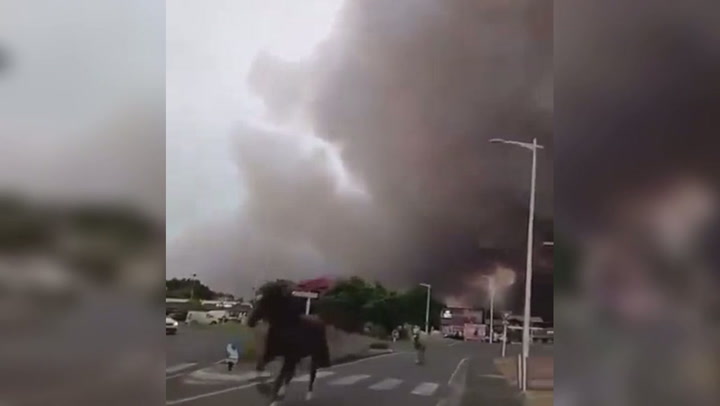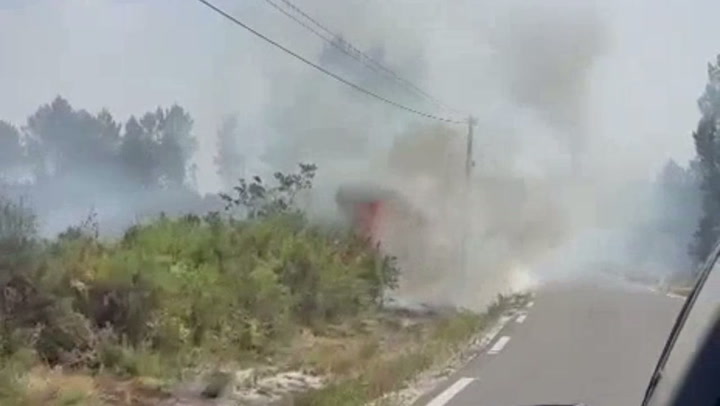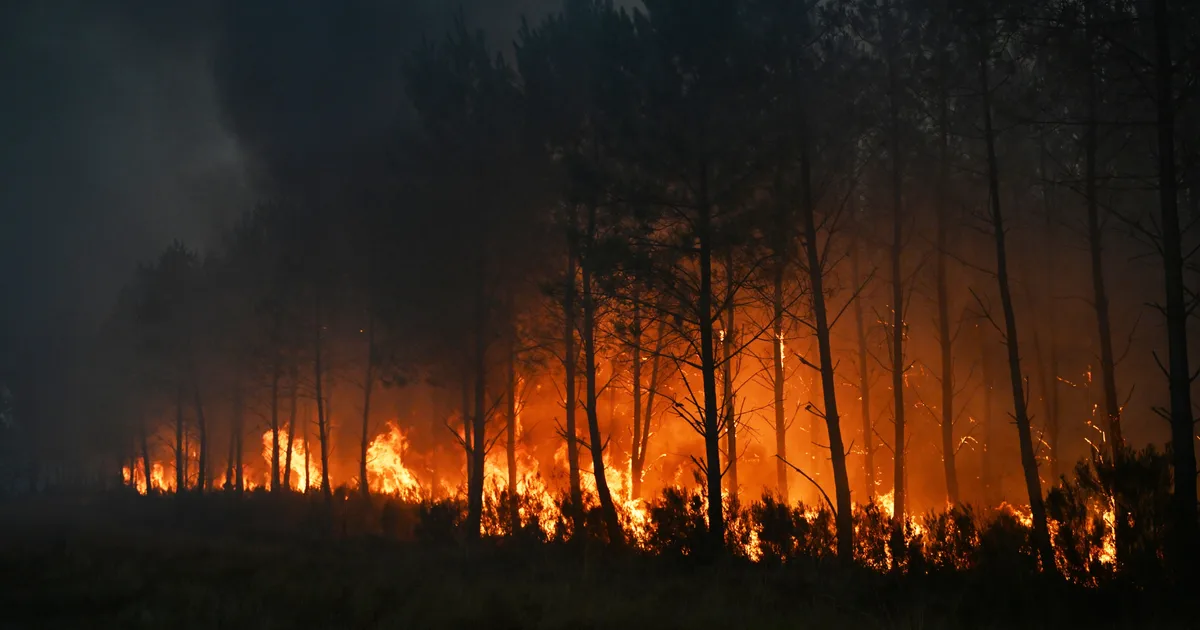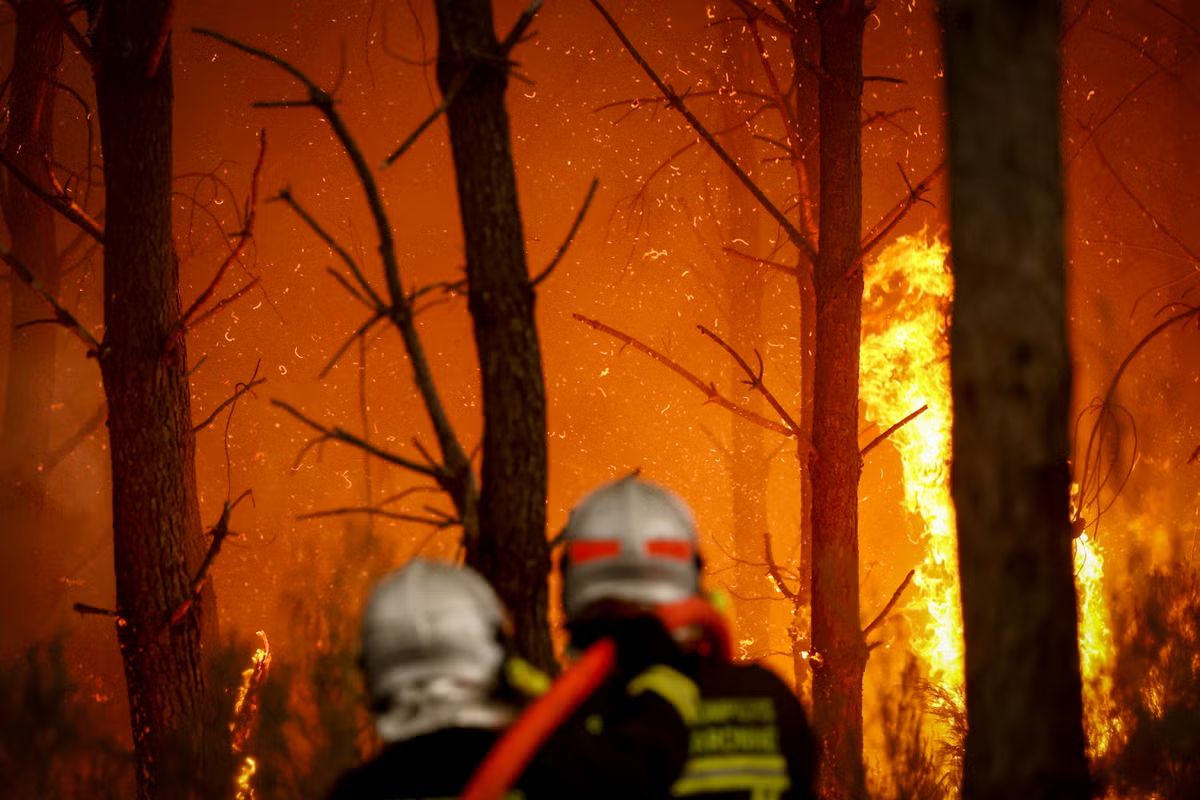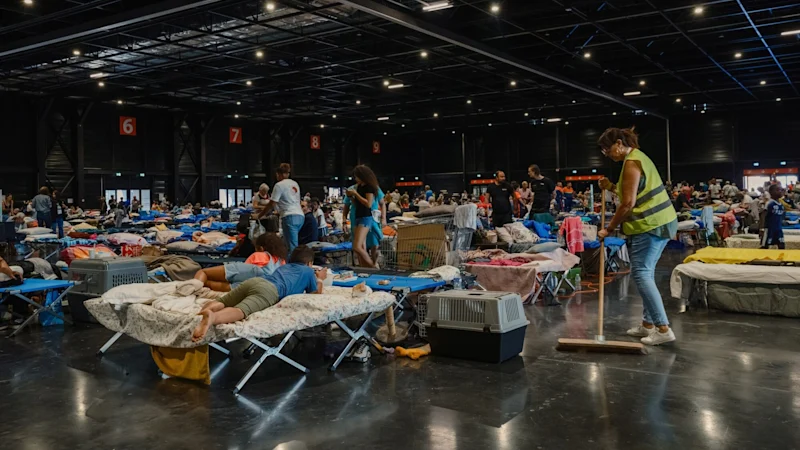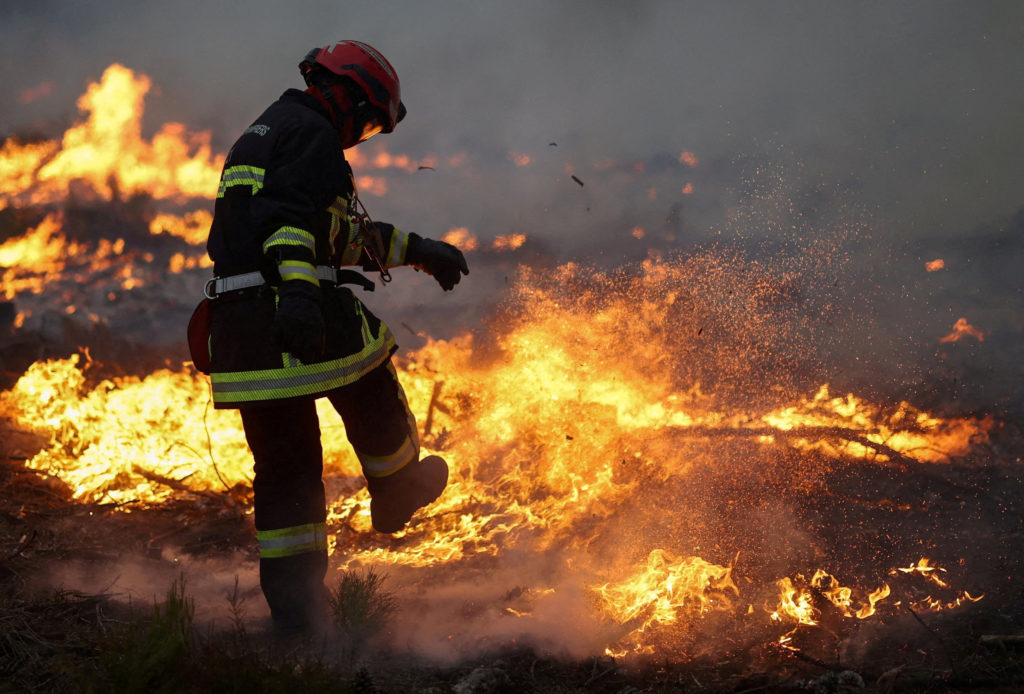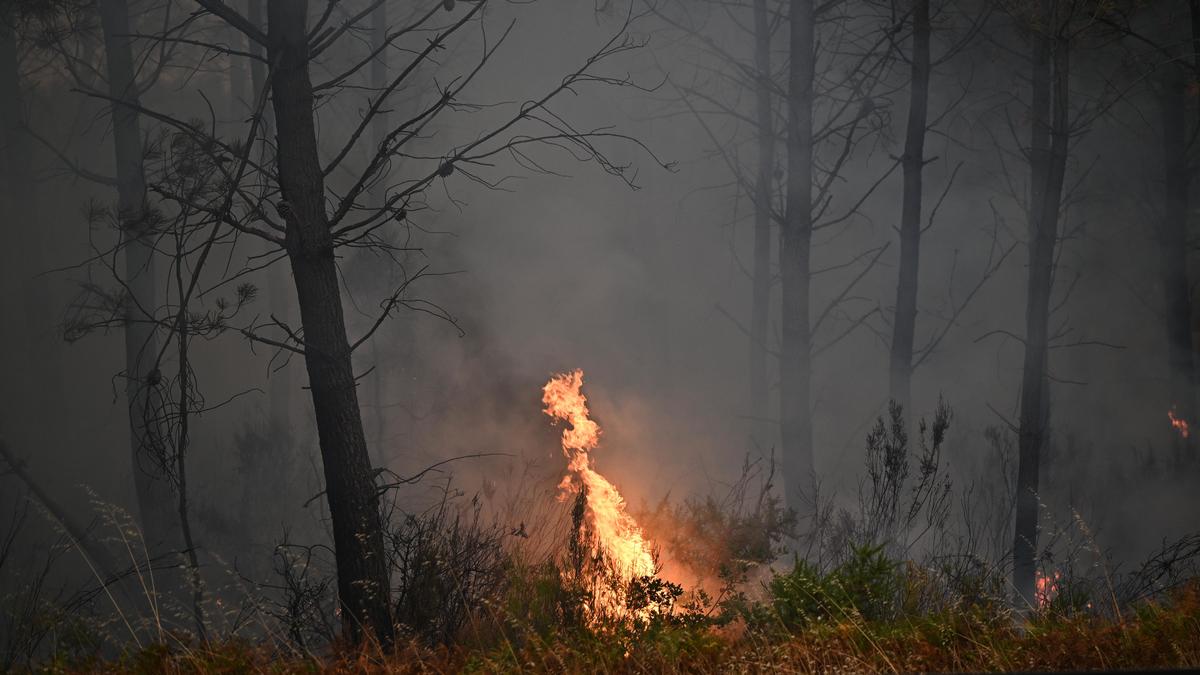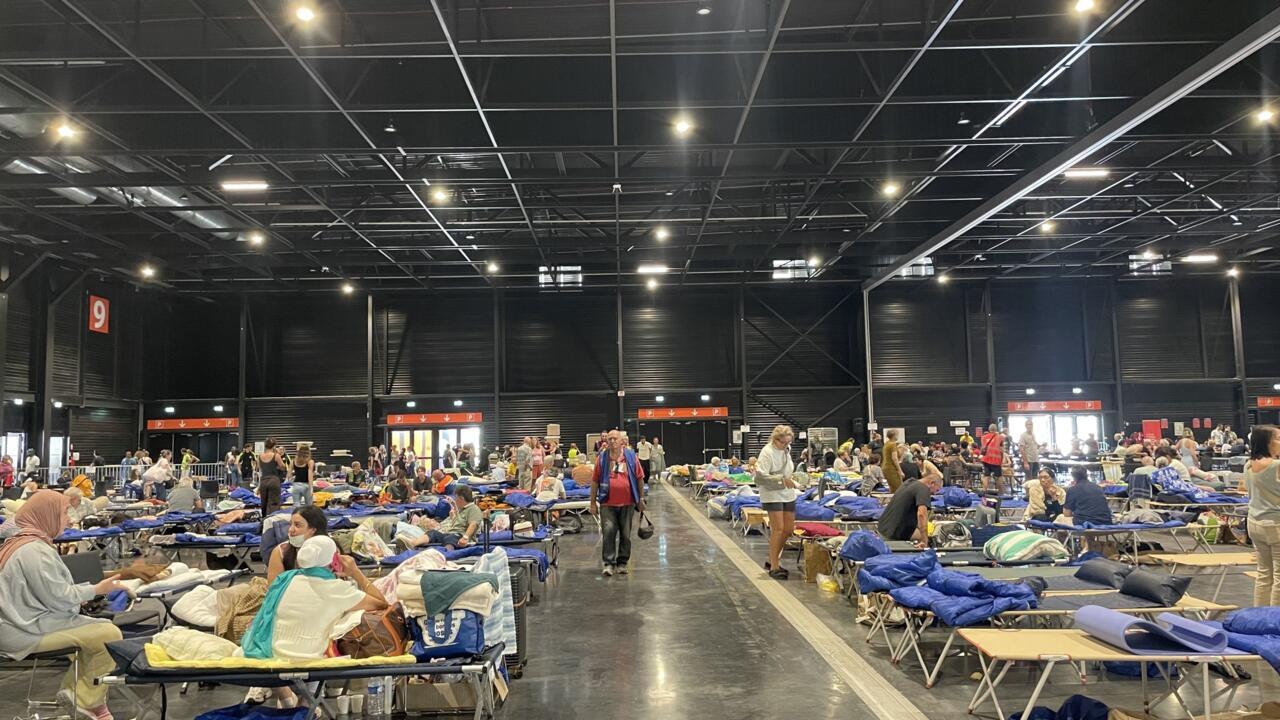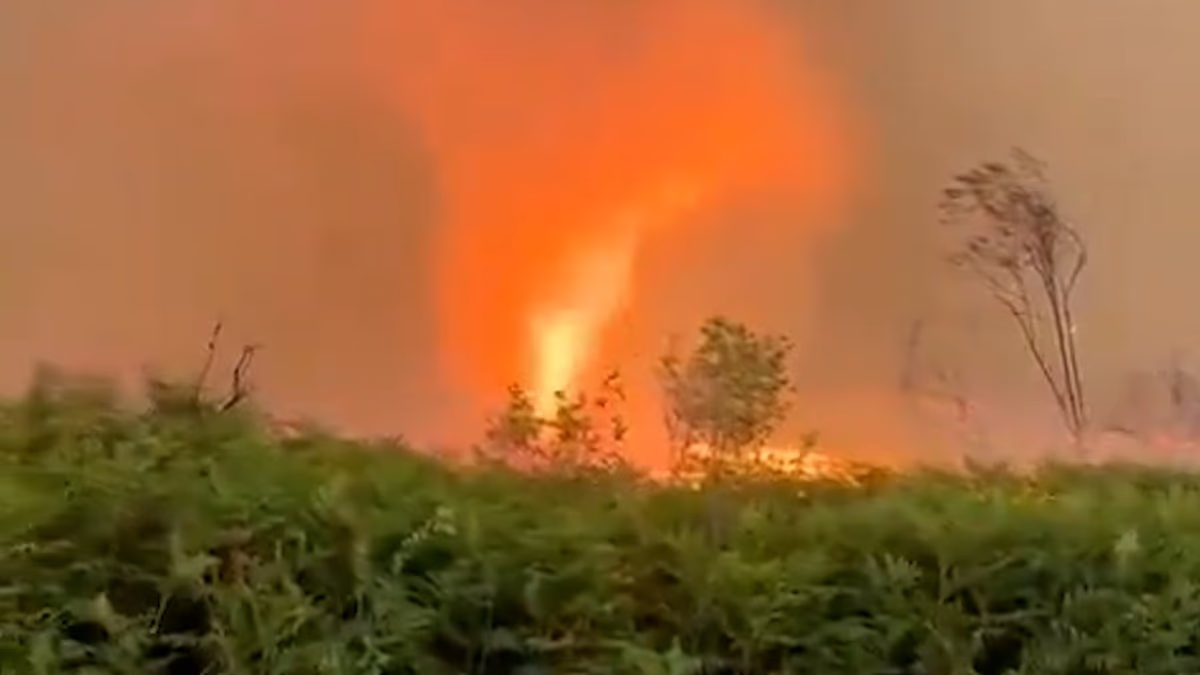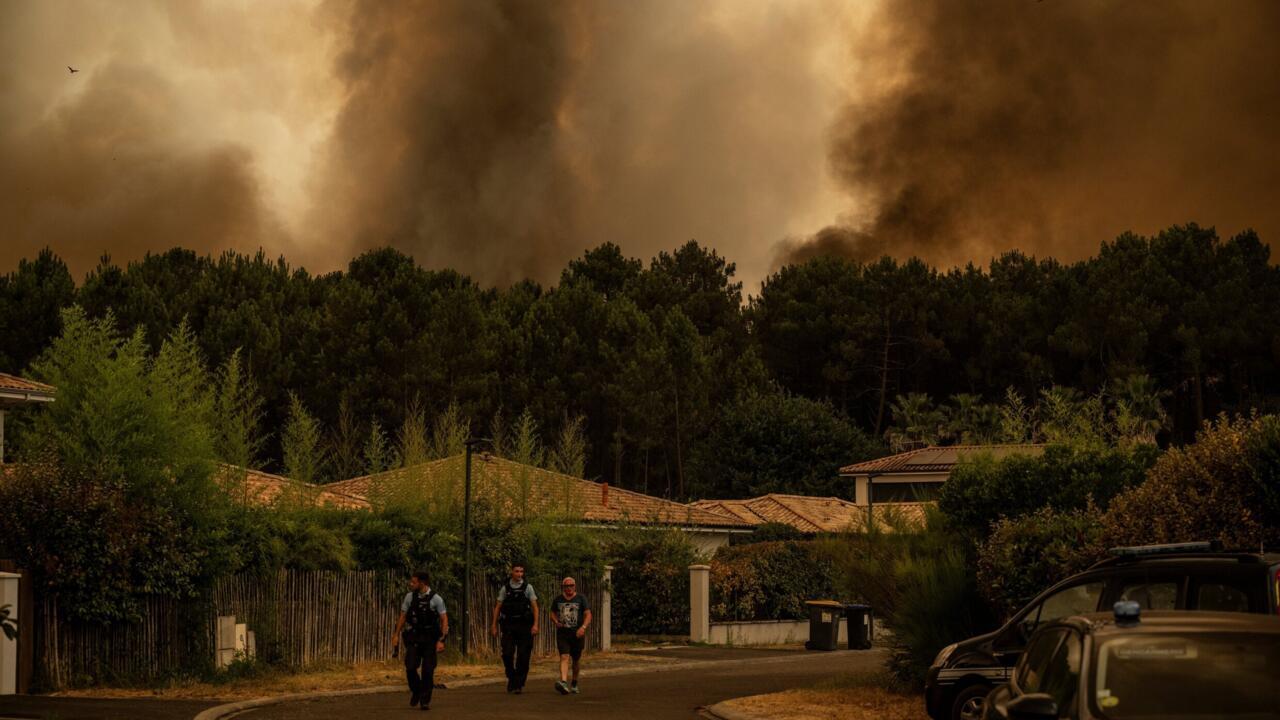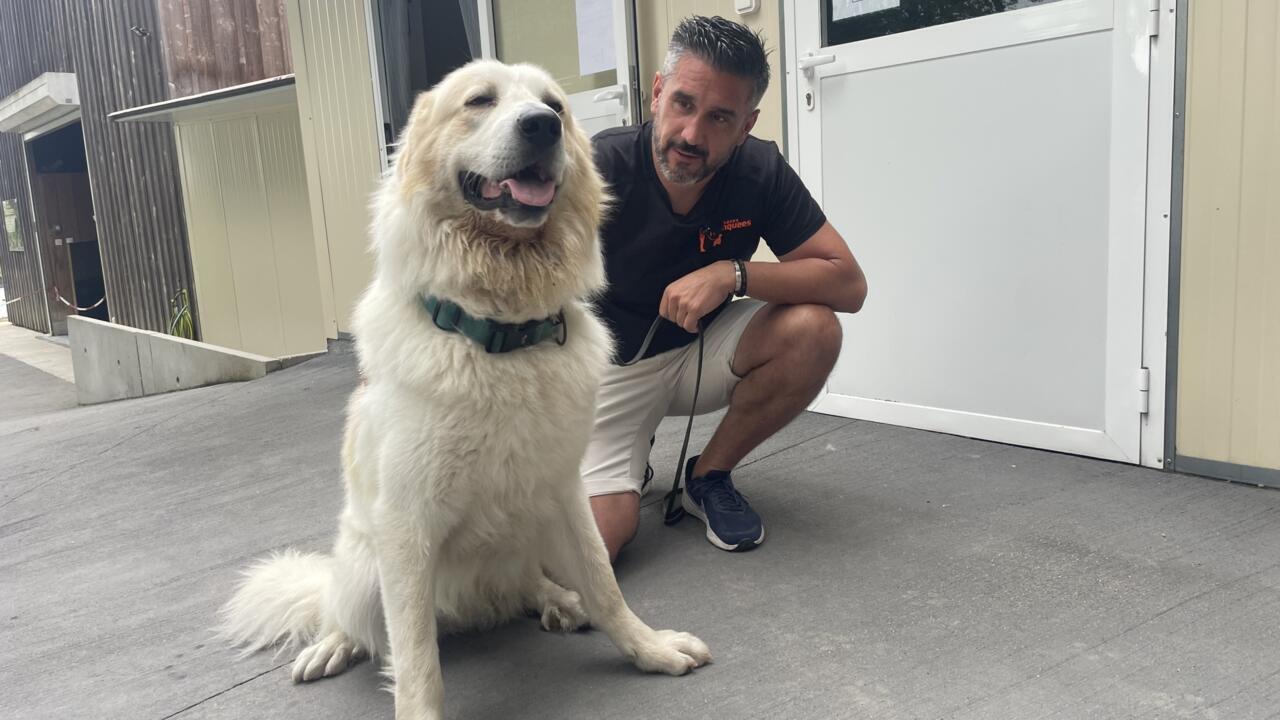
The "Cabanes de Tchanquées" – a canine boarding facility in the town of Créon on the northern outskirts of Bordeaux – is packed to the brim. Dogs bark on its grounds and occasionally, a few meows pierce through the din. The facility doesn’t normally house cats but the raging wildfires in the Gironde region have seen the kennel transformed into a vast refuge for pets. Rapidly moving wildfires have burned their way through an area four times the size of Paris, incinerating forests and homes and forcing thousands to evacuate without much warning. Amid the panic of the evacuations, many owners of cats, dogs and horses grappled with the dilemma of what to do with their pets. Leave them behind, at the risk of them being poisoned by the fumes and without knowing when it would be possible to collect them? Or take them with them, even though they didn’t know where to go or what the conditions would be like. In the scramble to evacuate, many left their pets behind. Read moreAs fires still blaze, France thinks about how to rebuild its forests The owners of "Cabanes de Tchanquées" saw what was happening and stepped in. On July 25, David Avril and his wife Mary-Line – the owners of the property – converted the facility into a refuge for the animal victims of the fires. The couple wanted to help in any way they could. When they saw evacuations surge, David posted a message on social media offering to rescue animals off the streets or help anyone who had been separated from their pet. His phone began ringing immediately and hasn’t stopped since. 'We had to tear everything down' David has a large, well-equipped vehicle that he filled with litres of water and kibble. “The police let me through to get as close as possible to the area where the fire had passed," he explained. "I could immediately help and rescue some animals that needed it." For the first 48 hours, he made countless trips back and forth between the Cap Ferret headland and Biscarosse – both popular regions with tourists – scouring the scorched roads in search of the animals affected. He and Mary-Line weren’t alone – a large network of volunteers, which included veterinarians, colleagues, and friends of the couple was set up in record time to join in the rescue efforts to retrieve, treat and care for the animals.
Cats, dogs and horses: Rescuing the pets caught in France’s wildfires
Raging wildfires four times the size of Paris have forced thousands to evacuate their homes in the fire-ravaged region of Gironde in southwestern France. Many of the evacuees were forced to leave their…
1,507 words~7 min read