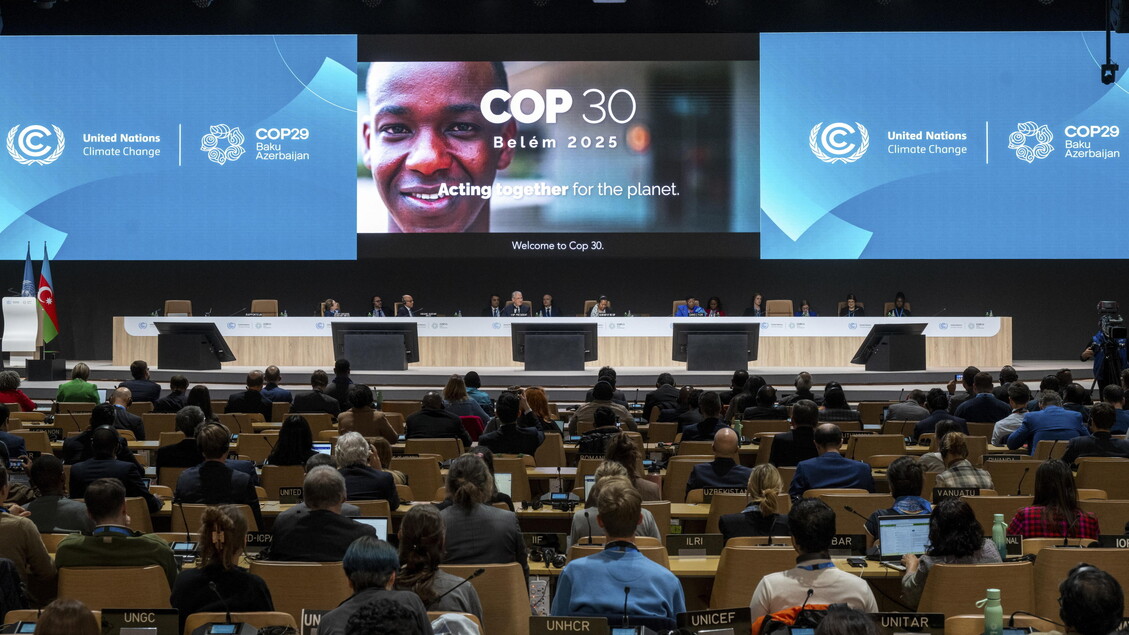
The world’s governments will arrive in Addis Ababa in late 2027 for COP32, the first African-hosted climate summit in five years. Ethiopia’s presidency is on behalf of the African Union, the continental body. Addis Ababa has the chance to show what a Conference of Parties (COP) can deliver. But for that to happen the work needs to begin now.
At the Columbia Center on Sustainable Investment, we work with governments, multilateral institutions and coalitions of financiers on the planning, investment, policy and financial architecture that climate and development goals require. What we’ve learnt from this collaborative effort provides insights into what’s required to organise a successful COP32.
The Conference of the Parties (COP) is the annual meeting of the 198 parties to the United Nations Framework Convention on Climate Change, adopted in 1992. The conventional approach to these conferences is for the member states to prepare negotiating texts, review commitments, make pledges and agree to new decisions. There is near universal commitment to address climate change. Nevertheless, three decades of COPs have not achieved global action at the scale or speed required.
The reason is that the Convention and the COPs have structural limits. These explain the persistent gap between what the science demands, what is achievable, and what has been delivered.