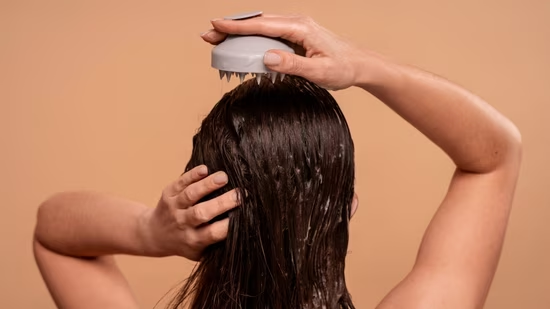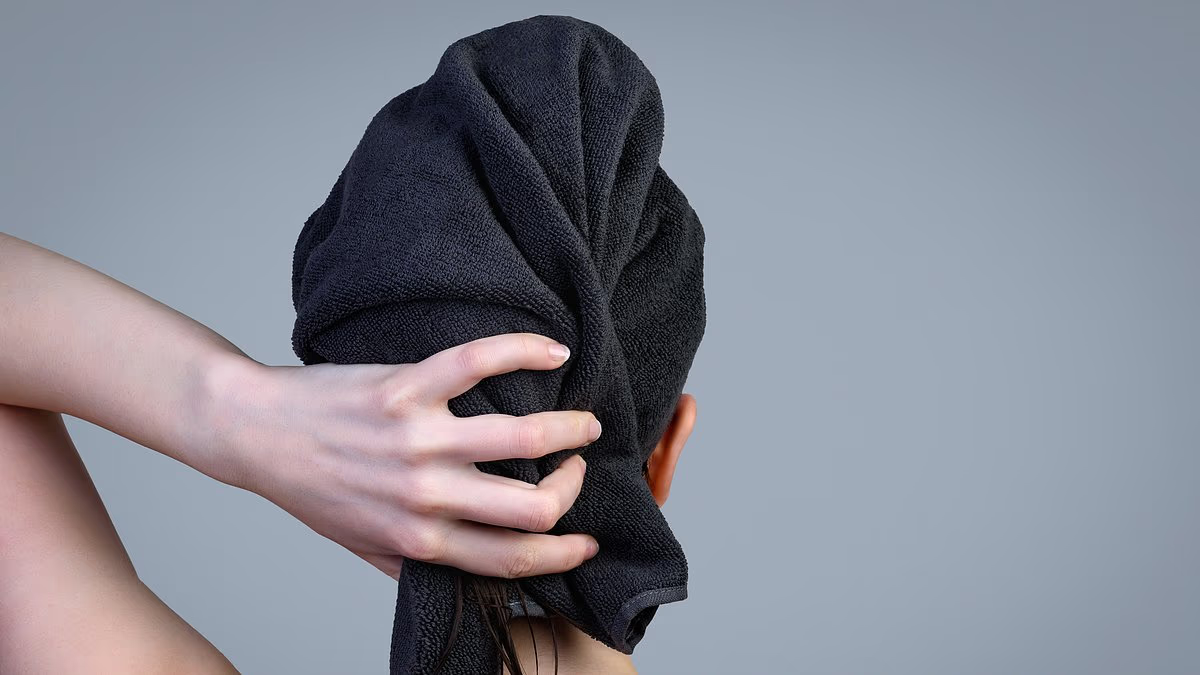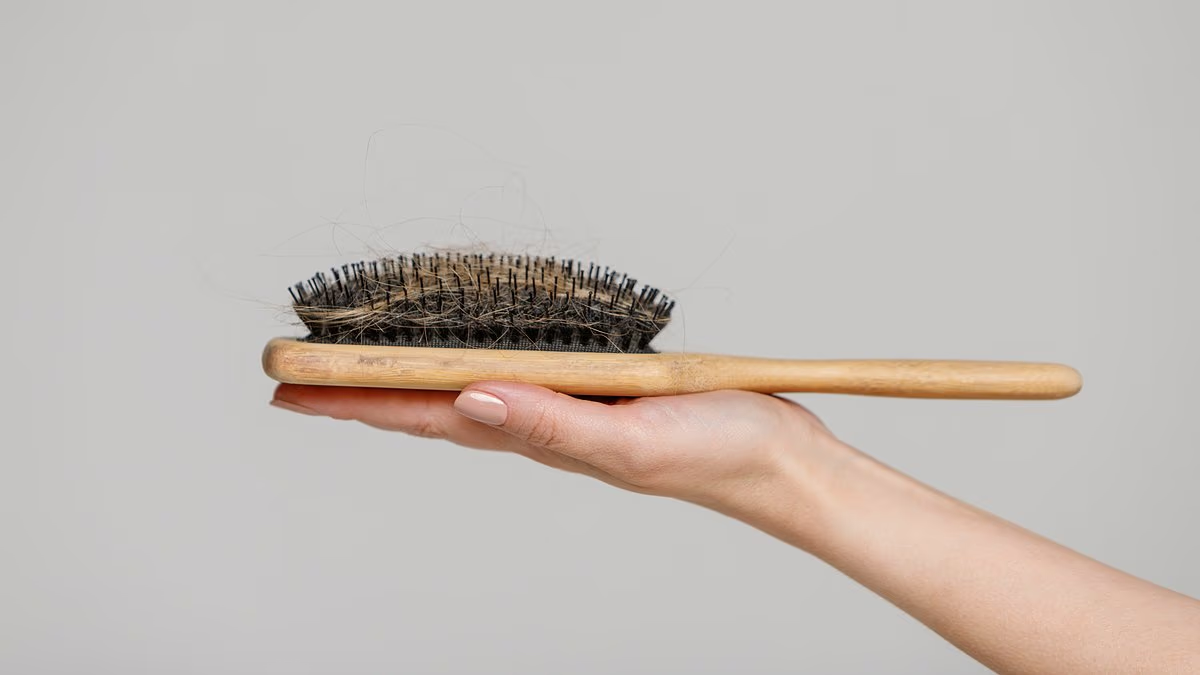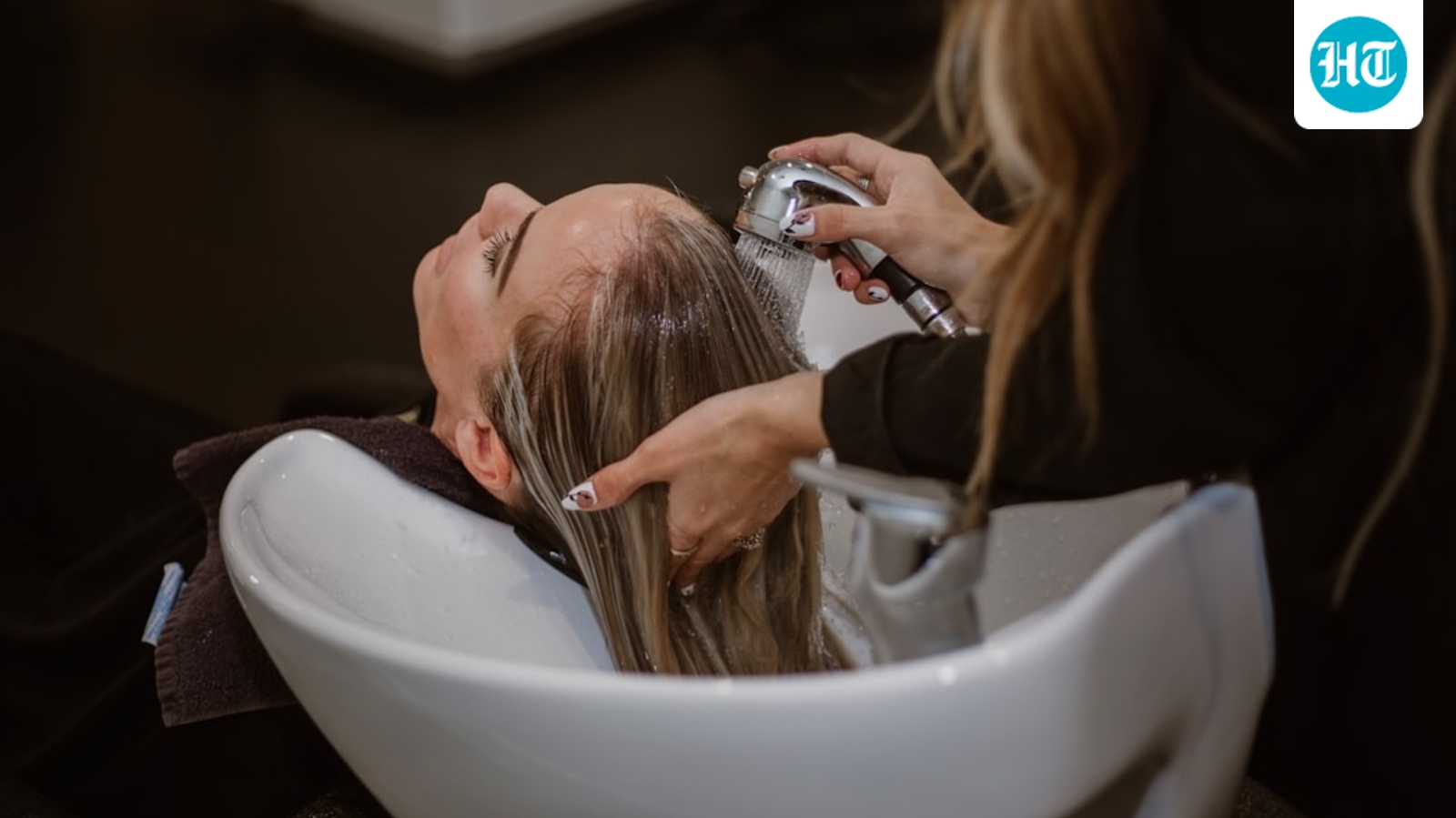
There are a few things you should avoid doing after a shower, and one of them is brushing your hair when it's wet, as it can cause some serious issues, according to a dermatologist14:57, 29 Jul 2026Many of us step out of the shower and, without a second thought, start brushing through our wet hair to tackle tangles while it feels “easiest” to manage. But a dermatologist has warned that this everyday habit can backfire — and may be quietly damaging your locks.Because hair is more elastic and fragile when it’s wet, dragging a brush through it can overstretch the strands, roughen the cuticle and lead to breakage, frizz and split ends.Tea with MD, Dr Joyce Park, a dermatologist, explained: "When your hair is wet, the cuticle layer, the outermost part of the strand, swells and lifts, making your hair more prone and vulnerable to breakage."Especially when you're brushing it aggressively or with the wrong tool. So brushing while wet can also stretch and snap the hair shaft, leading to split ends, which can then travel up the hair and cause long-term thinning".Content cannot be displayed without consentDr Park, who collaborated with Vord Life, advised that you should allow your hair to "air dry partially" before attempting to detangle it, or alternatively "wait until it's dry". She also recommends brushing your hair prior to washing it."If you must brush while wet, use a wide-tooth comb or a detangling brush," she recommended.You should also "start from the ends and work your way up to minimise pulling excessively".Combing wet hair does not cause permanent hair loss by damaging the follicle, but it does lead to significant hair breakage. When hair is wet, it swells and becomes highly susceptible to stretching and snapping.Over time, this breakage can make hair appear thinner, which is far from ideal if you're aiming for a fuller, thicker mane.More tips to strengthen your hair and avoid breakage1. Stop rough towel-drying – Squeeze/blot with a microfibre towel or T‑shirt instead of rubbing.2. Detangle gently, especially when wet – Use a wide-tooth comb or detangling brush, start at the ends and work up in small sections.3. Add “slip” before you brush – A leave-in conditioner or detangling spray reduces friction so strands don’t snap.4. Use less heat and always protect – Keep tools on a lower setting, avoid repeated passes, and apply a heat protectant every time.5. Don’t over-wash or over-clarify – Too much cleansing can dry hair out and make it brittle; focus shampoo on the scalp and let suds rinse through the ends.Article continues below6. Condition consistently – Conditioner after each wash, and a weekly deep-conditioning mask if hair feels dry or coloured.7. Avoid tight styles and constant tension – Slick ponytails/buns, tight braids and extensions can cause breakage—rotate styles and keep them looser.
Don't brush freshly washed hair, it can lead to unpleasant issue
There are a few things you should avoid doing after a shower, and one of them is brushing your hair when it's wet, as it can cause some serious issues, according to a dermatologist
466 words~2 min read