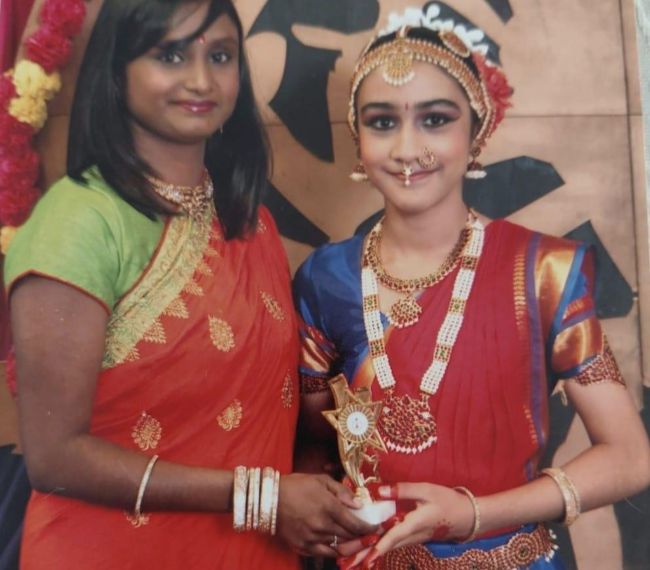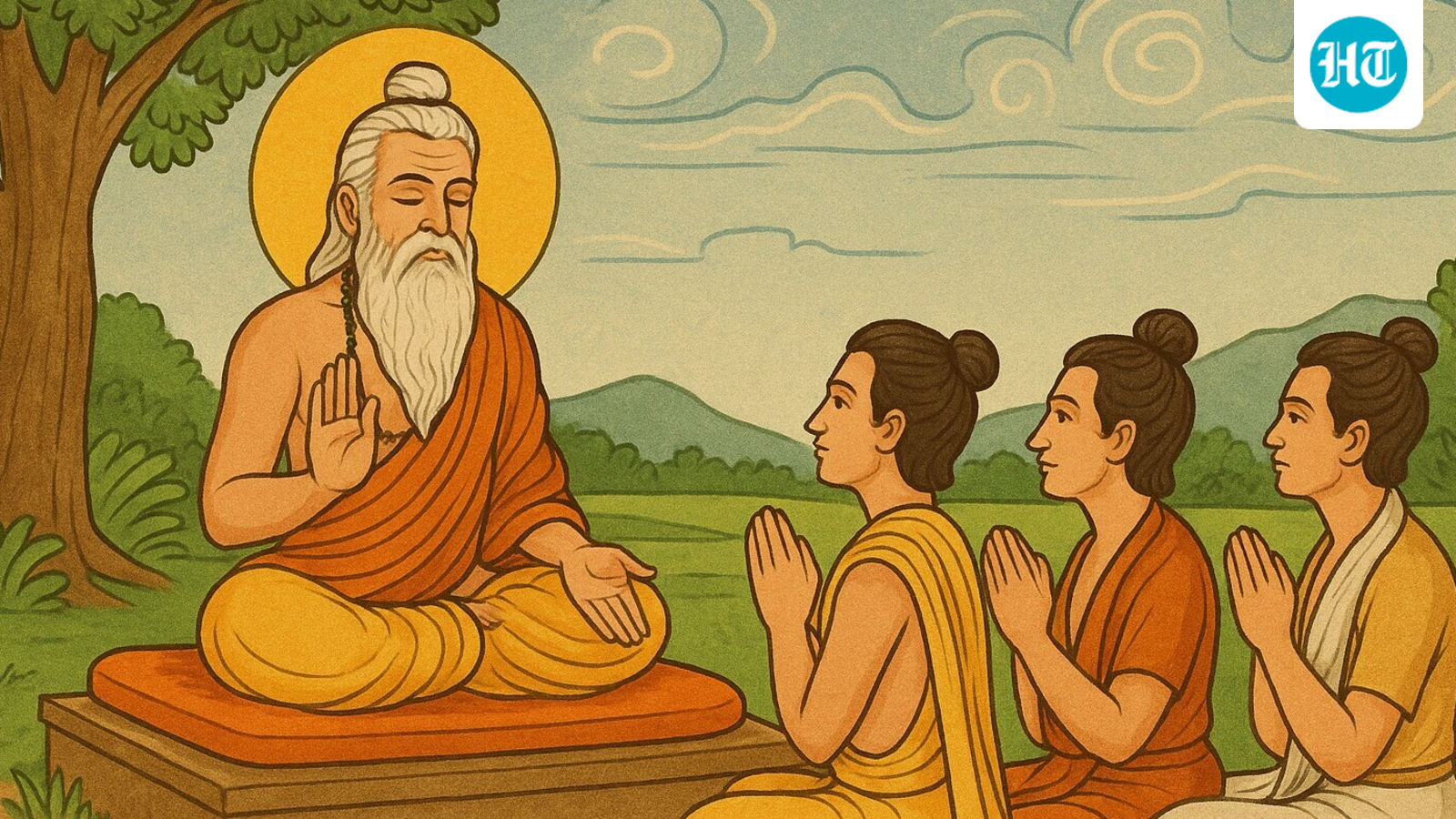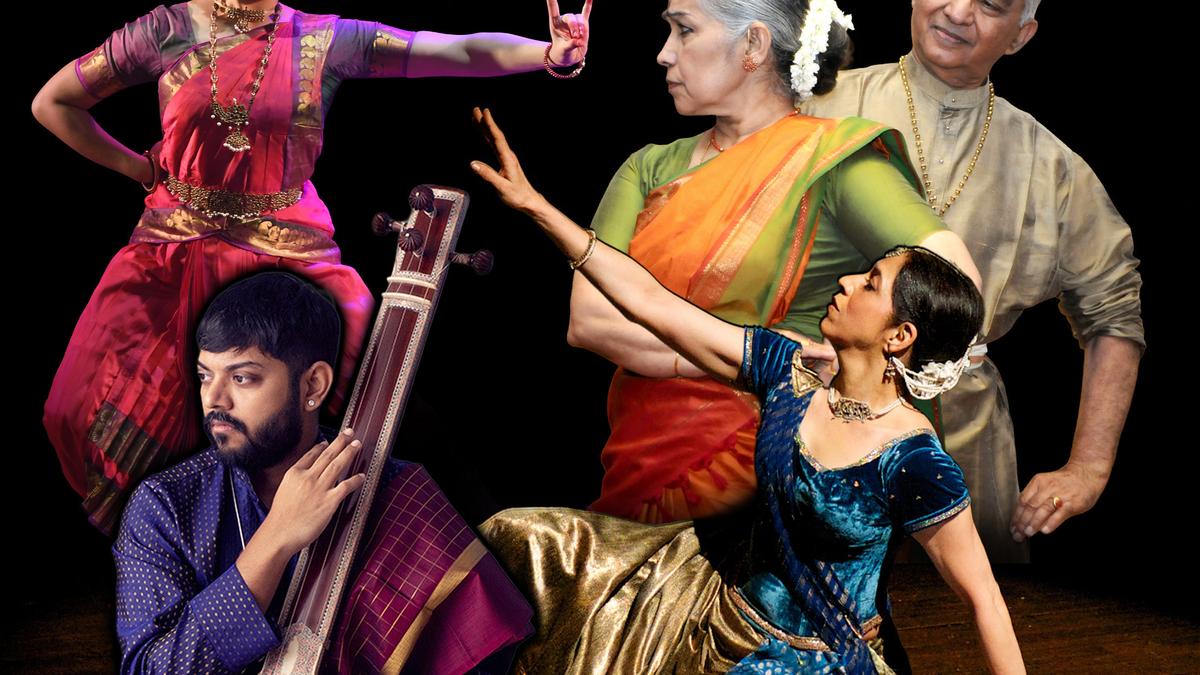
This year’s Guru Purnima felt markedly different. Coming in the wake of a major student-led protest and an unusual moment of collective introspection, it highlighted a generational shift with young people demanding to be heard and asserting their agency. That impulse is also reshaping the guru-sishya parampara in Indian classical arts, where the teacher-disciple relationship is becoming less hierarchical and more interactive.Social media has accelerated this change, much like it recently helped build the narrative around Gen-Z across the country.Yet, not every guru sees technology as central to this transformation. Veteran Bharatanatyam natyacharyas, Shantha and V.P. Dhananjayan, point out to the enduring value of personal connections. “Training in dance is not limited to teaching the technique; it’s also about emotional mentorship. The trust that develops between the teacher and student over the years is more valuable than technical accomplishment and stage success. Today one of our students from the U.S., who is visiting Chennai after several years, came all the way to our home to meet us.” For the Dhananjayans, such gestures embody the essence of the guru-sishya bond, which is defined by a lifelong sense of belonging.
Guru Purnima special: How Gen Z is redefining the rules of learning in classical arts
On the occasion of Guru Purnima, looking at how from Bharatanatyam to Carnatic music, gurus and disciples are redefining tradition.
966 words~4 min read