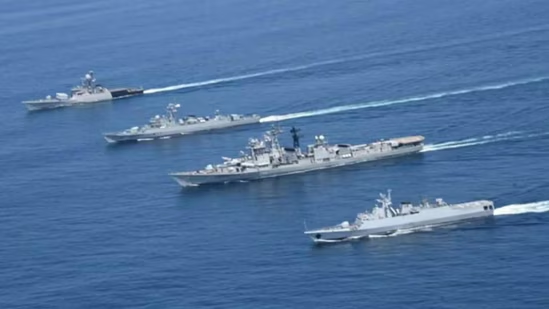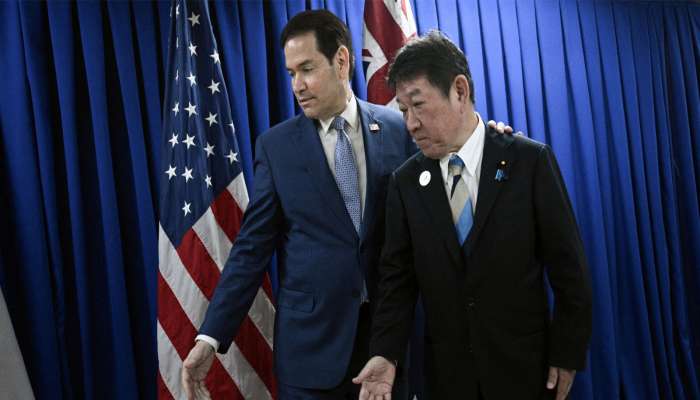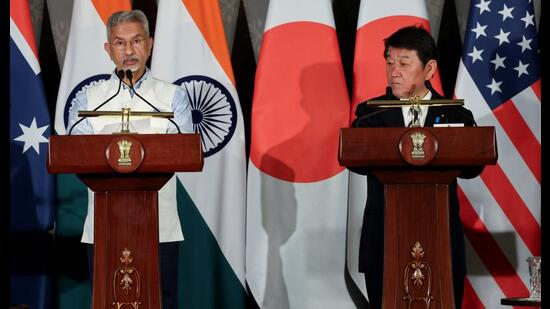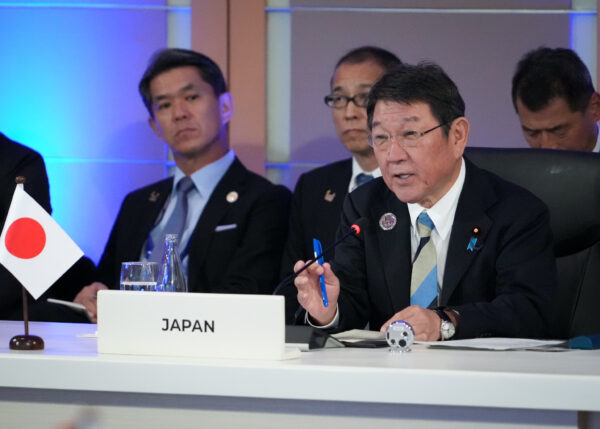
Japanese Foreign Minister Motegi Toshimitsu’s visit to Manila last week was more than another round of ASEAN diplomacy. It represented one of the clearest public manifestations of Prime Minister Takaichi Sanae’s updated Free and Open Indo-Pacific (FOIP) strategy, demonstrating how Japan is shifting its engagement with Southeast Asia beyond traditional development assistance toward practical security cooperation.
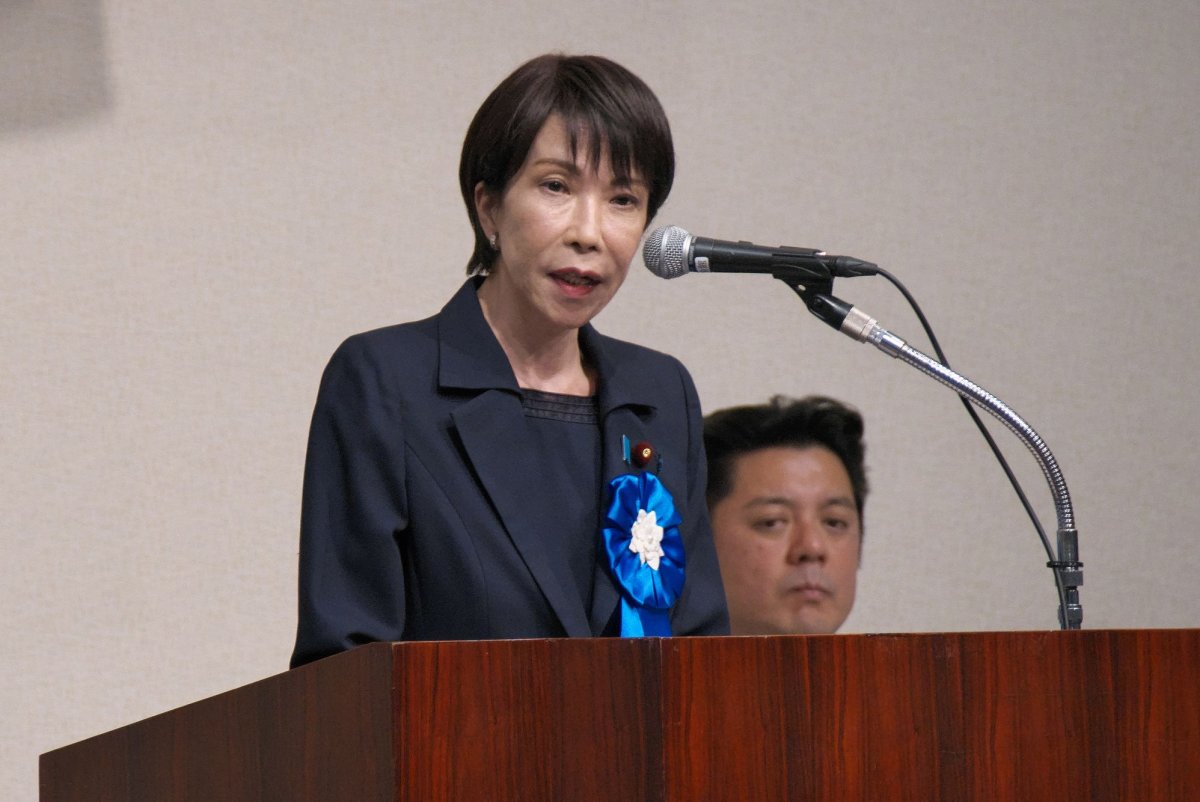
Takaichi outlined that strategy in a foreign policy speech at Vietnam National University in Hanoi on May 2, marking a decade since the late former Prime Minister Abe Shinzo first proposed the FOIP vision. Takaichi argued that intensifying geopolitical competition, rapid technological innovation, and the rise of the Global South require Indo-Pacific countries to strengthen their “autonomy” and “resilience.” Her updated FOIP strategy identified three priorities: building economic infrastructure for the AI and data age, including resilient energy and critical mineral supply chains; promoting growth through public-private cooperation and shared rules; and expanding security cooperation to preserve regional peace and stability.
Equally important, Takaichi stressed that FOIP complements rather than competes with the ASEAN Outlook on the Indo-Pacific (AOIP). The message was intended to reassure Southeast Asian governments that Japan supports ASEAN-led regional institutions while helping member states strengthen their own strategic autonomy.