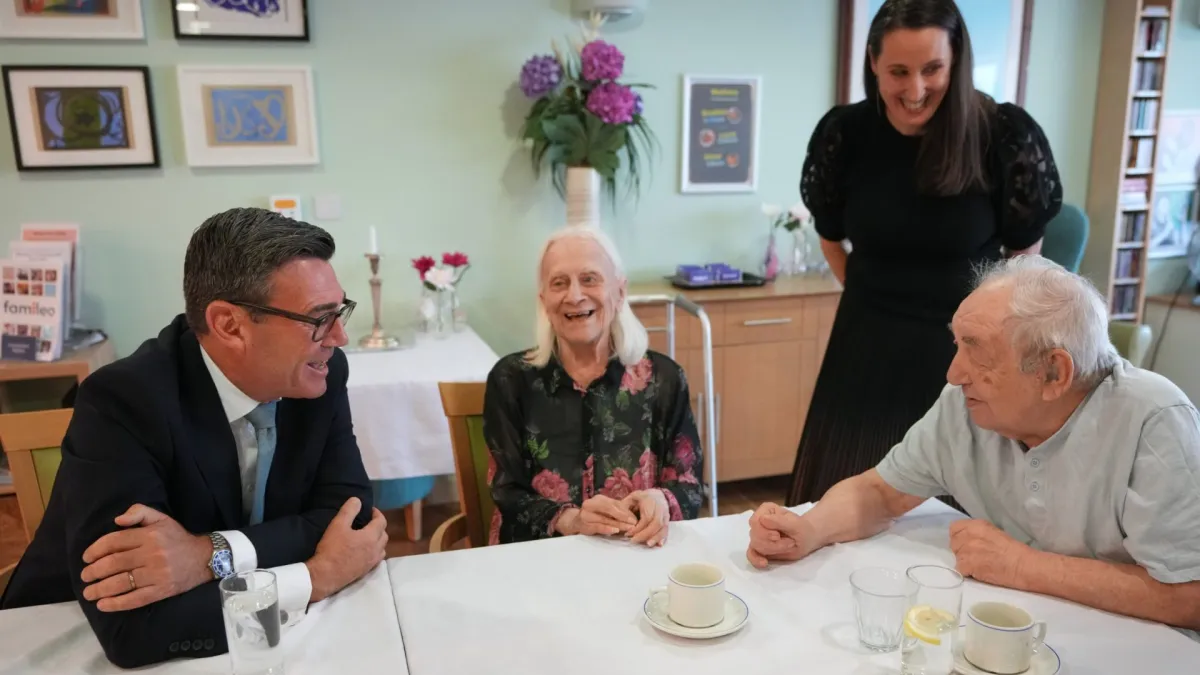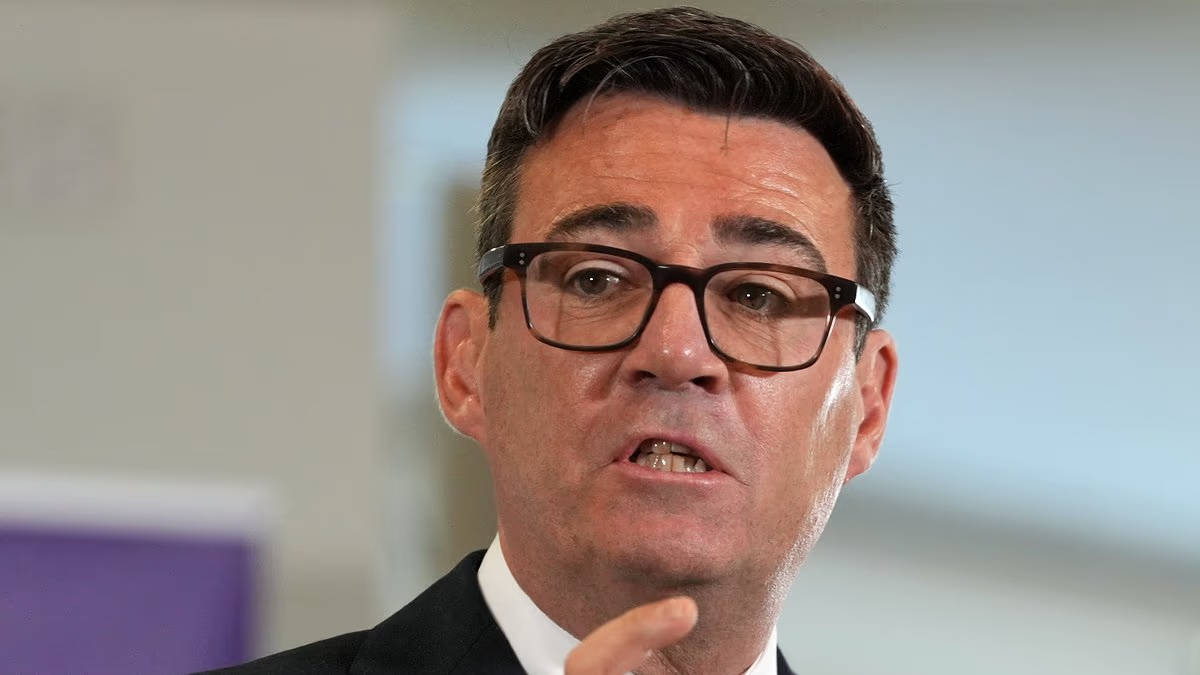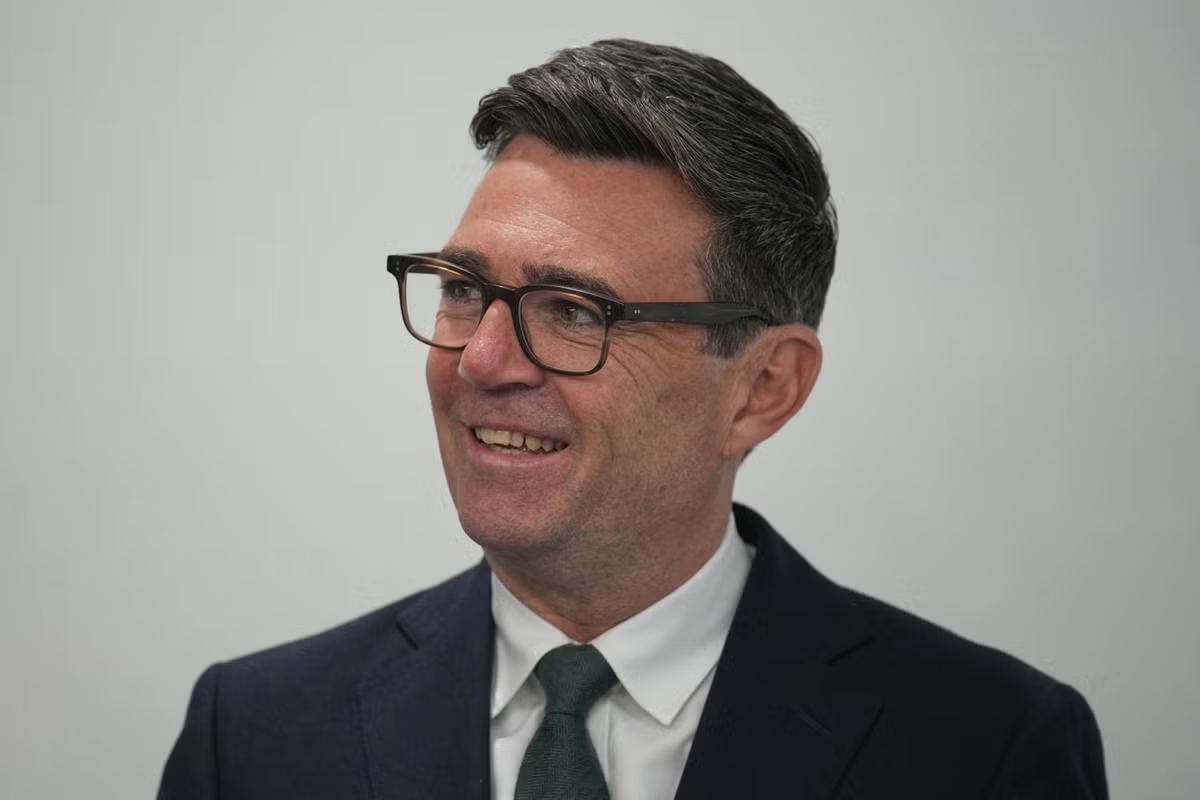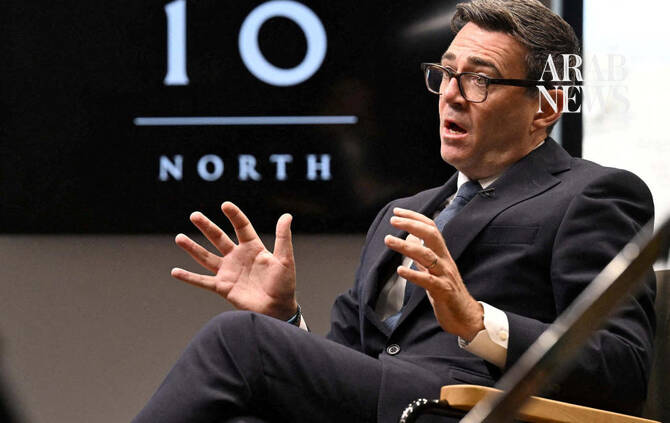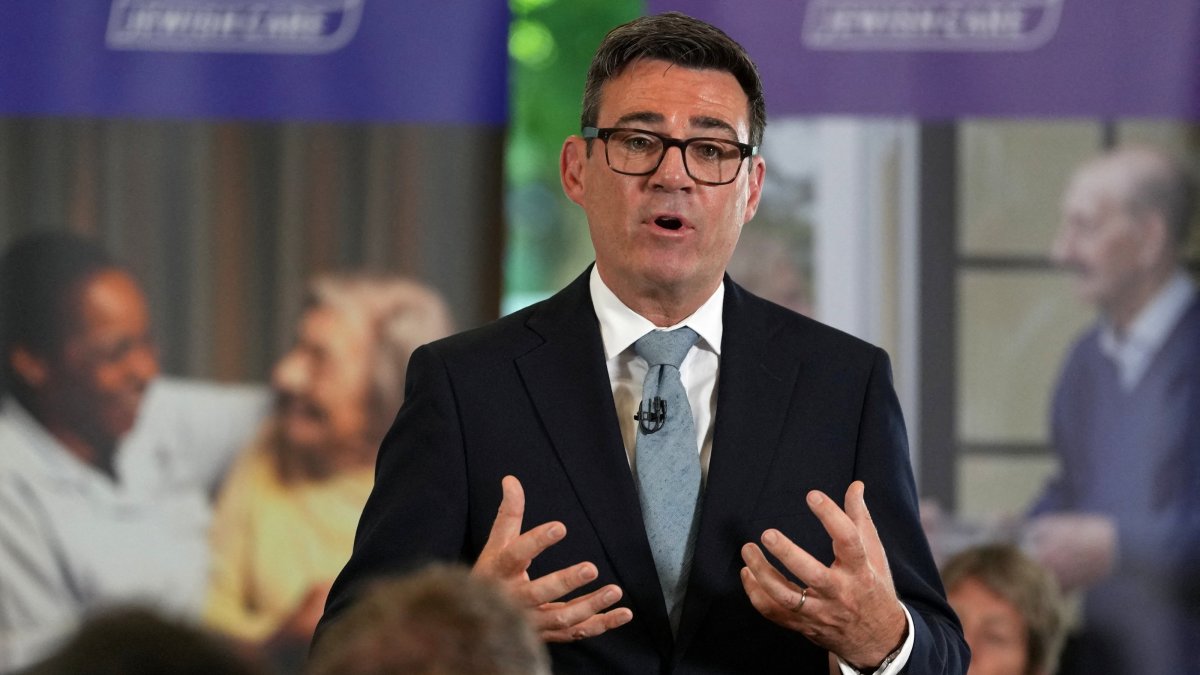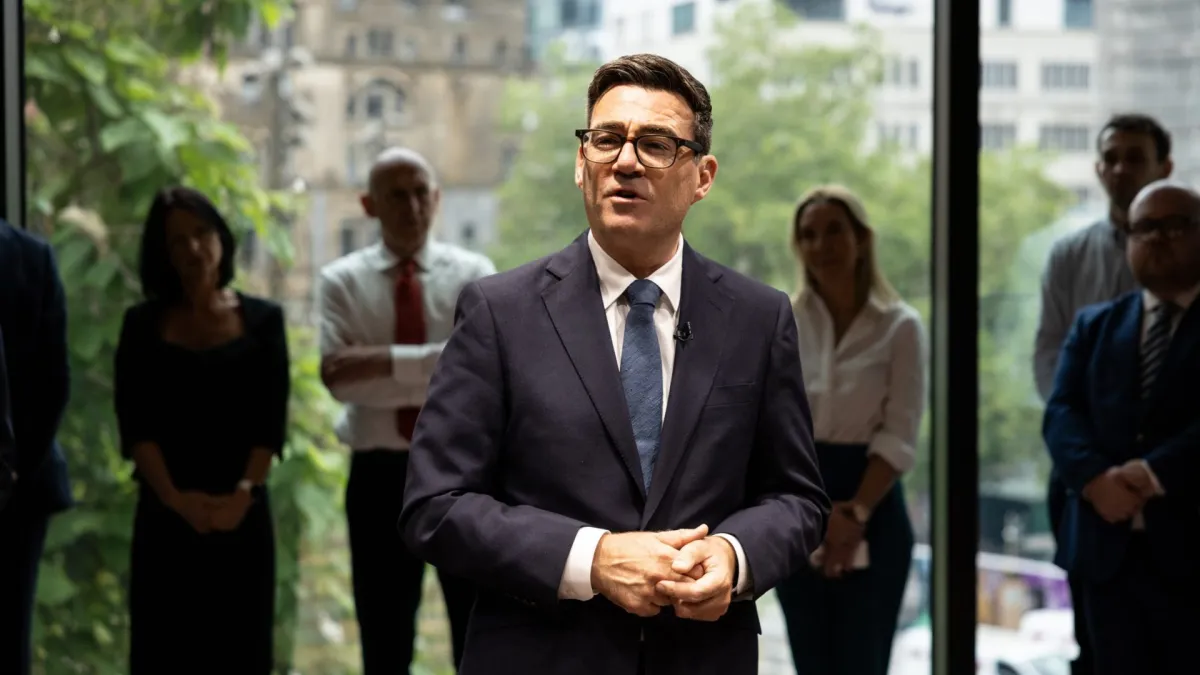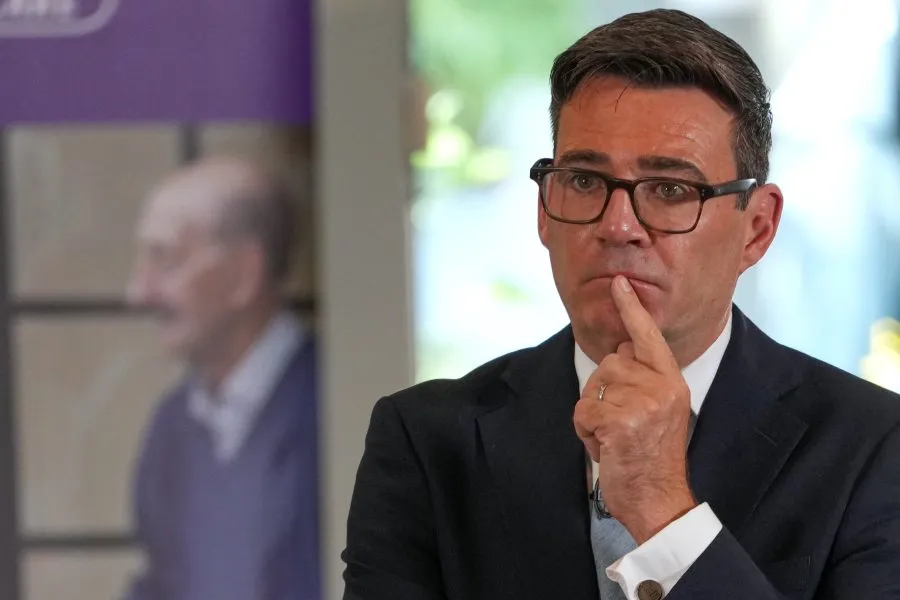
Andy Burnham has all but confirmed that tax rises are coming to fund major reforms to social care. In the Prime Minister’s his first press conference with – gasp – real journalists, Burnham set out his approach to an issue that has plagued successive governments. Speaking at a Jewish care home in Golders Green, Burnham declared he was willing to make ‘difficult decisions’ and risk unpopularity to deliver a national care service. The Prime Minister indicated that he was prepared to put everything on the line to achieve his aim – including his premiership.
Burnham said: ‘I know that this will require me to put what political capital I have on the table, and it could sort of wear down that political capital in some ways. But I’m prepared to do it, because this has gone on for too long. The risks of failing to act have been too great.’
If Burnham wants to impose sweeping tax changes to fund major reforms, by what mandate can he do so?
Policy details were scant, but Burnham did announce that the Casey Review into social care – including a plan for funding reform – would be brought forward by a year, to be published in 2027. Baroness Louise Casey, who is leading the review, will launch a ‘national conversation’ about different care models and how they could be integrated within the NHS. Reports that funding options under consideration include a new 1.8 per cent levy on earnings above £6,240, or a 10 per cent death tax on all estates, have already emerged.