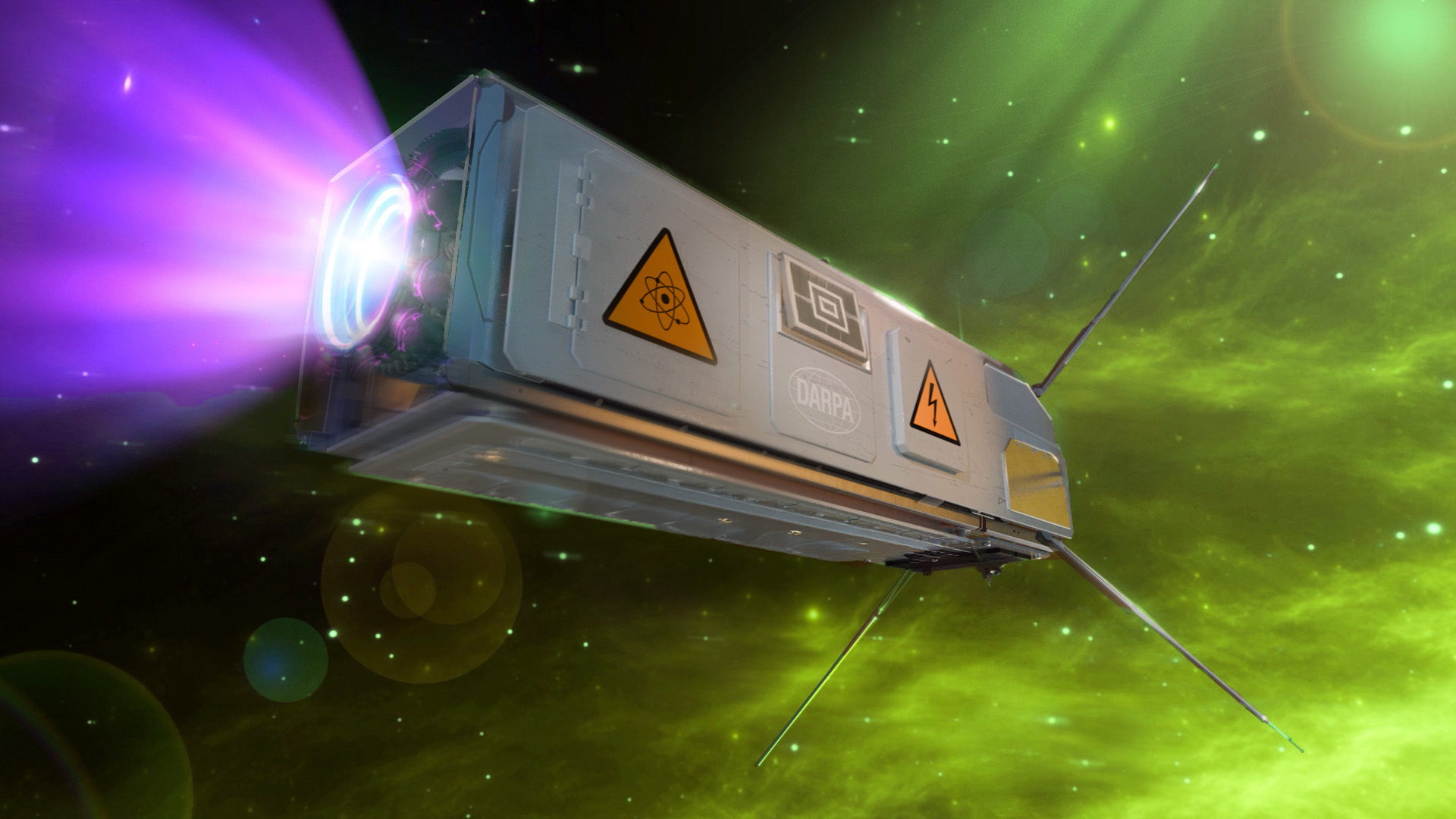
WASHINGTON — The biggest roadblocks to having transportable nuclear power, according to DARPA program manager Tabitha Dodson, come down to heat and weight.
“There’s an enormous amount of energy inside a nuclear reaction, whether it’s fission or radioisotope,” Dodson told Breaking Defense. “[But] there is a lot of heavy and non-transportable hardware that deal with heat management for both fission and RTG [radioisotope thermal generators] systems. That heat management piece is always what drags down all of the dreams of transportable nuclear power.”
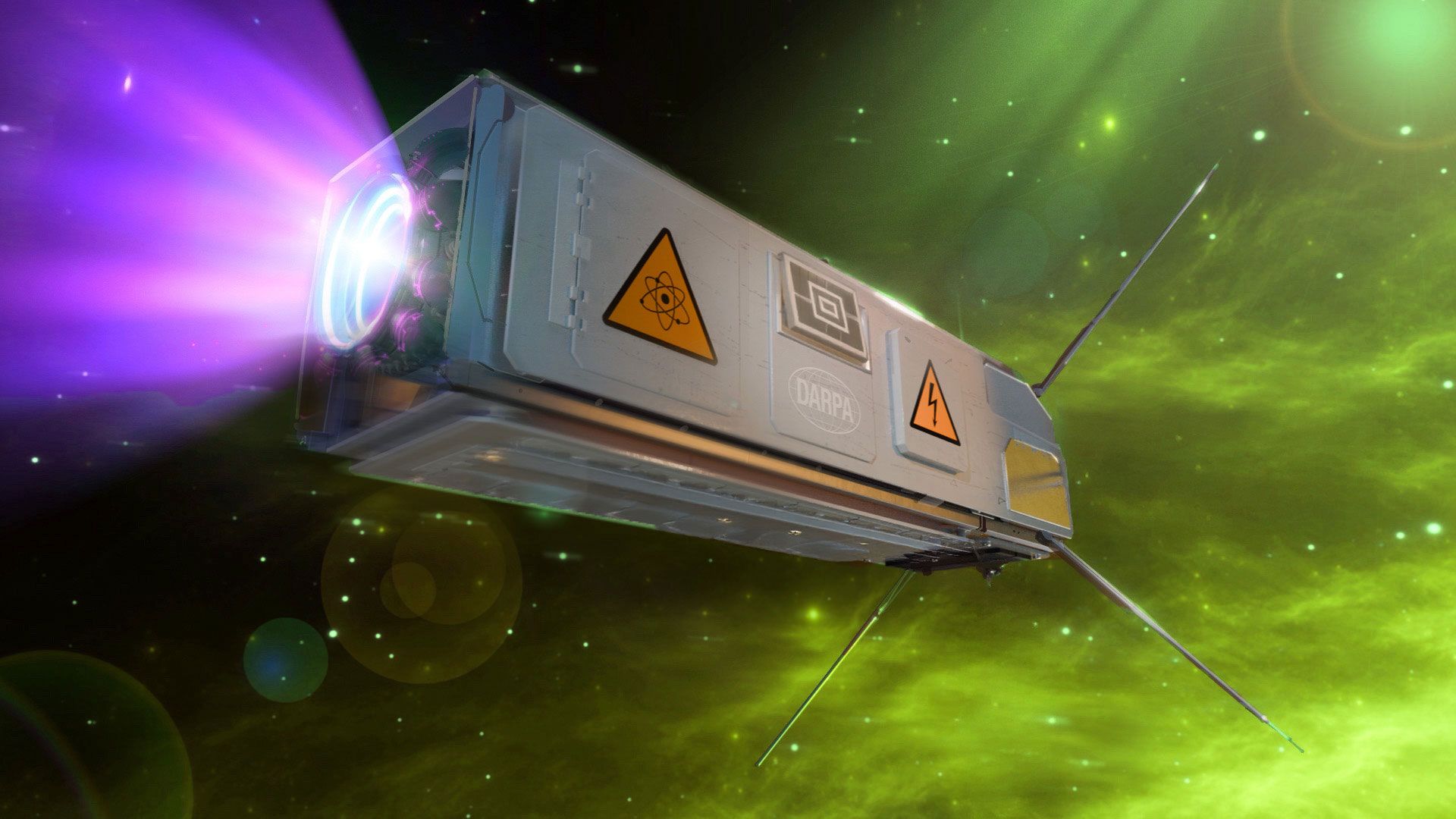
As a way to bypass that roadblock, DARPA funded seven competing teams as part of its Rads to Watts program to refine a range of approaches to radiovoltaics. The objective of the multi-million-dollar program (full figures weren’t disclosed) is a new kind of miniature power cell that can run anything from satellites in space to tactical radios to pacemakers, tough enough to work for years or decades without recharging and in extreme environments that freeze or fry traditional power systems.
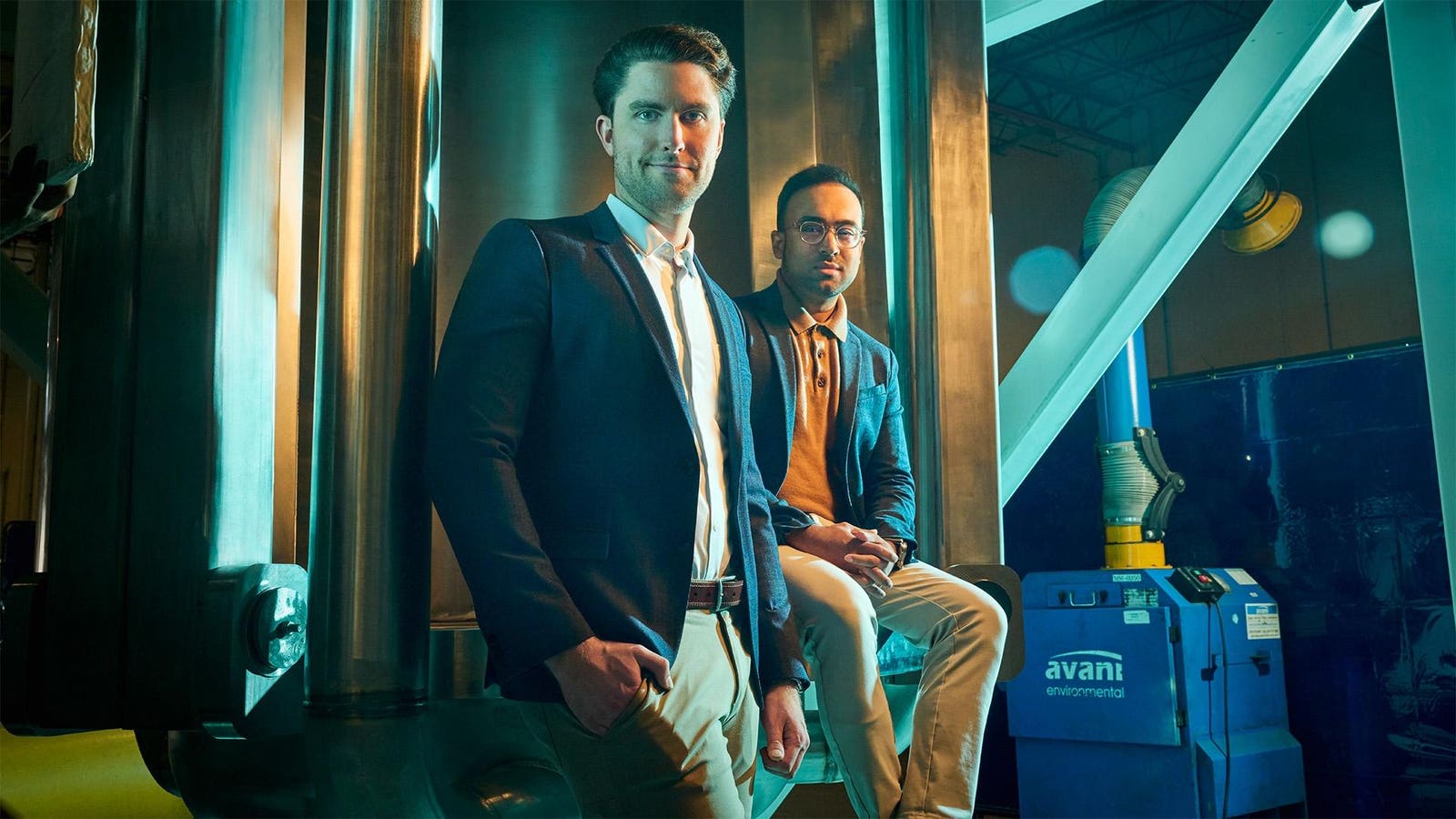
“We’re going to go out there and replace the AA battery with something that lasts 30 years,” said Staff Sheehan, founder and CEO of Project Omega, a Rads To Watts contractor. Larger versions could replace diesel generators at forward bases, he told Breaking Defense, while the smallest could fit on a computer chip, acting as a built-in battery.