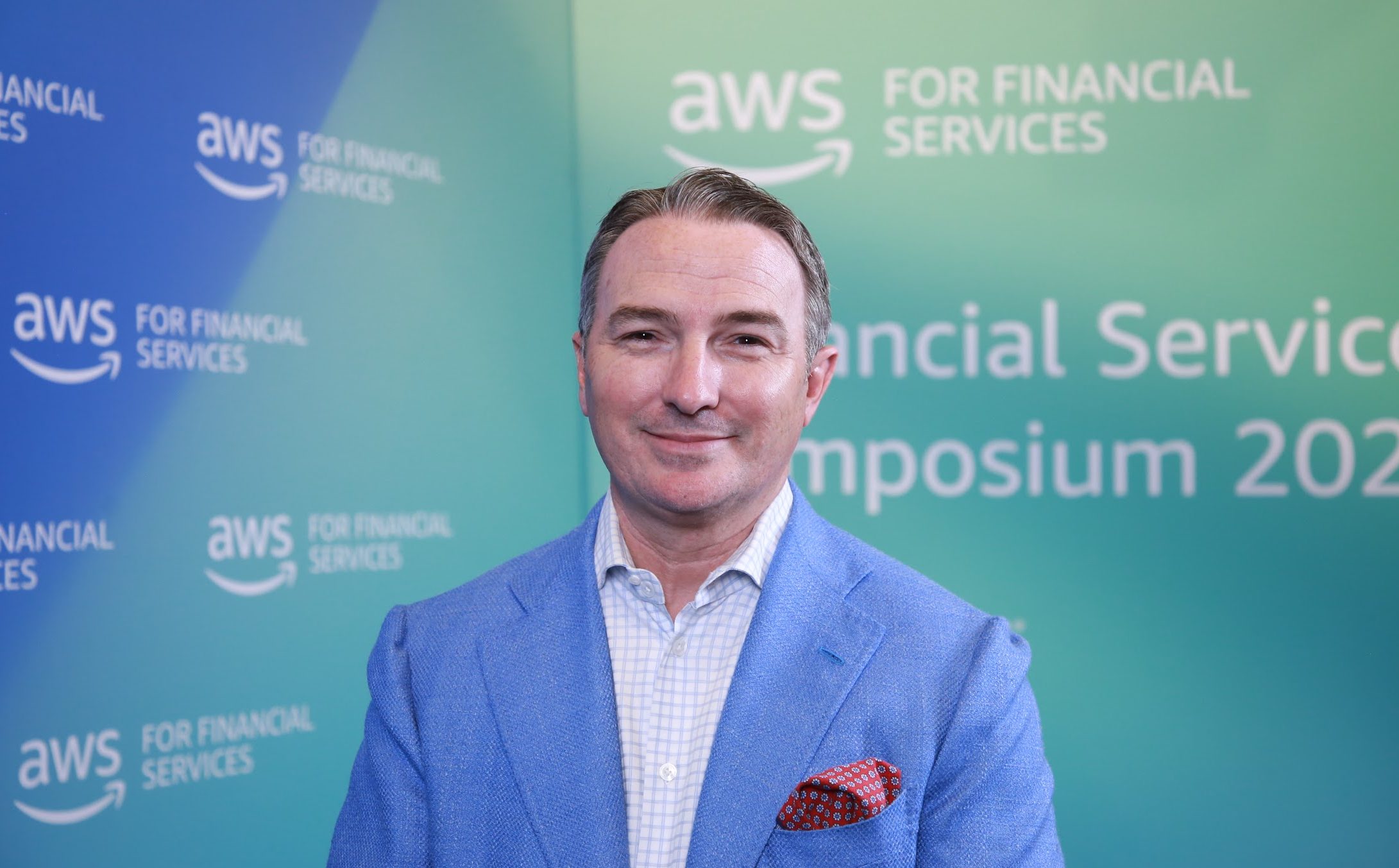
For years, fintech has promised to transform the way we manage money. We've built budgeting apps, investment platforms and digital banks that have made finance more accessible than ever before.Yet one question remains: if we have more financial technology than ever, why aren't people making significantly better financial decisions?The answer is simple. Most financial tools are still reactive. They tell us where our money went, how our portfolio performed, or how much we've saved, after the fact. They're excellent at reporting yesterday, but they do very little to improve tomorrow.The next chapter of wealth management won't be built on more dashboards or more investment products. It will be built on intelligence.Behavioural science has long shown that financial success is driven less by finding the perfect investment than by consistently making better everyday decisions. Spending habits, saving discipline, debt management and long-term thinking have a far greater impact on financial outcomes than trying to time the market. Yet these are precisely the areas where traditional financial services have offered the least guidance.Artificial intelligence changes that.Rather than simply analysing historical transactions, AI has the potential to understand financial behaviour, identify patterns, anticipate future outcomes and provide timely, personalised guidance before small financial decisions become bigger problems. That is the shift from reactive finance to predictive finance.The wider industry is already moving in this direction. McKinsey notes that AI is fundamentally reshaping financial services, with institutions racing to deliver more personalised and intelligent customer experiences. At the same time, the World Bank's latest Global Findex highlights the rapid growth of digital financial services, creating richer financial data than ever before. The opportunity is no longer collecting data, it's turning that data into meaningful financial intelligence.This isn't about replacing human judgement with algorithms. It's about democratising access to the kind of financial insight that was once reserved for private banking clients. Intelligent technology should help people understand the consequences of today's decisions, build healthier financial habits and make more informed choices over time.Ultimately, wealth isn't created by one great investment. It's built through thousands of small decisions made consistently over a lifetime.The future of wealth management won't belong to the platforms that simply tell people what happened yesterday. It will belong to those that help people make better decisions for tomorrow.That is where the industry is heading and it is the future.Benito MableBenito Mable Co-founder & CEO, Vault22
AI wealth management could turn reactive finance into predictive guidance
Discover how AI-driven predictive finance is reshaping wealth management, turning everyday money choices into smarter long-term financial outcomes.
394 words~2 min read