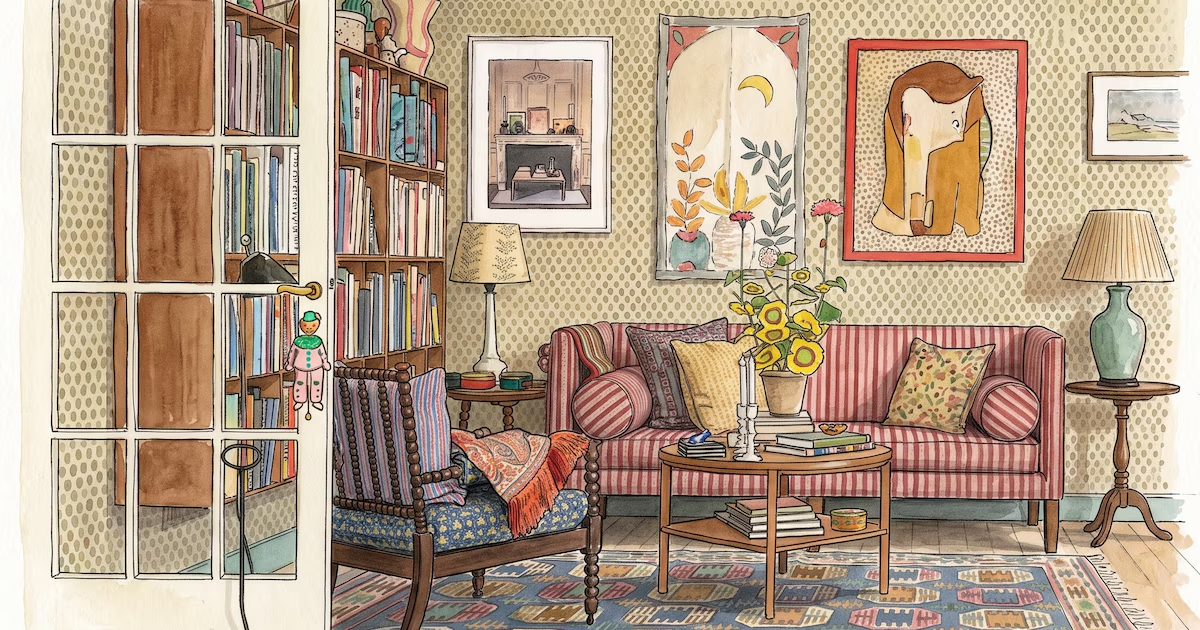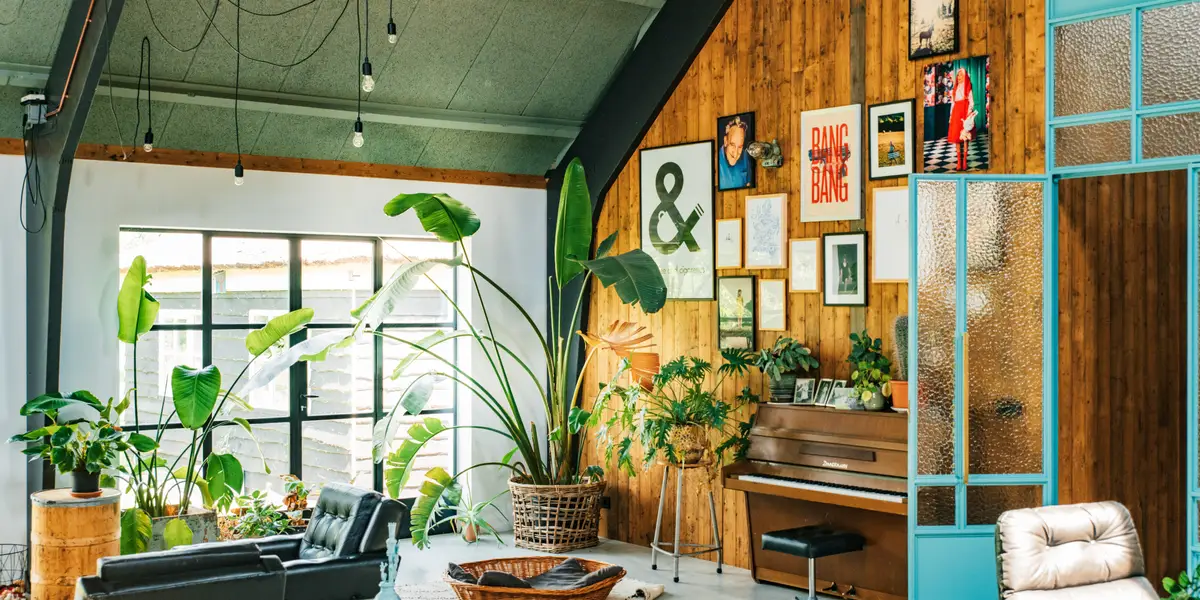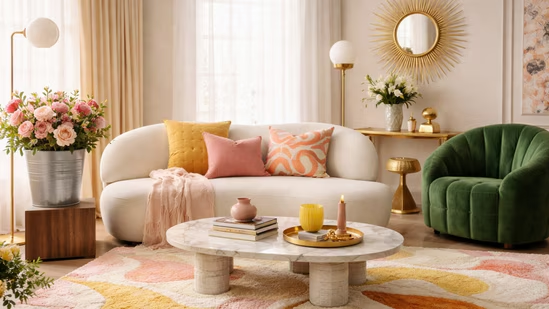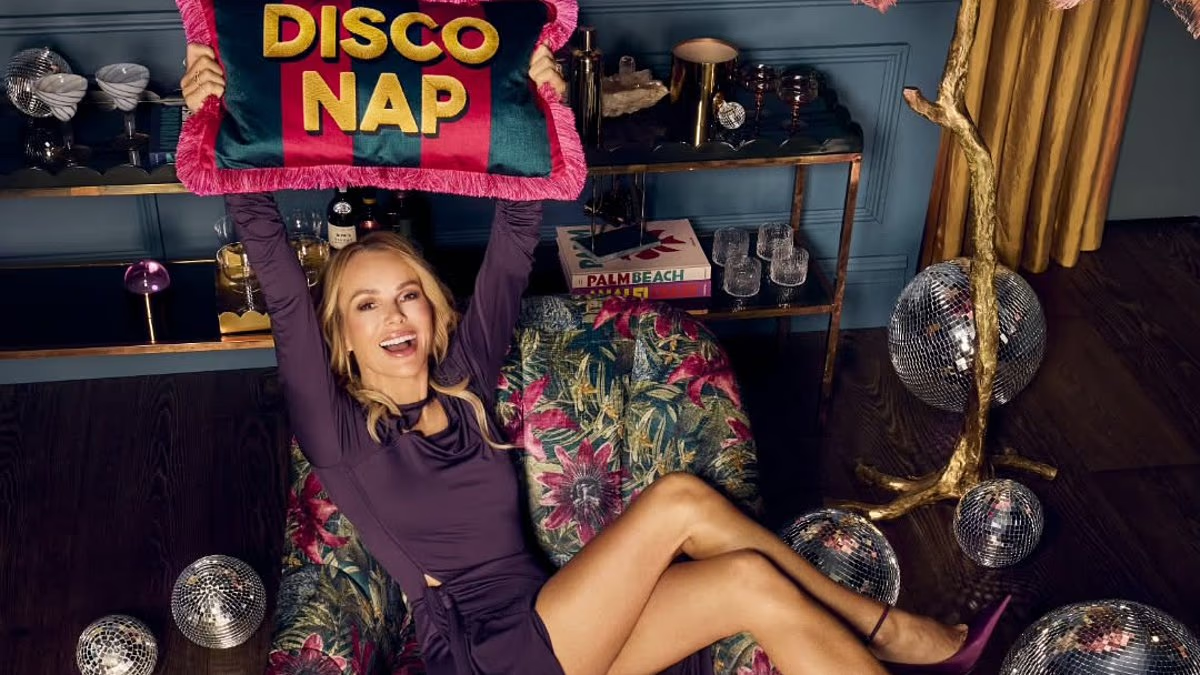
Daily Mail journalists select and curate the products that feature on our site. If you make a purchase via links on this page we will earn commission - learn moreThese old decor favourites from the 1980s like chintz upholstering, wildflower wallpaper and warm plaster tones are slowly edging their back into modern homes.Not in the way we once knew them, though. Gone are the days when bold, dramatic wallpaper and clunky, curved sofas would serve as a room's main feature.Instead - no doubt thanks to popular TV series like Stranger Things and Rivals - homeowners are embracing smaller, subtler touches of classic 80s decor - and somehow, it just works.From purple velvet, hot pinks and mint greens, to rattan furniture, brass coffee tables and glass wall dividers, three experts explain why these retro features don't have to haunt your home.Instead, they can add character, warmth and a pop of personality to the modern homes we have today.Jordana Ashkenazi, Founder and Design Director of Element One House, said: 'For years, interiors became incredibly flat.'We went through the grey era, where everything was monochromatic, square, minimal and very safe. Then came beige and quiet luxury. Now we’re seeing a real change. People want homes that feel joyful, expressive and individual again.'Read on to discover which retro styles are making a comeback - and how to bring them into your home in a stylish way. Amanda Holden pictured alongside her sofa collection in partnership with DFS - if you look closely, you'll spot plenty of nostalgic 80s decor, from velvet material and brass tables to chintz armchairs Chintz upholstering Matching everything from armchairs and sofas to drapes and wallpaper in a single room, chintz upholstering was everywhere to be seen in homes in the 1980s. Famously championed by decorators like Mario Buatta - known as the 'Prince of Chintz' - soft furnishings, right down to tablecloths and divan sheets, would feature bold, dense, floral prints, some mixed with with secondary checks, stripes, or smaller prints on cushions and trims.The busy pattern is now making a comeback, although more as part of a maximalist shift away from beige and sterile grey spaces, falling under trends known online as 'grandma core' and 'prairie core'. Jordana says...Right way: Introduce one carefully chosen floral through a Roman blind, cushion, accent chair or a single upholstered piece. Pair it with natural stone, warm timber, textured linens and contemporary furniture so it feels fresh rather than old-fashioned.Wrong way: Avoid matching chintz across curtains, sofas, cushions and upholstery. Too much can quickly feel overly coordinated and dated. The aim is to reinterpret the trend through a modern lens, not recreate the past.Wildflower wallpaper Back in the 1980s, floral wallpaper was far from subtle, with bold blooms often covering every inch of all four walls in a room. Today, it's being reimagined in softer colour palettes and used as a singular statement wall or inside alcoves rather than throughout an entire space. Paired with neutral furnishings, this typically busy wallpaper choice can add warmth and personality without overwhelming a room. Jordana says...Right way: Use them in a cloakroom, bedroom or dressing room where they can become a beautiful focal point. They’re a wonderful way of introducing colour and pattern without overwhelming the entire home.Wrong way: Don’t feel every room needs wallpaper. Covering multiple spaces in bold florals can quickly become overpowering. Let one room enjoy the spotlight. Pictured: Holly Willoughby which showing off her wallpaper and homeware collection with Dunelm in 2022Warm plaster tones Peach, terracotta, and sandy plaster tones were shades that would often dominate homes in the 80s, often paired with matching carpets and textured walls. While this particular design has faded over the years, these earthy tones are returning in the form of painted feature walls, limewash finishes and natural clay-inspired palettes. They bring depth and warmth to contemporary spaces while complimenting modern minimalist homes. Jordana says...Right way: Layer them with limestone, natural oak, textured linens and warm metals to create depth and warmth. They provide the perfect backdrop for introducing colour, artwork and personality elsewhere in the room.Wrong way: Mixing warm plaster shades with harsh cool greys or bright white finishes can leave a room feeling disconnected rather than cohesive.Purple velvet Once synonymous with glamorous 80s living rooms, purple velvet appeared on everything from bedding to sofas to curtains. Rather than dominating a room today, the fabric is now typically reserved for statement chairs, cushions or ottomans. Used sparingly, it not only introduces a dash of texture, but also a touch of luxury without feeling dated. Jordana says...Right way: Introduce it through a cushion, occasional chair or even a simple upholstered headboard. Choose a luxurious matte velvet with a rich texture and understated finish in plum or aubergine tones.Wrong way: Avoid crushed velvet, shiny velvets, heavily tufted headboards or filling a room with purple upholstery. Used excessively, it can quickly feel theatrical rather than sophisticated.Hot pink and mint greenThe vibrant and pastel colour combinations of the 1980s were often unapologetically bold. Today, designers are using these shades as playful accents through artwork, ceramics, cushions or painted furniture instead of entire colour schemes, resulting in a fresh, nostalgic nod to the decade without overpowering the room.Jordana says... Right way: Introduce them through artwork, cushions, lamps, floral wallpaper or fabrics, particularly in bedrooms, dressing rooms, children’s rooms or cloakrooms where you can be a little more playful. Small doses create impact.Wrong way: Decorating an entire room in multiple pastel shades can quickly become overwhelming. Colour should complement a room, not dominate it.Rattan furniture Once hugely popular in homes, especially in conservatories and sunrooms, rattan furniture has returned with a more refined look. Its natural texture, now often seen in occasional chairs, pendant lights, coffee tables and storage pieces, helps soften sharp modern interiors. Jordana says...Right way: Introduce it through a bedside table, mirror, cabinet front, lighting or an occasional chair to add subtle texture without overwhelming the room. Wrong way: Filling an entire room with rattan furniture risks making it feel themed rather than timeless.Curved sofas Chunky curved sofas made a dramatic statement in many homes in the 1980s, though modern versions retain the soft, rounded silhouette as well as featuring cleaner lines and neutral fabrics. They help create a relaxing, inviting feel while breaking up the straight edges commonly found in today's homes. Jordana says...Right way: Let one curved sofa become the statement piece and balance it with cleaner, straighter furniture elsewhere.Wrong way: Too many curved pieces competing together can feel gimmicky. One statement piece is usually all you need.Glass wall dividers Glass brick and glass partition walls were once the hallmark of a fashionable 1980s interior, bring a strobe of light into dark spaces. Today's designs steer more toward slim-framed fluted or reeded glass dividers that create the illusion of separation without blocking natural light. They offer privacy while maintaining the open-plan feel many homeowners still want. Jordana says...Right way: Glass partitions are a fantastic way of creating zones without losing the feeling of openness. They can be frameless for a minimalist look or framed in antique brass, brushed bronze, black or gunmetal depending on the style of the home. Choose clear or fluted glass, introduce elegant Crittall-style glazing, or even incorporate beautiful arched detailing within the frame. They can also include hinged or sliding doors, making them both practical and stylish.Wrong way: Don’t install a glass partition simply because it’s on trend. It still needs to suit the architecture of the property and the way you live. Consider privacy, acoustics and functionality before replacing walls.Statement armchairs Oversized, sculptural armchairs were a staple of many 80s living rooms, often in bold colours or plush fabrics. Modern versions hold onto the curvaceous shape but swap loud prints for earthy tones, creams and muted jewel shades, providing a stylish focal point without dominating the space.Jordana says...Right way: Invest in one beautiful armchair with an interesting shape or fabric. A floral armchair can work beautifully in the right setting, particularly in a period home, provided it complements the rest of the room.Wrong way: Too many statement chairs or competing fabrics can make a room feel cluttered. Let one piece take centre stage.Glass and brass coffee tables Glass coffee tables were once found in countless British homes, prized for their sleek, modern appearance. They're back again, but with softer silhouettes, rounded edges and mixed materials like wood or stone, resulting in a sleek, modern finish that helps smaller rooms feel brighter and more spacious.Designers are also now embracing brushed brass and antique gold once found on vintage coffee tables for taps, handles and decorative accessories, adding warmth and a touch of vintage glamour. Jordana says...Right way: Pair glass and brass with natural timber, linen, stone and textured fabrics so the space still feels warm, balanced and contemporary.Wrong way: Too much brass, mirrored furniture and glass together can quickly start to feel more like an 1980s showroom than a modern home. Bold geometric prints From zigzags to abstract shapes, geometric patterns were everywhere in the 1980s. Rather than covering entire carpets or walls, today's homeowners are introducing them through cushions, rugs, artwork and throws. Used in moderation, they have the power to inject personality without overwhelming a room.Jordana says...Right way: Introduce them through cushions, rugs or wallpaper in smaller spaces such as a cloakroom, where you can have a little more fun without overwhelming the home.Wrong way: Layering lots of bold geometric patterns in competing colours can quickly become visually chaotic.Lacquered furniture Glossy sideboards, cabinets and coffee tables were synonymous with high-end 80s interiors. Modern lacquered furniture features cleaner lines and more muted colours, creating a polished finish that's sophisticated rather than flashy. It works particularly well with natural wood and textured fabrics. Jordana says... Right way: Choose one sculptural coffee table, side table, TV unit or console with softer organic lines. Used sparingly, lacquered furniture can feel incredibly luxurious and contemporary.Wrong way: Avoid filling a room with highly reflective lacquered furniture or overly square, boxy pieces. Too much shine can quickly make a room feel dated rather than sophisticated.
Chintzy decor is back! Expert reveals how to stop it looking 'frumpy'
While overstuffed floral sofas and floor-to-ceiling wallpaper on all four walls and are firmly out, UK homes are embracing subtle retro accents like rattan, glass wall dividers, and chintz upholstering.
1,678 words~8 min read