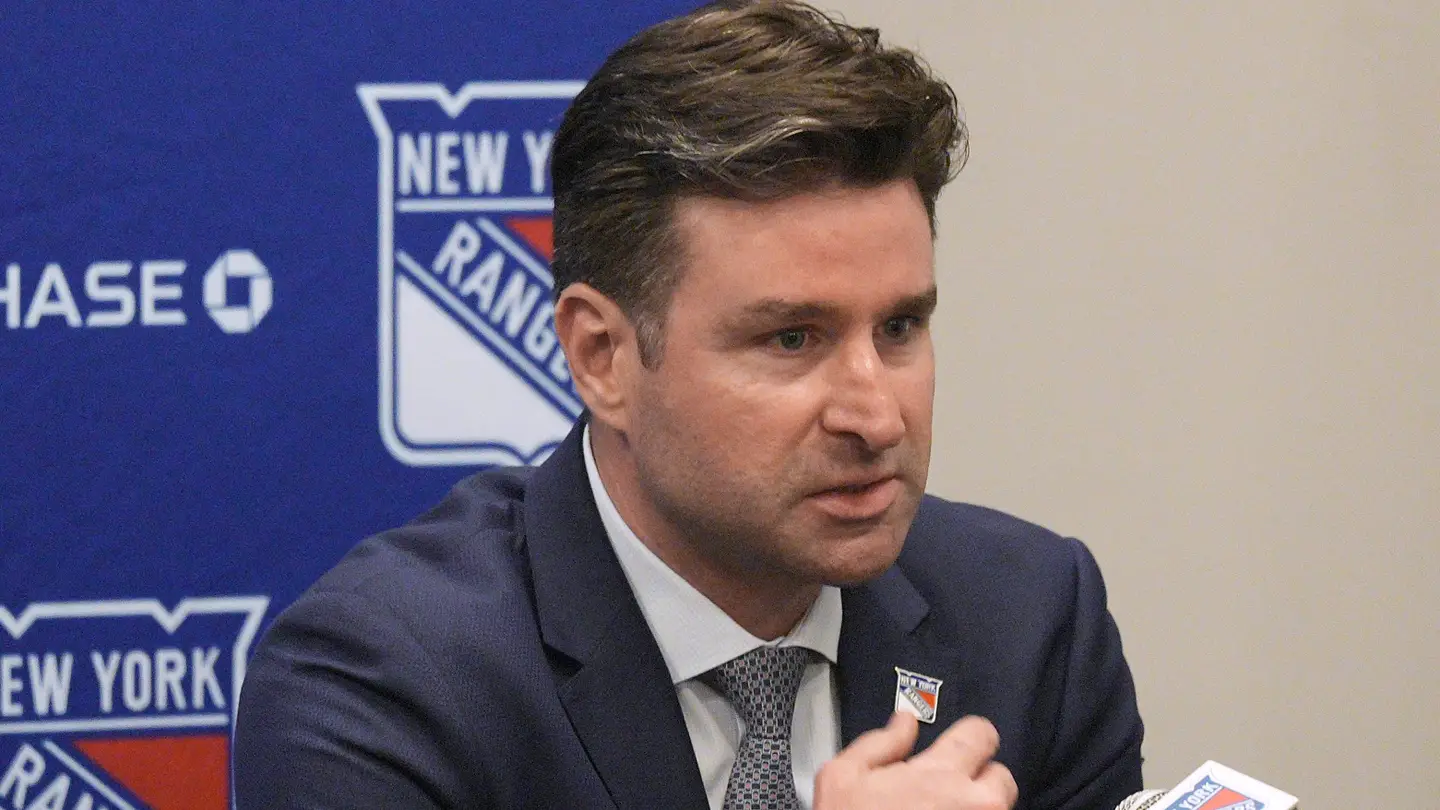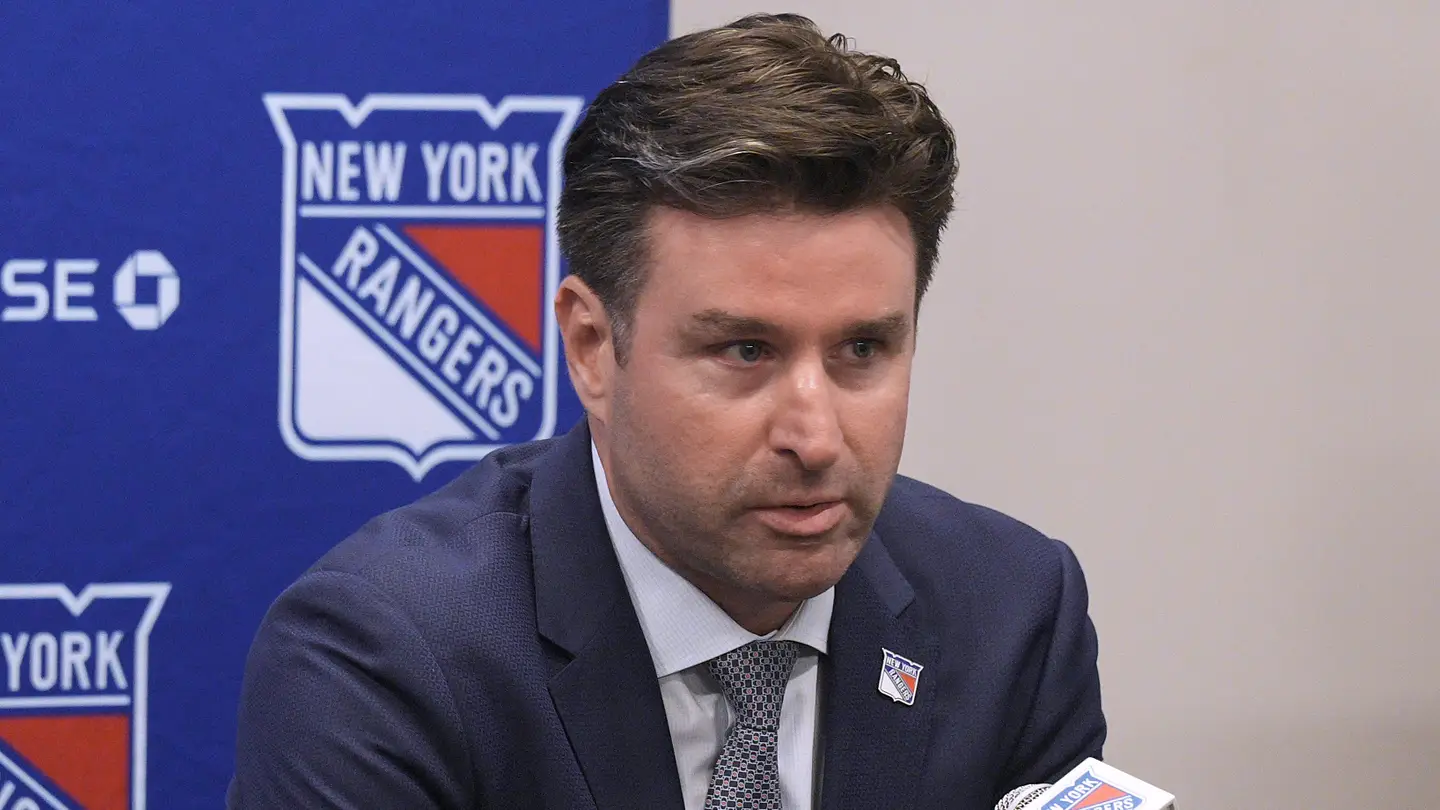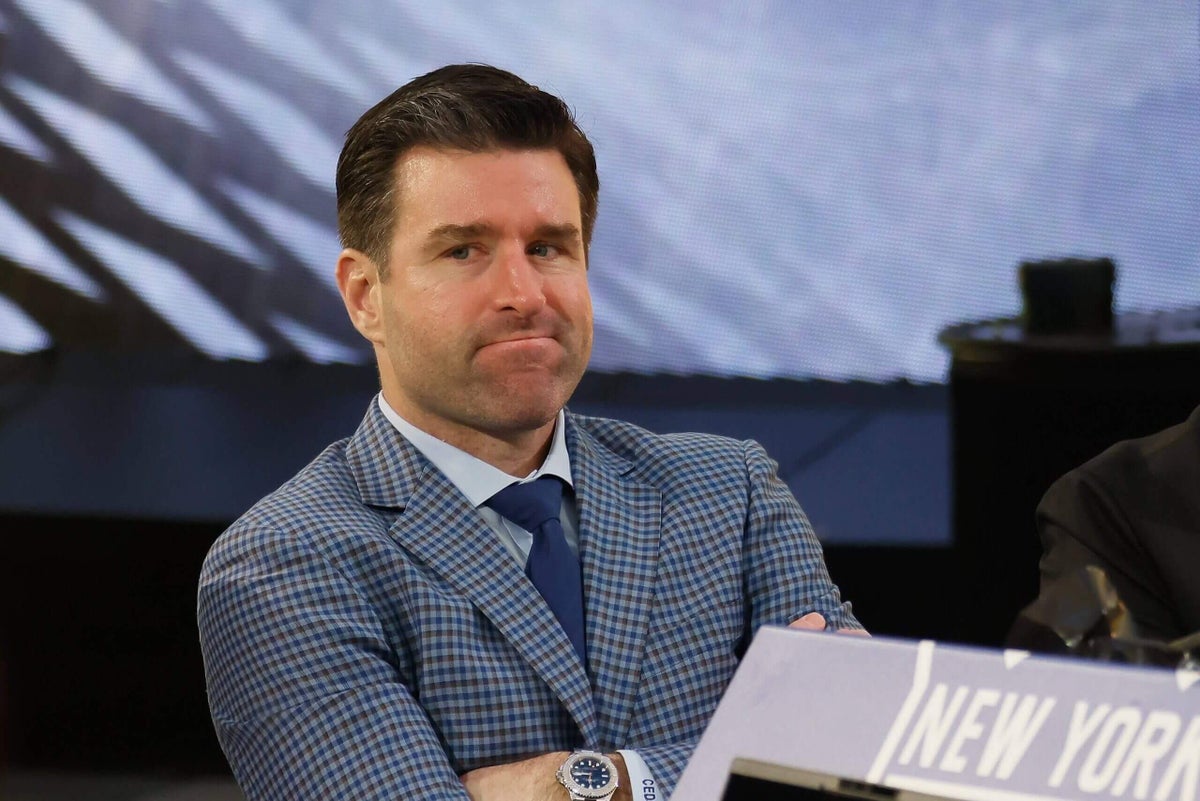
Peter Baugh got us started with Part 1 of our offseason mailbag earlier this week. Now it’s my turn to dive in with Part 2.(Some questions have been lightly edited for clarity and length.)How would you grade GM Chris Drury’s offseason? — Steven K.My initial thought is that a B feels right because the roster is more competitive now than when the offseason began. Since we won’t be able to properly judge many of Drury’s moves for a few more years, though, the real answer is probably TBD.There are so many variables that will dictate how we look back on this summer. It starts with Pavel Dorofeyev and No. 5 pick Alberts Šmits, two players who were acquired to be franchise cornerstones and must now prove they can shoulder those responsibilities. Cole Beaudoin is another key figure, with the future development of the 20-year-old center a critical part of evaluating the Vincent Trocheck trade. Above all, what becomes of the 2028 and 2030 first-round picks the Rangers traded for Dorofeyev and Marcus Pettersson, respectively, will eventually tell us if Drury took the right course or set the franchise back even further.Until we have those answers, the grade remains incomplete.I definitely get the upgrades to our second-pair D, and I think those were good moves, particularly Pettersson. But where does drafting Šmits and all those other LHD, plus the extra D pickups, leave Drew Fortescue and Matthew Robertson? — Erik K.You never want to put a ceiling on young players, particularly a prospect like Fortescue, who’s still only 21 and just turned pro. Maybe one (or both) forces their way into the lineup permanently, but the likeliest outcome is that Pettersson, Šmits and Vladislav Gavrikov hold down spots on the left side of the defense for years to come, thereby crowding out Fortescue and Robertson or pushing them to their off-hand side.There may come a time when New York looks to move on from one of the veterans in favor of a younger option, especially if 2026 draft picks Ben MacBeath and Charlie Morrison come charging in a few years. But there’s also a chance that the Rangers use some of their defensive depth to target forwards, trading from a position of newfound strength to address an area they know needs more pop.The reality is that some of these prospects won’t pan out, but if several do and a logjam is created, that would fall into the good-problem category.The best offensive teams in the NHL scored about 3.5 goals per game last season. The Rangers sat at 2.87, and that was with Panarin for much of the year. To be even middle of the pack offensively and score three goals per game, where in the world are 252 goals coming from? — Jake E.It starts with Dorofeyev, who scored a combined 72 goals the past two seasons (plus another 12 in this year’s playoffs) and gives New York a young shooter it desperately needed. But the 25-year-old is going to need help in terms of playmakers who can get him the puck and other scorers who can ease his offensive burden. For that to happen, the Rangers will need these three things to fall into place.
Rangers offseason mailbag, Part 2: Grading Drury’s moves, glaring long-term issues and more
Five-on-five offense remains a primary concern for the Rangers, but the power play can relieve some of that pressure.
1,784 words~8 min read