By
July 29, 2026 / 7:00 AM EDT
/ CBS News
Add CBS News on Google
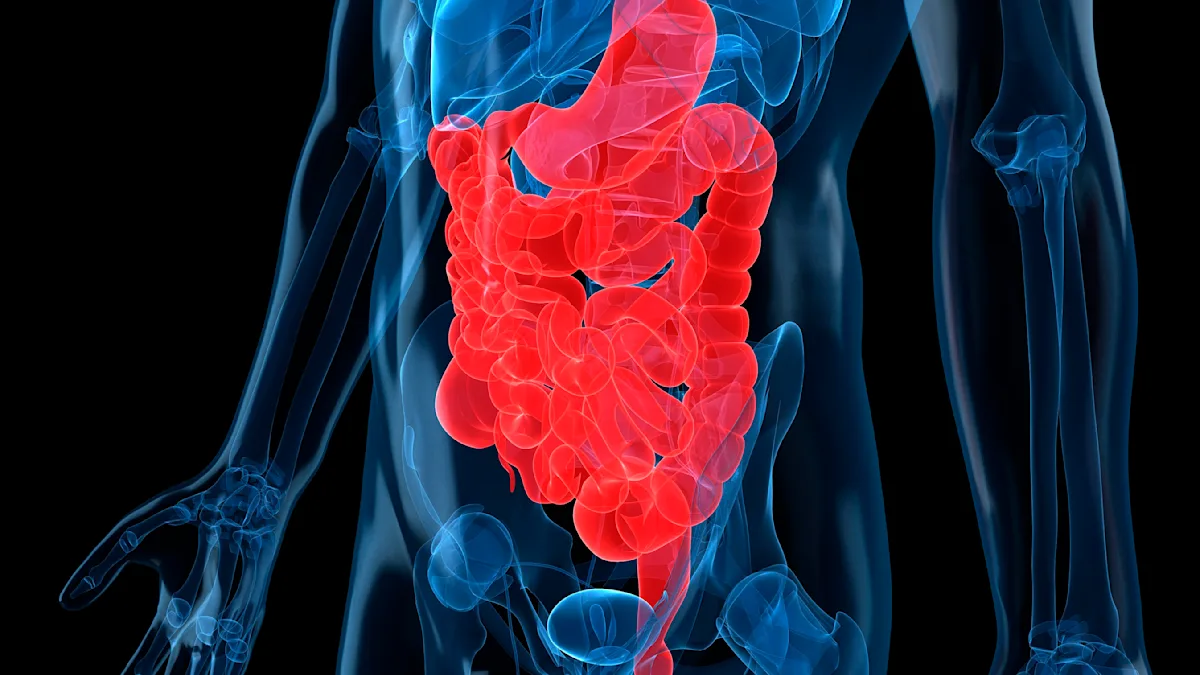
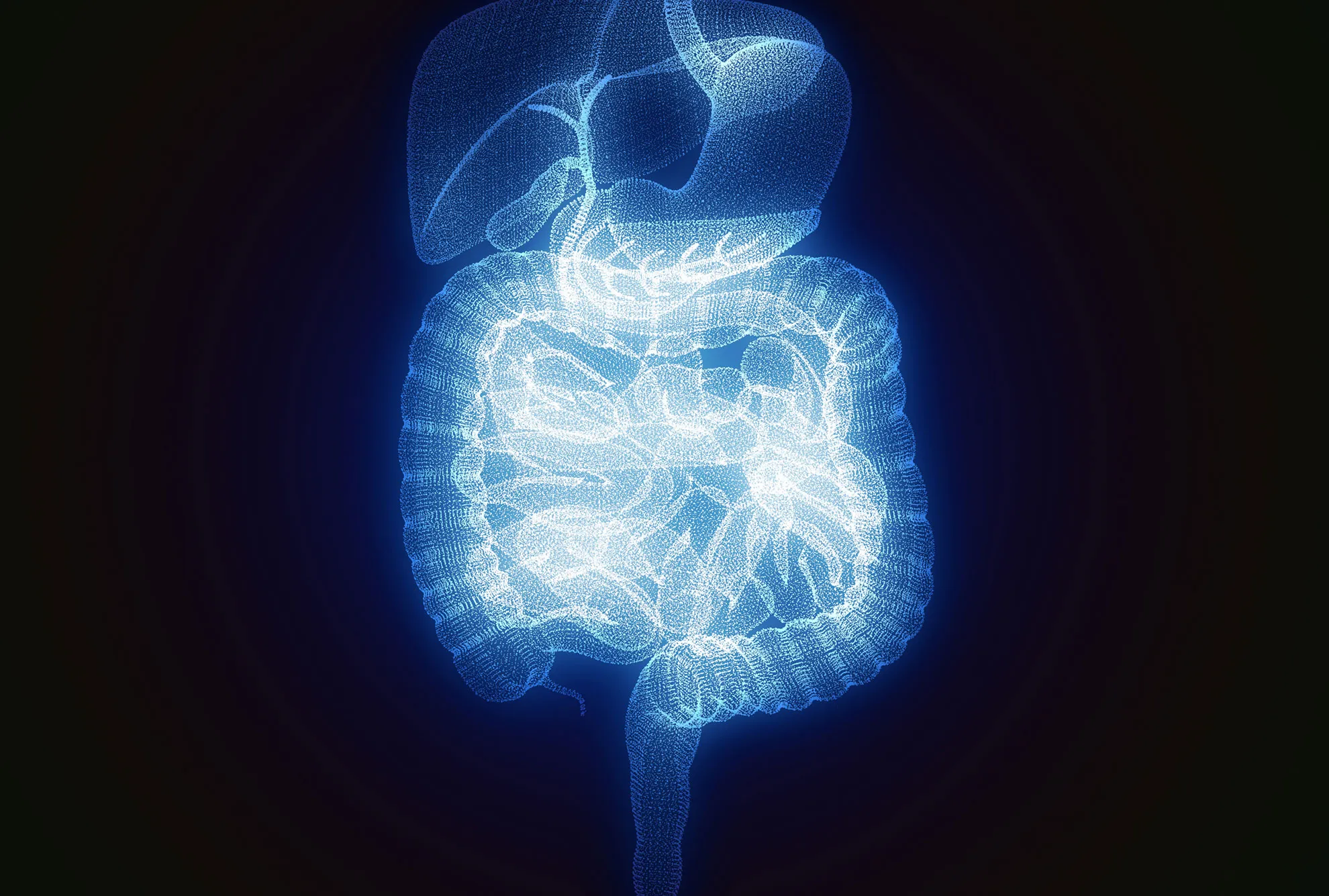
I've long been obsessed with the idea that there is an important connection between your gut and your brain, and now there's science to confirm that nutrition can help treat many diseases.Dr. Trisha Pasricha is a double board-certified internal medicine physician and gastroenterologist. She's the head of the Gut-Brain Institute and an assistant professor at Harvard Medical School. And you may know her from The Washington Post, where she's the "Ask a Doctor" columnist."I think the reframe that really helps is if you stop thinking about your gut as plumbing, you think about it as a brain," Pasricha told me in the newest episode of "Healthful."We covered everything from what to do if you get a cyclospora infection to why eating fewer ultra-processed foods can prevent dementia. Here's what I learned from our conversation — watch it on YouTube and listen wherever you get your podcasts: Constipation and REM sleep disorder could be early signs of Parkinson'sResearchers have made significant progress in finding early symptoms of Parkinson's disease that could show up decades before motor symptoms. Pasricha explained the "first-gut theory" of Parkinson's disease, which is that experts believe some cases of Parkinson's originate in the gut, not the brain. A hallmark of Parkinson's, she explained, is a misfolded protein that destroys dopamine-producing neurons in the brain, leading to the tremors we associate with the disease. Studies have shown that this protein may start misfolding first in the gut before traveling to the brain. Pasricha said many of her Parkinson's patients suffer from "debilitating GI symptoms" from constipation to nausea, which started years or decades before their tremors. She said she hopes that in 10-15 years, we'll be able to diagnose prodromal Parkinson's from the gut.