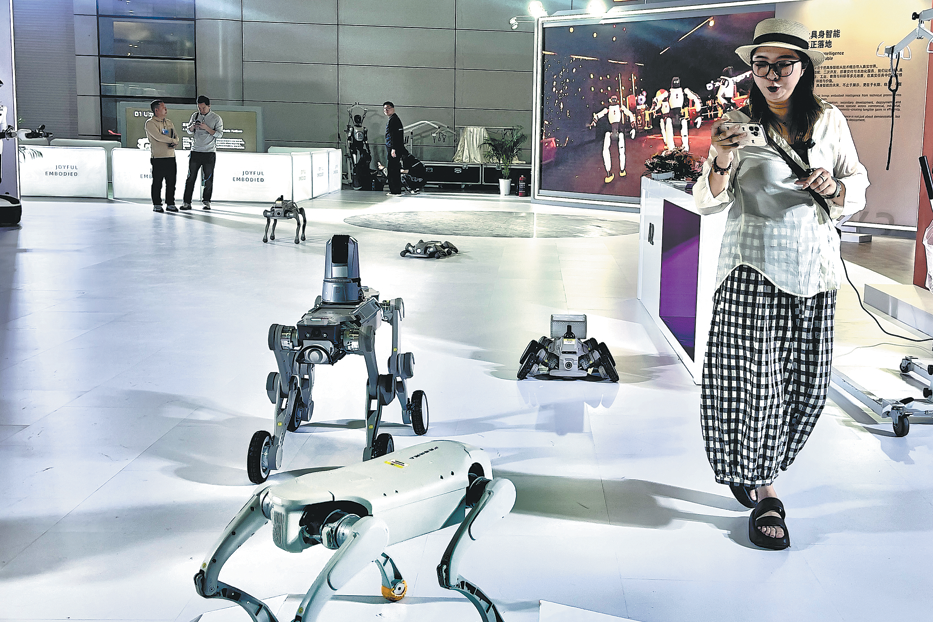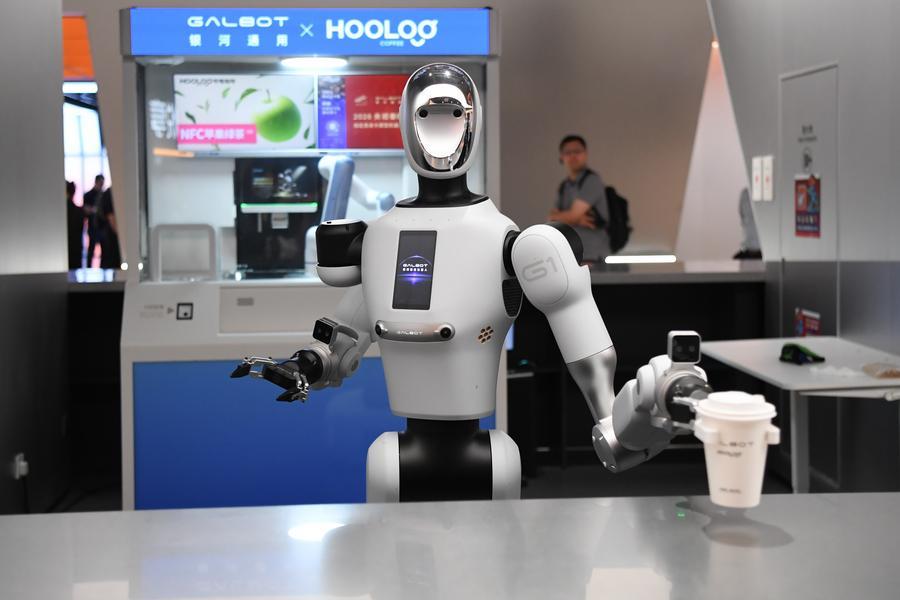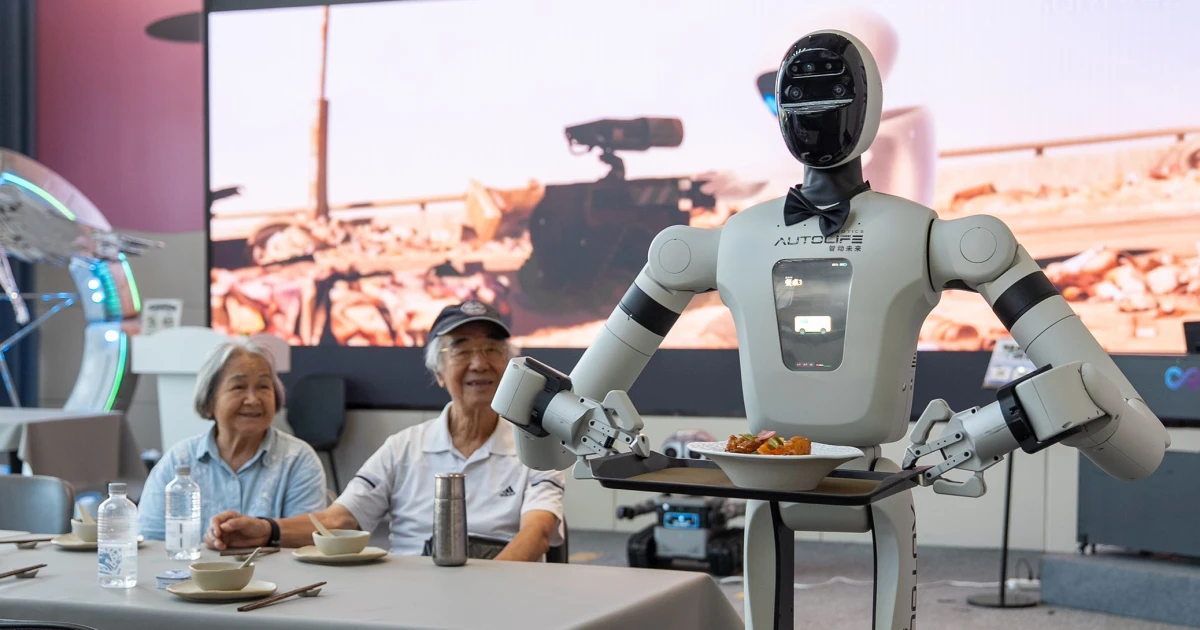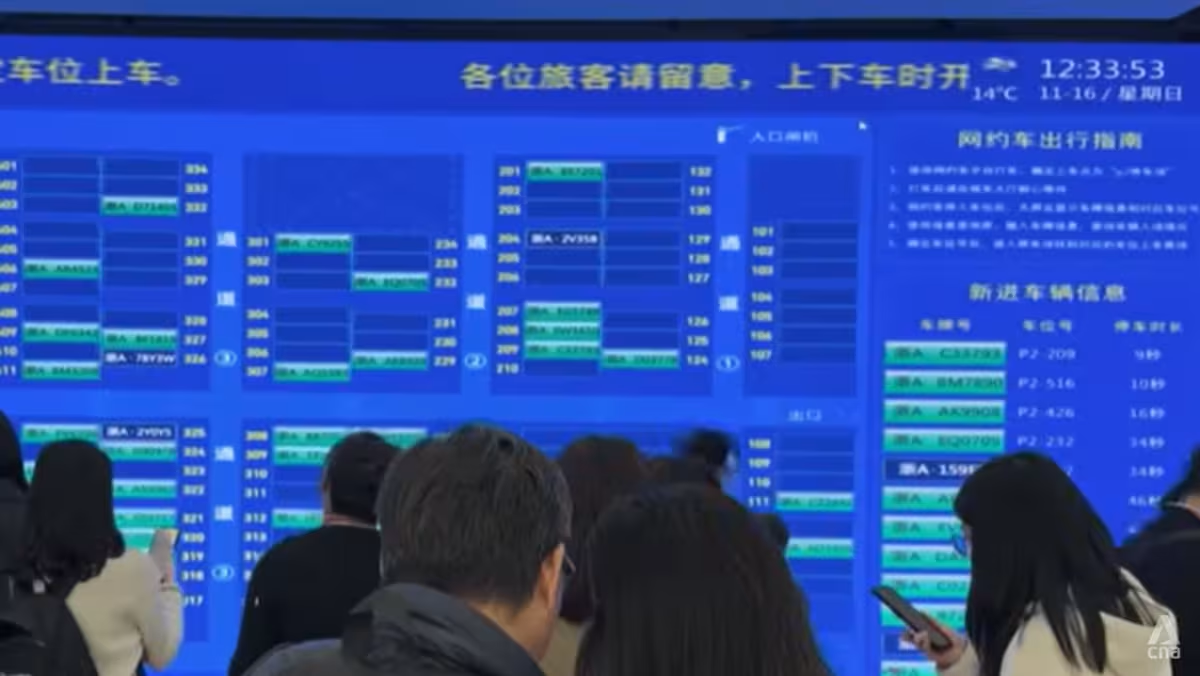
HANGZHOU, Zhejiang: At the ride-hailing pickup point at Hangzhou West Railway Station, there is none of the usual scramble of passengers waiting by the kerb. Instead, commuters sit comfortably in an air-conditioned lounge, watching a giant screen that alerts them when their ride has arrived. AI-powered cameras identify each vehicle's parking bay and instantly relay that information to waiting passengers.It is a small but revealing glimpse into a city where artificial intelligence has quietly moved beyond research labs and into everyday life, transforming how people live and work.
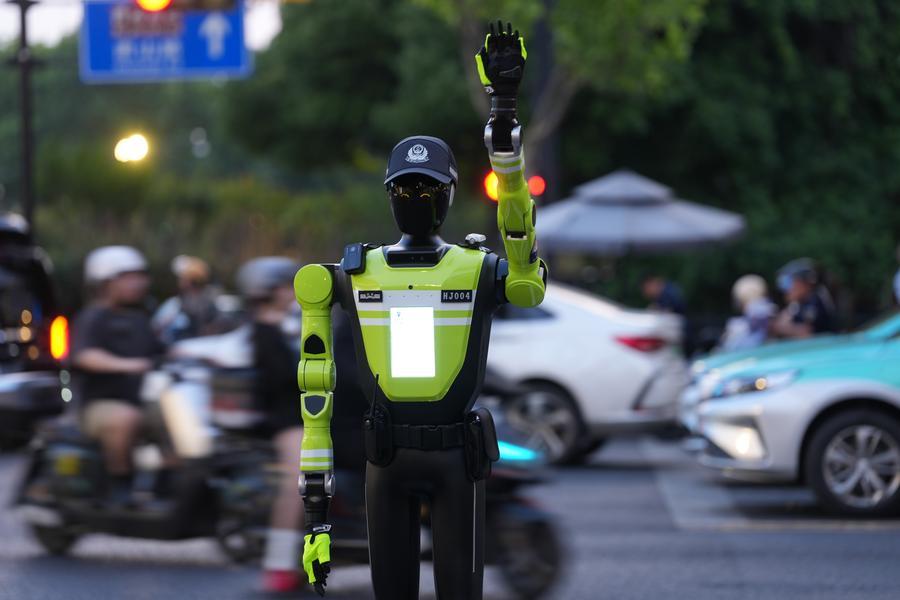
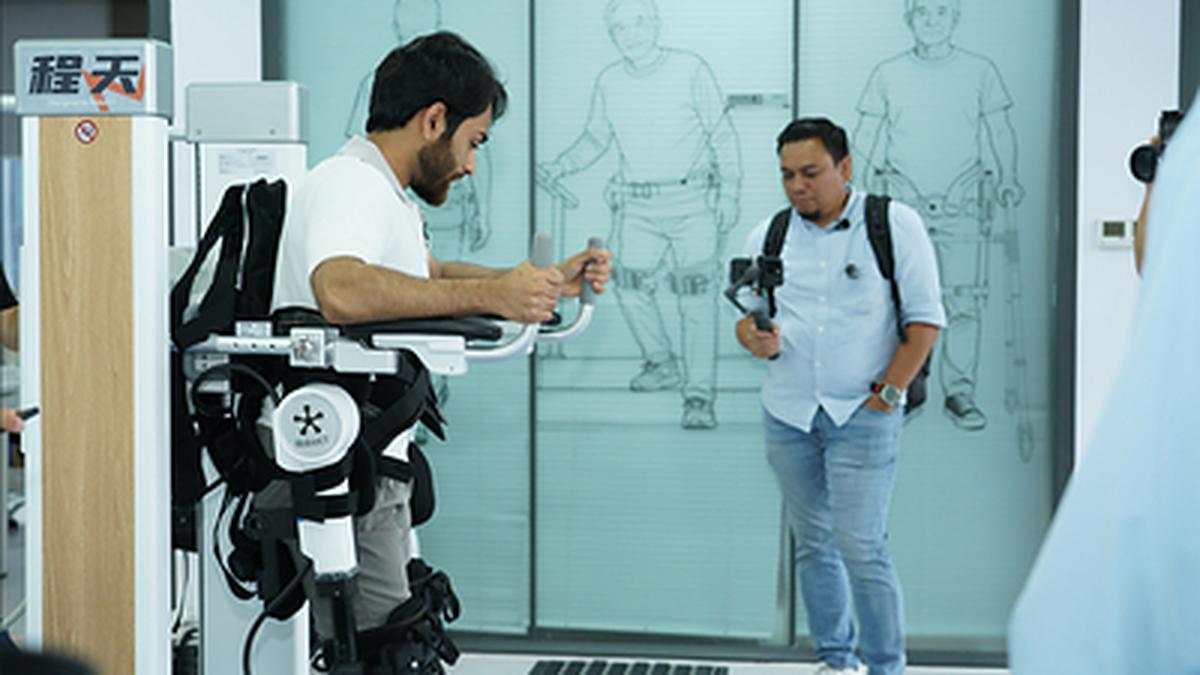
Long known as the birthplace of e-commerce giant Alibaba, Hangzhou has evolved into one of China's leading technology hubs. A combination of engineering talent, deep pools of investment and business-friendly policies has fuelled the growth of more than 500 AI companies, including the so-called "Six Little Dragons" – DeepSeek, Deep Robotics, Game Science, Unitree Robotics, BrainCo and Manycore Tech. Together, they are helping define China's next wave of AI innovation.While DeepSeek's rapid rise has thrust the city back into the global spotlight, Hangzhou's AI ambitions extend far beyond chatbots and large language models.Across the capital of Zhejiang province, AI is being deployed in everything from healthcare and logistics to manufacturing, robotics and public services, with new applications emerging at a rapid pace.