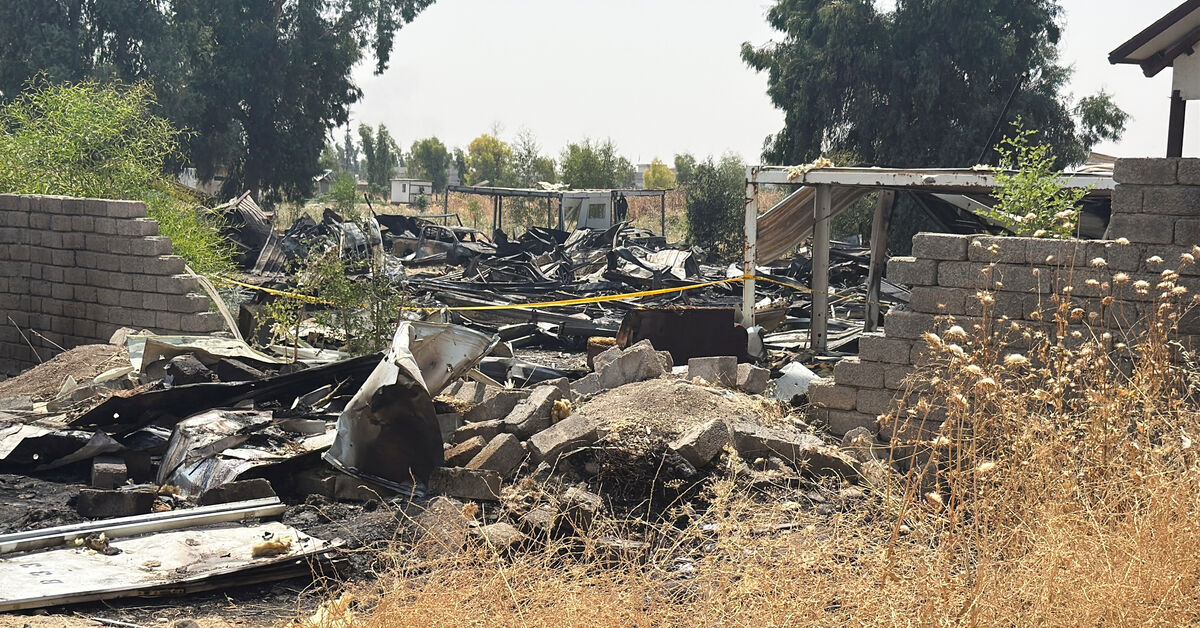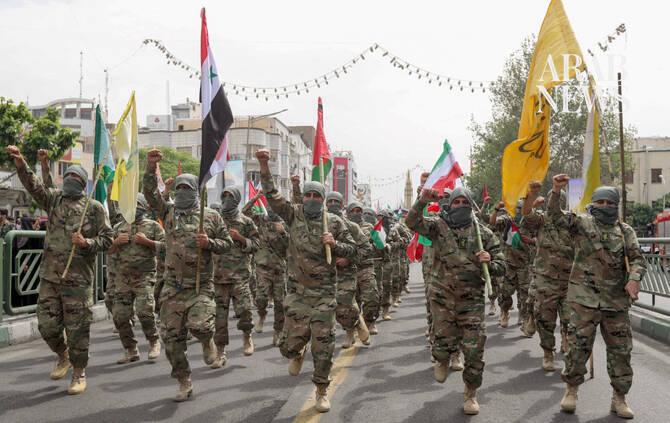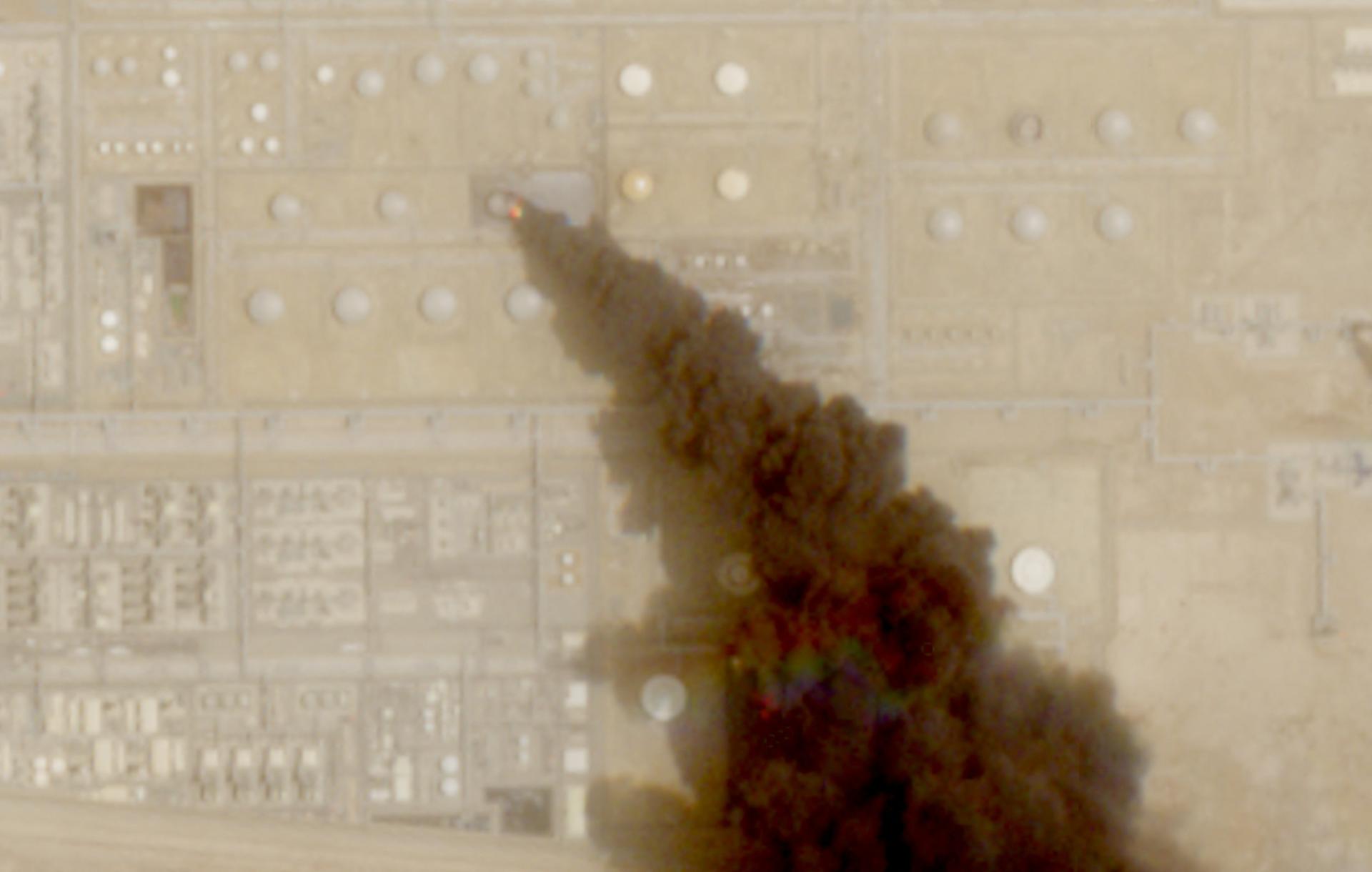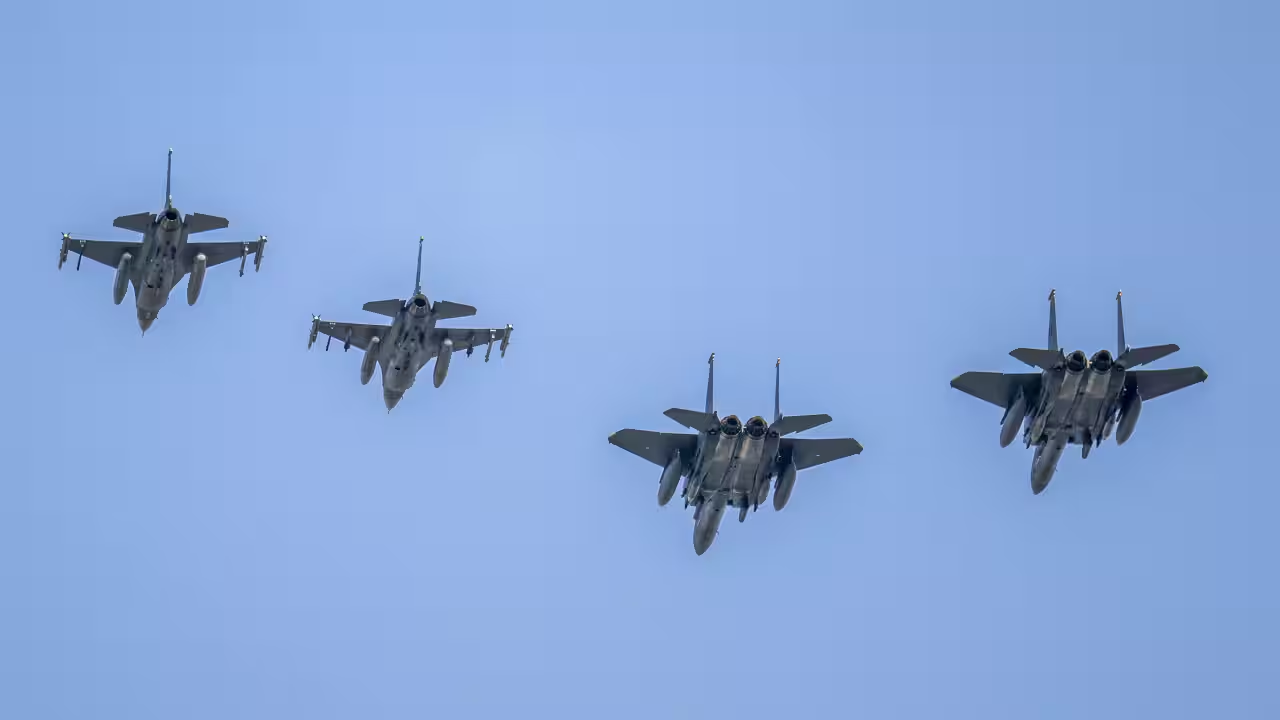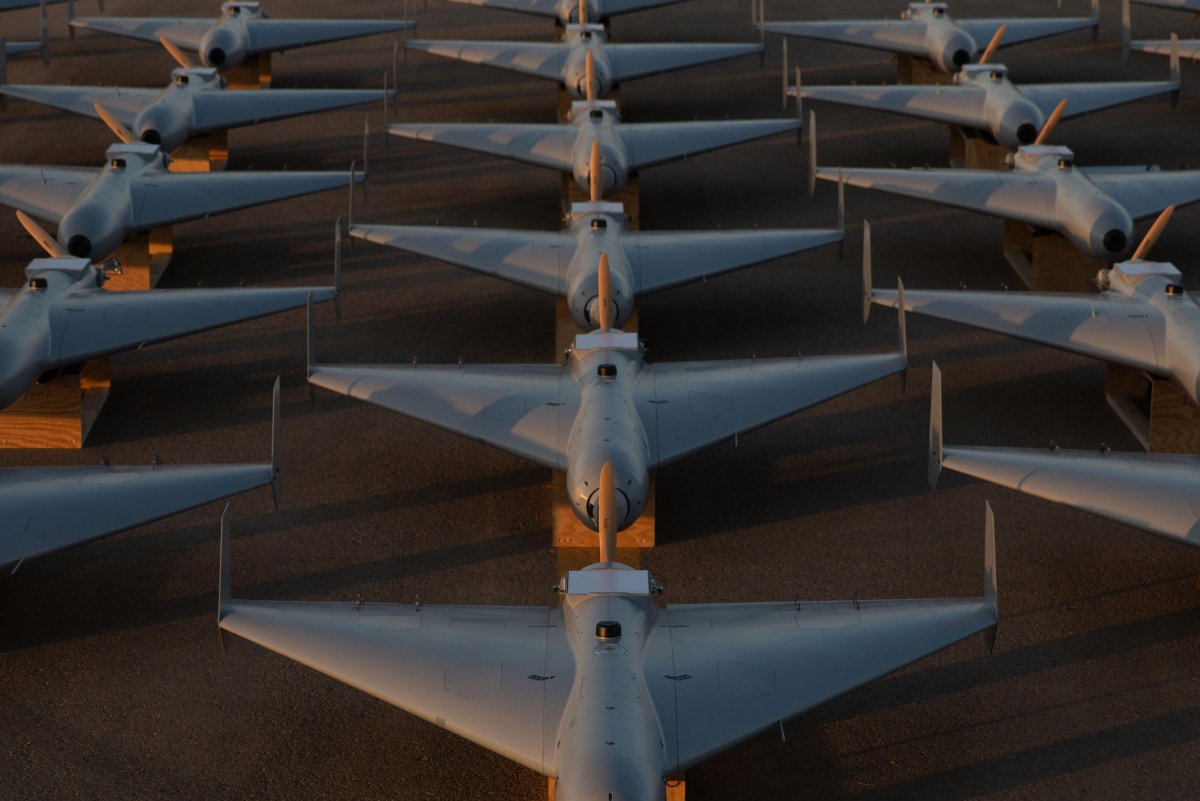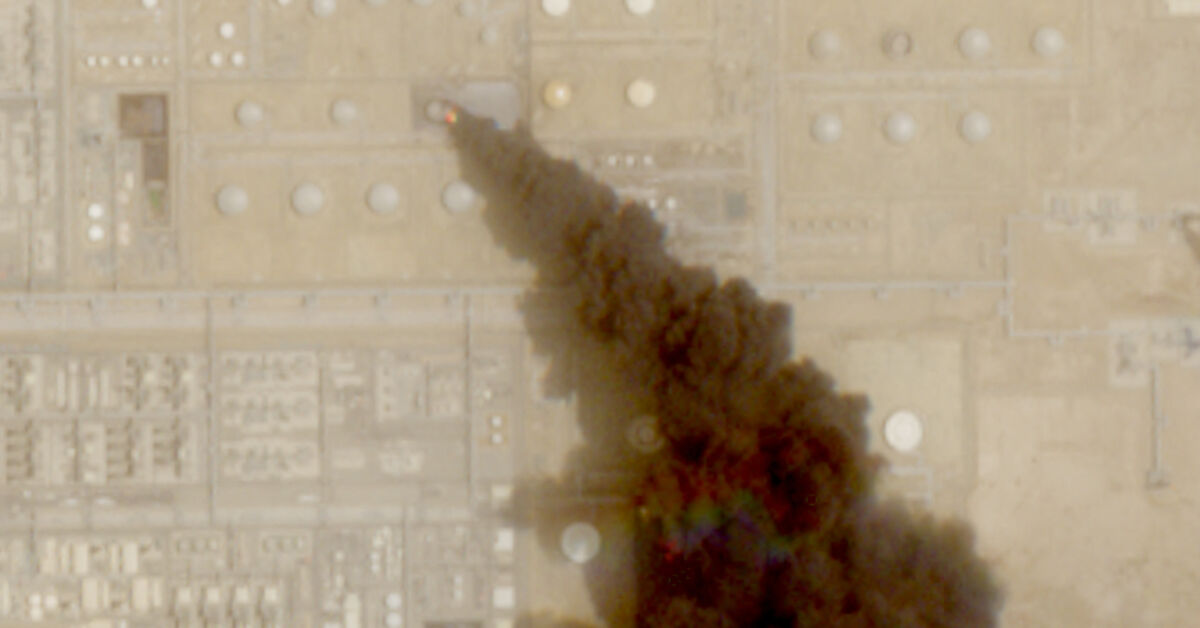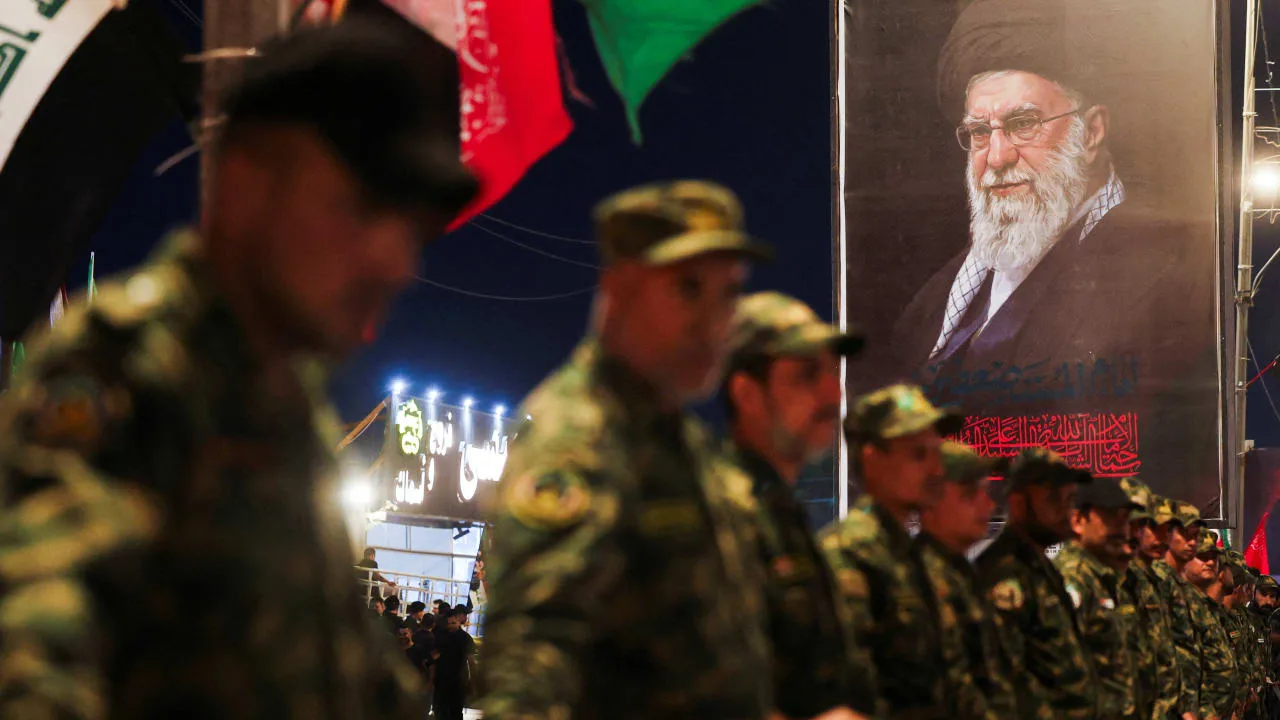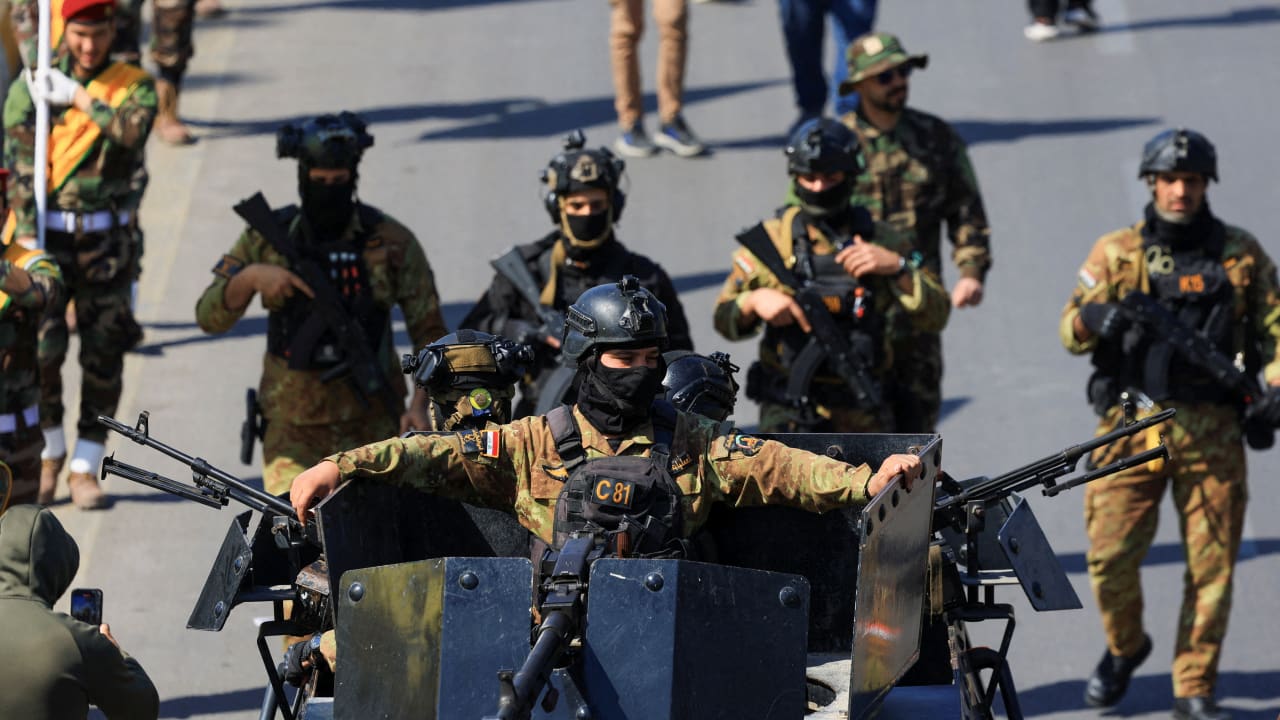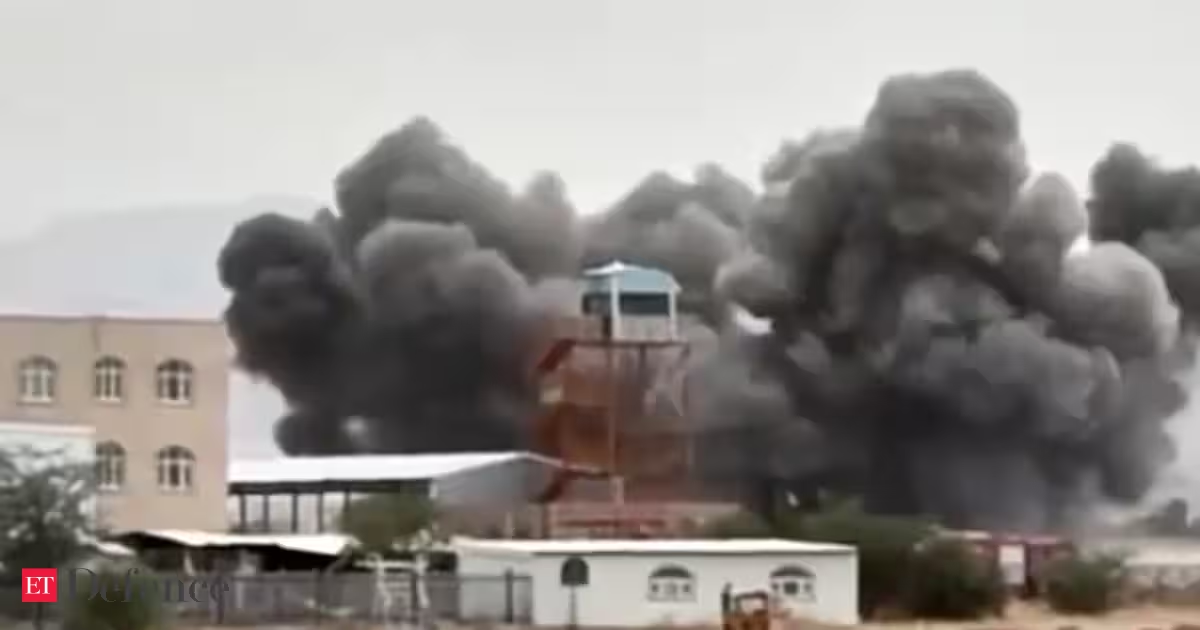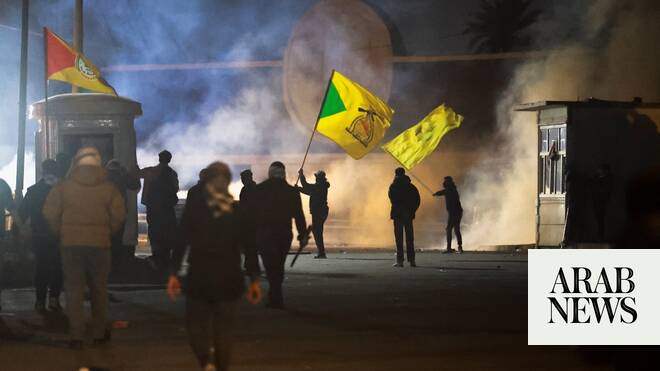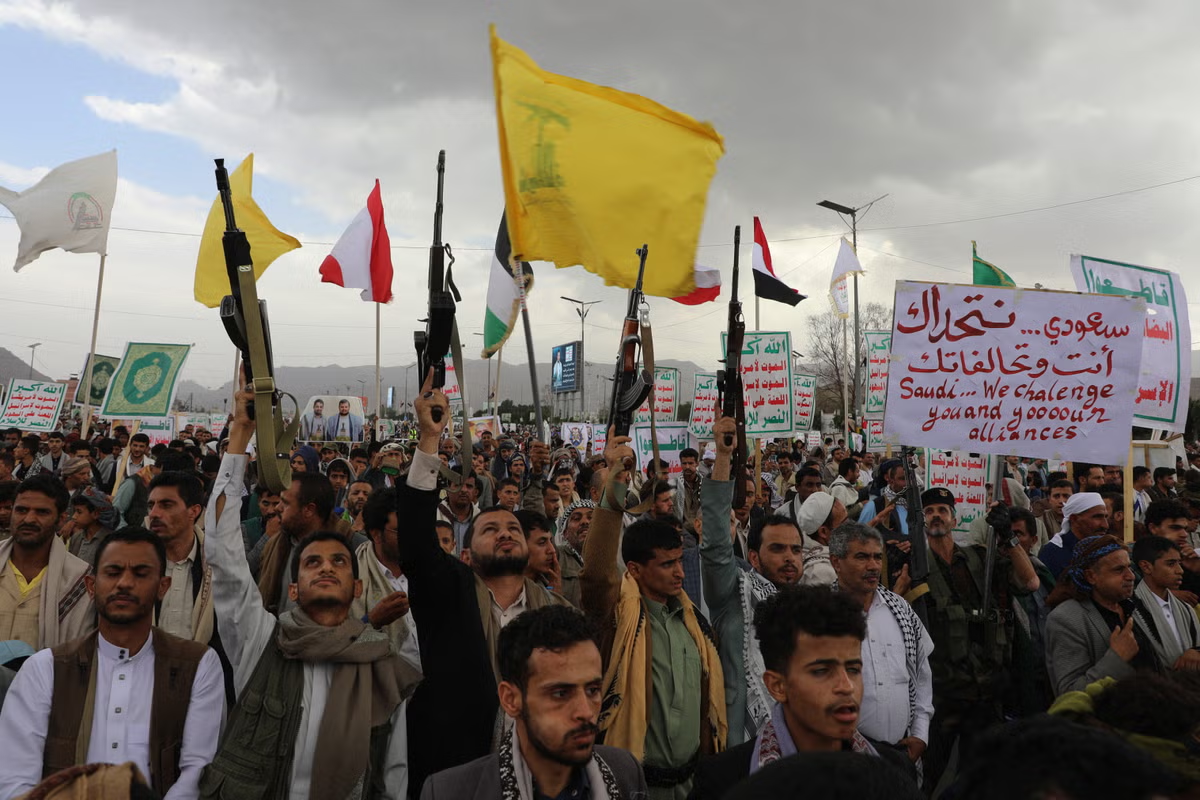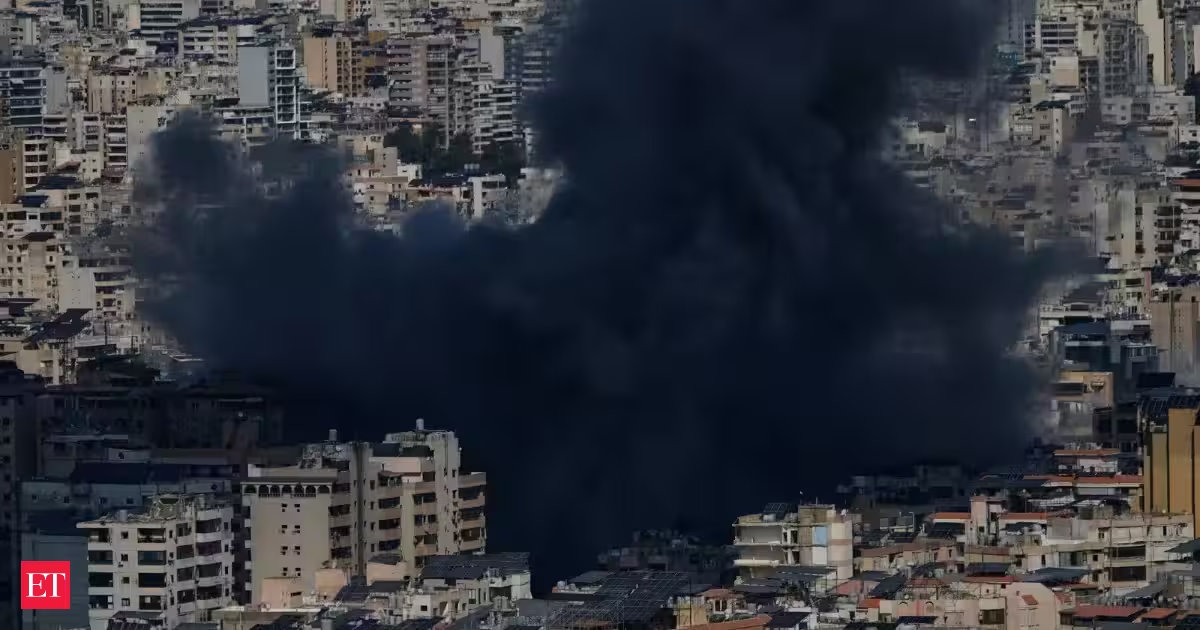
The US and Saudi Arabia have struck Iran-backed Shi'ite armed groups in Iraq, which the two allies say were behind drone attacks on Saudi oil facilities. The strikes have turned attention to the militias that hold significant political and military sway in Iraq.How did the militias gain power in Iraq? The Shi'ite groups emerged as Iran expanded its influence over Iraqi politics and security following the 2003 US-led invasion that removed Saddam Hussein. Backed by Iranian funding and military support, these militias have grown into forces capable of rivalling Iraq's national army in firepower.Also read: US-Saudi strikes in Iraq kill 20: former paramilitariesThey are also woven into Iraq's political, economic and social life, running business networks and holding seats in parliament and government. The groups operate under the Islamic Resistance in Iraq, an umbrella of roughly 10 hardline Shi'ite factions with a combined 50,000 fighters and arsenals that include long-range missiles and anti-aircraft weapons, according to two security officials tracking the militias.The Resistance says it has carried out dozens of missile and drone strikes on Israel and US forces in Iraq and Syria since the Gaza war began in 2023. The Trump administration has pressed Iraqi leaders to rein in these groups.The most powerful factionsKataib Hezbollah is the strongest faction within the Islamic Resistance in Iraq. Founded in the mid-2000s by Abu Mahdi al-Muhandis, one of Iran's closest allied commanders, the group lost its founder in a 2020 US air strike in Baghdad that also killed Iranian Major-General Qassem Soleimani.The group built a reputation early on for lethal attacks on military and diplomatic targets, including sniper fire, rocket and mortar attacks, and roadside bombs. US National Intelligence estimates it has as many as 10,000 members, with drones, rockets and short-range ballistic missiles in its arsenal, according to Iraqi officials and group members. The US has repeatedly struck its positions, bases and training hubs, though the group continues to defy government calls to halt attacks on US forces.It fought alongside other Shi'ite militias against Sunni rebels in Syria's civil war and has claimed responsibility for high-profile kidnappings, including the 2023 abduction of Israeli-Russian doctoral student Elizabeth Tsurkov, according to Iraqi officials.Asa'ib Ahl al-Haq, known as the League of the Righteous, is led by Qais al-Khazali, who has worked to recast himself as a mainstream political figure after rising from Baghdad's impoverished Sadr City.Khazali came to prominence in the turmoil after the US invasion. In 2007, US forces arrested him over an attack on a government compound in Karbala that killed five American soldiers; he spent about three years in US custody in Iraq before his release.He had earlier fought alongside cleric Moqtada al-Sadr's Mehdi Army against US troops before forming his own militia in 2006, and later joined the fight against Islamic State after it overran large parts of Iraq in 2014.Also read: Erdogan says Turkey could get 1M barrels of oil a day from energy deal with IraqBy 2020, Khazali argued that US troops had no remaining justification to stay in Iraq once Islamic State was defeated, and that their continued presence would amount to occupation.Despite commanding a militia, he stayed out of attacks on US facilities during the Gaza war and has instead been involved with Iraq's education ministry. He has denied his group played any role in the deaths of thousands during Iraq's 2006-2007 civil war.With inputs from Reuters
Who are the Iran-backed militias behind Iraq's oil facility attacks?
U.S. and Saudi Arabia struck Iran-backed groups in Iraq responsible for drone attacks. These Shi'ite militias gained influence after the 2003 U.S. invasion and Iran's support. They possess substantial political and military power, rivaling the national army. Kataib Hezbollah and Asa'ib Ahl al-Haq are among the most influential factions. These groups are deeply integrated into Iraq's societal and governmental structures.
561 words~3 min read