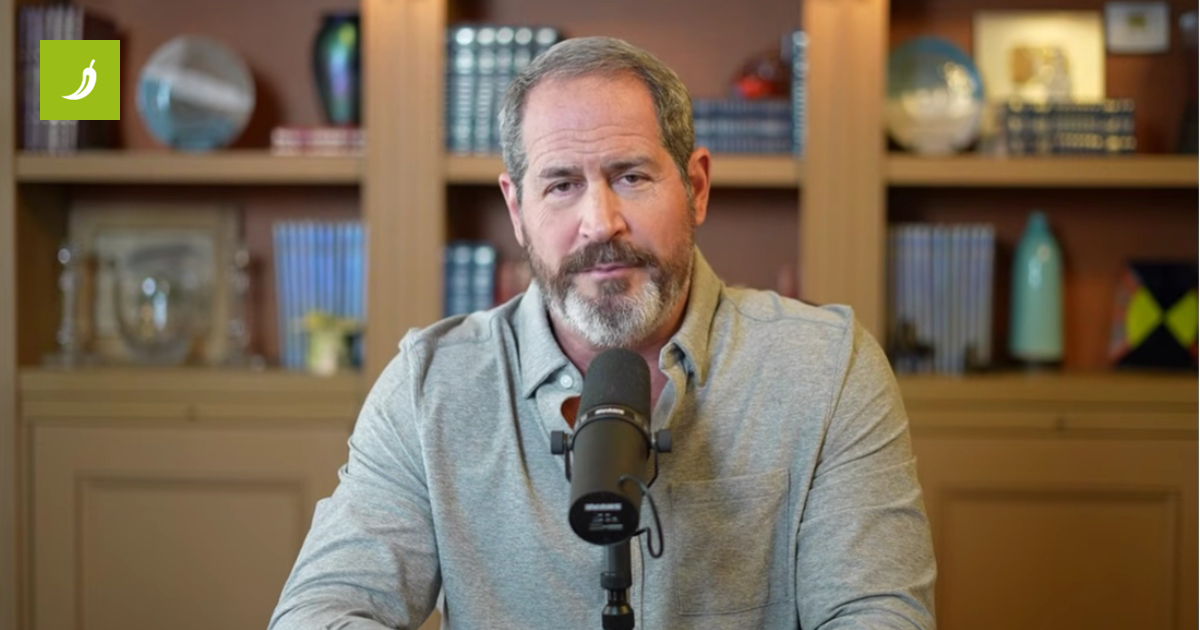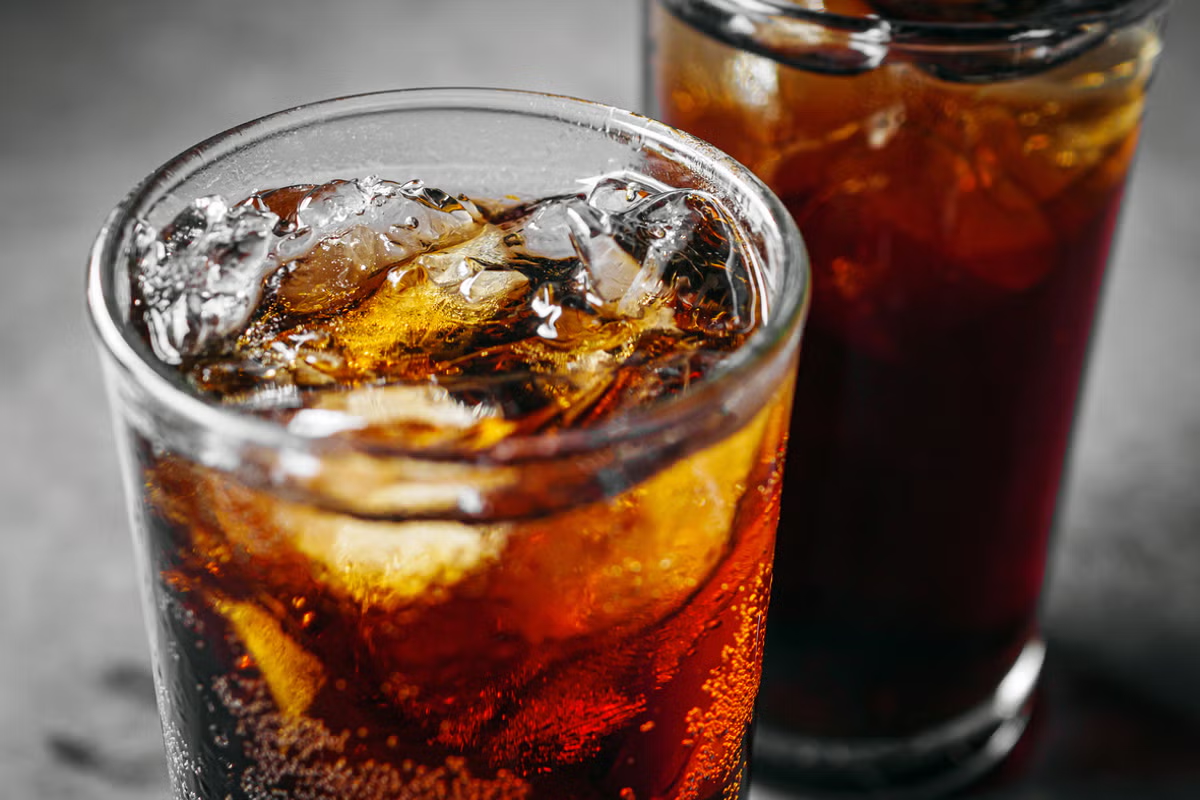
Heart surgeon Dr Jeremy London has laid bare the habits he believes are silently destroying our health, hailing one of them as a 'big no-no'.11:01, 29 Jul 2026Most of us know that smoking is bad for us. Many of us have heard the warnings about alcohol. But when a triple board-certified heart surgeon says that fizzy drinks are "liquid death" - and places them on a shortlist of the most dangerous things you can put in your body - it's maybe time to put down the can and pay attention.Dr Jeremy London, who holds board certifications in general surgery, vascular surgery and thoracic surgery, has built a significant following online by sharing no-nonsense medical advice. In an Instagram post that quickly went viral, he revealed the four things he personally refuses to consume - and explained exactly why.What the heart surgeon avoidsSmoking came first on Dr London's list, and he was clear: "No question the single worst thing you can do for your entire body. Destroys your lungs, causes lung cancer, high cardiovascular risks, heart attacks and strokes, don't smoke."Alcohol followed close behind. Dr London acknowledged it was a personal choice but left little doubt about where he stands: "Hate to break it to you [but it's] toxic. Toxic to every cell in your body. Your body, your rules, you decide for yourself. For me personally, removing alcohol from my life has probably been one of the most transformative decisions I've made as an adult."Fizzy drinks ranked third - and it was here that his language became most striking. "Liquid death," he said flatly. "Just don't drink them. Period. Done."Finally, Dr London turned his attention to refined carbohydrates, urging people to steer clear of breads and pastas: "Avoid the refined flours and wheats. Eighty percent of weight control is diet, 20% is exercise. I guarantee you can out-eat any exercise that you do."'A scourge in our society'In a follow-up interview with Today, Dr London expanded on his views on soft drinks, noting that the phrase "liquid death" was a deliberate attempt to shock people into reconsidering their habits. "I think that soft drinks are just a scourge in our society, and so I was really trying to get some attention," he said.He was particularly critical of the hidden calorie load that sugary drinks carry: "Obviously, high-calorie soft drinks and ingesting a lot of calories that people don't realise they're getting with the sugar-based soft drinks is a big no-no."It's a concern echoed by nutritionists and public health researchers alike. A standard 330ml can of cola, for instance, contains around nine teaspoons of sugar - close to the entire recommended daily limit for an adult, according to the NHS.Yet many people consume multiple cans a day without giving it a second thought.The science backing up his concernsDr London is far from the only voice on this issue. Dr William Li, a physician, scientist and author who has spoken widely about the link between diet and disease, recently told the Zoe podcast that the evidence against fizzy drinks is overwhelming - but that sugar alone is not the full story."Soda is everyone's favourite whipping boy. Rightfully so," he said. "The preponderance of clinical evidence, public health evidence, shows that high consumption of soda is associated with everything from metabolic disease to cardiovascular disease to cancer risk."But Dr Li went further, warning that the danger is not simply down to sugar content: "But is it the sugar? Is glucose that demonic element that we need to crucify? Answer's no. Soda is not just water, otherwise that'd be just carbonated water. But soda itself has all these additives, colours, flavourings, preservatives, stabilisers... that is accumulated exposure to toxins. It's not one exposure, it's the chronic exposure over time."While much of the public debate around fizzy drinks has focused on their sugar content and the associated risks of obesity and type 2 diabetes, researchers are increasingly looking at the effect of the cocktail of artificial ingredients found in both full-sugar and diet varieties.What the NHS saysThe NHS is clear on the risks posed by sugary drinks, particularly to children. Its guidance states that youngsters should avoid sugary fizzy drinks, squash and juice drinks altogether, warning that they can cause serious damage to teeth.Children who regularly consume large quantities of sugary beverages also face a significantly higher risk of becoming overweight - a concern with long-term implications for cardiovascular health, joint health and mental wellbeing.For adults, the picture is similarly concerning. Studies have linked regular consumption of sugary drinks to an increased risk of heart disease, type 2 diabetes, fatty liver disease and certain cancers.Even artificially sweetened drinks have come under scrutiny in recent years, with some research suggesting they may disrupt gut bacteria and affect metabolic function, though the evidence here remains the subject of ongoing debate.So what should you drink instead?Health experts are broadly agreed on the answer: water. Staying properly hydrated with plain water is the single most effective dietary swap most people can make. For those who find water too plain, herbal teas, sparkling water with a slice of lemon or lime, and diluted no-added-sugar squash are all considered reasonable alternatives.Article continues belowThe NHS recommends that adults drink six to eight glasses of fluid a day, with water, lower-fat milk, and sugar-free drinks all counting towards that total. Alcohol, sugary drinks and highly caffeinated beverages, meanwhile, should be limited or avoided altogether.
Heart surgeon names four things he avoids including 'liquid death' drink
Heart surgeon Dr Jeremy London has laid bare the habits he believes are silently destroying our health, hailing one of them as a 'big no-no'.
900 words~4 min read