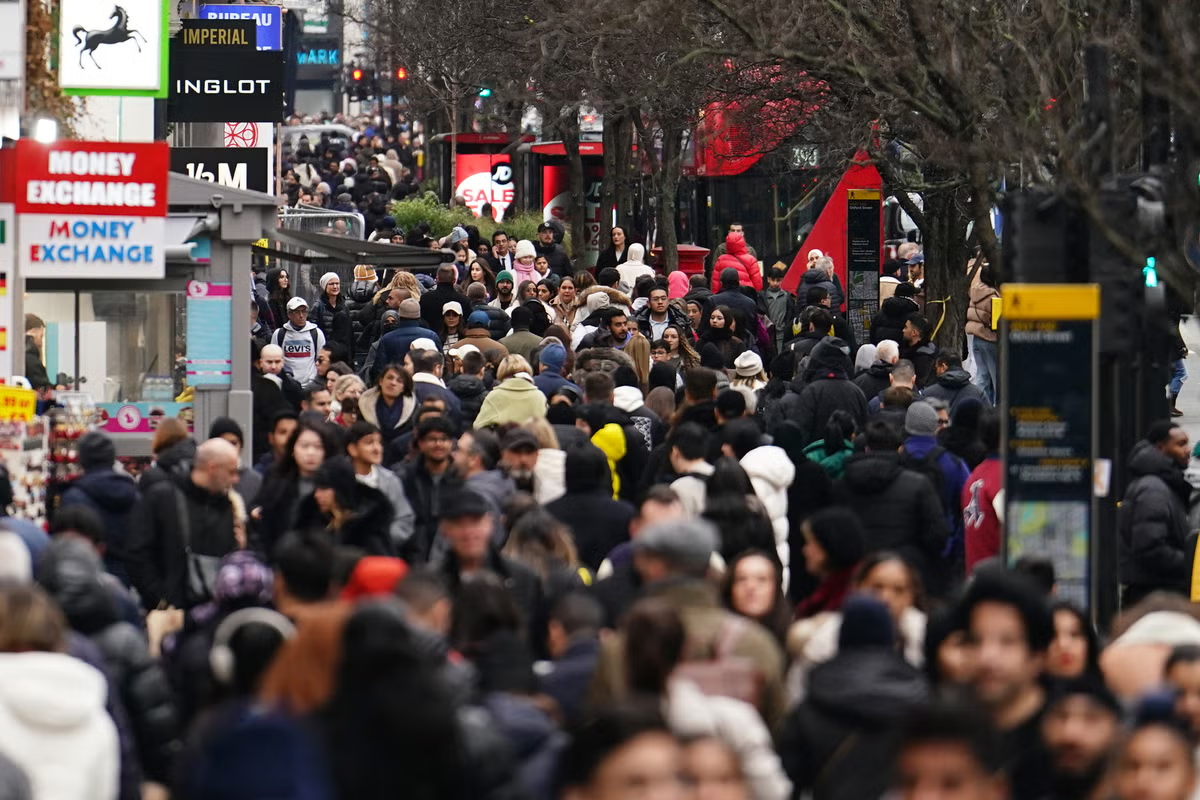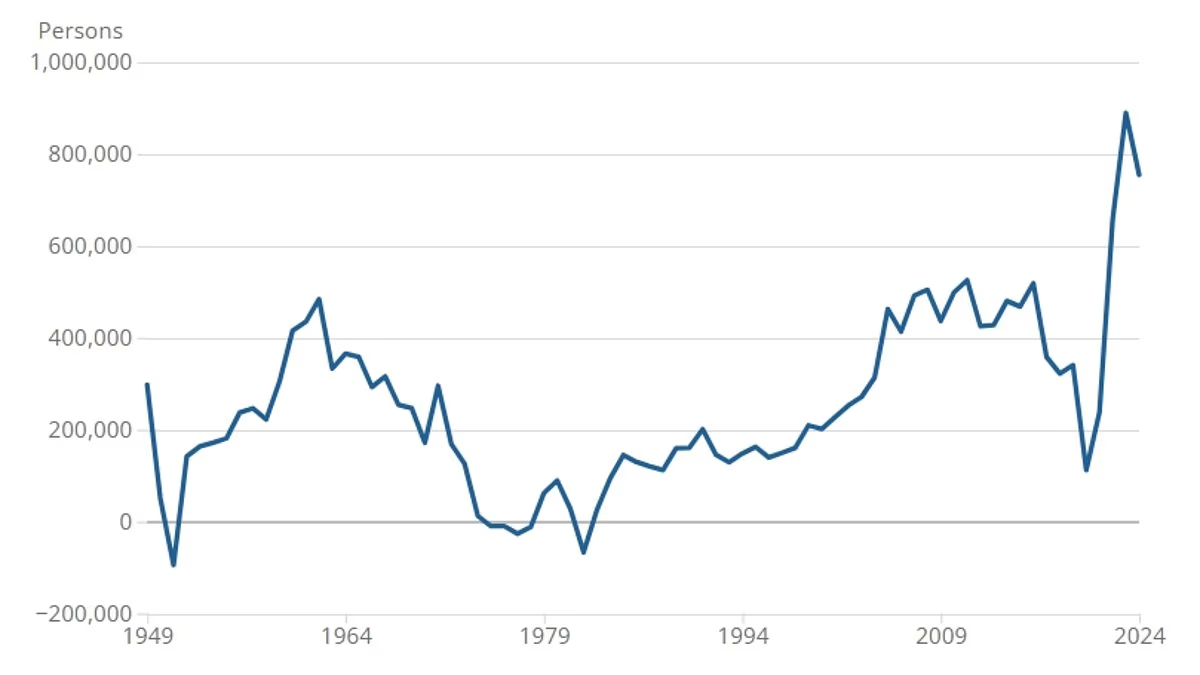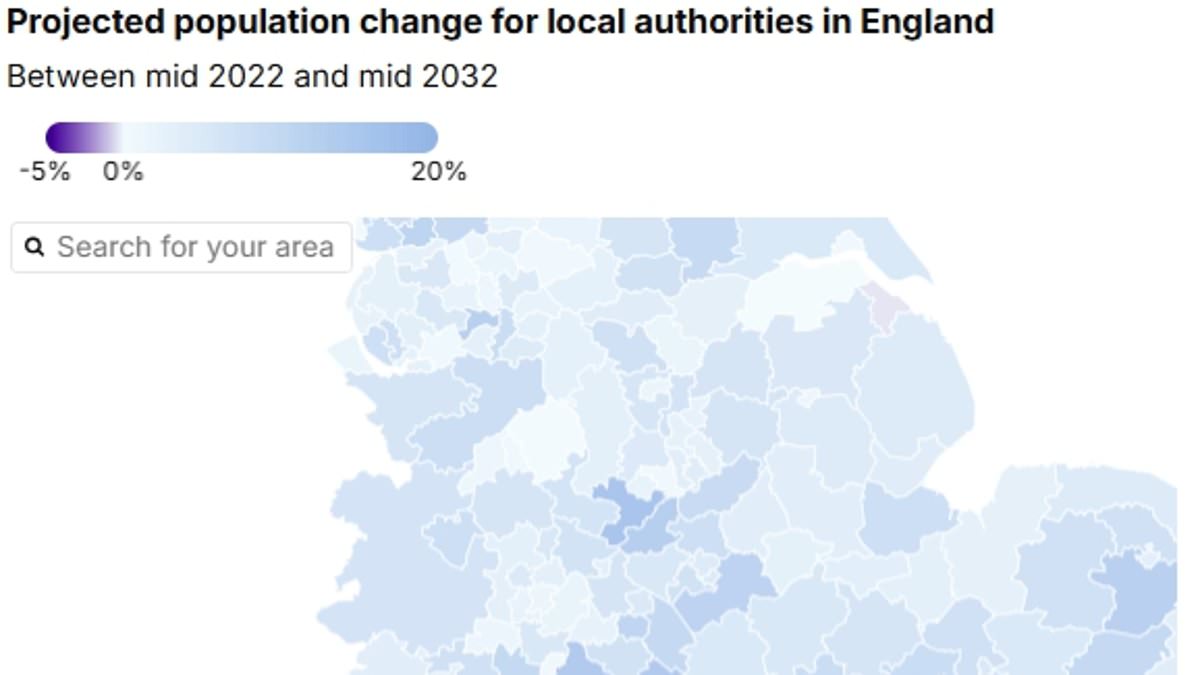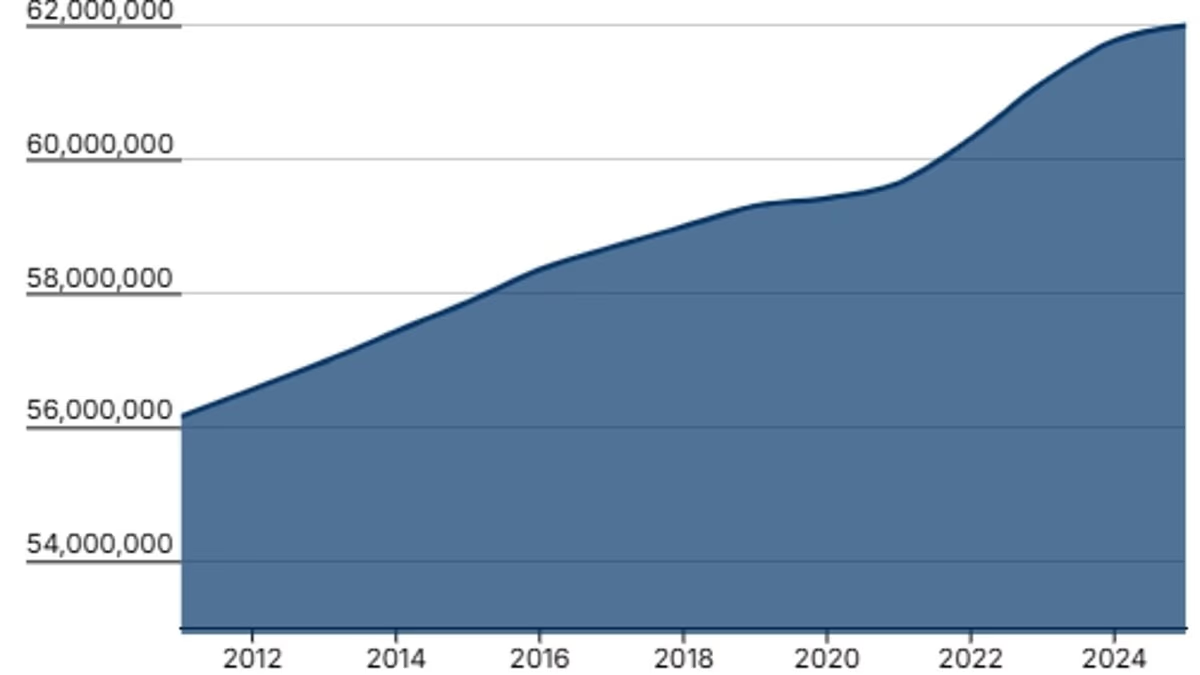
The population of England and Wales is estimated to have hit 62million for the first time, despite more than 604,000 people emigrating under Labour. Figures reveal a 224,000 increase in the population over the year to June 2025, equivalent to growth of just under half a per cent.A total of 816,500 people arrived in England and Wales from overseas, compared with 604,800 who left - according to the Office for National Statistics (ONS).Overall, net international migration was 211,700, a sharp fall from 612,500 in the year to mid-2024.The number of births plummeted to 588,000, the fewest since 1978 and an 8,000 fall compared to 2024. The number of deaths was not far off births (568,400).As a result, population growth was mostly driven by international migration, although the rate of increase was the slowest since 2020 due to a fall in net migration.All regions of England recorded population spikes except London, where the population declined by 0.29 per cent due to a rise in the number of residents moving to other parts of the UK.
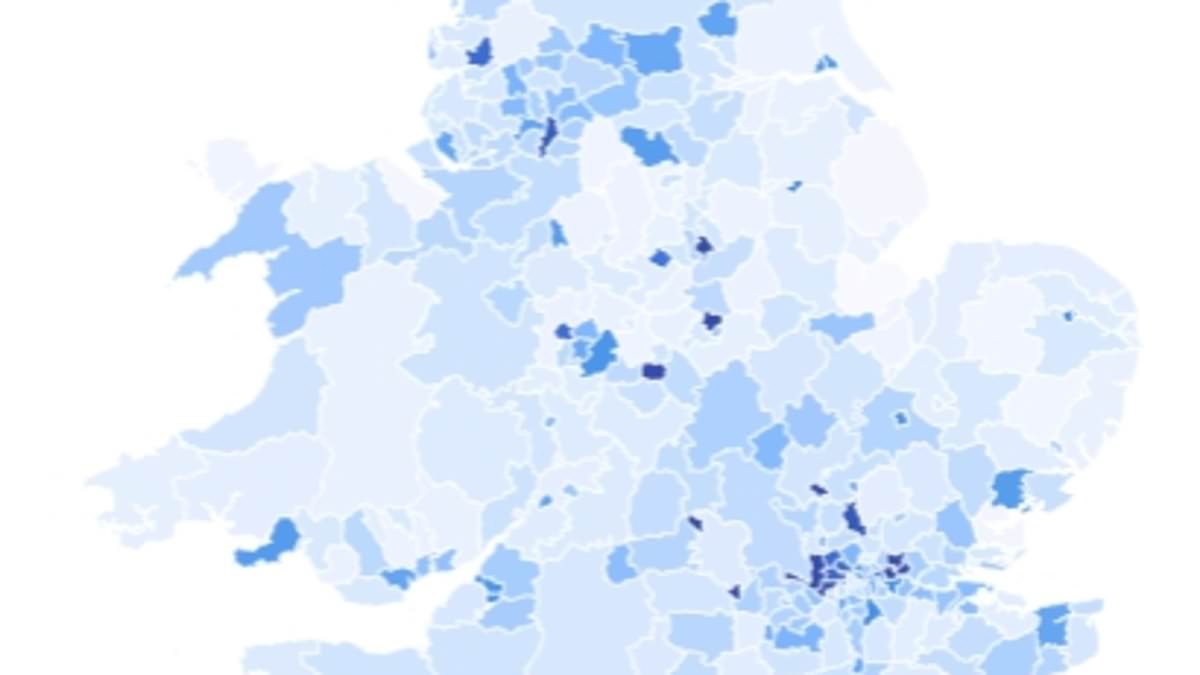
The local authority with the highest annual population growth was Rugby in Warwickshire (2.4 per cent), while the Isles of Scilly led population decline (down 3.5 per cent) followed by Camden in north London (down 1.8 per cent). In a sign of the extent to which people are living longer, the official data found there were around 15,172 people aged over 100 in England and Wales last year.This was up from 14,635 in 2024 (3.7 per cent) and 12,472 in 2015 (21.6 per cent).The number of people aged 105 or more increased by more than a third (34%) to 709, compared with 529 in 2024.The ONS data also projected that there were 581,400 people aged 90 or over last year, up from 564,300 (3 per cent) the year before and 500,000 (16.3 per cent) in 2015.Men now make up 34.1 per cent of the over 90 population and 18.8% of the over 100 population. For every man aged over 100, there were 4.3 women.The official statistics highlight the extent to which England and Wales are becoming an ageing population, with adults having less children while people live for longer amid advances in medicine and living standards.Nigel Henretty, of the ONS, said: 'Migration has been the main driver of population change in England and Wales for the past quarter of a century. While that has continued to be the case, the recent fall in migration has led to the smallest population growth since the height of the pandemic.'London saw the first population decrease since 2021 and the population of Wales fell for the first time in a decade.'