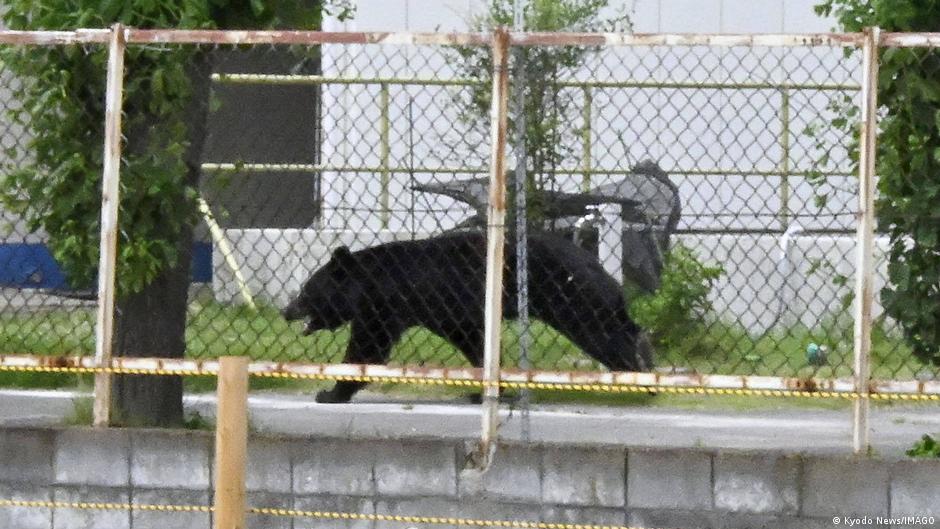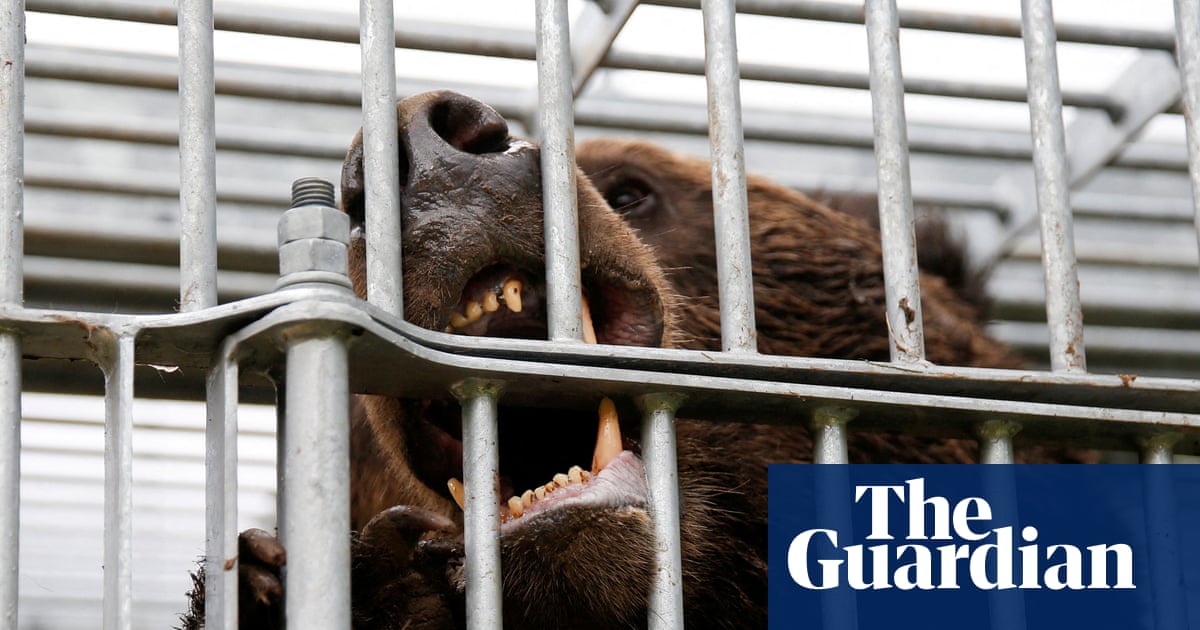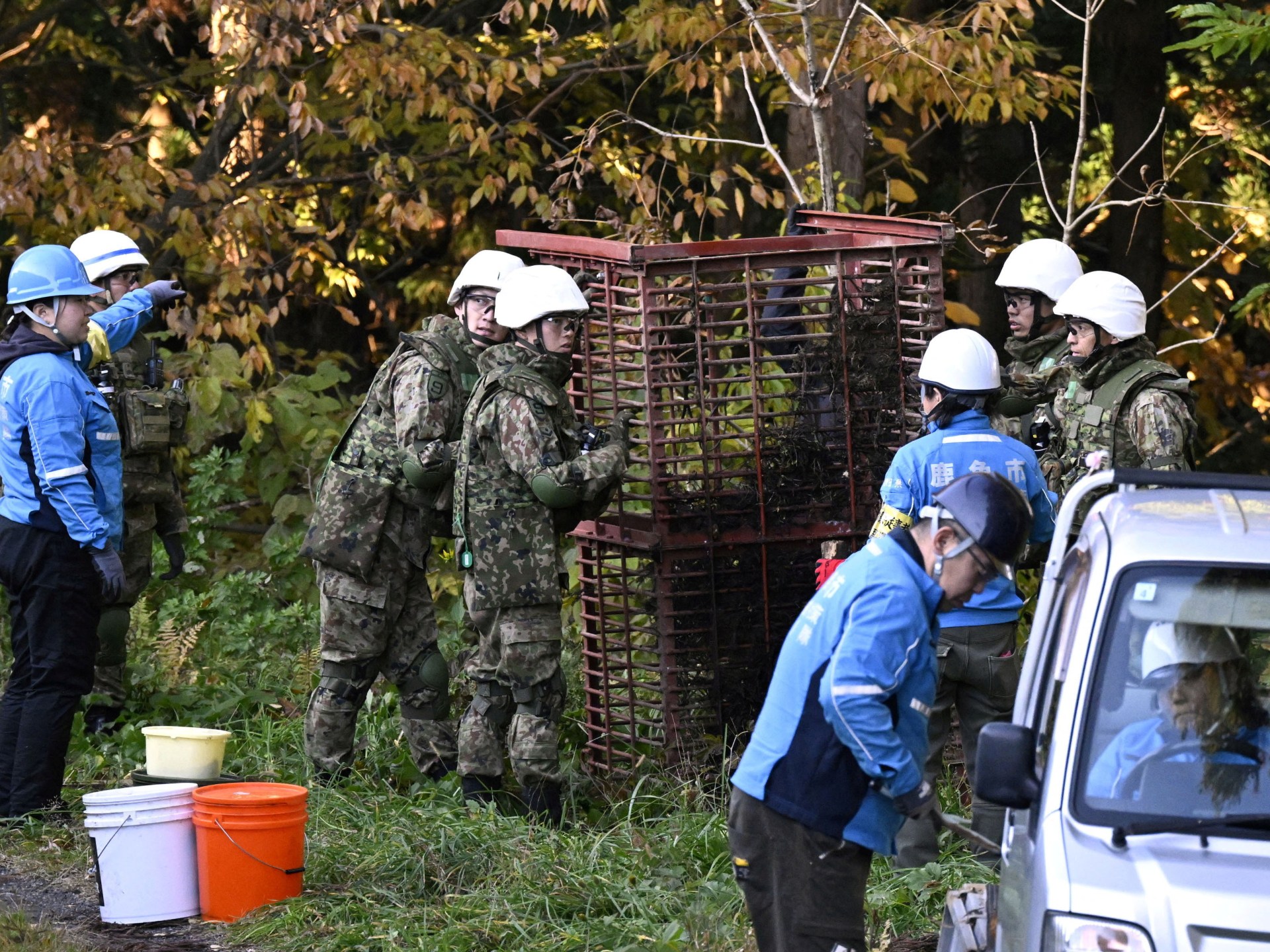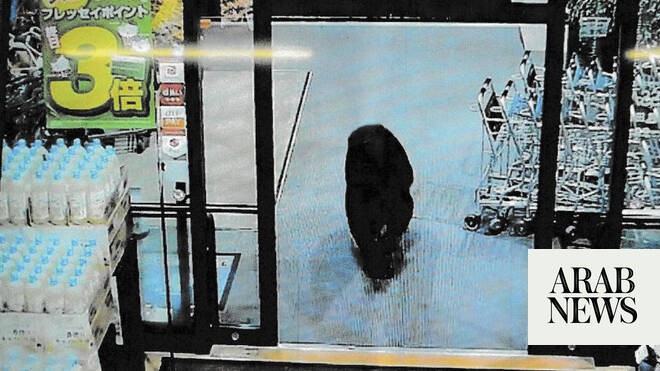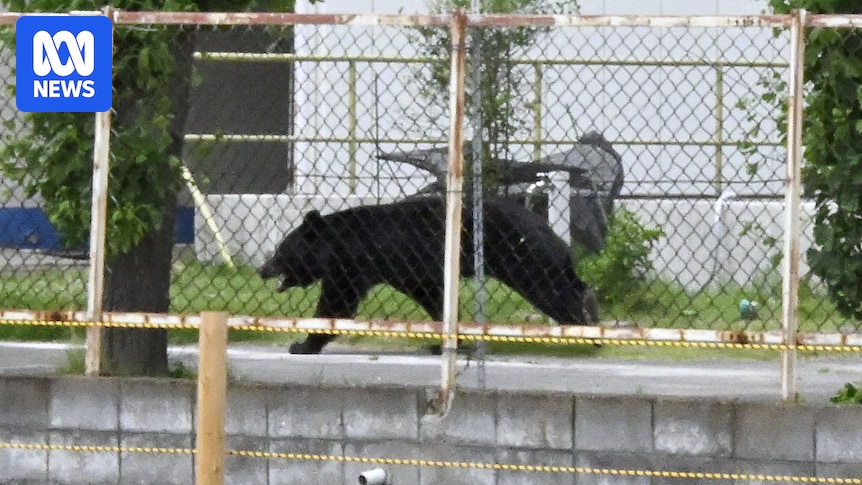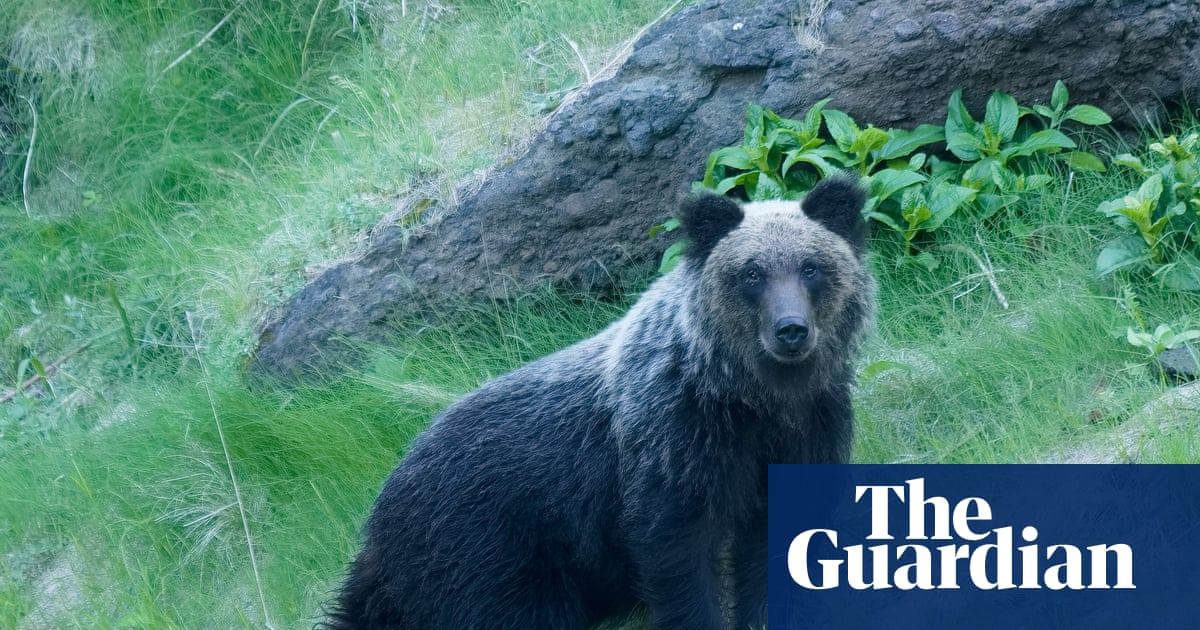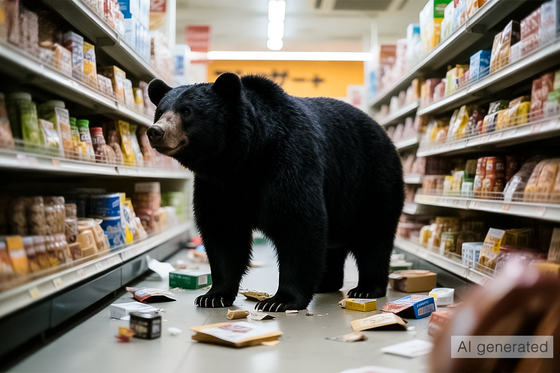
Japan is currently facing a severe crisis of increasing human-bear conflicts, as encounters between people and bears are escalating from rural disturbances into a national emergency. In recent months, there have been a series of high-profile attacks, including the mauling of a bathhouse worker in Kitakami, ambushes on elderly farmers in Akita, and a brown bear breaking into a Sapporo military base. These incidents highlight the deadly and unpredictable nature of the current wave of bear encounters across the country 1.From April to October of this year, Japan recorded 176 bear attacks, the highest number since records began in 2006, resulting in 196 injuries and 12 fatalities—rising to 13 deaths by late November, more than double the total from the previous year. Bear sightings have surged past 20,000, a five-year high, and infrastructure has also suffered, as evidenced by a record 71 bear-train collisions reported by East Japan Railway Co. through October 3,4. This has prompted urgent government action, with Prime Minister Sanae Takaichi promising increased federal support and swift measures to protect public safety 5.Bears have become common in previously unlikely places. In October, a black bear freely entered a supermarket in Numata, injuring two customers and eluding capture. Such urban incursions mark the rise of "urban bears," a new generation that exploits human habitats for food, lingering on the edges of towns and becoming desensitized to people. Fatal attacks even within homes reinforce the growing boldness of these animals, with ecologists noting that previous clear boundaries between bear and human habitats are vanishing 7-12.The primary species involved are the Asiatic black bear and brown bears native to Hokkaido. Black bears can run up to 35 mph and, while generally not predatory toward humans, have begun to alter their behavior, becoming more aggressive and territorial around food sources found in human areas. Ecologists warn that many bears now grow up near settlements and see them as natural territory 13-16.After decades of decline, bear populations have rebounded dramatically due to conservation laws and fewer active hunters, with black bear numbers tripling from about 15,000 in 2012 to approximately 44,000 by the previous year, and a total bear population over 54,000 when including brown bears 22. The government now allows systematic culling and has implemented emergency hunting measures, even deploying the Self-Defense Forces for the first time in such conflicts. Hunters have culled over 6,000 bears this year, but conservation groups argue that food shortages in mountain habitats, rather than population booms, are driving conflict 23-30.Structural societal changes are also fueling the crisis. Rural depopulation, aging communities, and the abandonment of traditional buffer zones (satoyama) between villages and wilderness have blurred the human-wildlife boundary. Japan’s rural population has fallen sharply, and the number of hunters has dropped from over 530,000 in the 1970s to around 210,000 today, weakening the "force" that previously kept bears at bay 33-39.Technological solutions—like AI-powered risk maps, warning camera systems, and deterrent robots—are being deployed, but experts argue that deeper social adaptation is needed. As Japan faces an era of continued population decline, the challenge of coexisting with bears may become a permanent feature of society 45-50.In short, Japan’s bear crisis is rooted not only in ecological factors but in profound demographic and social shifts. The government is caught between urgent culling measures and the calls for long-term coexistence—a dilemma that highlights the challenges of managing wildlife amid a shrinking, aging population and changing landscapes 50.AI generated, for reference only
Weekend Long Read: How Bear Attacks Became a National Crisis in Japan
A record number of fatal encounters has a surprising list of causes, including a successful conservation campaign, the collapse of the domestic timber industry and the hallowing out of the country’s rural areas
573 words~3 min read