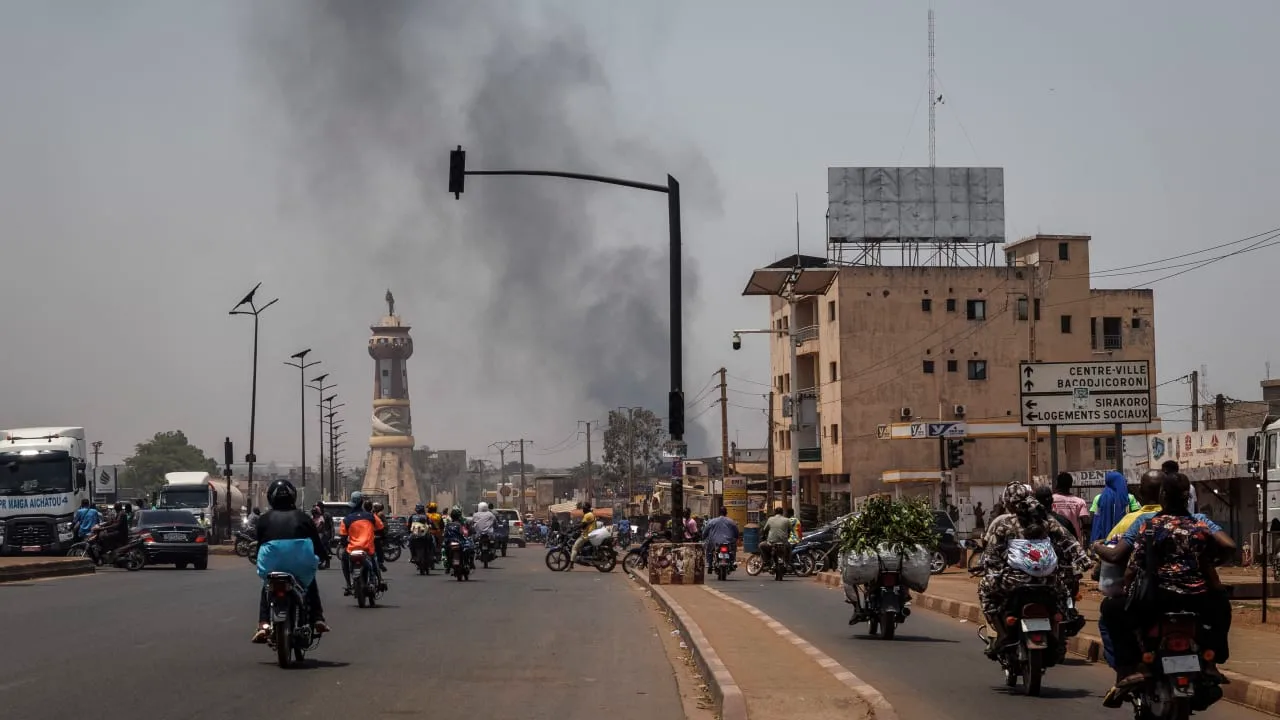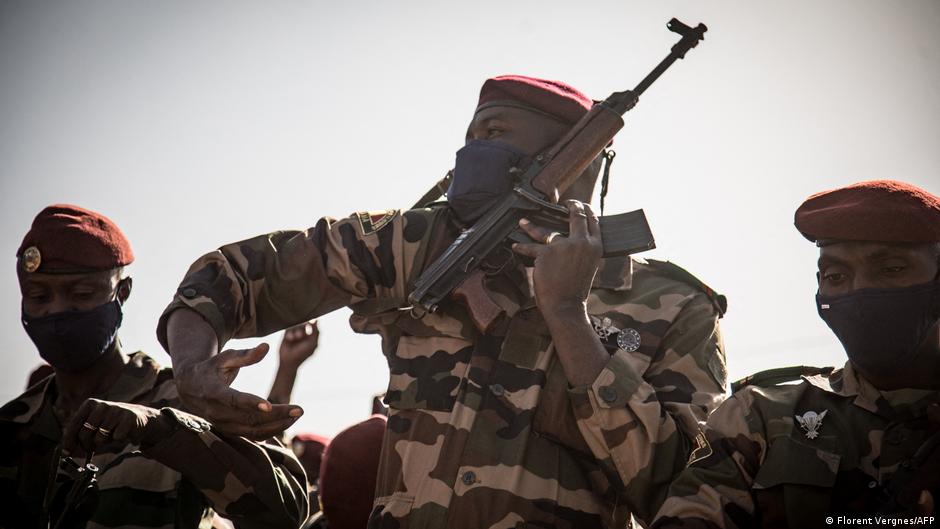
For years,Mali has struggled to contain a growing jihadist insurgency, particularly in the country's northern region. Following the withdrawal of French troops and despite the authorities' close cooperation with Russia, theal-Qaeda-linked Jama'at Nusrat al-Islam wal-Muslimin (JNIM) continues to expand its influence. Now, a new actor could enter the conflict: the United States (US).
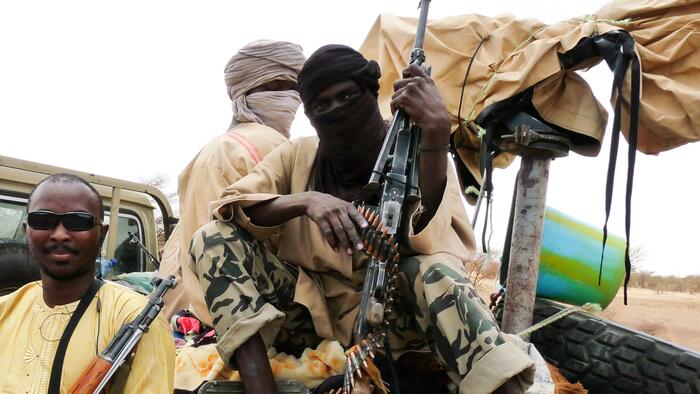
Founded in 2017, JNIM unites several Islamist groups under the banner of al-Qaeda. Over the past years, the organization has developed into the most powerful jihadist force in the Sahel. Its objective is the establishment of an Islamist order and the displacement of state structures as well as Western influence.
"We are no longer talking about a group that only carries out isolated attacks," explains Tobias Rüttershof, head of the Sahel Program of the Konrad Adenauer Foundation (KAS), which is affiliated with Germany's CDU party and has an office in Mali, in an interview with DW. "In many regions, JNIM effectively controls the security situation, collects taxes, mediates local conflicts and in some areas is more present than the Malian state." Why the US is considering attacking JNIM
According to the US National Counterterrorism Center, JNIM was responsible for more than 1,200 deaths in 2025, making it the second-deadliest terrorist organization in the world. Particularly concerning is the group's geographic expansion: JNIM is now active not only in Burkina Faso and Niger, but increasingly in the coastal states of West Africa.