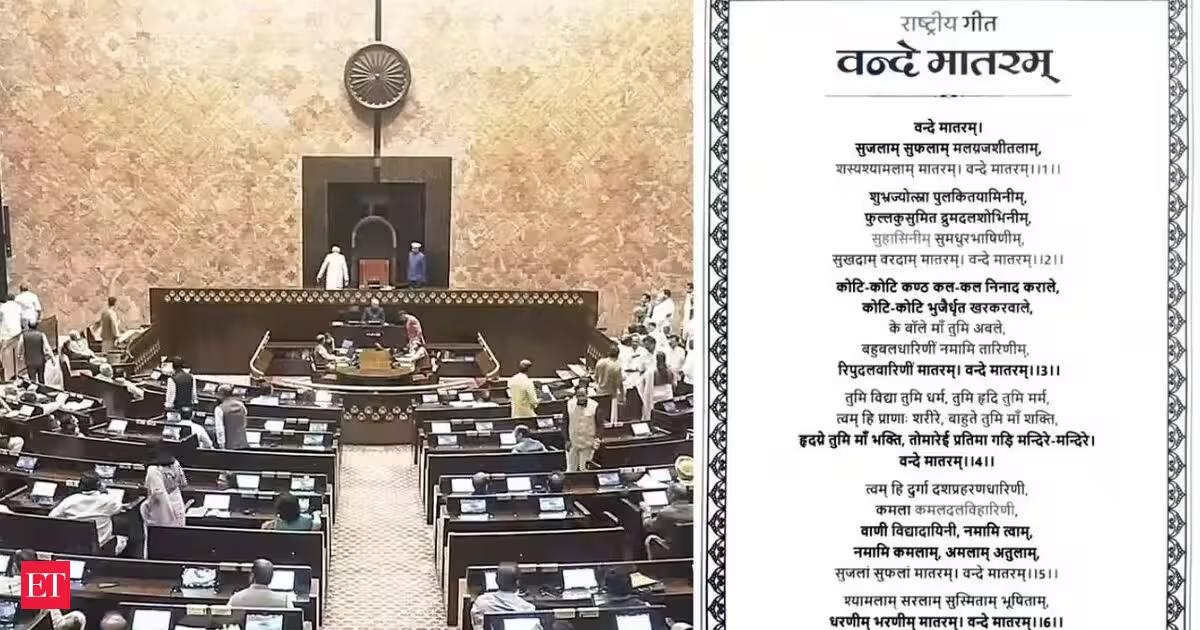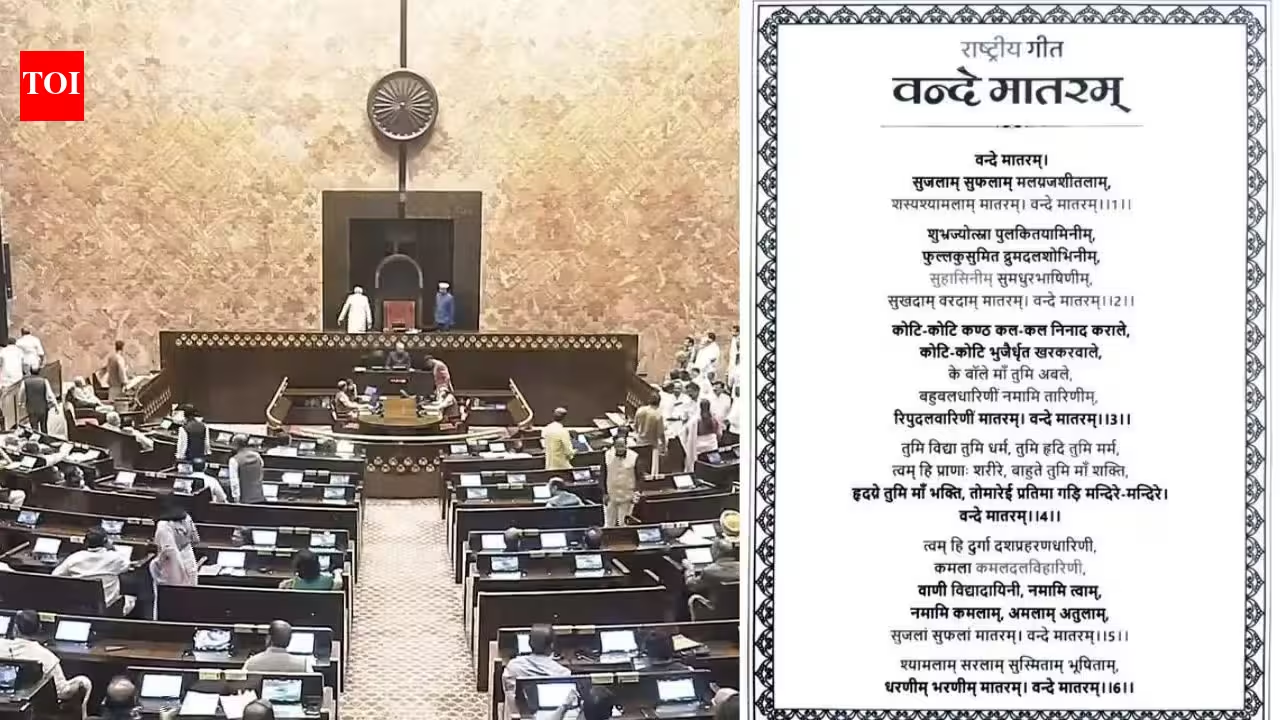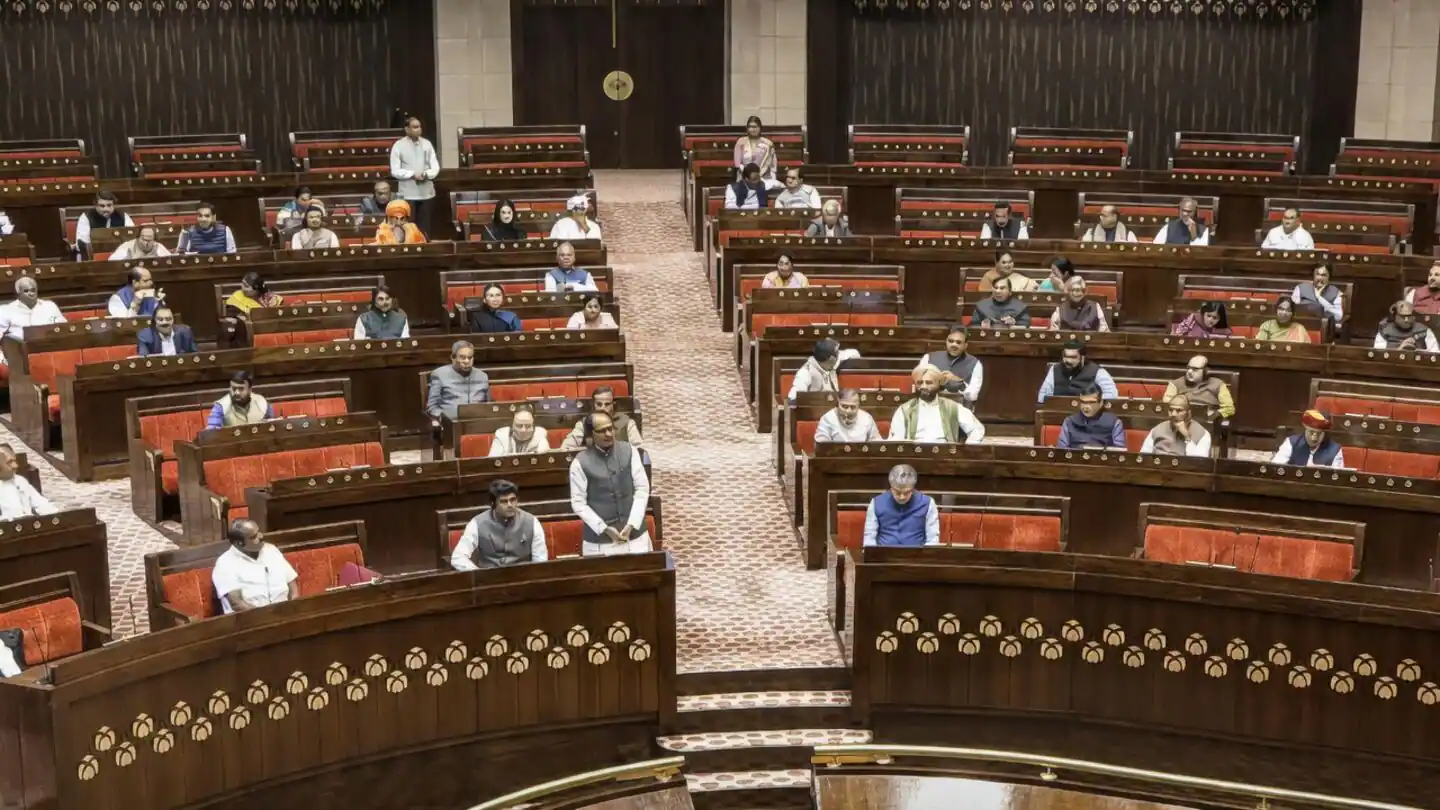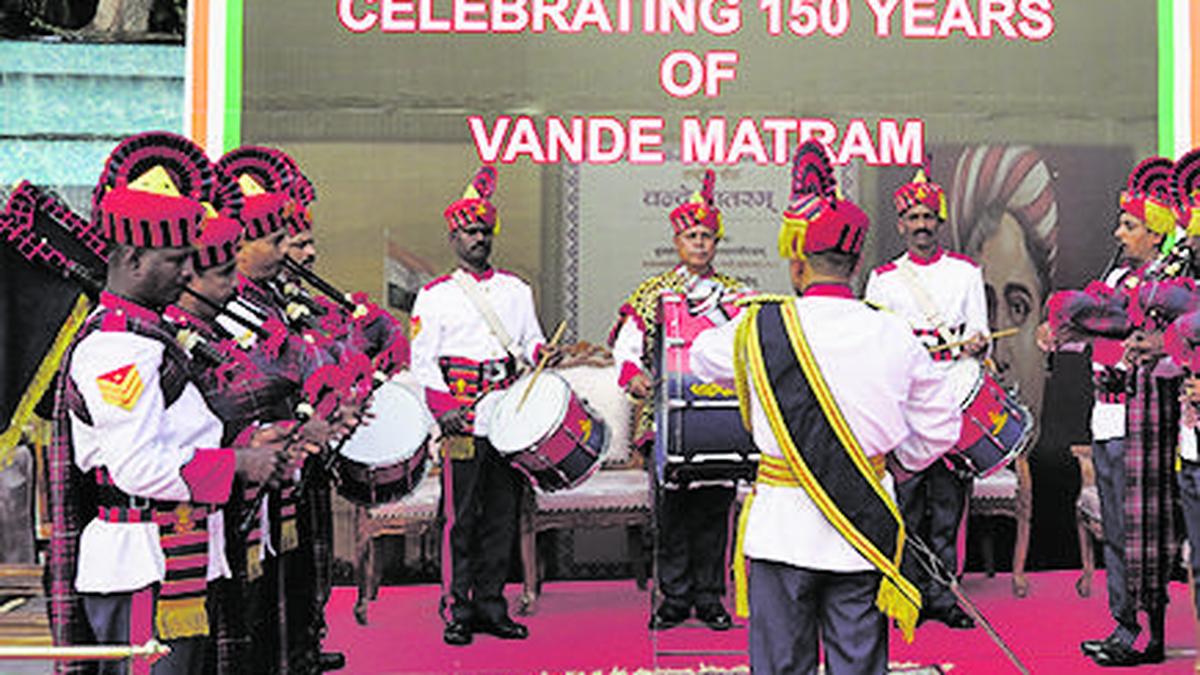
Parliament is about to do by legislation what the Constituent Assembly, in 1949, deliberately declined to do. The Prevention of Insults to National Honour (Amendment) Bill, 2026, listed for introduction, consideration and passage in the Monsoon Session, will extend the penal protection currently enjoyed by the National Anthem, the National Flag and the Constitution to Vande Mataram — all six stanzas of it. Wilful insult or disruption of the song will attract the same punishment prescribed under Section 3 of the 1971 Act: imprisonment up to three years, or fine, or both, with an enhanced minimum sentence of one year on a second or subsequent conviction.
On the surface, this looks like a technical amendment, formalising the status of a song already central to India’s national imagination. In substance, it closes a gap that was never accidental, and in doing so, revives a question India’s founders had already answered.Go back to October 1937. The Congress Working Committee, meeting in Calcutta, took up the “problem” of Vande Mataram directly. Dr Rajendra Prasad moved the resolution; Sardar Patel seconded it; Gandhi was present as special invitee. The Committee’s conclusion was unanimous — not grudging, not a concession extracted under pressure, but a considered judgment: the first two stanzas of Bankim Chandra Chattopadhyay’s poem captured the song’s spirit of resistance and belonging, while the later stanzas — invoking Durga “wielder of the ten weapons,” Lakshmi and Saraswati by name — were, in their own words, “in no sense objectionable” to omit from national gatherings, precisely because forcing devotional verse on citizens of every faith was never going to unify a plural republic. This was not the fringe view of a placatory Congress. Rabindranath Tagore, no political supplicant to anyone, endorsed keeping only the first two stanzas. The consensus ran the length of the freedom movement, from the moderate to the revolutionary.