As tech companies have built hundreds of hyperscale data centers to power the artificial intelligence boom, they have triggered conflicting predictions over how these facilities will affect the nation’s power grid. Critics have argued that data centers will raise power bills and increase carbon emissions. Supporters claimed they could increase investment in infrastructure and clean energy, leading to lower prices and emissions.
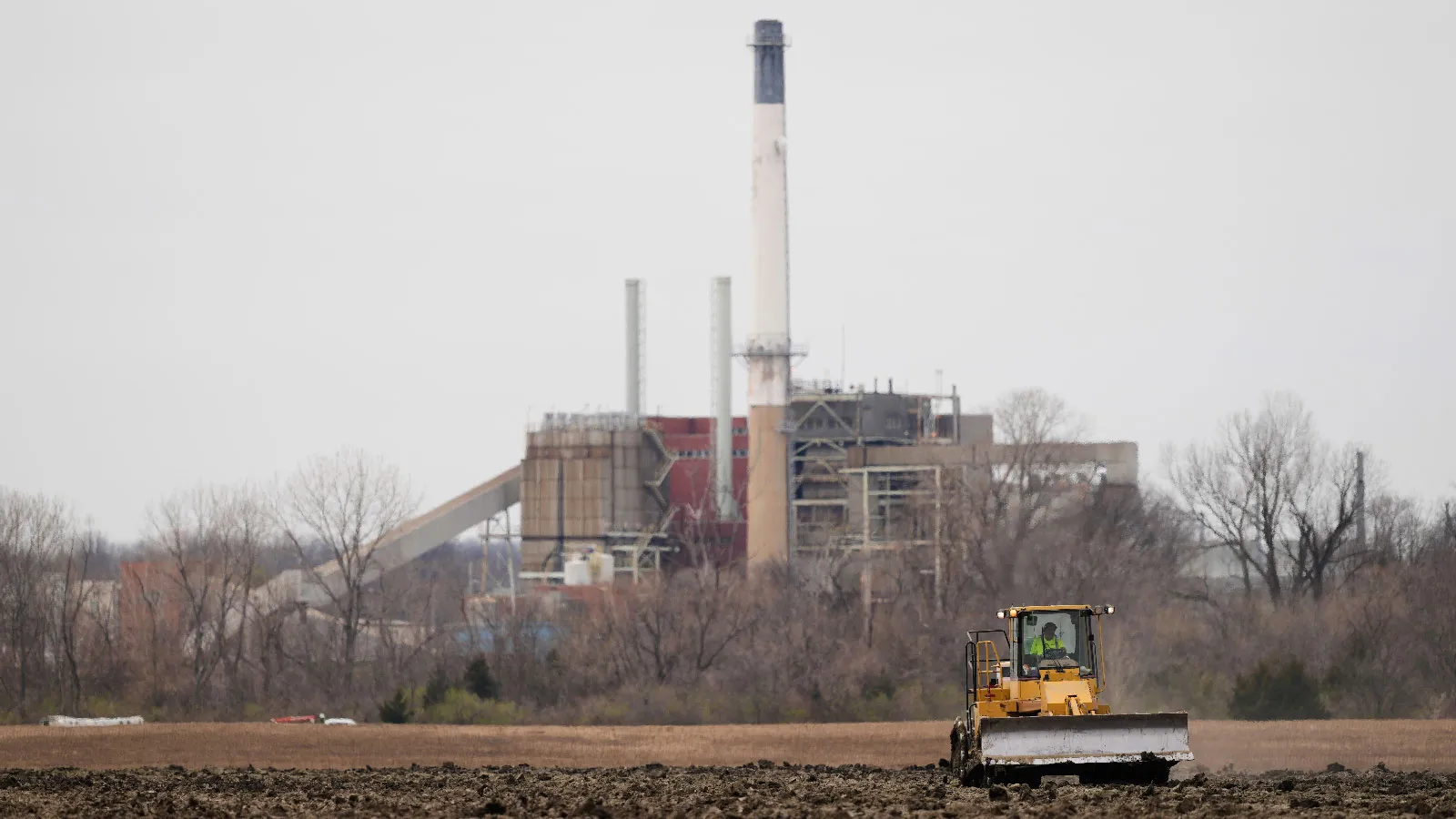
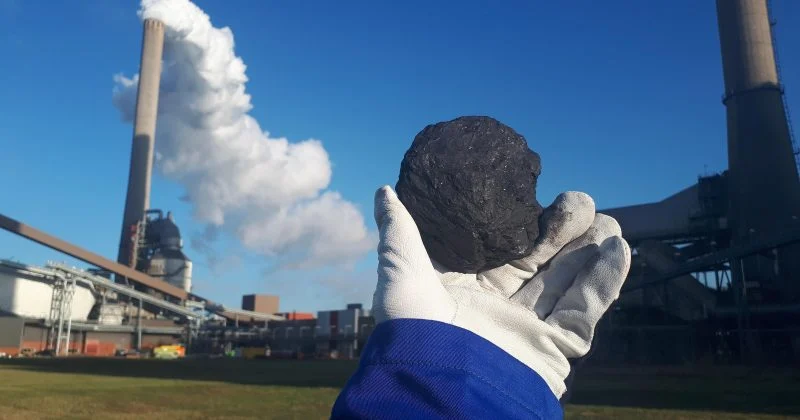
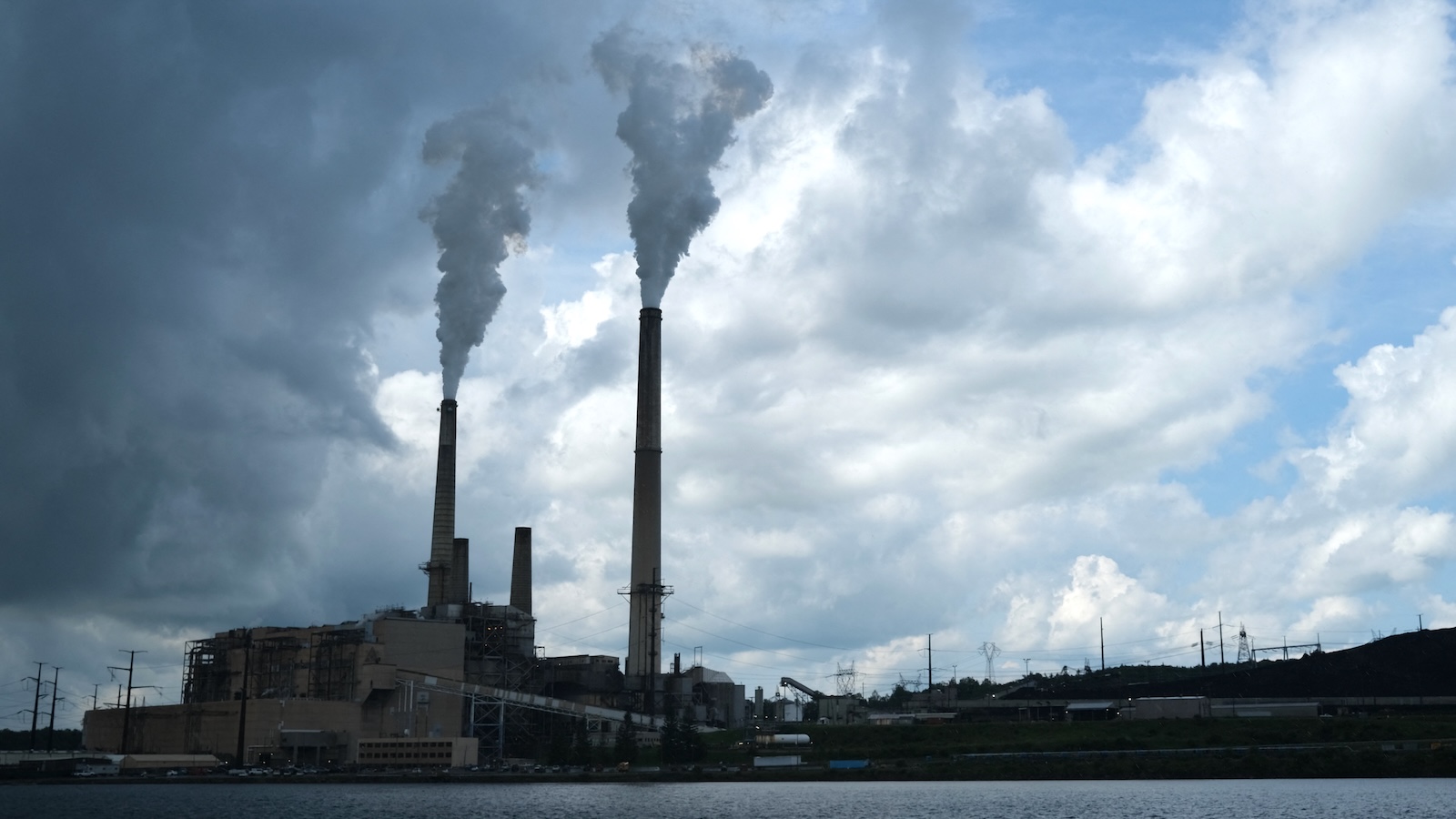
We now have a clearer picture about at least one consequence of the data center boom, and it isn’t encouraging. A report released last week from the Energy Information Administration found that carbon emissions from the U.S. power sector rose by 4 percent last year — larger than the increase in the economy overall, where emissions only ticked up 2 percent. The agency attributes this rise to a 13 percent increase in coal power generation, partially driven by the proliferation of large-scale data centers.
The national increase in power sector emissions represents the reversal of a longstanding trend. Before the AI boom, U.S. power consumption had been flat for decades. Utilities, grid operators, and energy planners had assumed that pattern would continue, and many planned to retire their older and dirtier coal plants with the expectation that natural gas and renewables could replace them. Instead, electricity demand is rising much faster than anticipated. Data centers could make up more than 10 percent of U.S. electricity usage by 2030, and they operate around the clock, including when wind and solar farm output is low. That demand has extended the life of some aging coal plants.