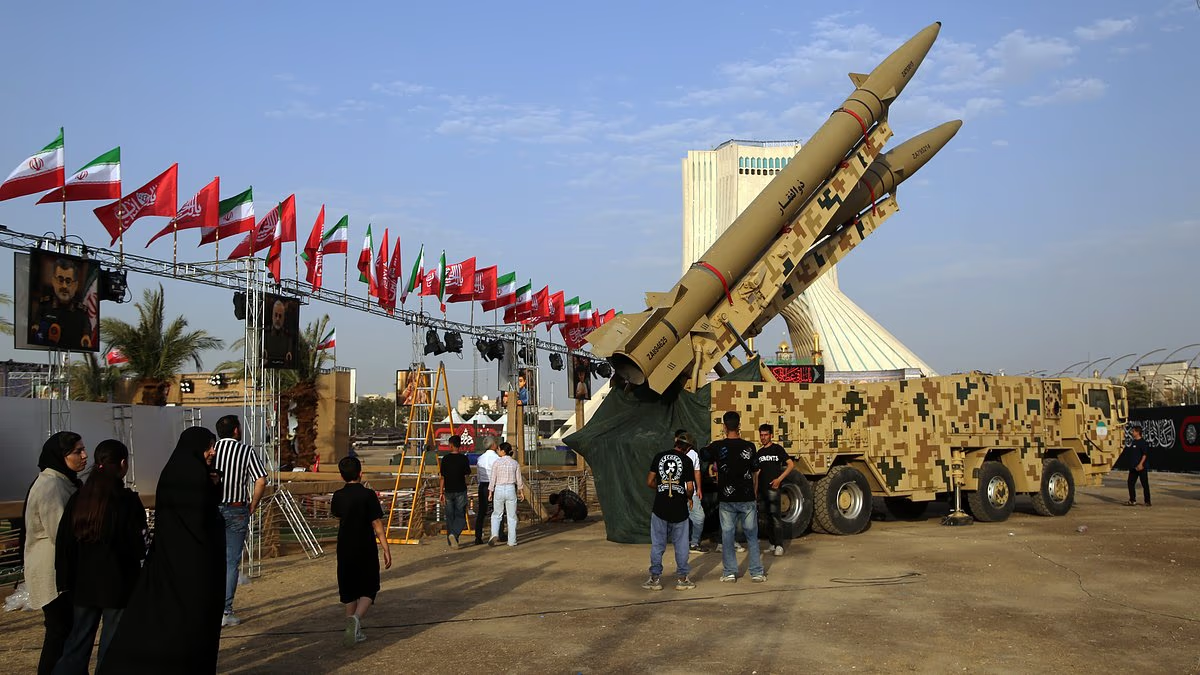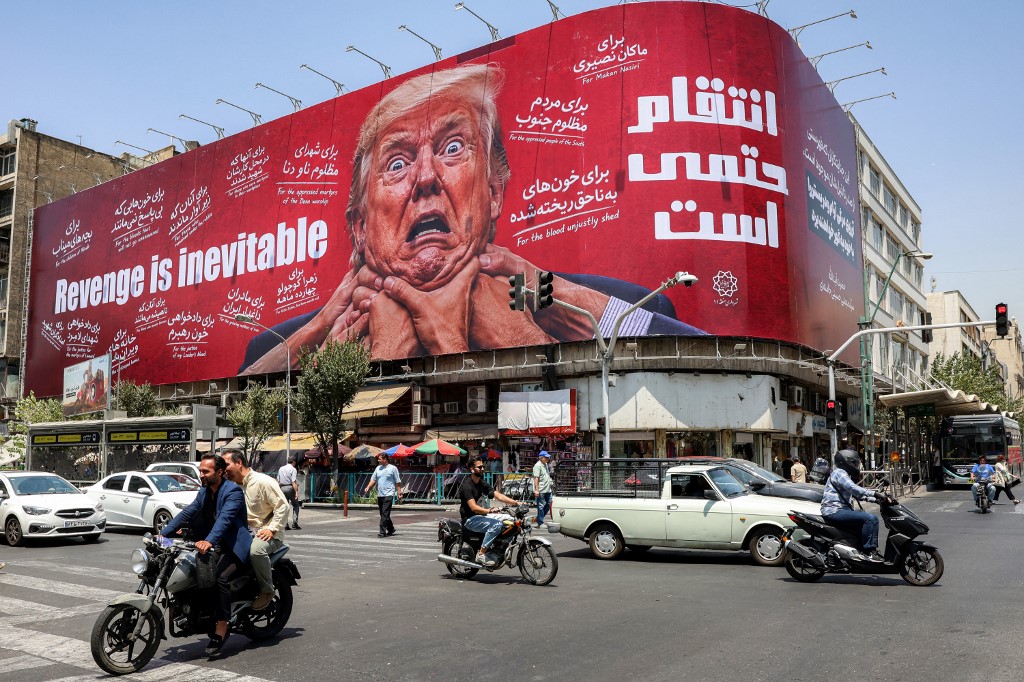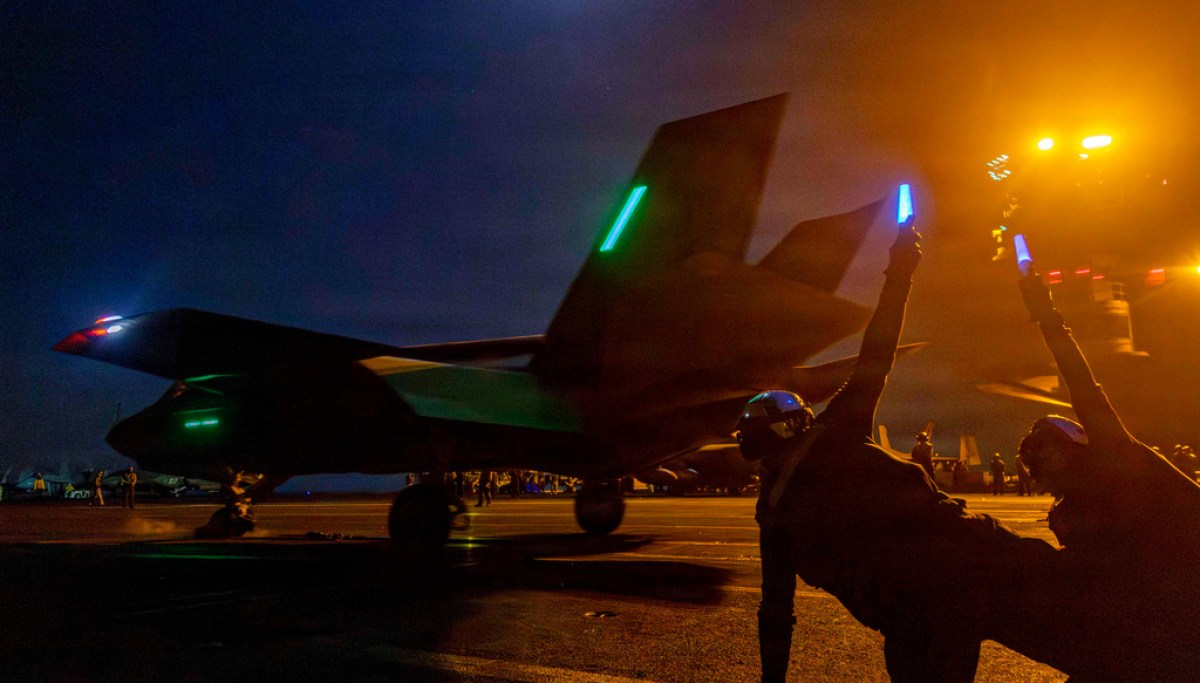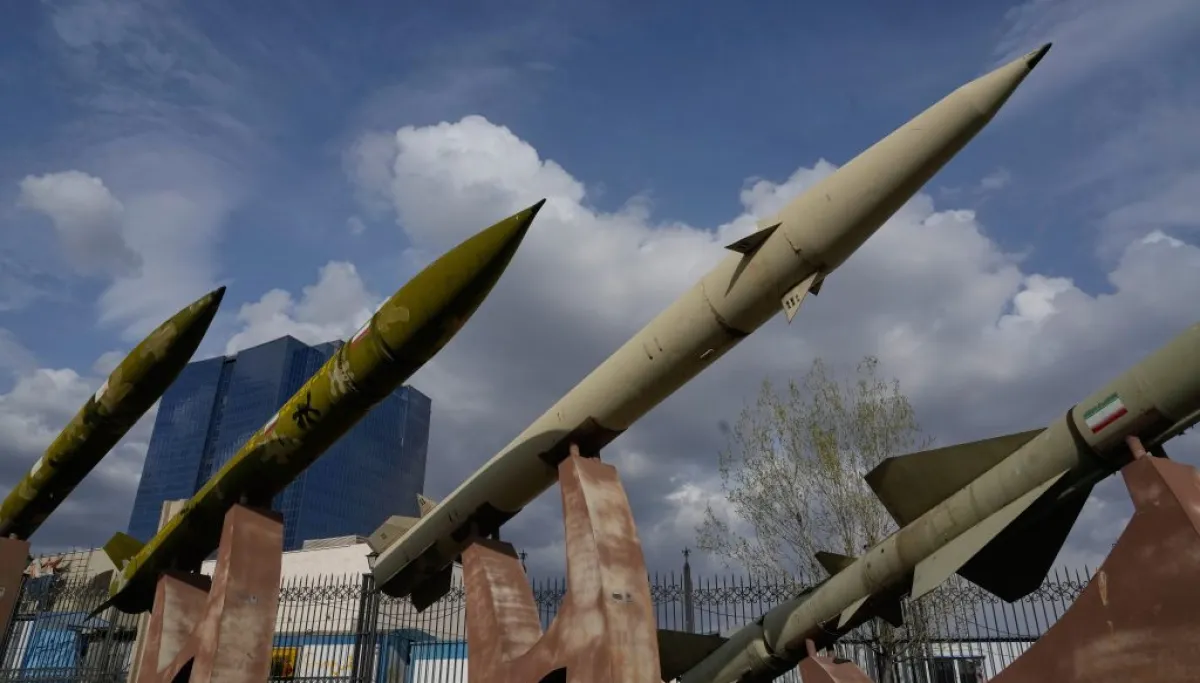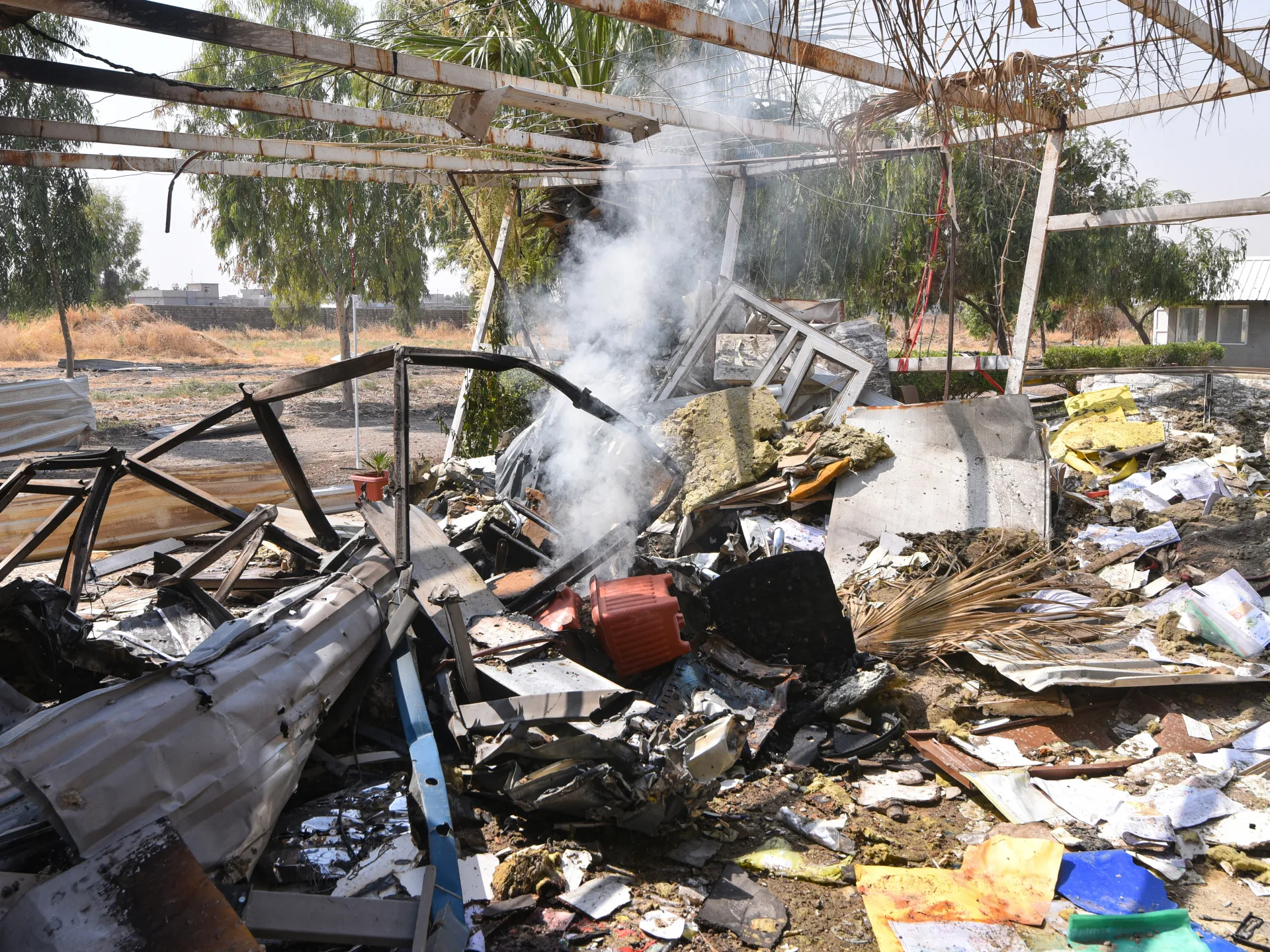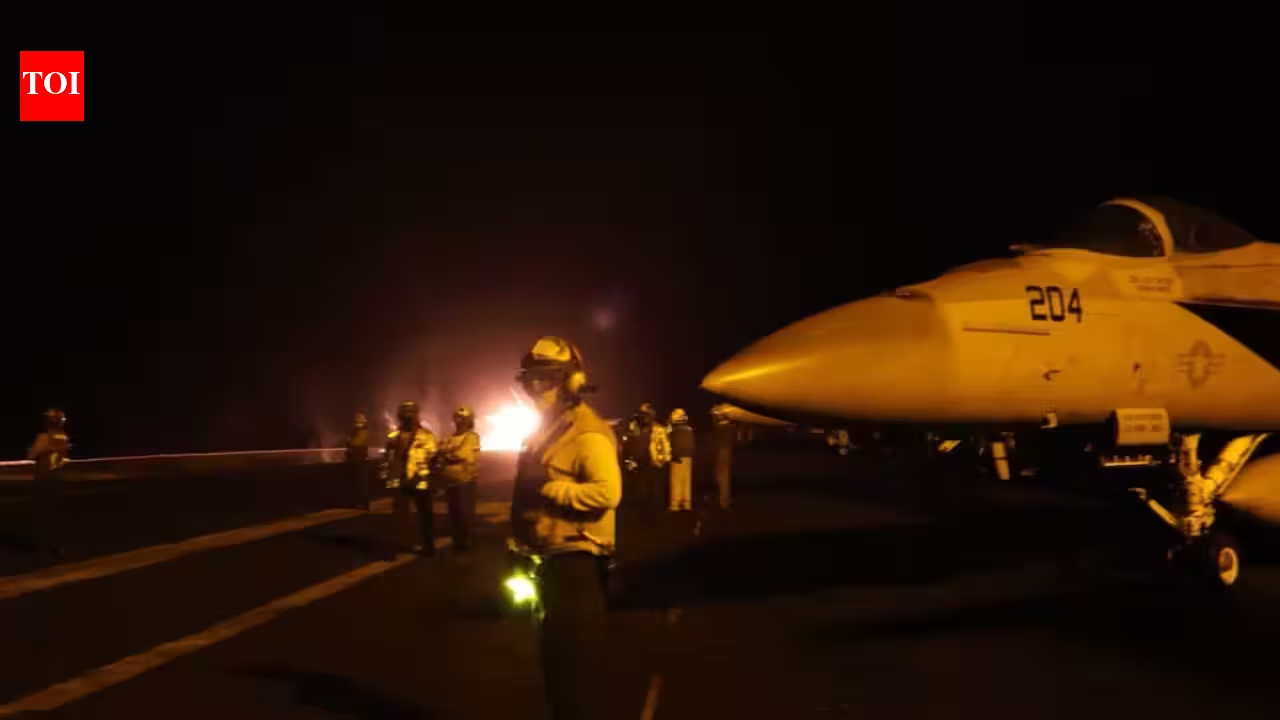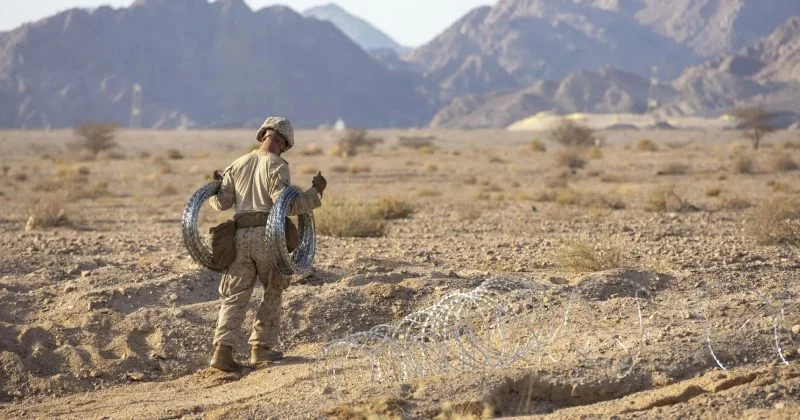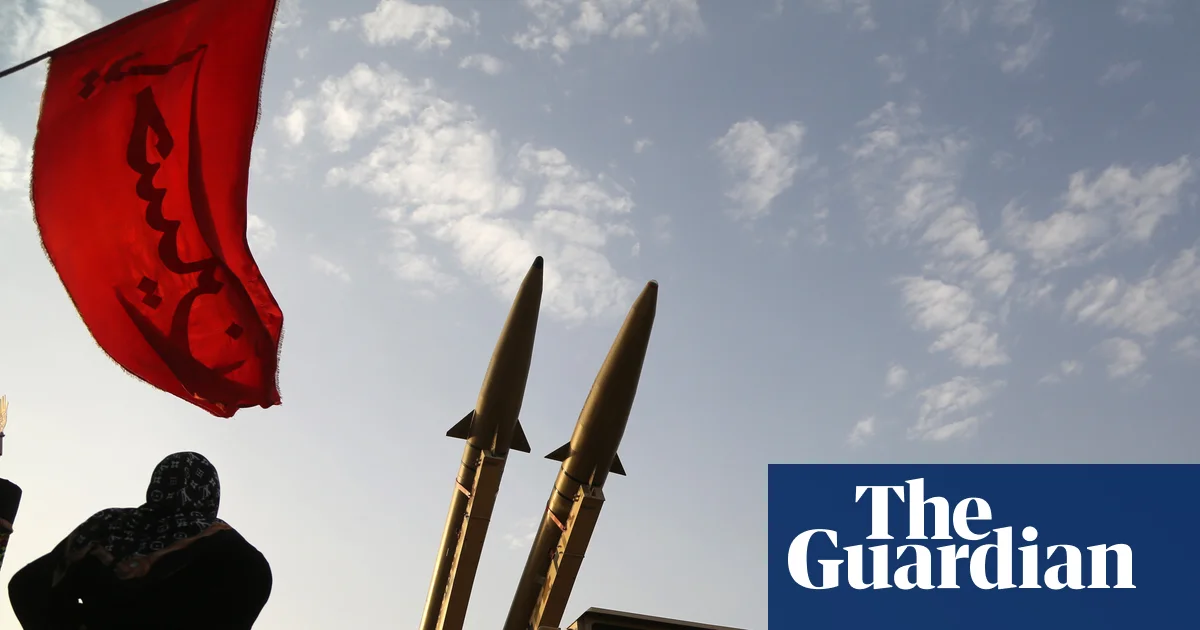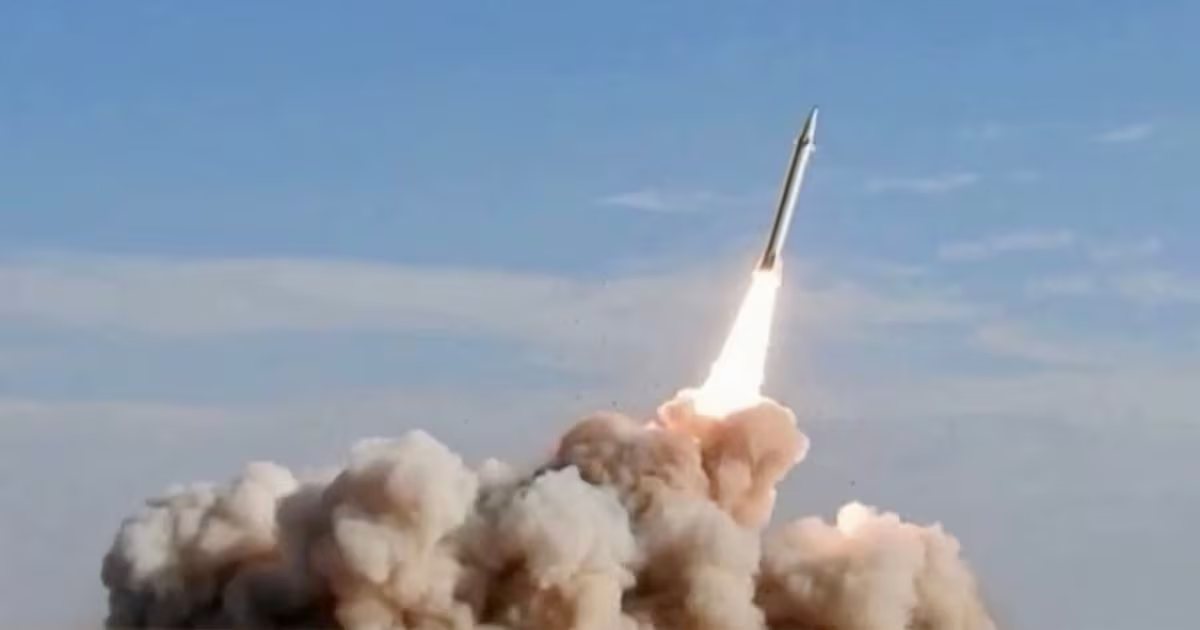
The US military said Iran’s Islamic Revolutionary Guard Corps launched ballistic missiles in an “attempted surprise attack” on American forces in the Middle East, but the assault was thwarted.While US Central Command did not initially disclose the location of the IRGC attack, which took place at 1.45am Gulf time on Wednesday, details emerged hours later when Jordan said it had intercepted and destroyed five missiles launched towards its territory.The IRGC later said it had targeted a US airbase and command centre in Jordan with ballistic missiles in response to US “aggressive actions”. The attack appeared to be unprovoked, coming during a pause in hostilities after President Donald Trump halted 13 days of US strikes on Iran to allow “some space” for negotiations.So why was the attack launched now?It came after Oman presented Iran with a Gulf-backed plan for the Strait of Hormuz, under which Tehran would not have sole control over the waterway and shipping fees would remain voluntary. Iran rejected the proposal, with Deputy Foreign Minister Kazem Gharibabadi saying the strait “will never return to its prewar state”.The strike on Jordan could be seen as a rebuff to that process. Iran had already reacted angrily to a UN-backed plan last month to open a shipping route along Oman's coast and had attacked at least one vessel at the time. Another likely reason for Wednesday's attack is Iran's belief that US forces in the region are vulnerable and that Washington may be reluctant to risk a wider conflict, amid reports of dwindling US weapons stocks and worsening economic impact of the conflict on American consumers ahead of the November midterm elections.The IRGC also said on Wednesday that it had struck three oil tankers in the strait and forced them to stop, while the US and Saudi Arabia hit back with deadly strikes on Iran-aligned fighters in Iraq. The developments caused crude prices to spike by 5 per cent.Compromise or resistanceThe attack on Jordan may have also exposed a struggle inside Iran’s leadership over its response. While some elements favour negotiations with Washington to ease sanctions, stabilise the economy and avoid further destruction, hardliners – including IRGC commanders – argue Iran should continue resisting the US and Israel rather than compromise.For the hardliners, diplomacy risks undermining Iran’s revolutionary identity and weakening its deterrence. They say Iran must show strength after the killing of supreme leader Ayatollah Ali Khamenei and the damage caused by US-Israeli strikes.The attack on Jordan also appears to fit with Iran’s broader strategy of controlled escalation. Rather than pursuing an immediate full-scale war, Tehran has relied on ballistic missiles, drones and allied groups across Iraq, Syria, Yemen and elsewhere to impose costs on the US and its partners.But at the same time, the strike highlights the difficulty facing Iran's leadership.A more pragmatic faction that includes Parliamentary Speaker Mohammad Bagher Ghalibaf and Foreign Minister Abbas Araghchi wants to use negotiations to rebuild Iran and relieve economic pressure, while hardliners such as the IRGC commanders and ultraconservative Saeed Jalili fear that compromise could marginalise them and weaken the foundations of the clerical regime.With Iran's new supreme leader, Ayatollah Mojtaba Khamenei, absent from view, no one commands enough authority to keep rival factions in line. This leaves Tehran's response to the war as partly a struggle over the regime's own future direction.Iran is sending two messages at once. Its signal to the outside world is that it can challenge US power and retaliate across the region, while its message to its own people is that the forces favouring resistance and confrontation remain powerful.The use of ballistic missiles was meant to demonstrate capability, strengthen deterrence and show Iran can shape the pace and scale of escalation rather than simply react to US pressure, analysts said.For the US, however, the response presents a difficult choice. A limited reaction could be seen by Iran as weakness, while a broader military campaign risks expanding a conflict that neither side may be able to control.The attack on Jordan was more than a military operation. It showed the US and its allies, as well as Iran's domestic audience, that the struggle over confrontation versus negotiation remains unresolved.
What's behind IRGC 'surprise attack' on US forces in Jordan? | The National
Ballistic missile strike shows Iran's struggle over confrontation versus negotiation remains unresolved
690 words~3 min read