(Image credit: Future)
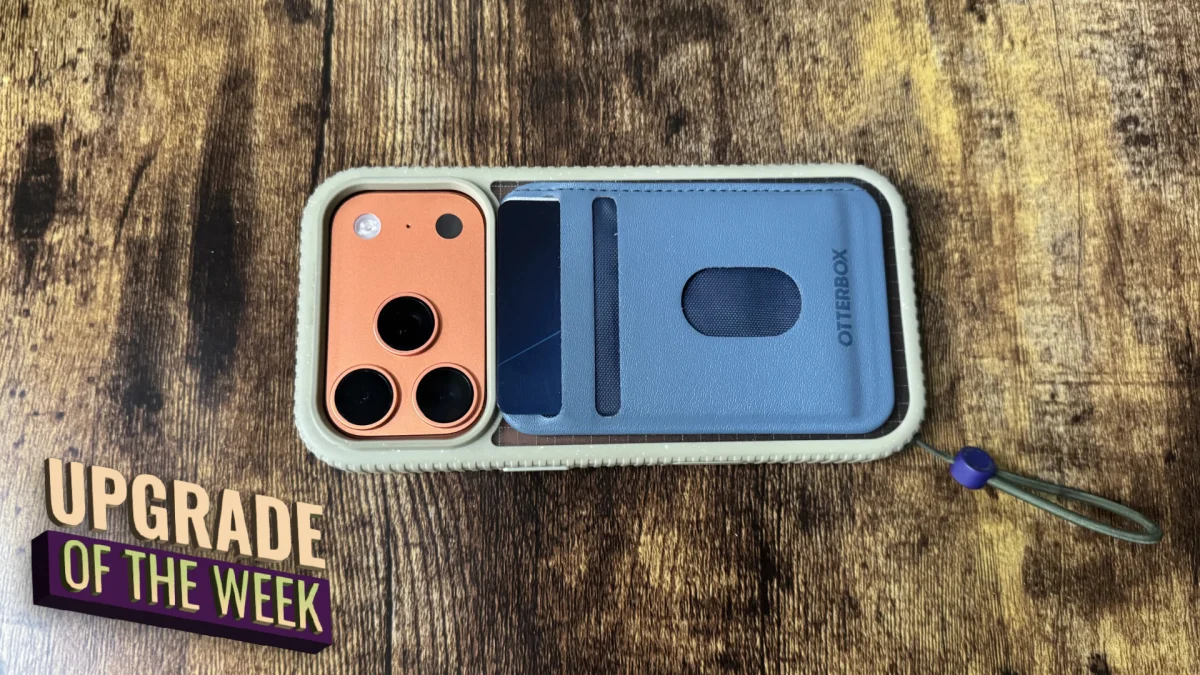
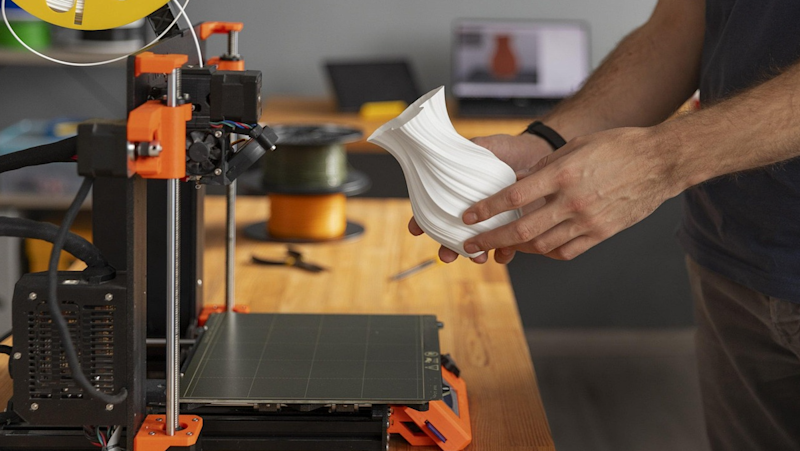
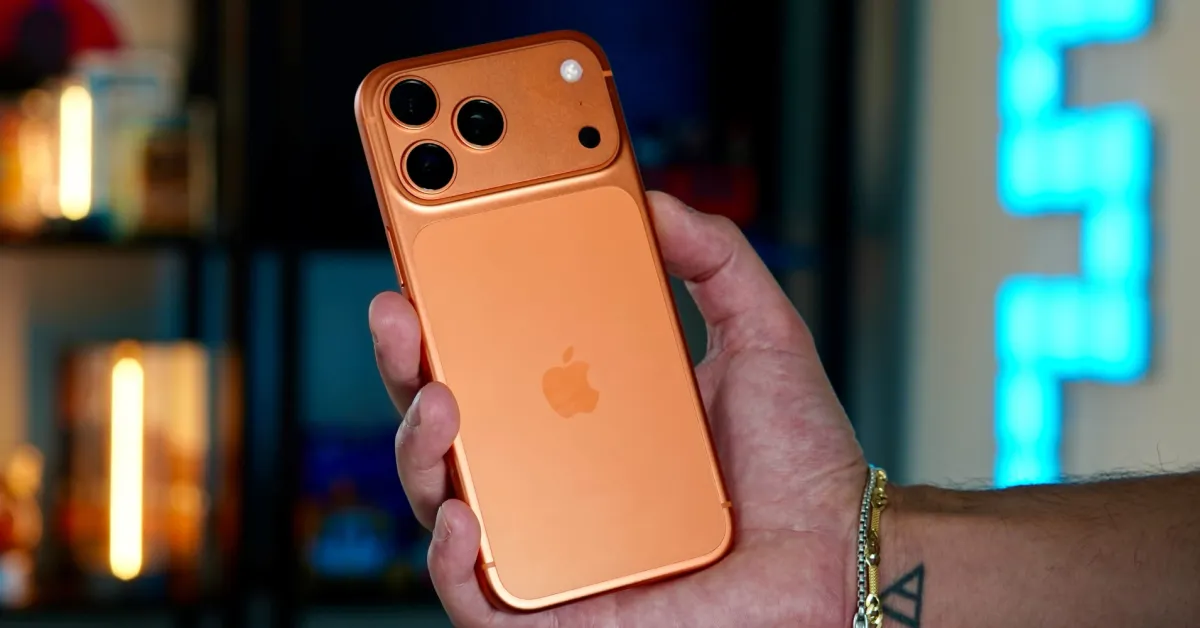
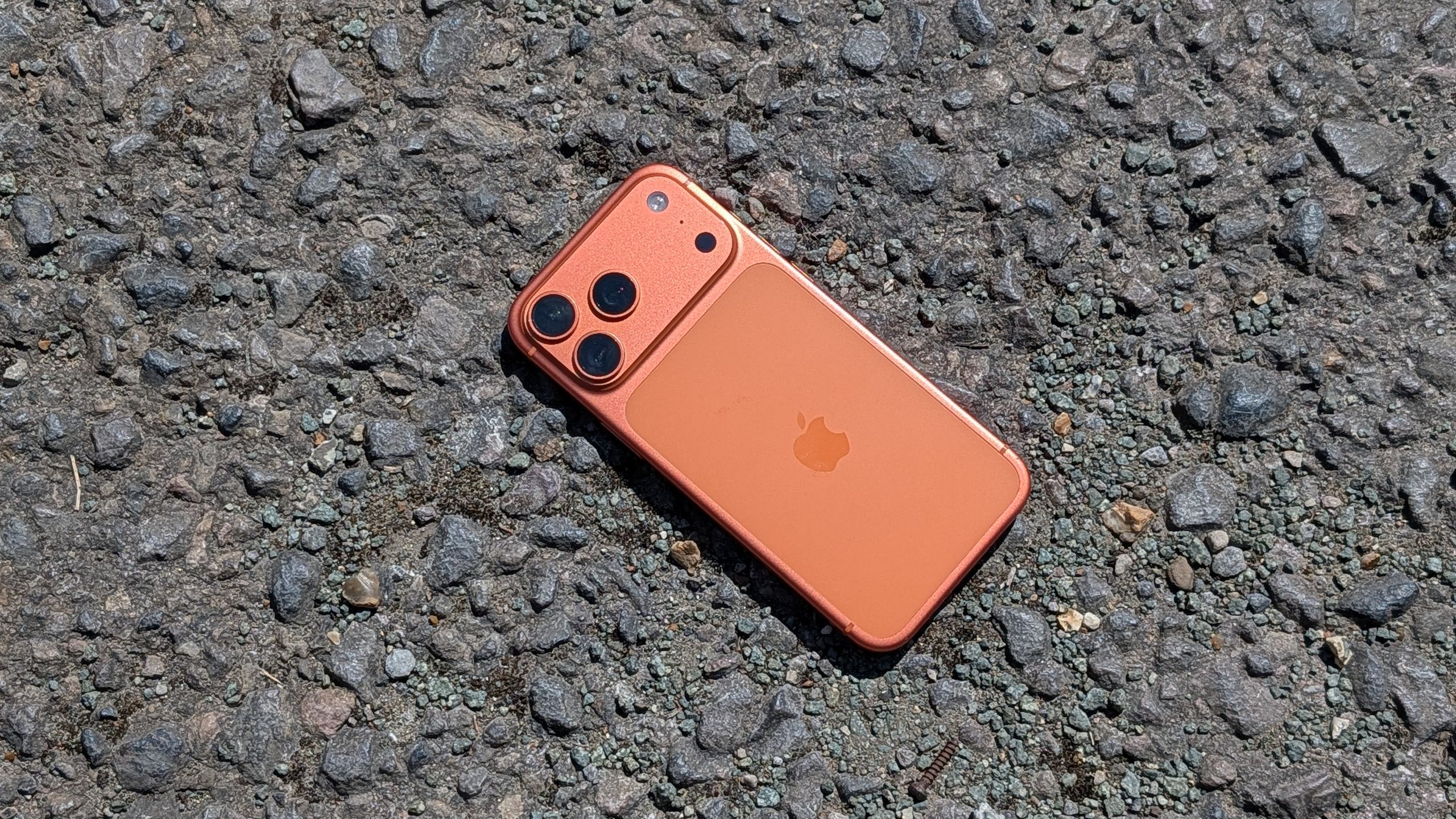
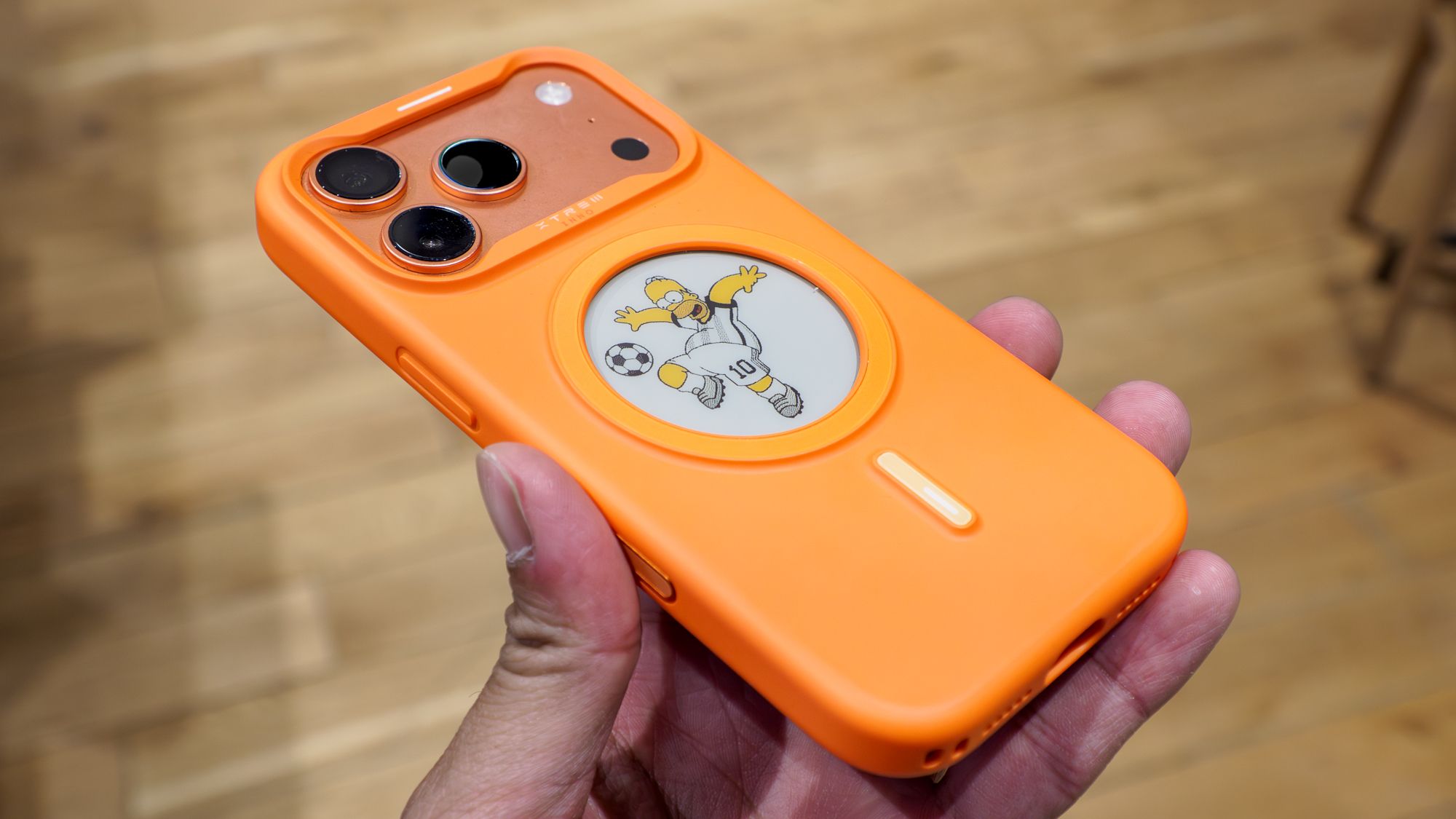
It's quite important to keep your phone in a protective case. I recently found this out the hard way after letting my iPhone 17 Pro Max fall onto the asphalt and pick up some chips and dents it really didn't need. Buying phone cases is a rather tedious experience, though, and the sheer scale of the phone accessories market means there are countless options at a variety of different price points. Which one do you choose?This got me wondering whether you actually needed to make a choice at all. I actually purchased a 3D printer at the start of the year, and immediately started looking for ways to justify that purchase to my wife. I've had limited success so far, mostly making plastic trinkets that break far too easily, but what if I used it to print my own cases from scratch?That way I could get myself a new phone case in a single afternoon, without having to spend money or wait for it to be delivered. Not to mention the fact that if I can do this regularly, I may end up slightly reducing the environmental impact of getting future cases sent out to me.Getting the right materials
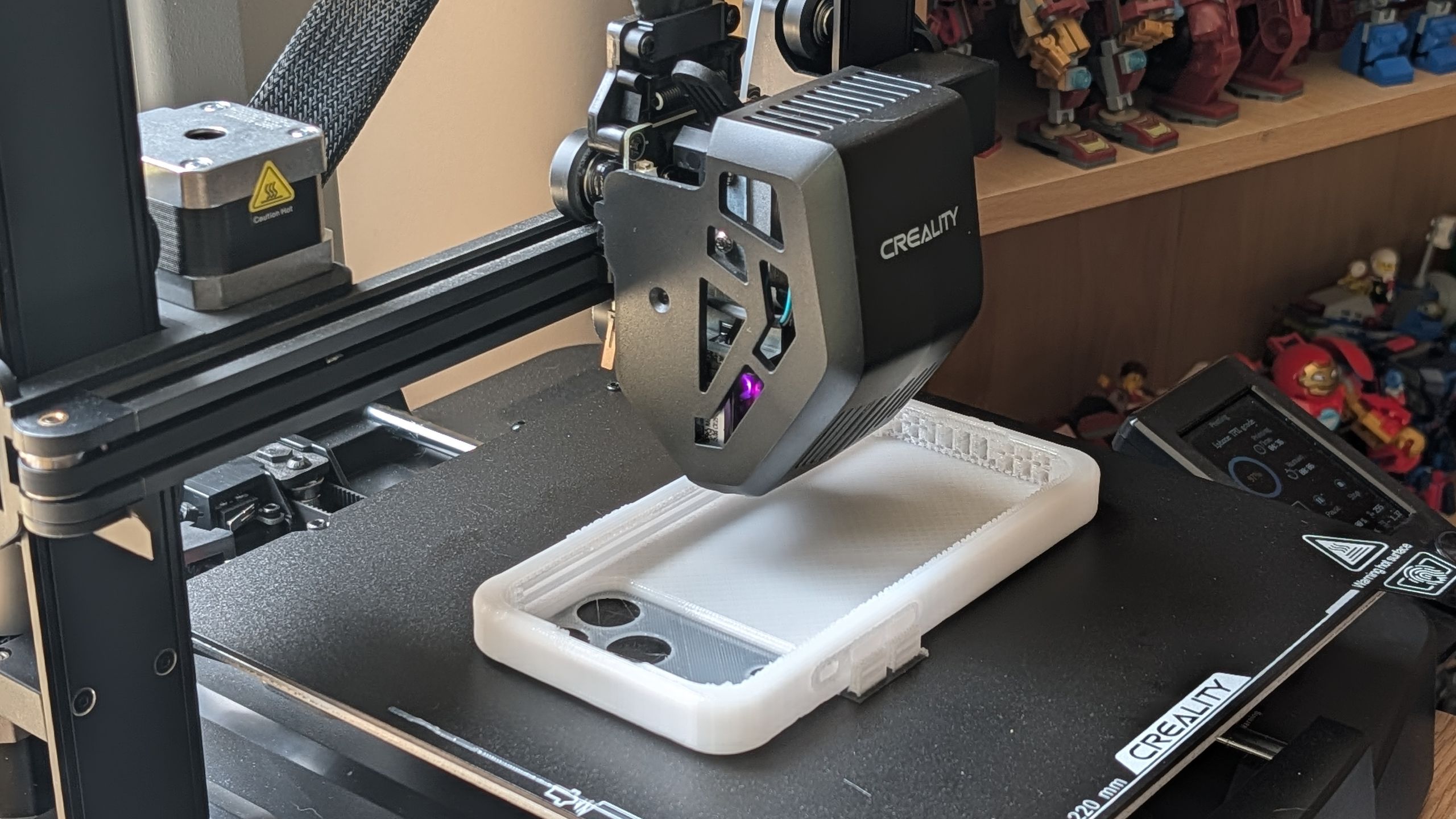
(Image credit: Future)I'm still fairly new to 3D printing, so everything I've done has involved me learning as I go, making many, many mistakes in the process. Thankfully one of those mistakes was not just 3D printing a case without thinking, using the basic PLA (polylactic acid) filament I purchased with my printer. While useful for a lot of things, this is rigid and fairly brittle plastic.Not only would this offer very poor shock protection, the lack of flexibility means you're not actually going to be able to get your phone into the case itself. You would have to utilize an elaborate multi-part design that locks together around your phone.And don't even think about printing a case around your phone. The material coming out of the nozzle is molten plastic, and PLA is heated to over 300 degrees Fahrenheit during the printing process. That's definitely not something you want near your pricey smartphone.