The Cost of Complexity: What the Liquidation of Premium Audio Hardware Reveals About Consumer Silicon Lifecycles
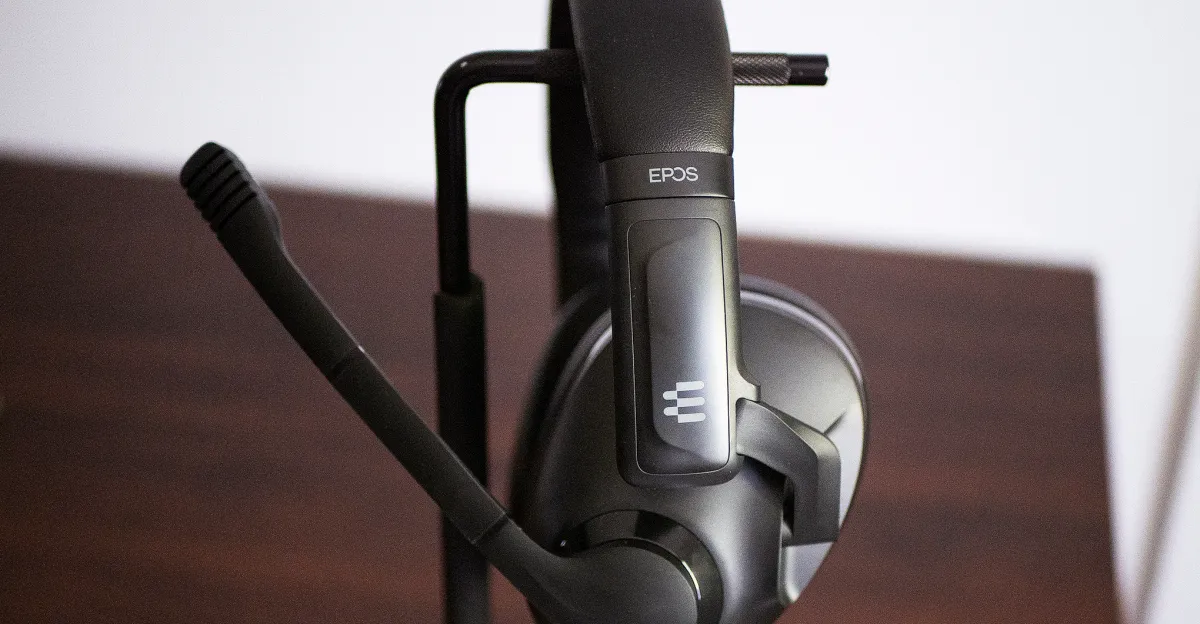
The recent fire-sale pricing of the EPOS H3 Hybrid headset—marked down to $25 from its original premium launch price—is more than a simple retail clearance event. It is a lagging indicator of a structural shift in the consumer audio market. EPOS, born from the demerger of Sennheiser and Demant’s gaming joint venture, has spent the last year winding down its gaming segment. This aggressive inventory liquidation highlights a harsh reality in modern hardware engineering: the moment a peripheral transitions from a passive analog device to an active, silicon-dependent system, its economic lifecycle is bound to the unforgiving laws of software maintenance and inventory depreciation.
The H3 Hybrid’s core value proposition was its dual-source audio mixing capability. By allowing users to ingest a hardwired connection (via USB or 3.5mm) while simultaneously streaming compressed audio over Bluetooth, the headset solved a genuine multi-device workflow problem. However, executing this feature required moving away from passive acoustic design toward an active system architecture. This architectural shift introduces significant engineering overhead, the costs of which are rarely fully accounted for by hardware teams accustomed to traditional manufacturing lifecycles.