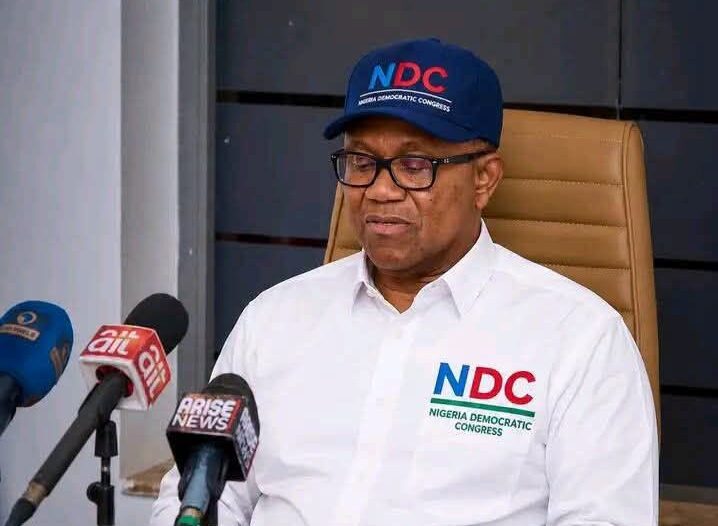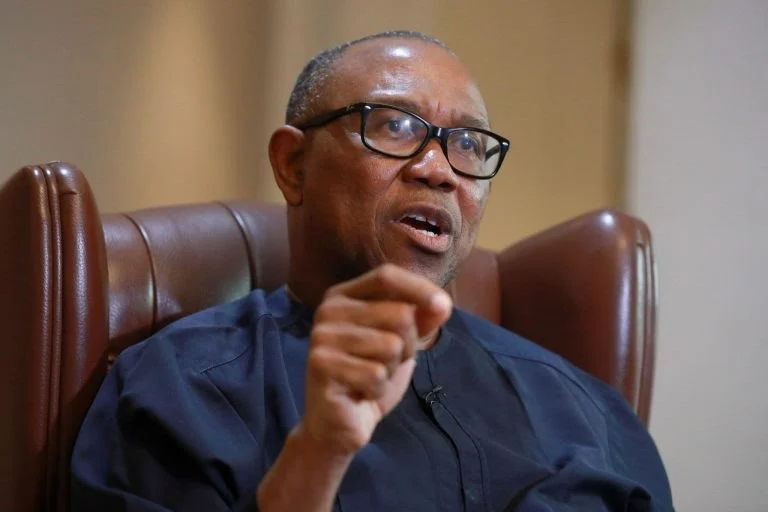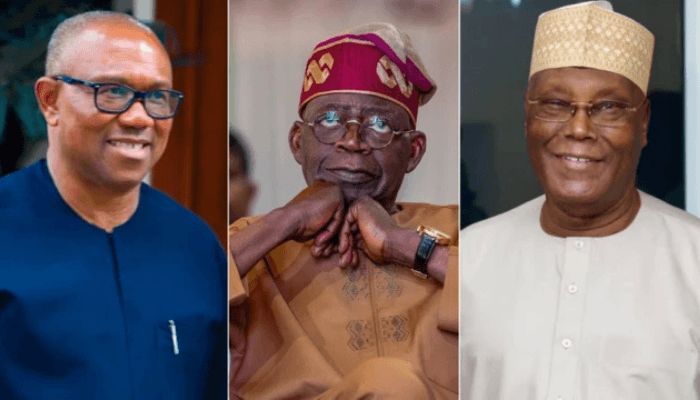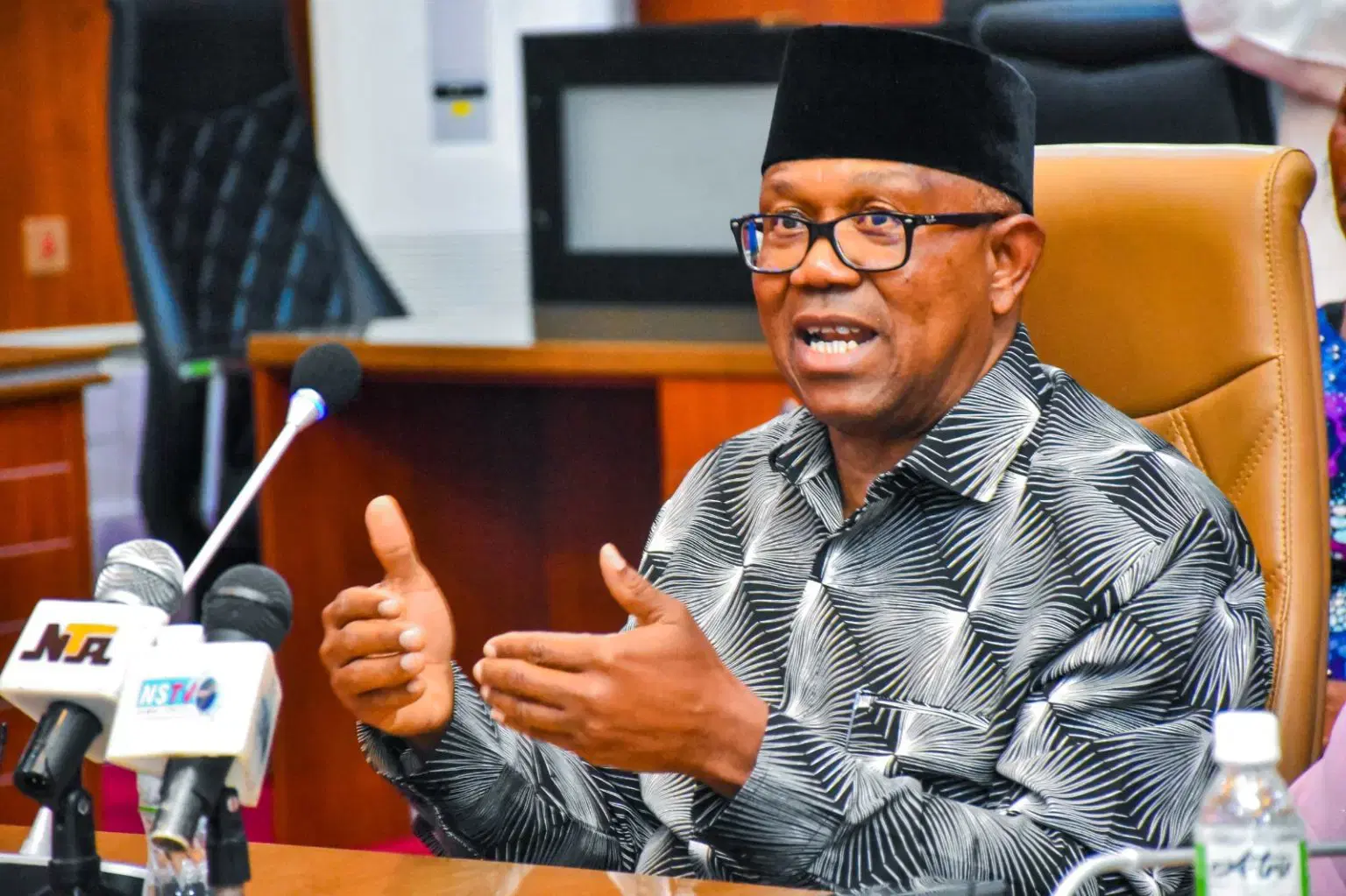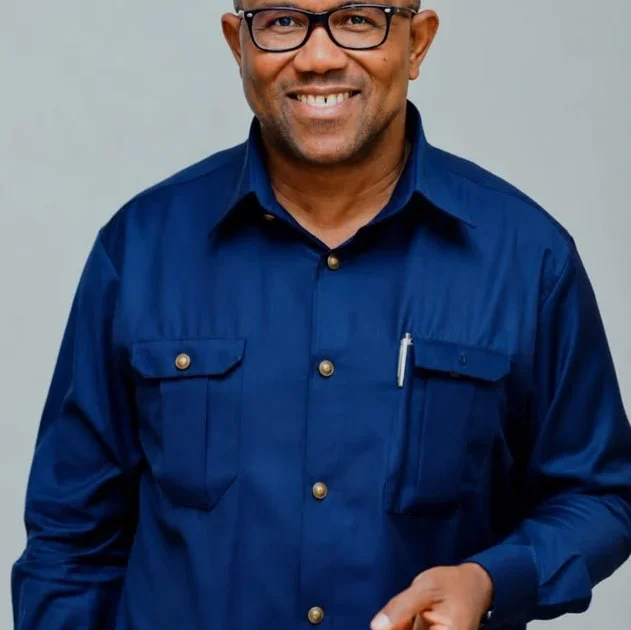
Stanley Nkwocha, in this piece, asks if the presidential candidate of the Nigerian Democratic Congress, Peter Obi, actually negotiates one-term of four years on behalf of the South East or in his personal capacity ahead of the 2027 polls?
Peter Obi’s latest political posture raises a question that should concern every sincere believer in the long-standing quest for a Nigerian president of Igbo extraction: did he negotiate four years for Ndigbo, or did he negotiate it for himself?
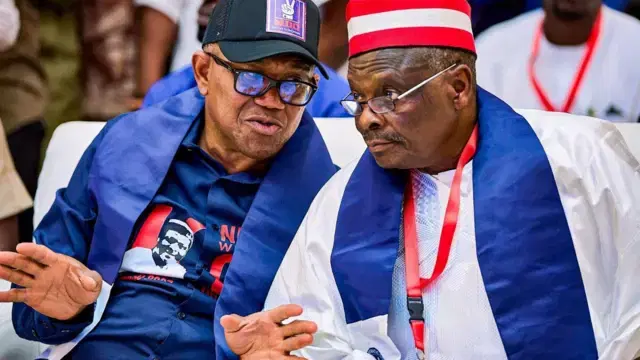
That question has become necessary following recent reports of a possible political understanding between Obi and Senator Rabiu Musa Kwankwaso ahead of the 2027 presidential election. If the reports are true, and Obi has indeed accepted or considered a single-term arrangement in exchange for Northern support, then the matter goes beyond personal ambition.
It touches the deeper issue of political representation, perceived political marginalisation, and the seriousness with which the South-East approaches its long quest for the presidency.
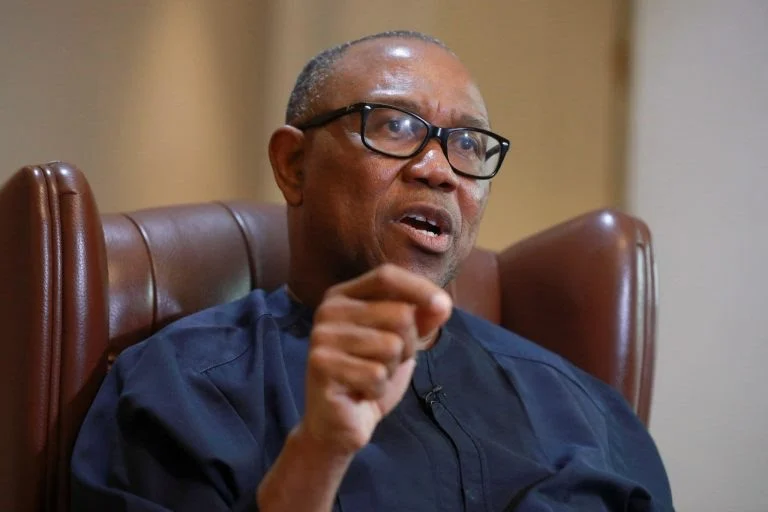
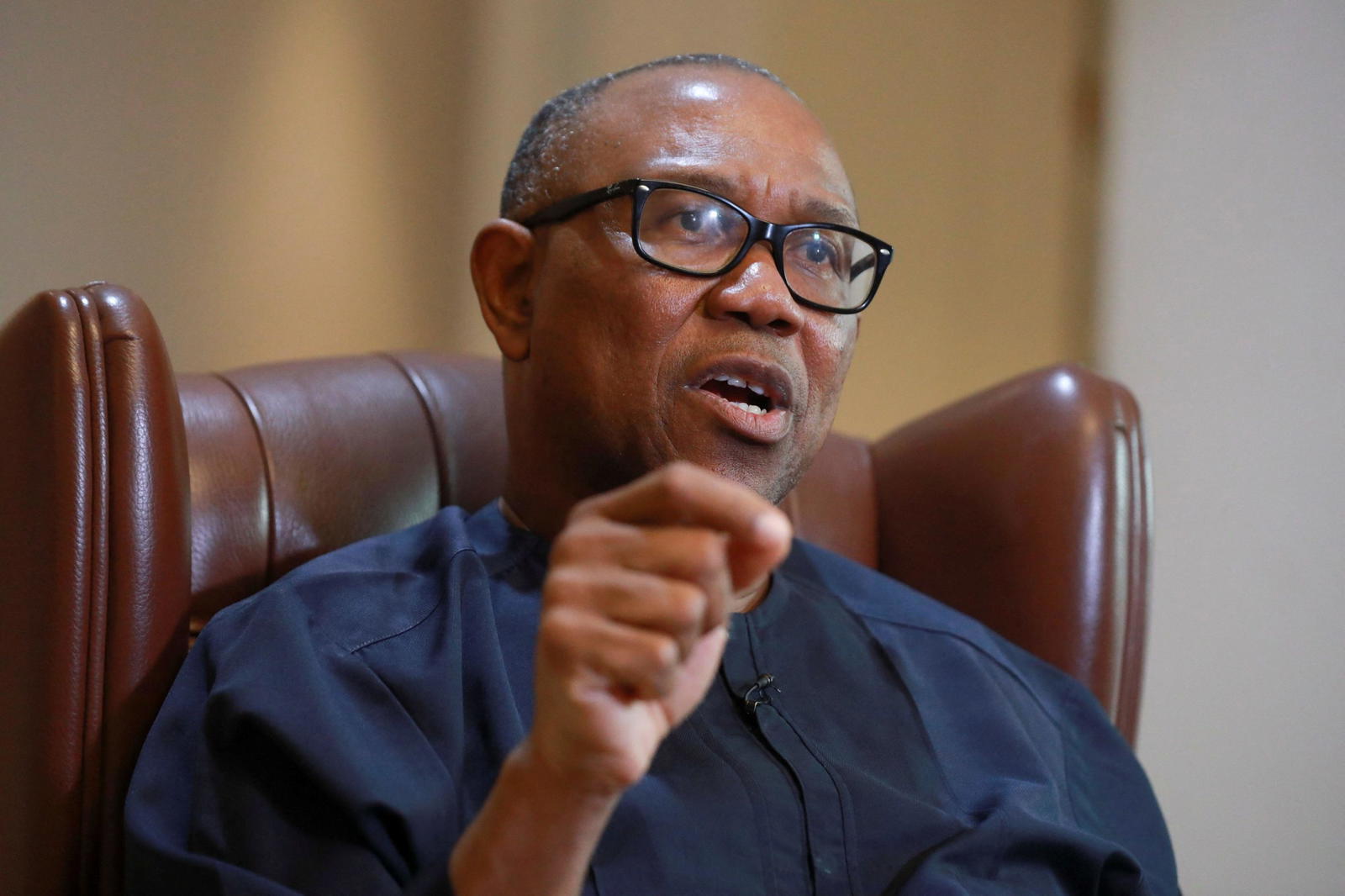
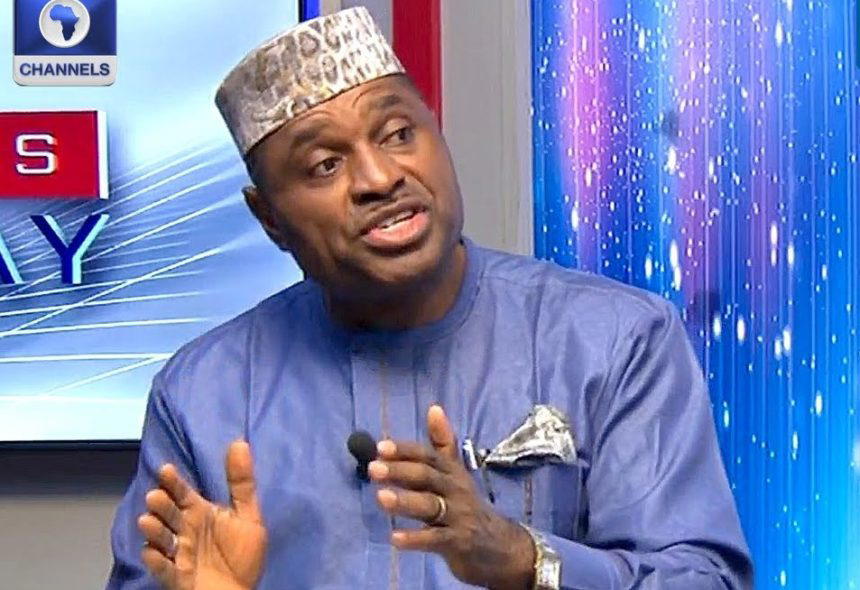
Obi, a former vice presidential candidate of the Peoples Democratic Party and the Labour Party’s presidential candidate in 2023, has spent the last few years projecting himself as the face of a new political morality. His appeal has rested largely on claims of competence, frugality, data-driven leadership, and a promise to rescue Nigeria from waste and misgovernance. Yet his recent public engagements, especially his weekend interview with a national television, have raised more questions than answers.