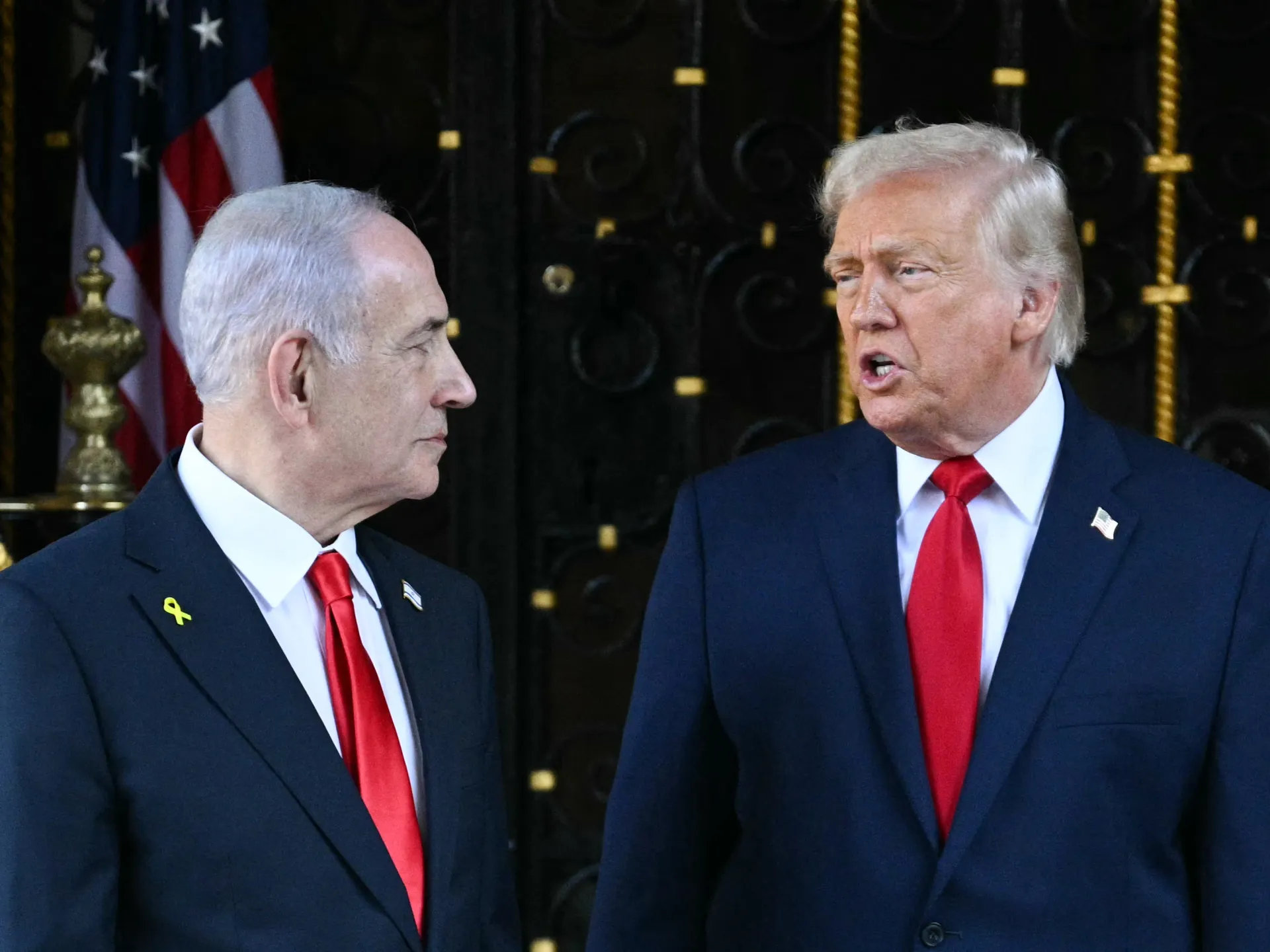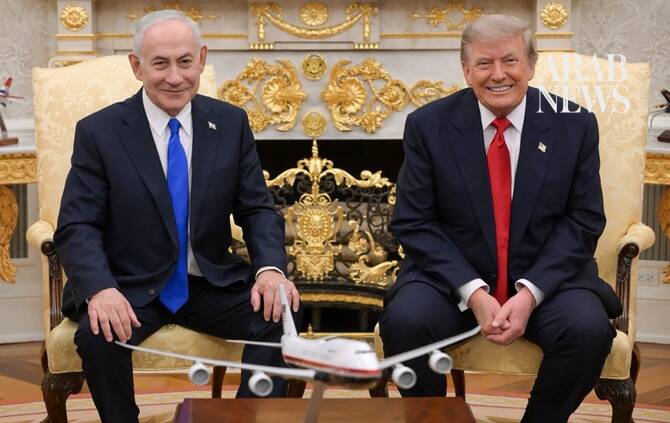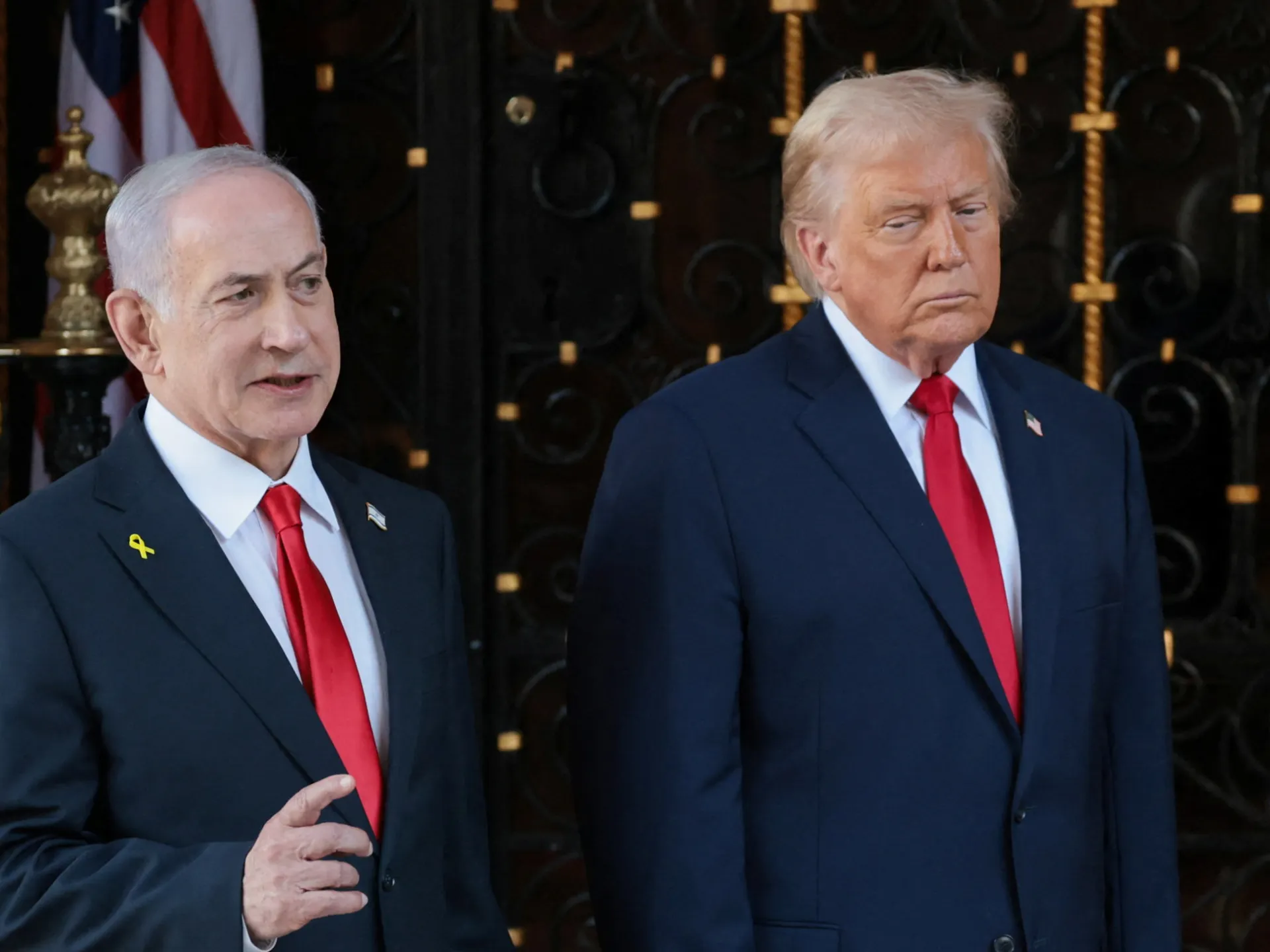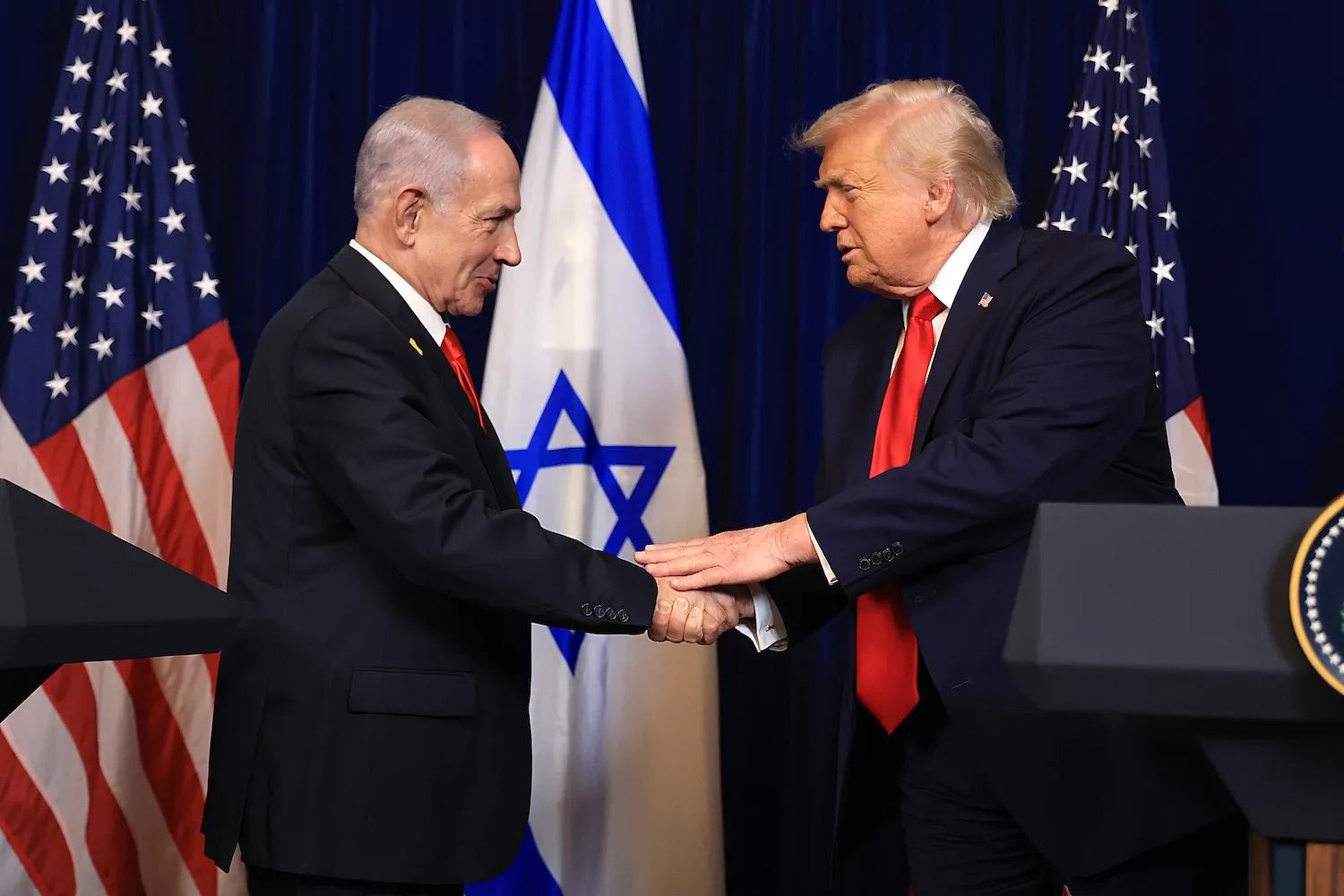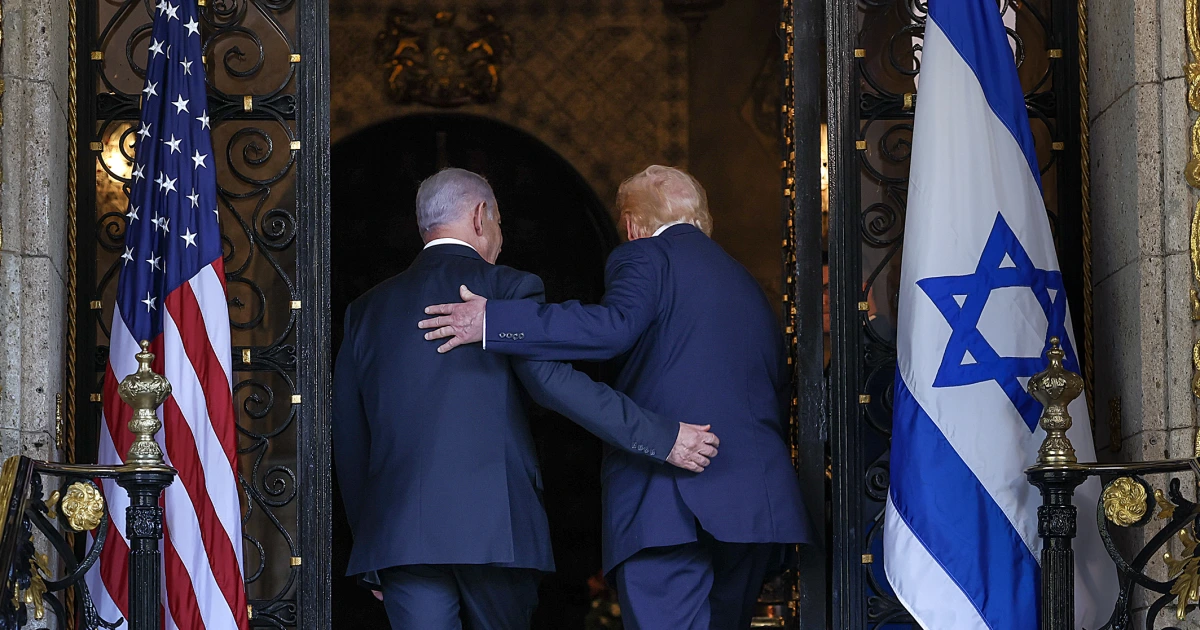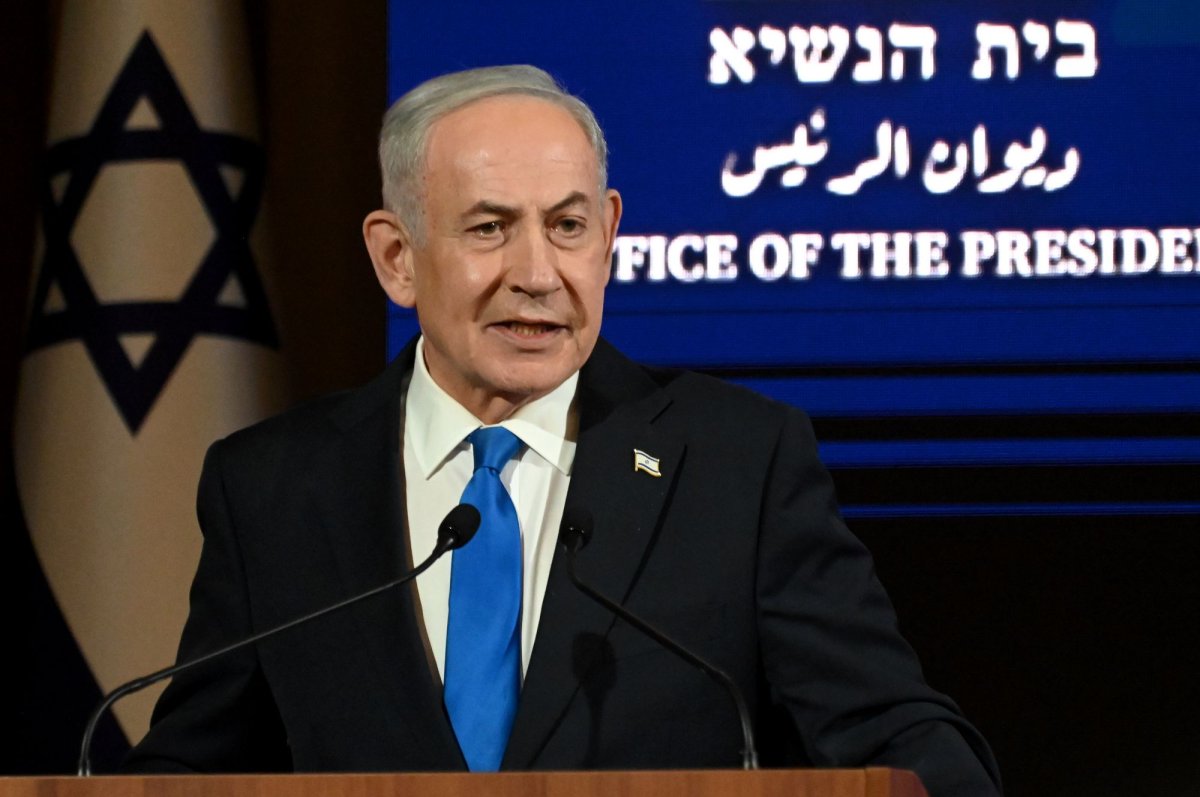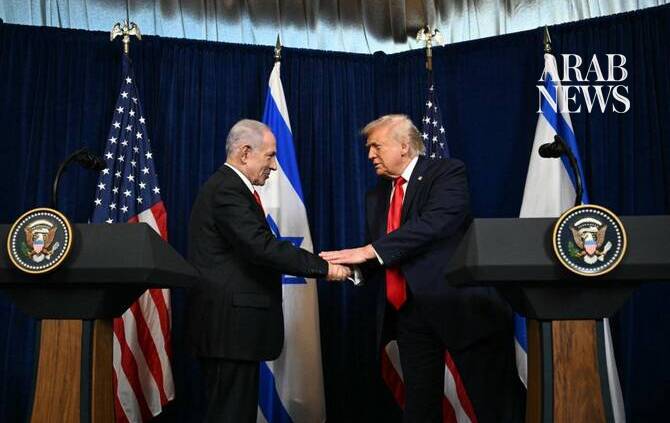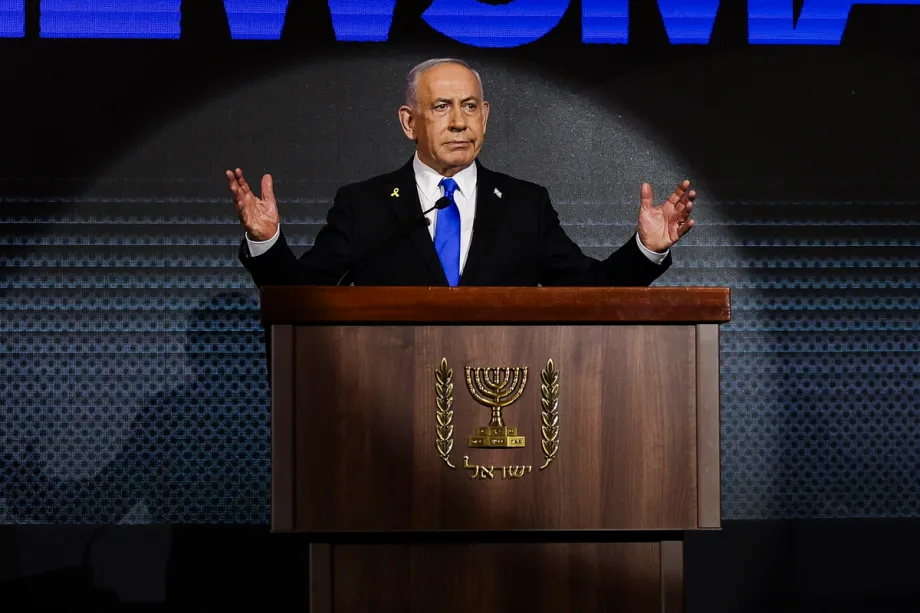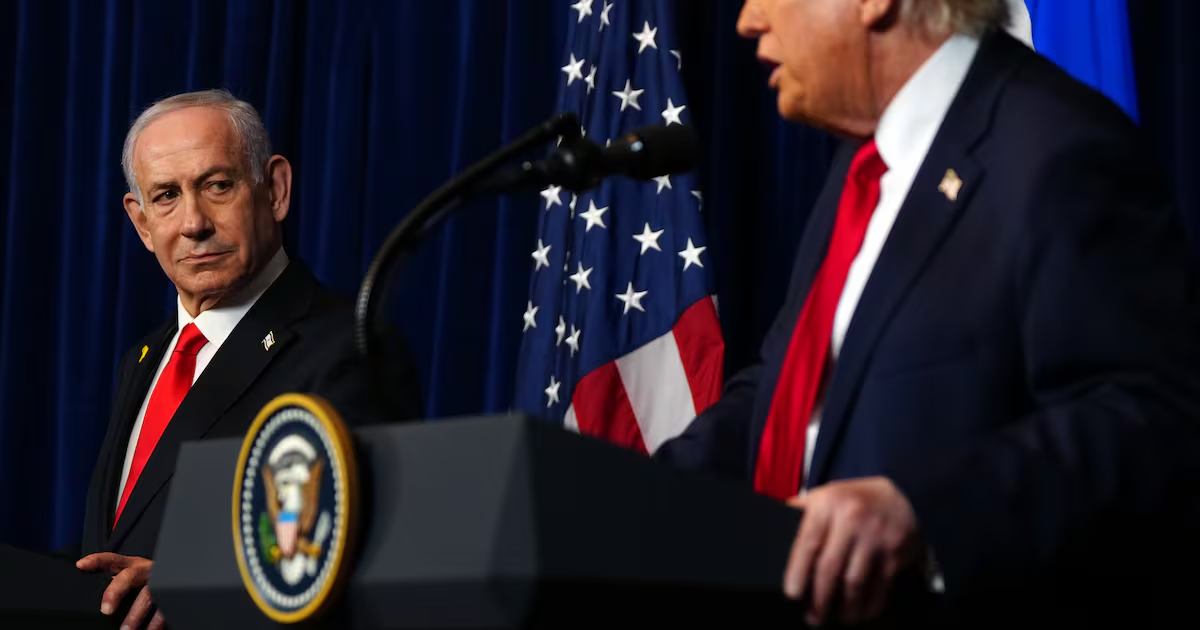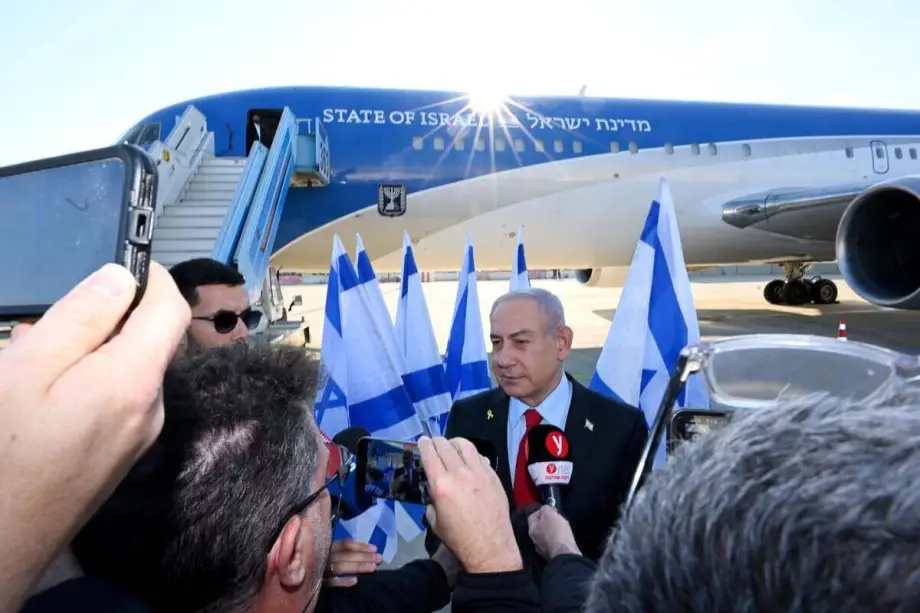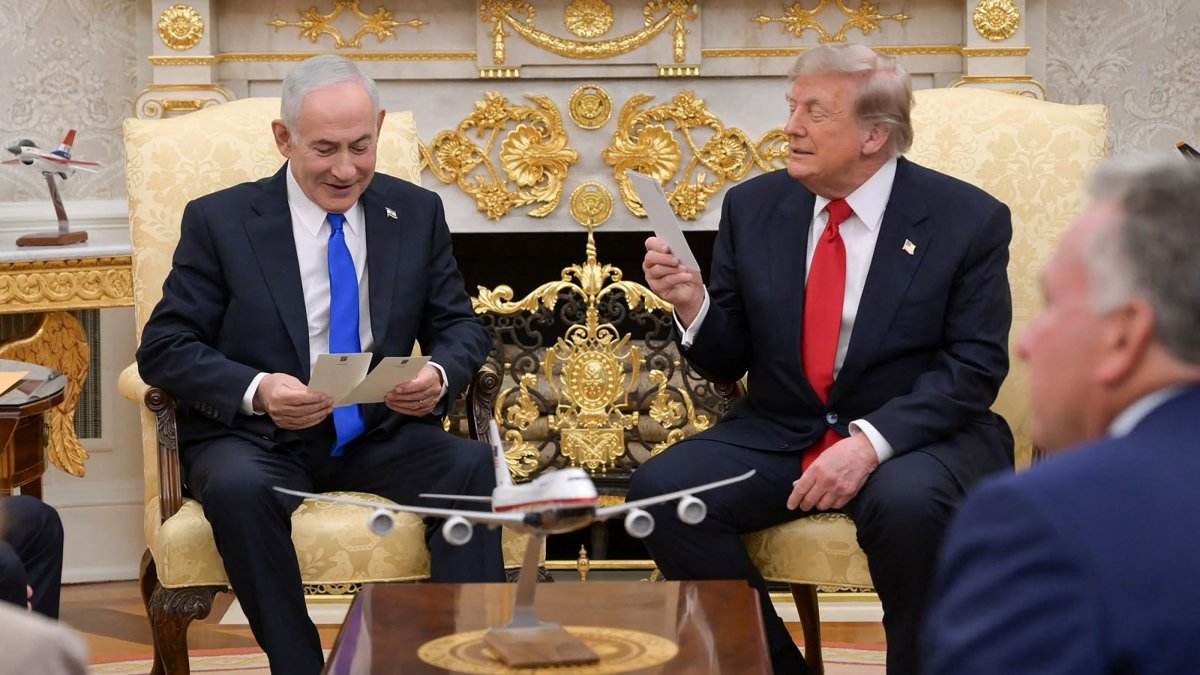
Israeli Prime Minister Benjamin Netanyahu's visit to Washington should not be viewed as just another routine diplomatic meeting between two close allies. There appears to be a striking pattern between his visits to Washington and Israel's subsequent military actions on the ground. For this reason, the meetings at the White House deserve attention not only for what they may mean for U.S.-Israeli relations, but also for their potential impact on a region stretching from Iran and Syria to Gaza and Lebanon.
Throughout his political career, Netanyahu has repeatedly demonstrated an ability to use security crises not merely as instruments of foreign policy but also as tools for strengthening his political position at home. In Israeli politics, periods of heightened external threats often reduce domestic polarization and generate greater public support for the government. Consequently, his visits to Washington should not be interpreted solely through their impact on the Middle East; they are equally important in understanding his domestic political calculations.
Conflicting U.S.-Israel interests
The 12-day war that engulfed the region last year offers one of the clearest examples of this pattern. Before the outbreak of hostilities, the Netanyahu government engaged in diplomatic consultations in Washington, arguing that Iran represented not only a threat to Israel but also a direct challenge to American interests in the Middle East. Backed by the influence of pro-Israel lobbying groups in Washington, significant pressure was placed on the U.S. administration to adopt a tougher military posture toward Tehran. Shortly afterward, the region descended into one of its most dangerous periods of military confrontation.