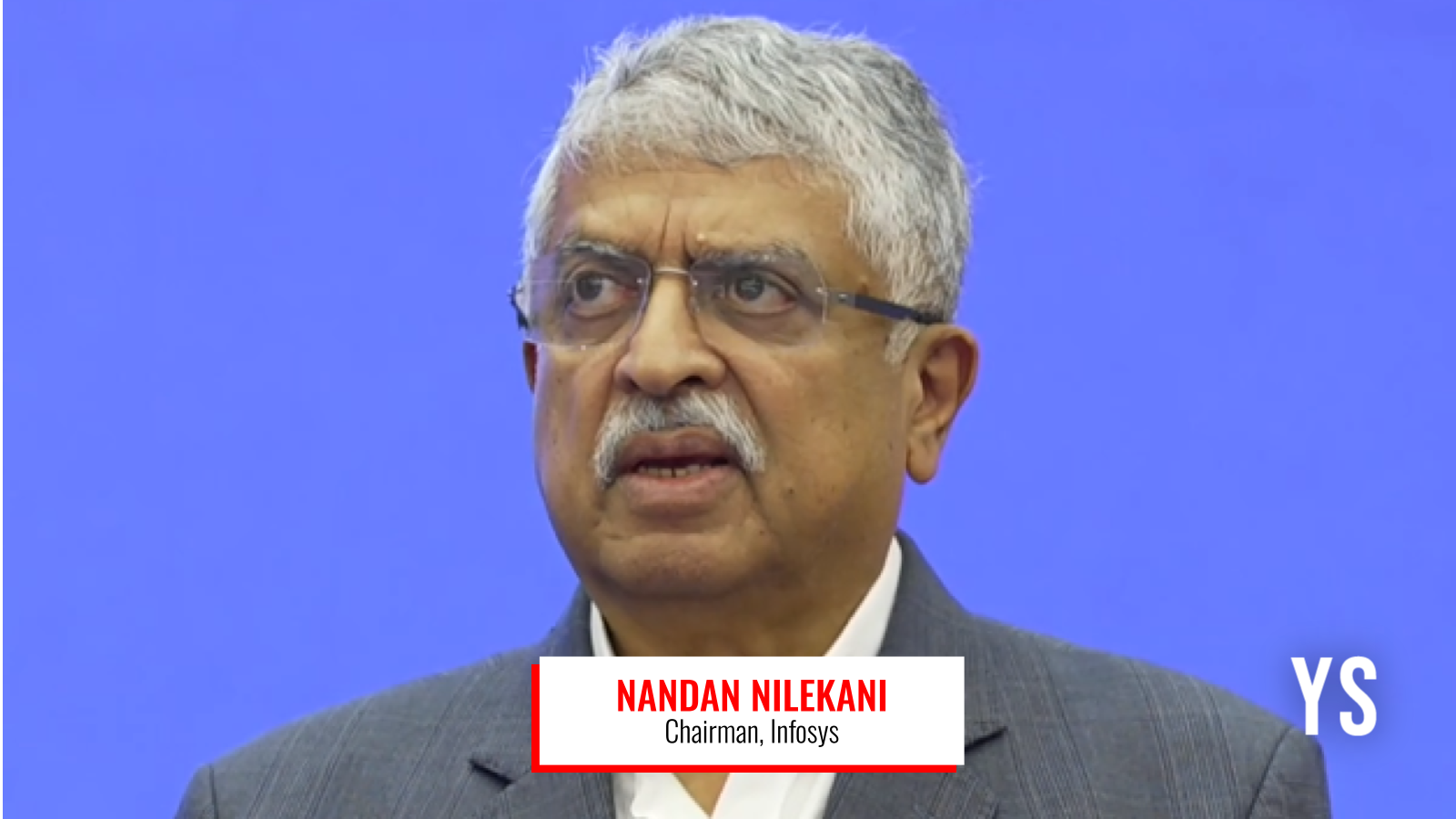
The integrity of a nation’s public examination system is a cornerstone of meritocracy and civic trust. In India, where competitive entrance examinations dictate the academic and professional aspirations of the youth, benefits of any structural reforms resonate across the socio-economic spectrum.On July 26, 2026, Prime Minister Narendra Modi announced the constitution of a high-powered task force on examination reforms, chaired by the technology expert Nandan Nilekani. The multi-disciplinary composition of the task force reflects a broad strategic intent. In addition to technology, the panel brings together distinguished domain experts from national security, space, higher education, and public administration. This alignment of expertise from intelligence, digital infrastructure, and scientific institutions signals a distinct emphasis on building a technology-driven, secure, and future-ready testing framework to restore public confidence in competitive examinations.While this announcement signals strong political resolve to reform the exam system, the core mandate before the new panel is clear: it must build on the recommendations and complete the unfinished tasks left in the wake of Dr. Radhakrishnan committee report, submitted in October 2024, after studying the concerns and suggestions of all stakeholders, including over 37,000 students. While the Ministry of Education accepted the committee’s recommendations in principle, implementation across several critical domains remained delayed or partially unaddressed. The fundamental challenge facing national entrance exams today is not a lack of diagnostic clarity, but an execution deficit in translating policy mandates into credible ground realities.Primary among these unfulfilled recommendations is the statutory governance structure of the National Testing Agency (NTA), elevating it from a registered society under the Societies Registration Act, 1860, into an autonomous, statutory testing authority established through an Act of Parliament, akin to the Union Public Service Commission (UPSC). Such a status would endow the agency with legal authority to enforce compliance, blacklist defaulting vendors, and mandate annual parliamentary oversight.The physical paper-based entrance exams continue to pose severe supply-chain risks during the process of storage, transit, and distribution. Although a complete shift to Computer-Based Testing (CBT) or a hybrid Computer-assisted Secure Paper-Pencil Test (CPPT) model was envisioned, it did not make any visible progress. The new task force should fast-track this technological migration, enforcing digital question paper transmission to test centers, moments before commencement of exam.The recommendation to build about 1000 permanent, government-owned Standardised Testing Centres (STCs) across all the districts remains unfulfilled, forcing reliance on unverified private labs that often lack continuous CCTV for invigilation and power backups. The task force must guide in setting up the technology infrastructure at these STCs, besides mobile testing centres in remote areas like in the North-Eastern states.Operationally, the mandate shifts from policy design to concrete technological and administrative rollout. First, the task force must architect a robust cybersecurity framework featuring military-grade encryption and 24/7 Security Operations Center (SOC) oversight. Second, it must achieve full operationalisation of the ‘DIGI-EXAM’ platform, integrating Aadhaar with biometrics, AI facial recognition, and continuous CCTV streams across all stages—from application submission to exam centre entry—to prevent the possibility of impersonation.Looking forward, the task force must transition India into a continuous and computer-adaptive testing framework, drawing on the experience of GRE and IIT JEE so as to alleviate the anxiety and stress of the youth on the criticality of performance in one exam.More importantly, institutional capability must be reinforced by bridging the recruitment deficit and enhancing accountability. Replacing outsourced dependence requires fast-tracking specialised internal cadres in psychometrics, cybersecurity, and digital forensics within the testing agency.The establishment of this high-power multidisciplinary task force presents a decisive opportunity to convert policy intent to operational execution. By building on earlier recommendations and focusing on completing the unfinished administrative and technological tasks, the task force can institutionalise a resilient, transparent, and world-class examination ecosystem that can yield the intended fruits of the exam reforms.(Prof. O.R.S. Rao is the Chancellor of the ICFAI University, Sikkim. Views are personal) Published - July 29, 2026 01:25 pm IST
The mandate before the Nilekani task force
Explore the Nilekani task force's mission to reform India's examination system for a transparent, technology-driven, and efficient future.
644 words~3 min read