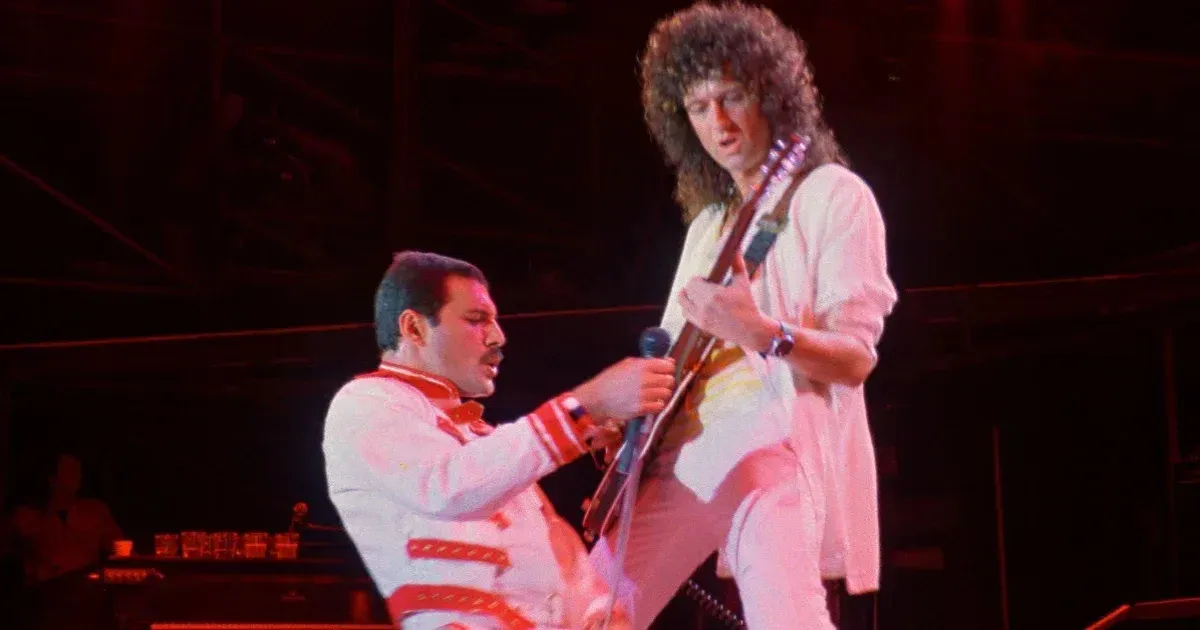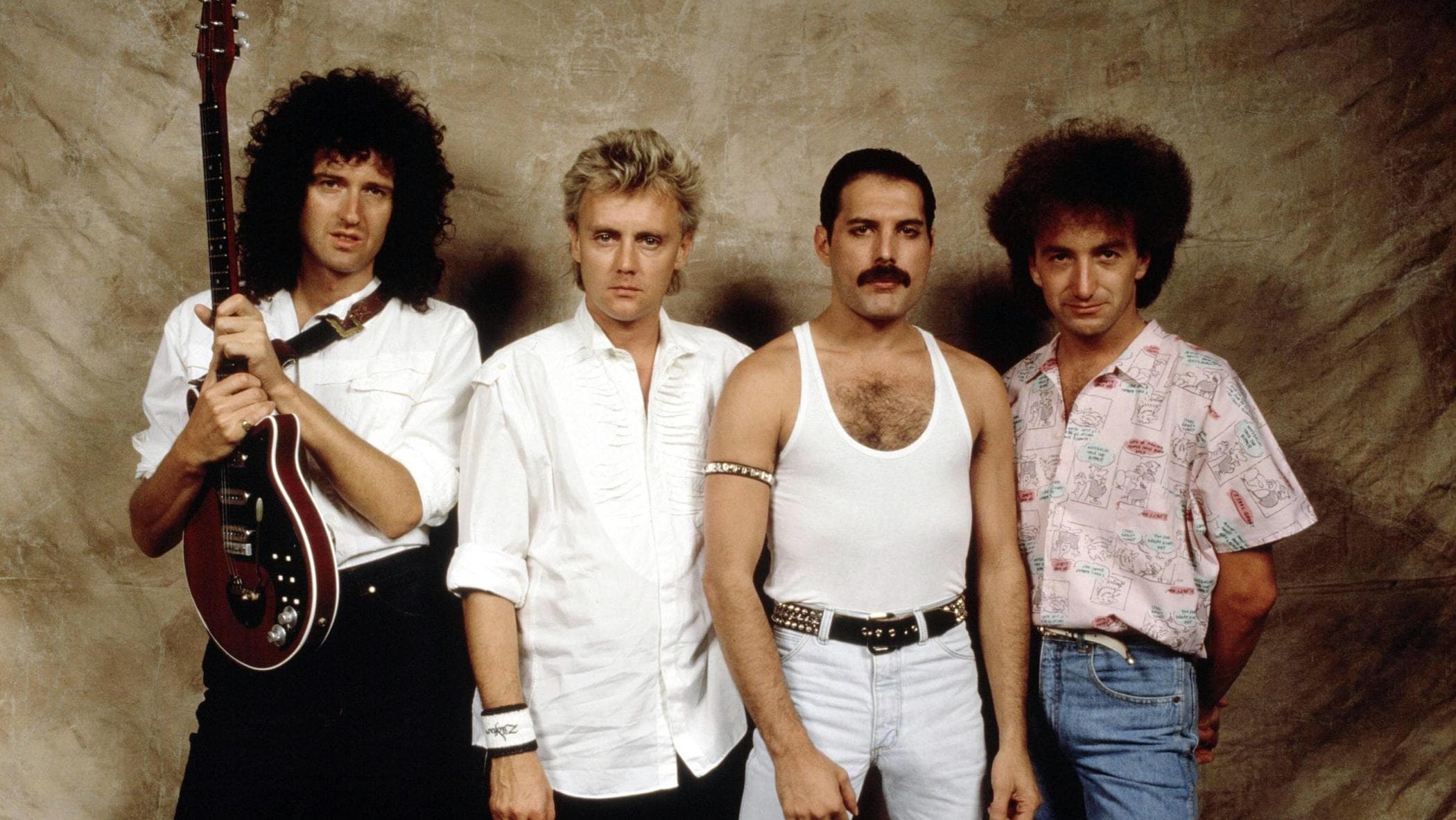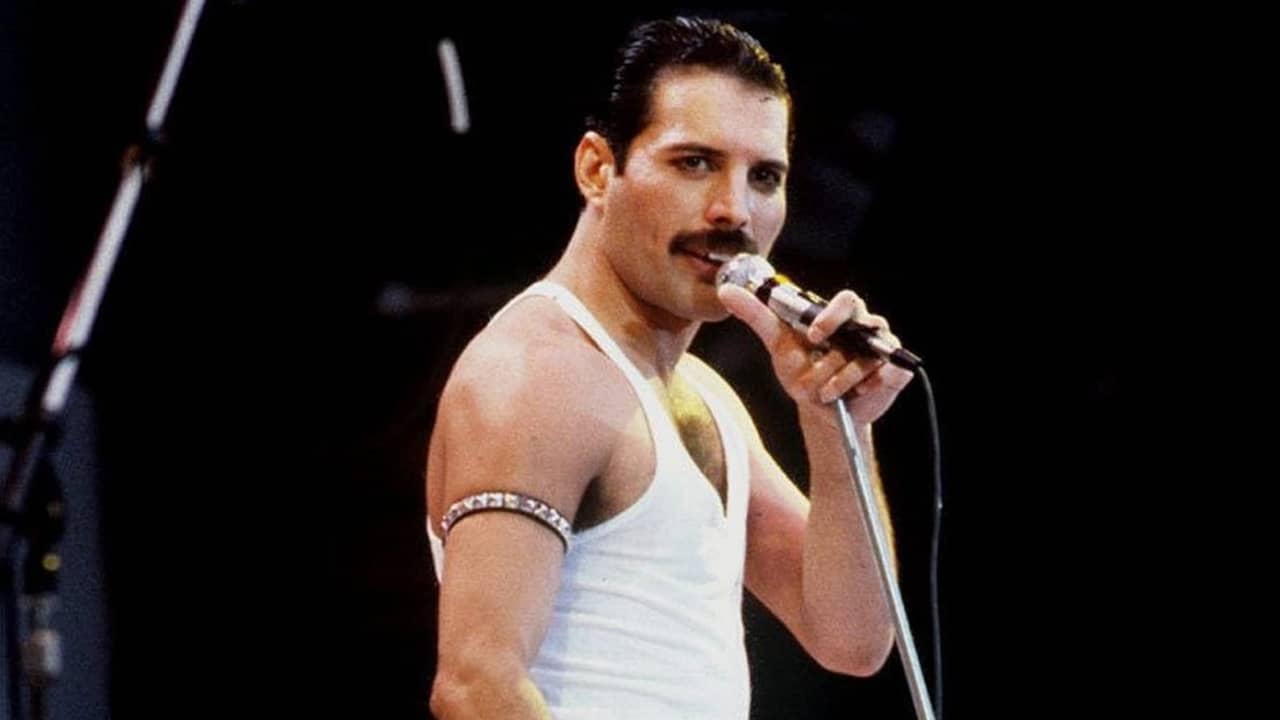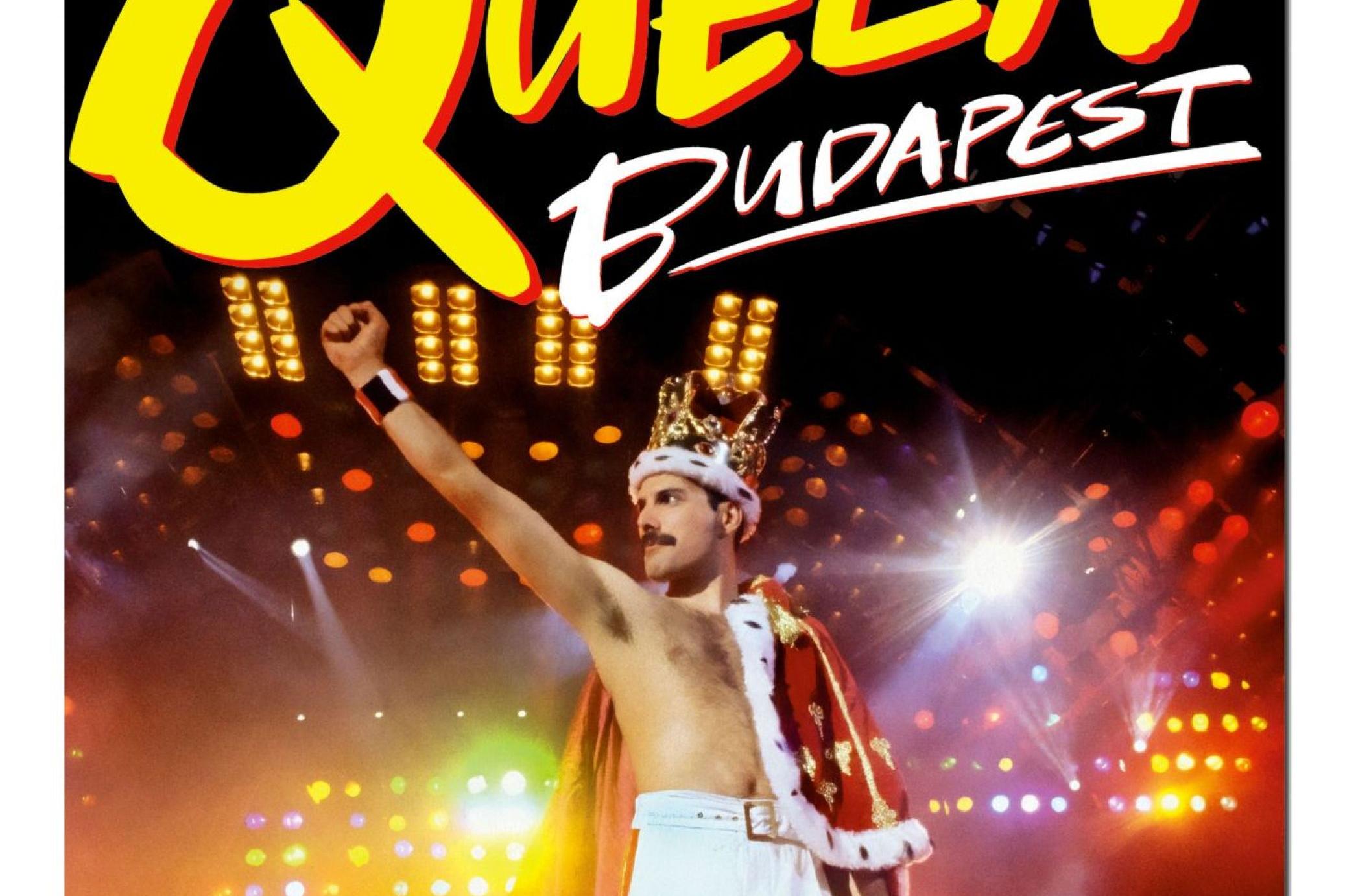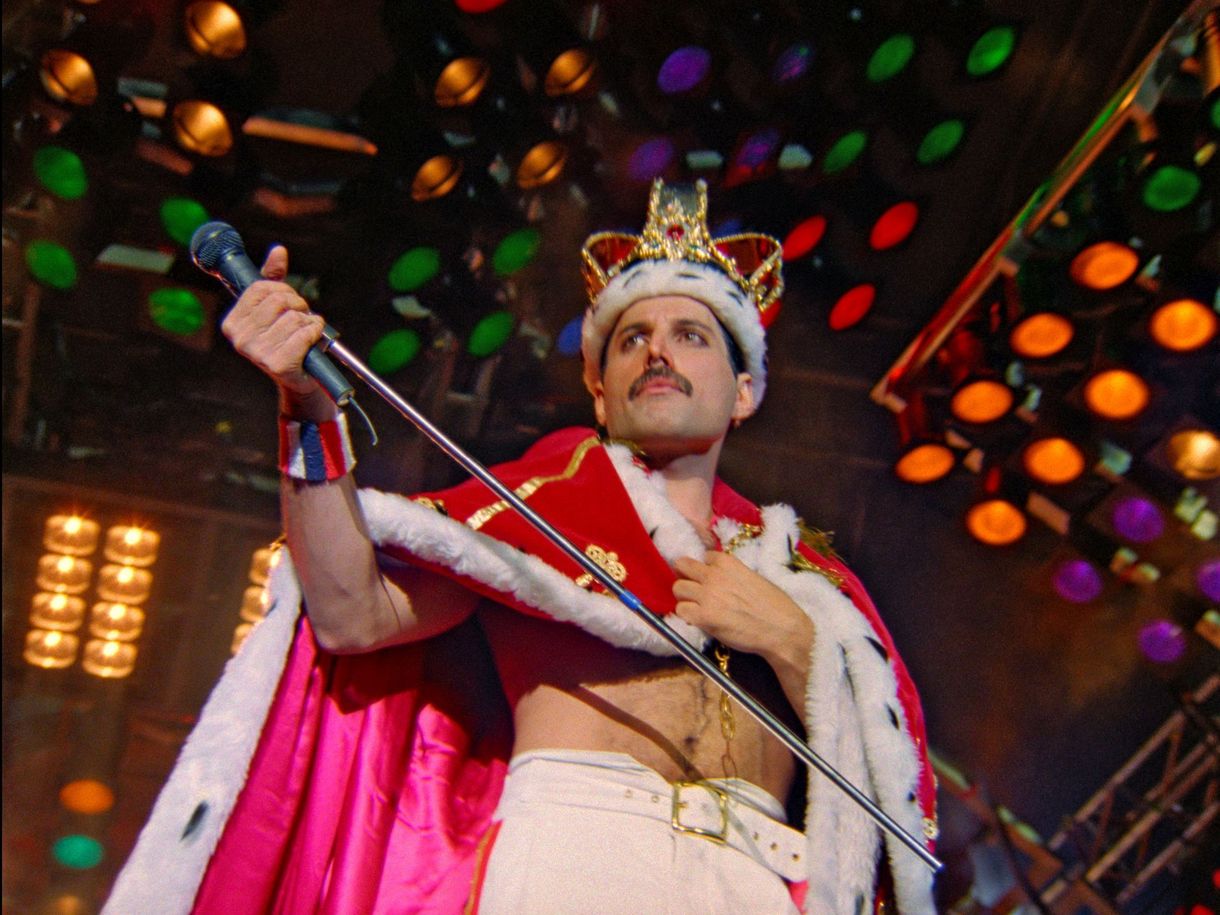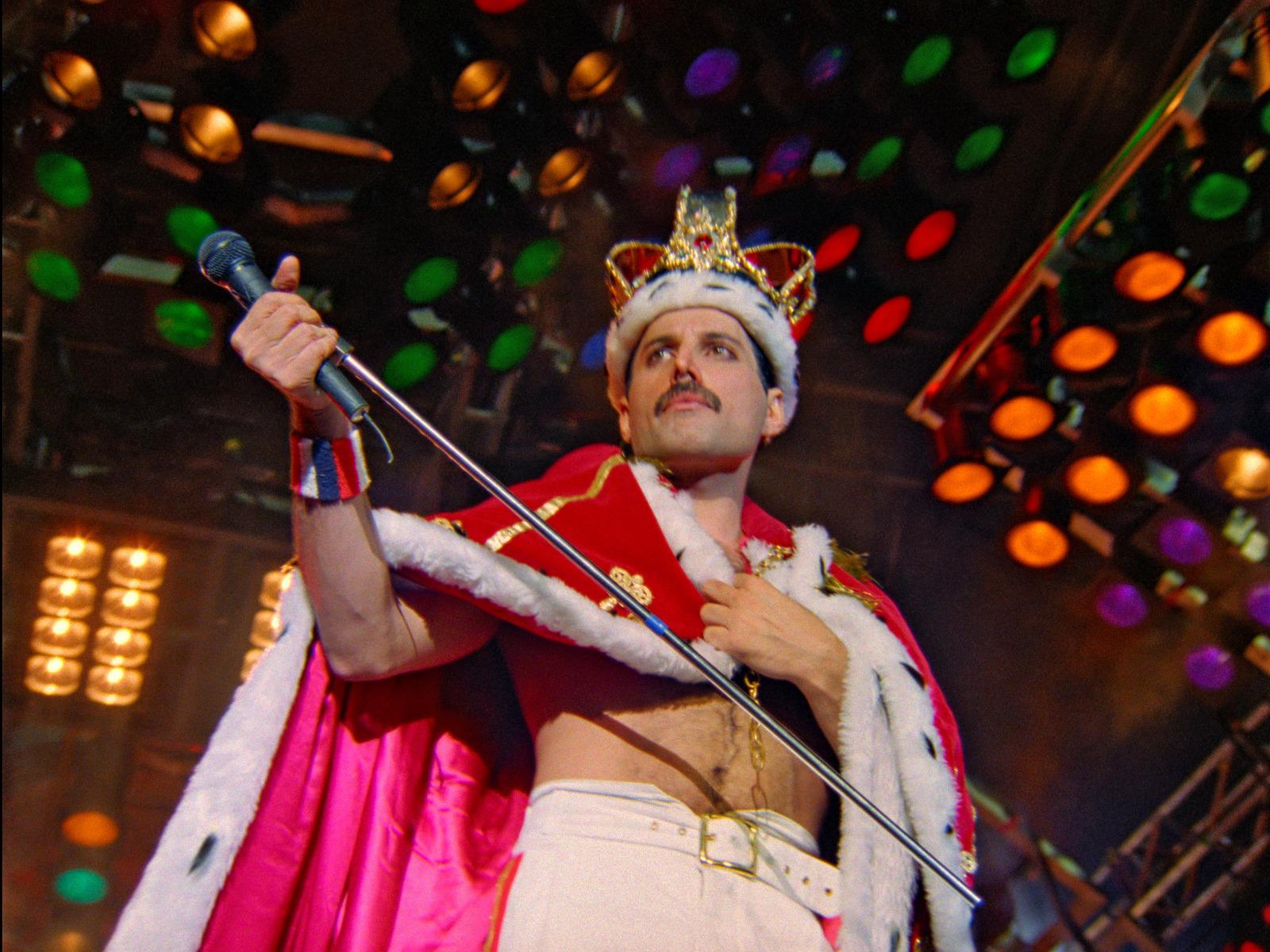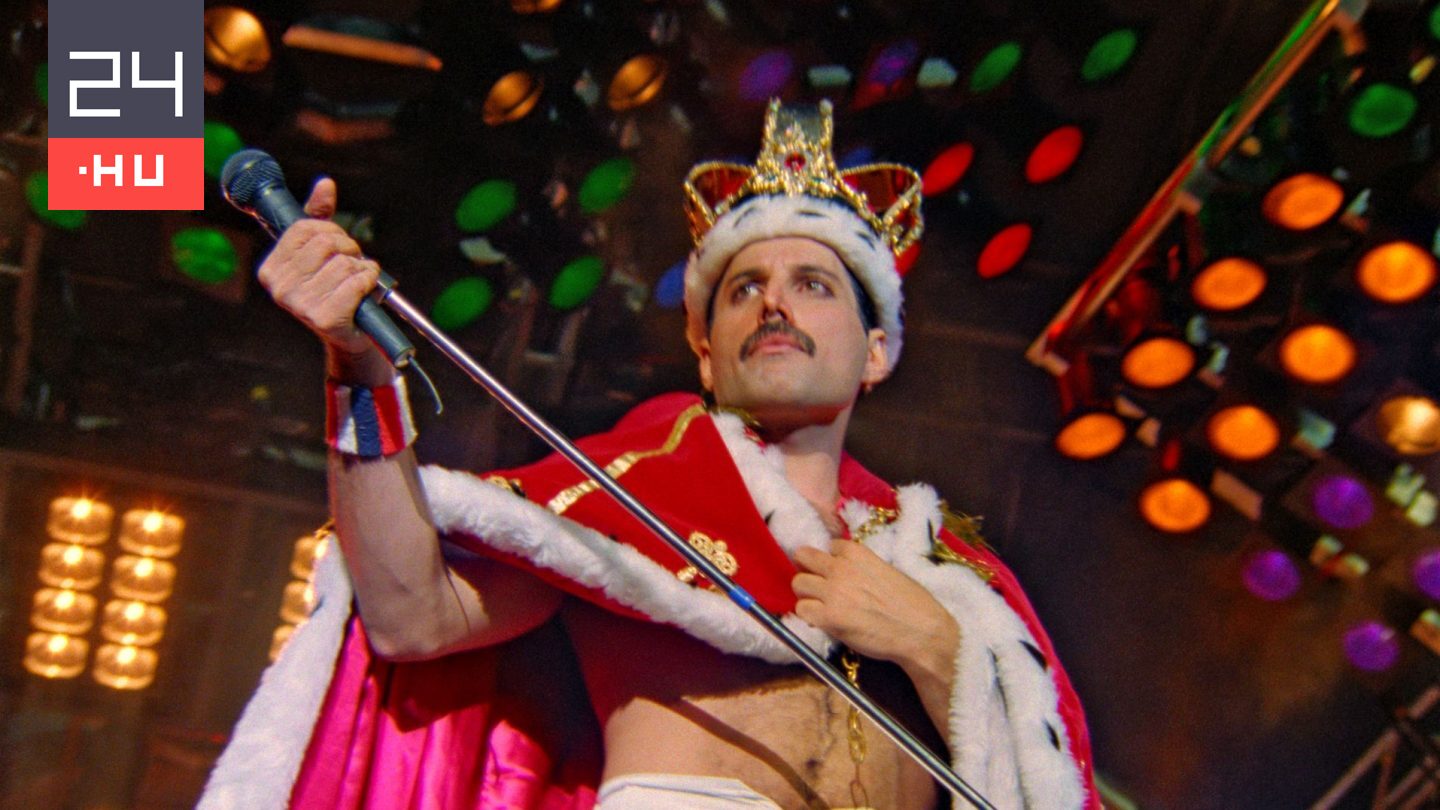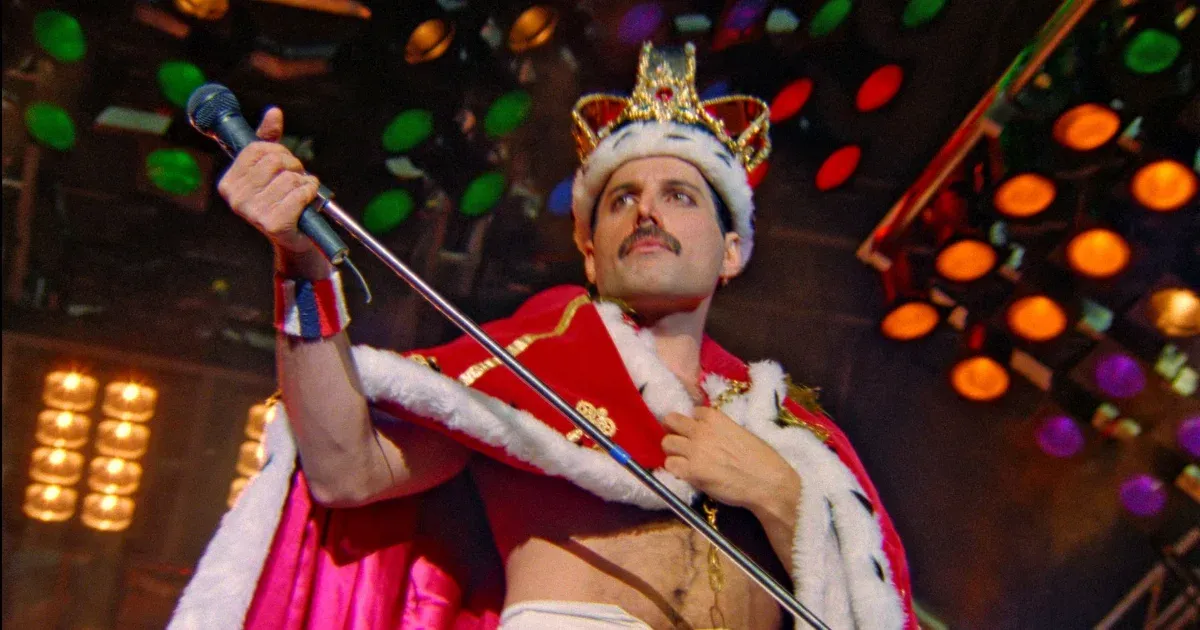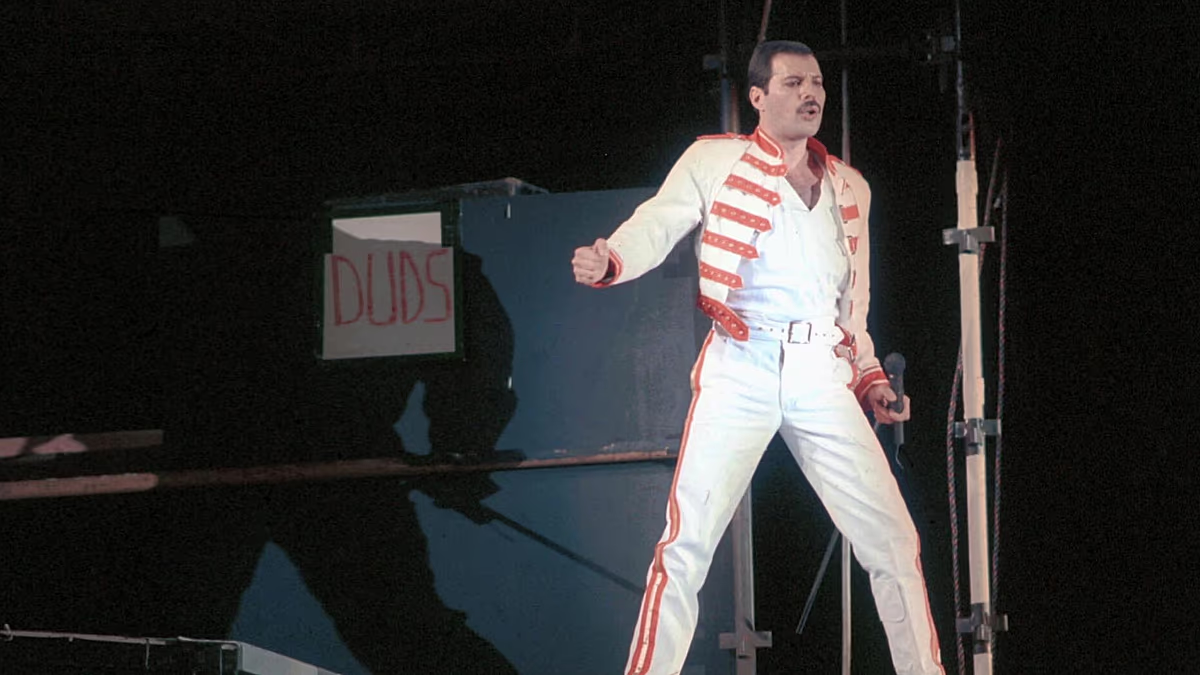
The only stop on Queen's The Magic Tour inside the Eastern bloc was a historic milestone both politically and culturally. In mid‑1980s Hungary, hosting a Western stadium show of this scale demanded almost unimaginable logistical and political compromises.
Once the green light had arrived from the upper echelons of the ruling party, the gates of the Népstadion literally had to be rebuilt and the ground around them dug up so that the crew’s gigantic multi‑axle trucks could even get onto the pitch.
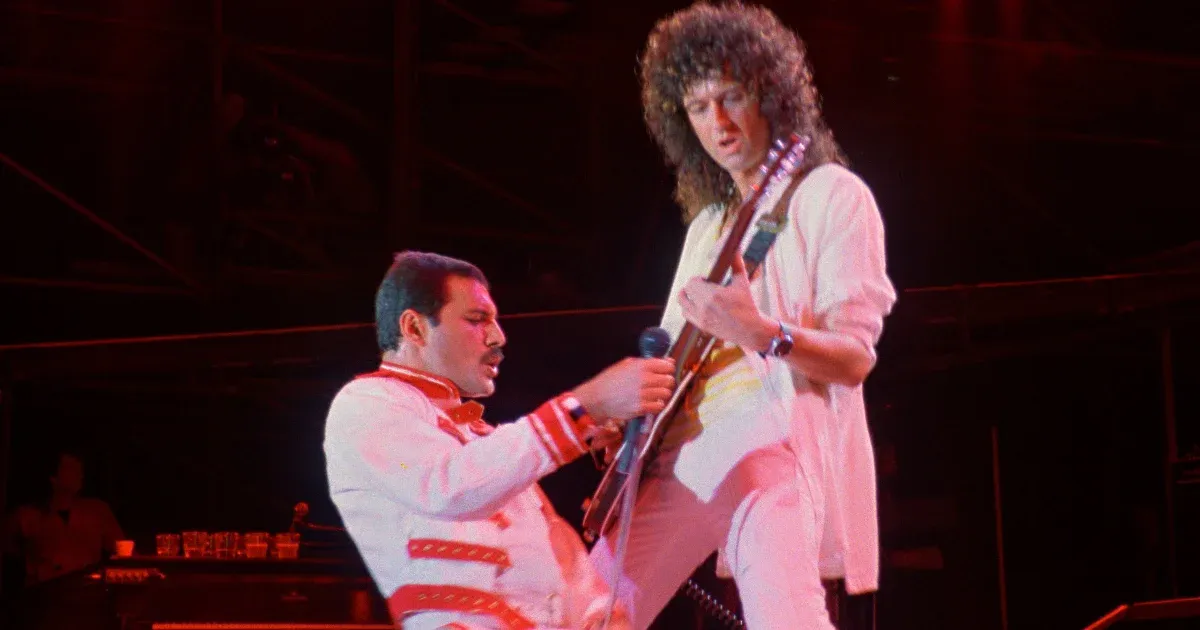
According to estimates and music‑industry insiders gossip, Queen received a fee of around €110,000 – roughly half of what they usually asked for a concert elsewhere. One reason was that Hungary at the time simply could not come up with the required amount in hard currency. The British rockers accepted the lower fee because in return they were allowed to shoot a concert film using virtually the entire then‑existing Hungarian film production capacity, and they secured the international distribution rights to the resulting film, Hungarian Rhapsody, which went on to generate huge profits worldwide.
We will rock you
The concert went far beyond a musical experience: it produced a collective social catharsis. The flawless lights and sound of a Western pop culture officially branded as decadent shocked and enthralled the Hungarian audience.