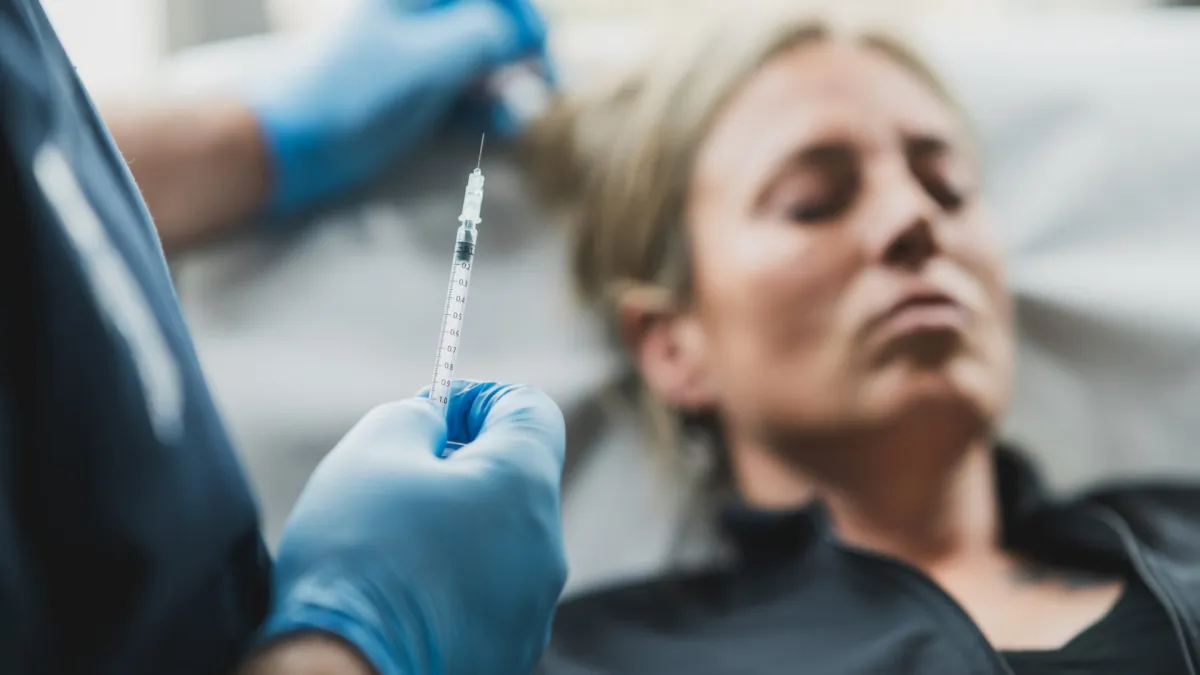
Booking my first-ever appointment for under-eye filler felt as casual as booking my next haircut. It would only take a matter of minutes, there would be no downtime, and I would mildly dread it for weeks.
Like my no-nonsense hairdresser who tells me every six months that cutting at least three inches off is absolutely necessary to stop my hair from breaking, a brusque cosmetic surgeon had told me that injecting synthetic gel into my tired and hollowing tear troughs was unfortunately the only thing for them. Or else, she implied, my 33-year-old face would be broken too.
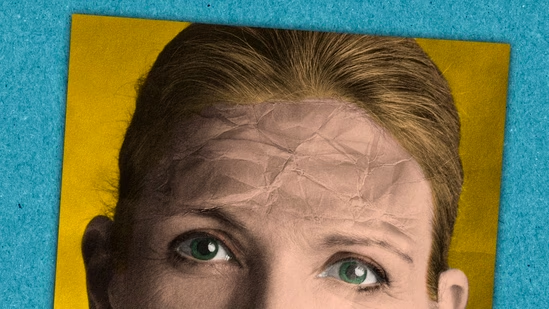
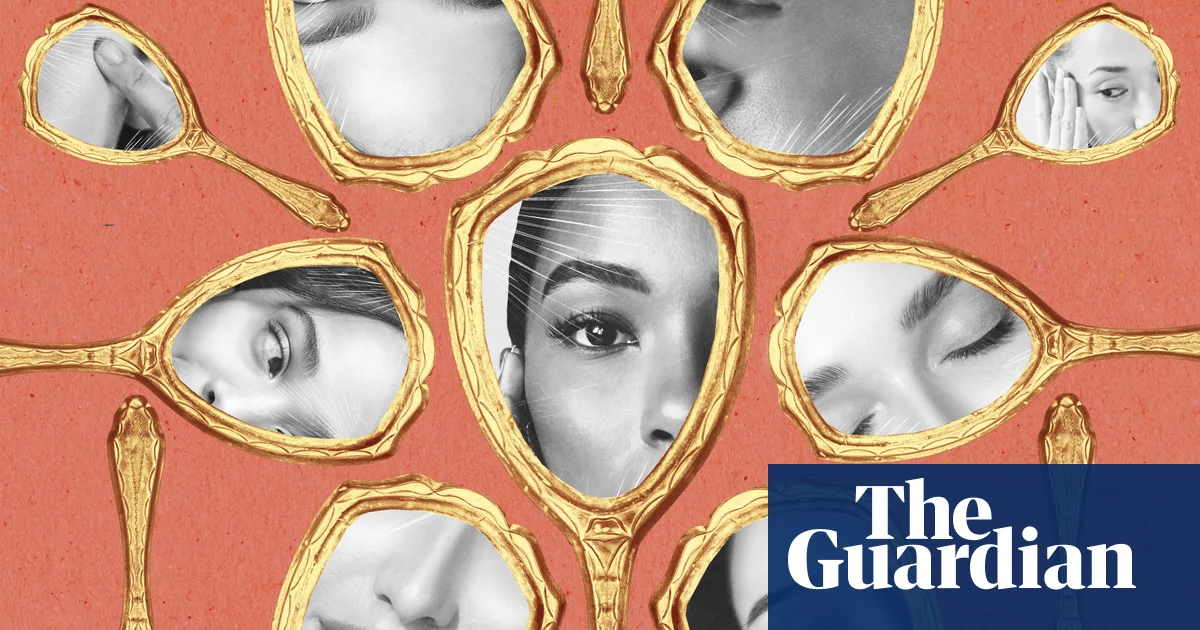
I was suffering, like so many women, with a self-diagnosed case of “facial dysmorphia”: a disconnect from your own face as a result of years seeing it reflected in mirrors, on Zoom, in my phone camera, and feeling like it no longer looked “right”.
That is to say, it no longer looked like the smooth, poreless and perfectly proportioned faces I was seeing on Instagram: ageless and glowing, oval shape, fox eyes, wide, plump lips, high, arched brows, a softly rounded chin, tanned skin, and long, wavy hair.
Everyone looked beautiful, but they also looked the same, and strangely surreal, manipulated and filtered through popular face-editing apps like Facetune or Meta’s own editing tools. American beauty writer Jessica DeFino was one of the pioneers of the term “Instagram Face” in 2019, describing the frictionless experience of not knowing whether you “just scrolled past a selfie of Emily Ratajkowski or Bella Hadid”.