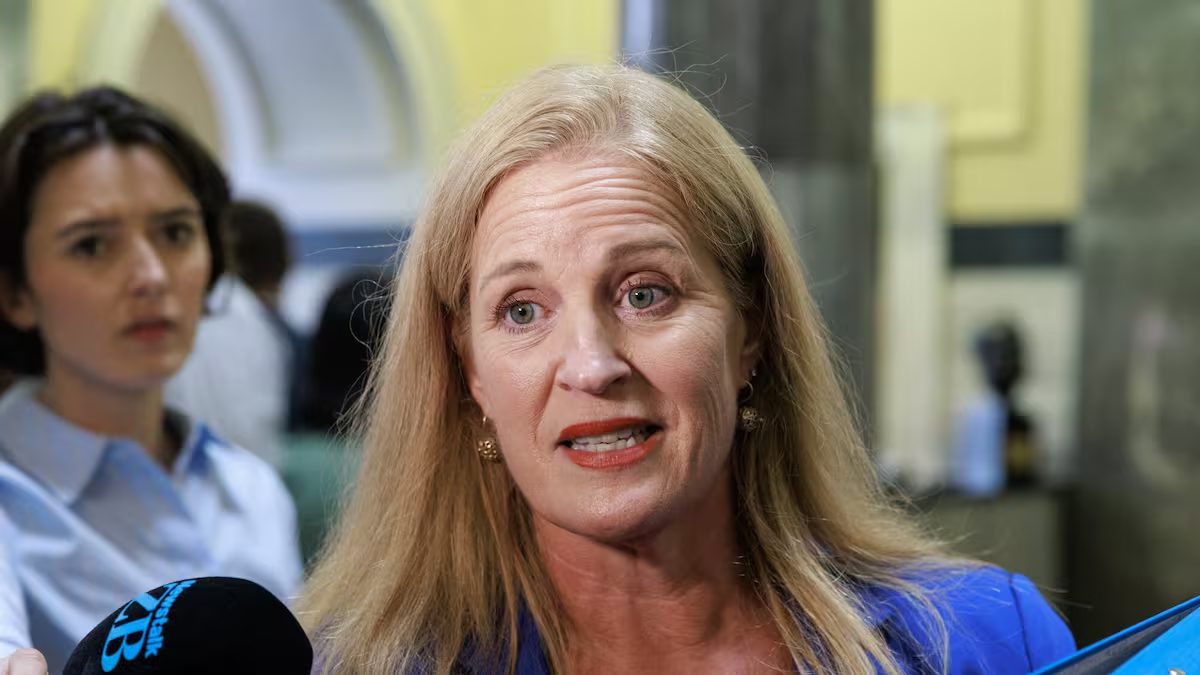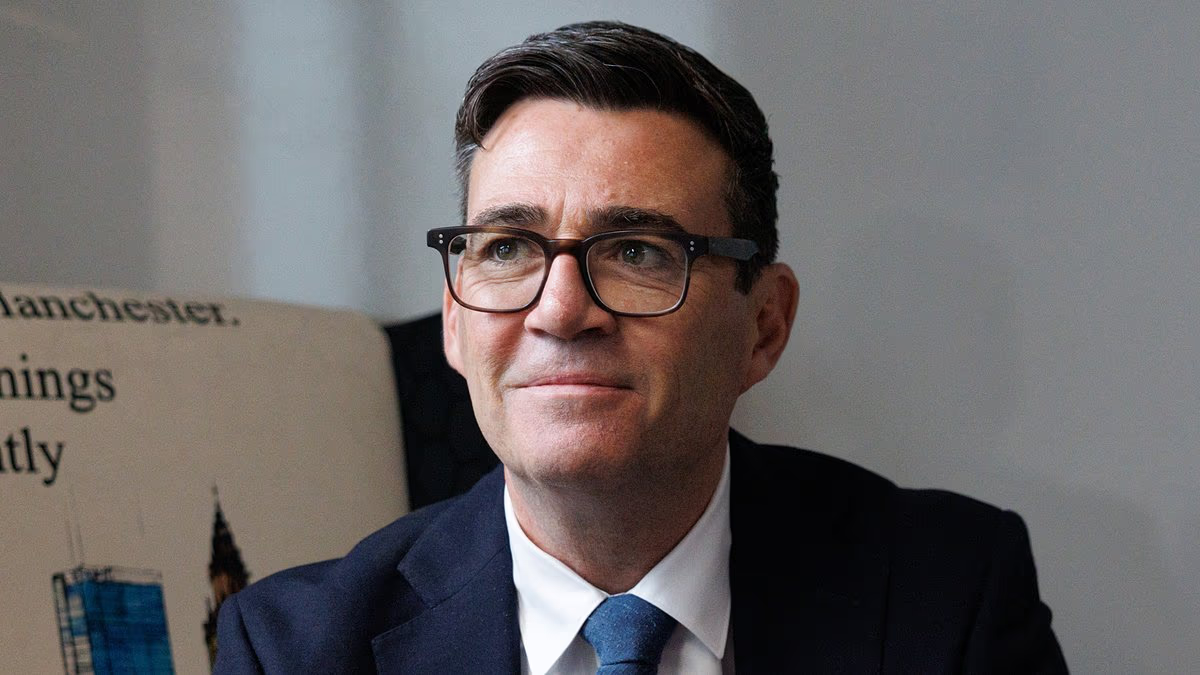
Around 2700 young people with a health condition, injury, or disability are at risk of losing their Jobseeker benefit, and around 70 percent of those have psychiatric or psychological conditions.Minister for Social Development Louise Upston revealed the figures Wednesday during Question Time, and said those on the Jobseeker support benefit with a health condition, injury, or disability (HCID) who are unable to work should be in further education or preparing for work in the future.But the Greens said this could make the youth mental health crisis worse, and want an exclusion for those on the Jobseeker HCID.From November 2026, the government will end Jobseeker payments to 18 and 19-year-olds whose parents earn more than $65,000, saying it will encourage them to find work.In October last year, it was estimated that around 4300 young people would become ineligible for support.The policy would also apply to young beneficiaries with a health condition or disability who have had to stop work for a period of time or reduce their hours.Green MP Ricardo Menendez March asked Upston in Question Time on Wednesday how many 18 and 19-year-olds were on that specific benefit, and what percentage of them have "psychological or psychiatric conditions."Upston responded that at the end of June this year, there were 2,733.Minister for Social Development Louise Upston revealed that around 2700 young people with a health condition, injury, or disability could lose their benefit. (File photo)VNP / Phil SmithShe said 69 percent of those had a psychological or psychiatric condition, meaning around 1800 young people."These young people will have better future outcomes if they remain close to the labour market or are studying."Asked by Menendez March whether stripping people of their income support would likely improve or worsen someone's mental health, Upston said the government had been clear about its expectations and, in the first instance, "support should come from their families.""They should be the responsibility of their parents. If somebody is experiencing challenging health conditions, I would totally expect that their families are there to support them," said Upston.Menendez March raised the issue of those on the HCID benefit with cancer, to which Upston said it "doesn't change the fundamental point.""We don't want them trapped on welfare. We don't want them stuck on a benefit for another 20 years of their life."Speaking later to reporters, Menendez March said the fact that the government was okay with including cancer patients on those benefits shows "this isn't about supporting people in employment and instead punching down."Green MP Ricardo Menendez March. (File photo)RNZ / Samuel RillstoneHe said the risk of these young people losing their benefit was that they'd be left without the means to afford medicines, treatment, or even "keep a roof over their heads.""Not all of those young people covered by the policy will have a good enough relationship with their parents to actually be supported by them," he added.He said leaving those people without support would "ruin" their lives.He called for the government to exclude those on the HCID from the legislation.Also speaking to reporters after Question time, Upston clarified that those on the jobseeker benefit should be job seeking."They are deemed to have no work capacity at all, then they would be on the supported living payment."The difference was someone's "work capacity", she said."Do they have a temporary incapacity? Do they have a permanent one? And those are the decisions that MSD make."For those without a relationship with their parents, there is a "parental assistance test," she explained."That is why that is available, both for financial grounds or if there has been a relationship breakdown, so that's the safeguard."
Jobseeker benefit cuts could affect 2700 young people with health condition, injury, or disability
Around 2700 young people with a health condition, injury, or disability are at risk of losing their Jobseeker benefit, and around 70 percent of those have psychiatric or psychological conditions.
599 words~3 min read