Get the latest news and updates from Dawn
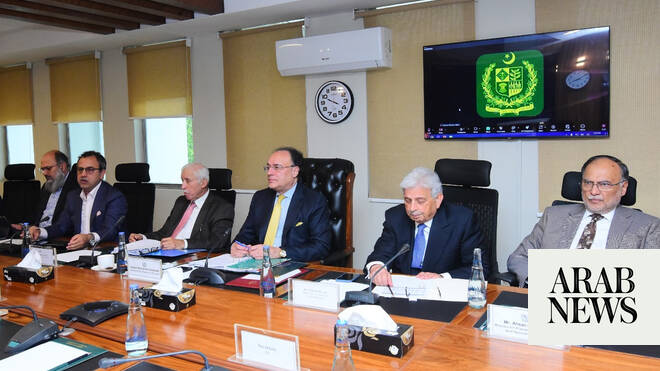
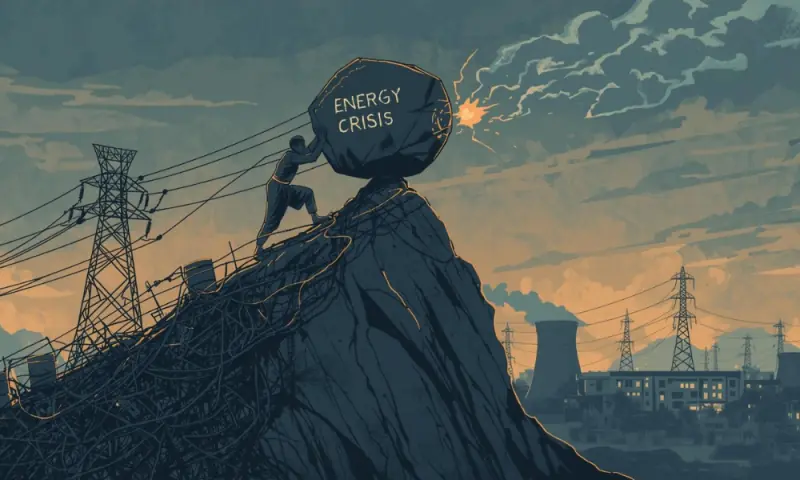
Albert Camus, a French philosopher, once wrote about Sisyphus, a king condemned by the Greek gods to push a boulder up a hill. Only, to his torment, the boulder rolled back down every time it reached the top, trapping him in an endless cycle. Finance Minister Muhammad Aurangzeb’s recent announcement of Pakistan’s largest financing arrangement — a Rs1.225 trillion deal with 18 local banks to settle power-sector arrears — echoes this tragic myth.
Though the deal appears promising, offering hope of freeing the country from the shackles of power debt, it remains Sisyphean in nature: the state pushes the boulder of circular debt uphill, only for it to roll back down again, crushing consumers under the weight of revised tariffs.
The recent Rs1.225 trillion package comprises Rs660 billion for the restructuring of old loans and Rs565 billion in fresh funds to clear overdue payments, primarily owed to Independent Power Producers (IPPs) — private companies that generate electricity and sell it to the national grid. This hefty loan, secured from a consortium of 18 local banks, will be repaid over six years through the existing Debt Service Surcharge (DSS) — a small per-unit charge on electricity bills — of Rs3.23 per unit.