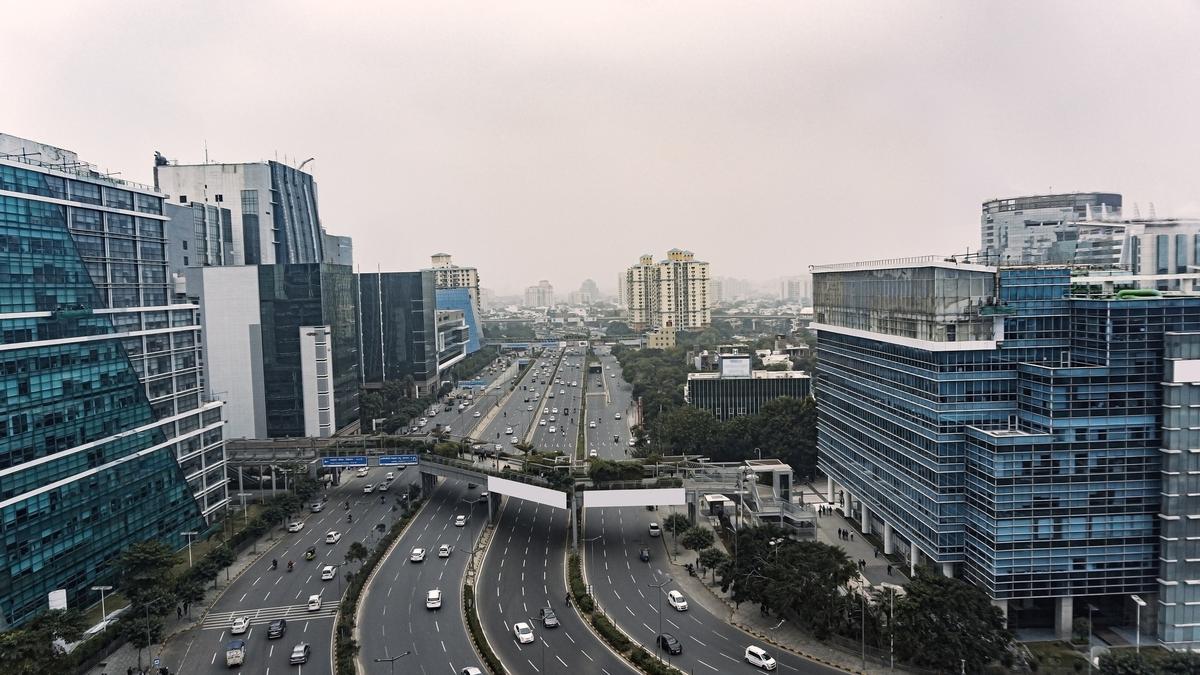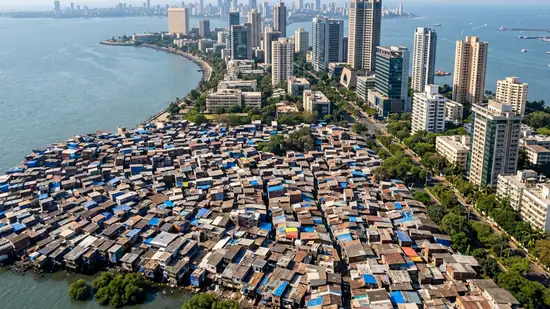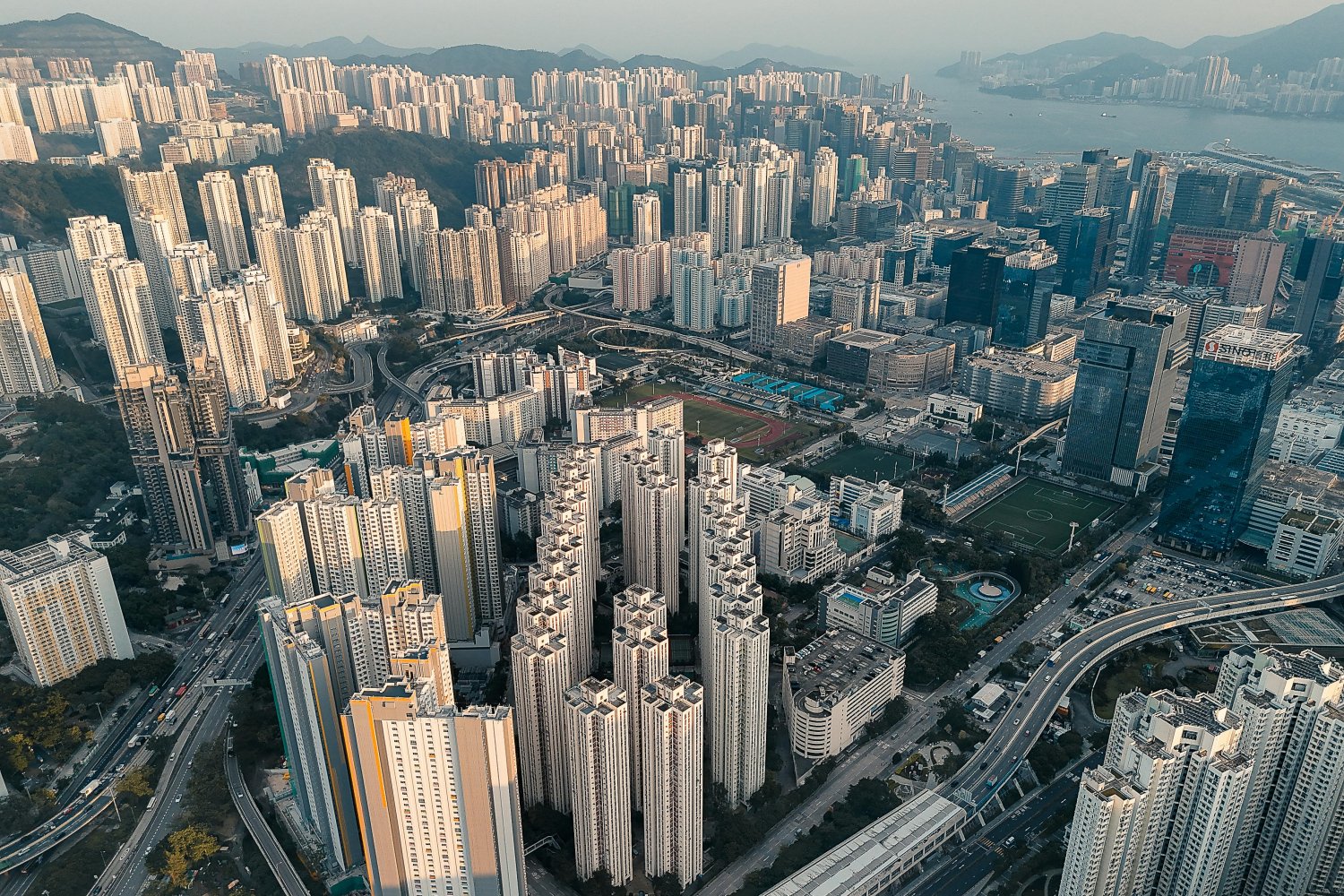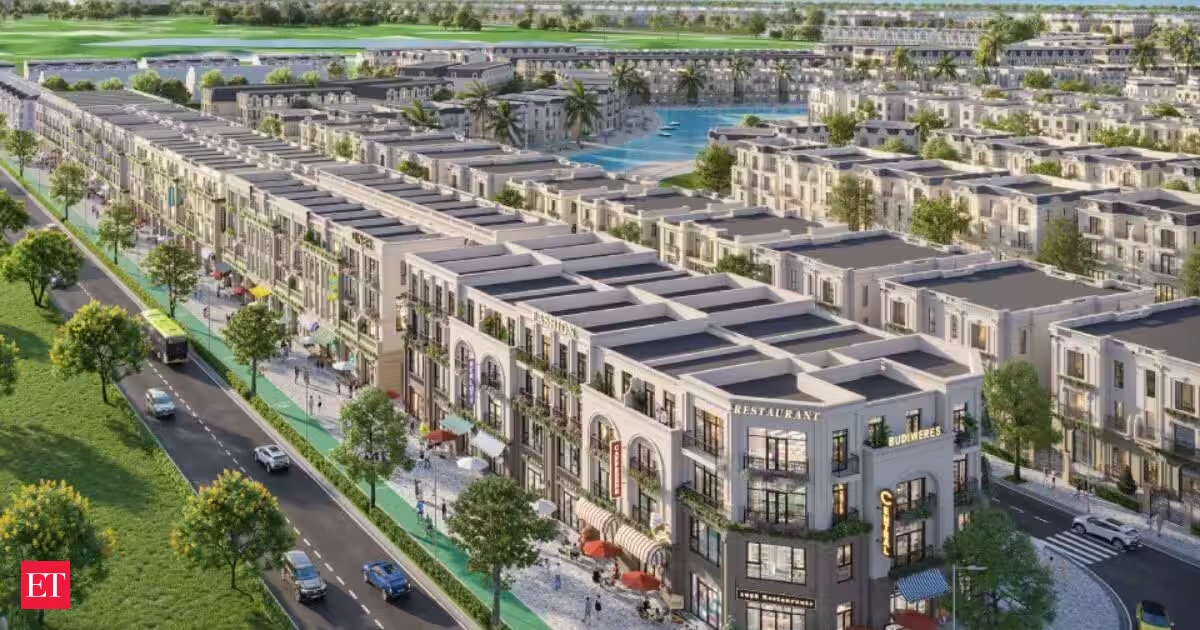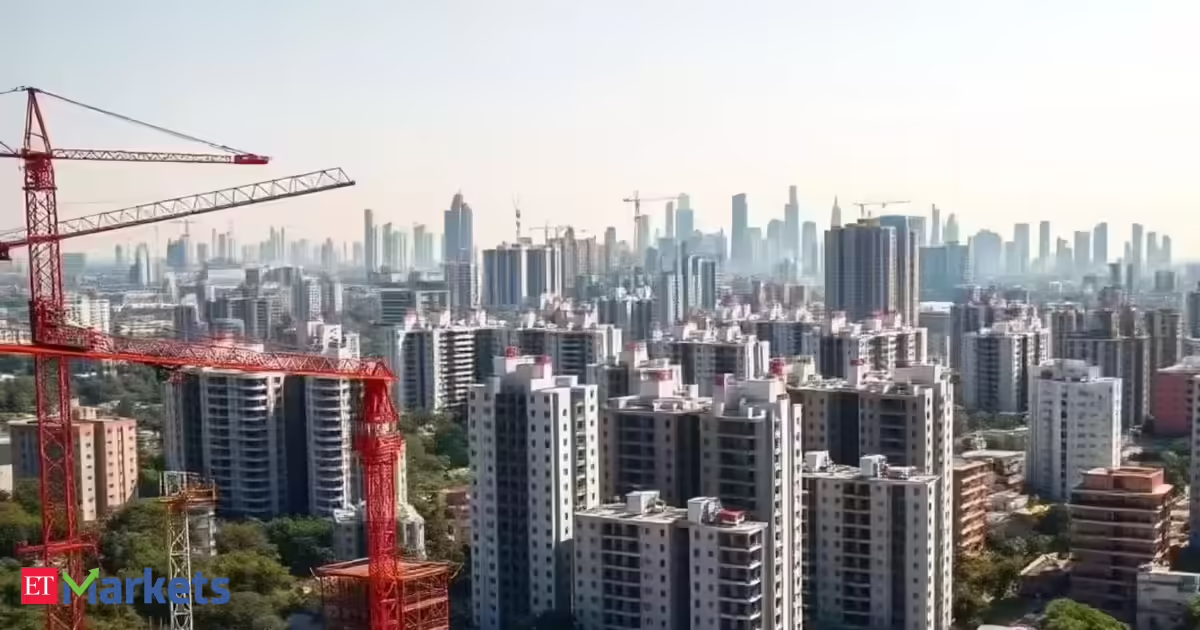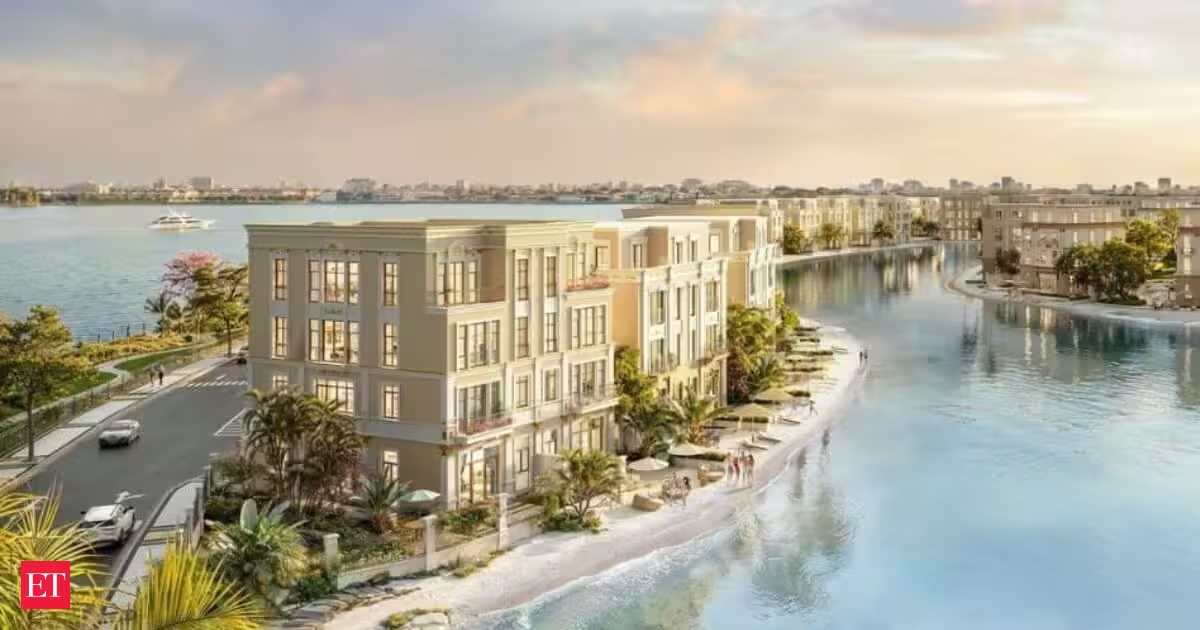
Across Asia, the real estate sector is undergoing a structural transformation. Developers are no longer being judged only by the number of apartments they sell or the size of residential projects they launch. Instead, investors are increasingly favouring developments that combine housing with offices, transport, healthcare, education, retail, entertainment and green public spaces, creating self-sustaining urban ecosystems designed for long-term growth.As per real estate studies, this changing investment strategy is being driven by evolving urban needs, rising sustainability expectations and institutional investors seeking stable, income-generating assets rather than short-term gains. The trend is also beginning to shape property development in emerging markets, including Vietnam, Thailand and Indonesia, where large integrated townships are replacing conventional housing projects.Investors are backing integrated developmentsThe Asia-Pacific real estate market is witnessing renewed investor confidence after a challenging period. According to industry studies, institutional investors are showing greater interest in mixed-use developments that generate value over decades instead of focusing only on residential sales.Developments that integrate homes, workplaces, commercial centres, transport connectivity and public infrastructure are increasingly viewed as more resilient because they diversify revenue streams while creating communities that remain attractive for businesses and residents alike.Urbanisation is creating demand for smarter citiesThe region's rapid urbanisation is one of the biggest reason behind real estate growth. With millions of people expected to move into cities over the coming decades, urban planners face mounting pressure to create infrastructure that supports sustainable economic growth without compromising quality of life.This means future developments cannot rely solely on residential construction. They must also provide efficient transport networks, healthcare facilities, schools, workplaces, recreation areas and digital infrastructure that function together as part of a single ecosystem.As competition between cities intensifies, the ability to deliver integrated urban environments is becoming a major advantage in attracting investment, businesses and skilled professionals.Mega projects showcase the new development modelAcross Asia, several landmark projects illustrate how this new approach is being implemented. Thailand's One Bangkok has been designed as a large mixed-use district that combines commercial offices, residential towers, hotels, shopping destinations, cultural venues and public open spaces within one integrated development. Sustainability certifications and wellness-focused planning are central to its design philosophy.Indonesia's new capital city, Nusantara, represents another example of long-term planning. Conceived as a smart forest city, it integrates renewable energy, digital connectivity, water management systems and sustainable mobility from the outset instead of adding these features after construction.Although the objectives of these projects differ, they share a common principle: successful cities of the future will depend on how efficiently different aspects of urban life work together rather than operating independently.Vietnam's property sector is also increasingly reflecting this regional transformation. Several developers including the country's largest developer, Vinhomes. Earlier developments focused primarily on residential communities, but recent projects extend across thousands of hectares and incorporate multiple urban functions within a single master plan.Jean-Paul de la Fuente, Director of the New7Wonders Organisation, described Vietnam as undergoing a "transformative step change" in its global positioning.The integrated model aims to create communities where residents can live, work, study, shop and access essential services without relying heavily on external infrastructure.Long-term management is becoming a key differentiatorBuilding large townships is only part of the equation. Increasingly, investors are evaluating developers on their ability to manage these assets efficiently over many years. Professional operations, maintenance standards, environmental management and resident services have become important indicators of long-term value creation.Developers that maintain internationally recognised management and operational standards are generally viewed as better positioned to preserve asset quality, improve resident satisfaction and attract sustained investor interest.This marks a shift away from the traditional focus on project completion towards continuous asset management throughout the lifecycle of a development.Sustainability is moving from promise to measurable performanceEnvironmental performance has also become another defining factor in investment decisions. Institutional investors increasingly expect developers to demonstrate measurable progress through recognised sustainability frameworks instead of relying solely on broad environmental, social and governance (ESG) commitments.Large urban projects are placing greater emphasis on ecological restoration, efficient water management, green mobility solutions and transit-oriented development that reduces dependence on private vehicles while improving accessibility.The objective is not only to reduce environmental impact but also to create communities that remain resilient as climate risks become more significant.The future belongs to complete urban ecosystemsAsia's property sector is entering a new phase where success will increasingly be determined by the quality of entire urban environments rather than individual buildings.Developers that can integrate housing, transport, employment, healthcare, education, public amenities and sustainability into cohesive communities are likely to enjoy stronger long-term investor confidence.Execution will remain the ultimate test, but one trend is becoming increasingly clear. As cities compete for capital, talent and economic growth, the real estate projects that create vibrant, sustainable and operationally efficient ecosystems are expected to define the next chapter of urban development across Asia.
How Asia's real estate boom is moving beyond housing to build complete urban ecosystems
Asia's real estate sector is transforming with investors favouring integrated developments. These projects combine housing with offices, healthcare, and green spaces for growth. Rapid urbanisation drives demand for smarter cities and efficient infrastructure networks. Mega projects in Thailand and Indonesia showcase this new development model. Vietnam is also embracing larger integrated townships for community living.
795 words~4 min read